Let's be honest. Sometimes "outdoor adventure ideas" just means scrolling through Instagram feeds of impossibly fit people on mountain peaks, feeling a mix of inspiration and intimidation. You want the rush, the stories, the connection with nature, but the gap between dreaming and doing feels wide. Maybe you think you need weeks off, thousands of dollars, or expert-level skills. I've been guiding trips for over a decade, and the biggest mistake I see isn't a lack of gear—it's a lack of creative thinking about what an adventure can be.
True adventure is a state of mind, not a passport stamp. It's about seeing the familiar with new eyes and seeking the unfamiliar with a curious heart. This guide ditches the generic lists. We're diving into actionable, layered outdoor adventure ideas you can actually plan, whether you have an afternoon or a month. We'll cover everything from urban explorations to backcountry epics, with enough specific detail that you can start packing.
Your Adventure Blueprint
Redefining What Counts as an Adventure
Forget the epic-or-nothing mindset. The most sustainable adventure lifestyle is built on micro-adventures—short, local, accessible, yet still challenging outings. A 5 AM hike to watch the sunrise from a hill you've driven past a hundred times. A full-moon bike ride on a rail trail. Camping in your backyard with the kids, no screens allowed. These aren't lesser; they're the foundation. They keep your skills sharp and your spirit hungry for more.
Adventure in Your Backyard: Urban & Near-Wild Ideas
You don't need to drive for hours. Adventure is often hiding in plain sight.
The Concrete Jungle Explorer
Urban Hiking & History Scavenger Hunt: Pick a neighborhood or a long city street you've never fully walked. Use a map to find historic markers, unique architecture, and small parks. Cities like Boston with its Freedom Trail or Seattle with its stairway walks are perfect for this. The goal is to walk with purpose, not just to get somewhere. Pack a lunch and eat it in a tiny pocket park you discover.
Dawn Patrol City Summit: Find the tallest publicly accessible building or natural viewpoint in your city. Time your arrival for sunrise. In New York, that might be the Staten Island Ferry (free) for a view of the skyline. In San Francisco, it's walking across the Golden Gate Bridge as the fog burns off. The magic is in seeing the sleeping city wake up.
The Suburban & Rural Fix
Bikepacking Overnighter: This is one of the best low-barrier adventure ideas. Load your bike with camping gear and ride 20-40 miles to a state park or campground. The journey is the focus. Rail-trails are ideal for beginners—they're flat, car-free, and often connect towns. The Rails-to-Trails Conservancy website is a goldmine for routes.
Local Flora & Fauna Bioblitz: Turn a hike into a detective mission. Download the iNaturalist app and spend a day in a regional park trying to identify every plant, insect, bird, and fungus you see. You'll be stunned by the biodiversity you've been missing. It forces you to slow down and observe.
National Parks & Wilderness Escapes
This is where dreams get big. But big dreams need smart planning to avoid crowds and disappointment.
Focus on Experience, Not Just Location:
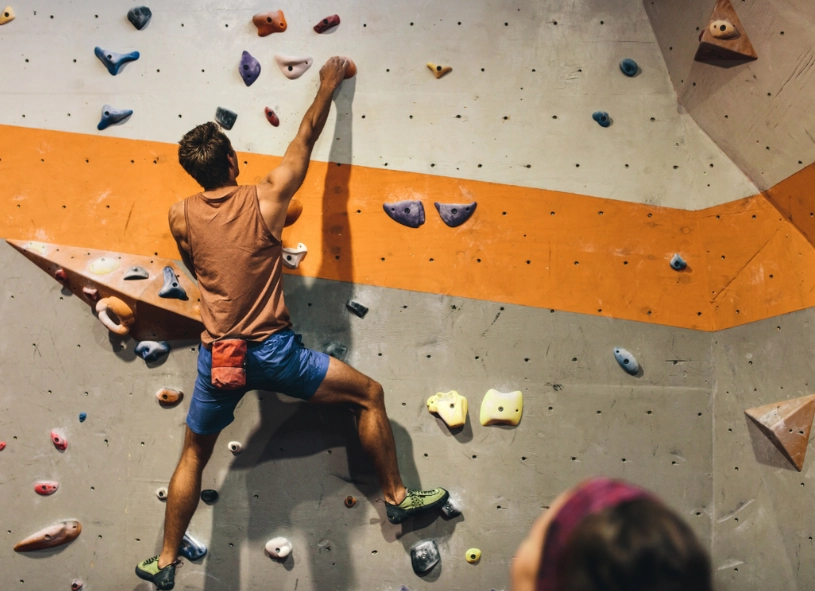
- Yosemite: Instead of just staring at Half Dome, spend a day bouldering in the Tuolumne Meadows area. The granite is world-class, and the altitude keeps it cooler. No guide needed for beginner problems.
- Great Smoky Mountains: Skip Cades Cove loop traffic. Go on a guided (or very careful) salamander spotting hike. This park is the salamander capital of the world.
- Acadia National Park: Everyone drives Park Loop Road. Rent a bike and ride the historic Carriage Roads at dawn. You'll have stone bridges and lake views all to yourself.
The Overnight Permit Game: For true solitude, you need to stay overnight. Permits for popular backcountry sites are competitive. Here’s a strategy table:
| Park (Example) | Popular Zone | Alternative Zone to Research | Permit Window & Source |
|---|---|---|---|
| Grand Canyon | Bright Angel Campground (Phantom Ranch) | Hermit Creek or Boucher Creek | Lottery 4 months in advance via NPS.gov |
| Rocky Mountain | Bear Lake Corridor | Wild Basin or the Mummy Range | First-come, first-served or advanced via Recreation.gov |
| Olympic | Seven Lakes Basin / High Divide | Grand Valley or the Elwha River Valley | Advanced reservation & walk-up via NPS.gov |
Always, always practice Leave No Trace principles. It's not just rules; it's the ethic that keeps these places wild for the next adventurer.
Into the Blue: Water-Based Adventures
Water changes everything. The pace slows, the perspective shifts.
Beginner-Friendly Multi-Day Kayak Trip: Look for protected marine trails or inland river systems with current assistance. The Florida Keys' Florida State Parks paddling trails between islands, or the 1000 Islands in New York/Canada offer campsites only accessible by water. You don't need to be an expert, just competent in rescues and weather assessment.
Cold Water Snorkeling: This is a hidden gem. Kelp forests in the Pacific Northwest (like off Vancouver Island) are as majestic as any coral reef. You'll need a thick wetsuit (7mm), but the experience of floating through towering kelp with sunrays filtering down, surrounded by rockfish and maybe an otter, is surreal. Check with local dive shops for conditions and guides.
Cold Weather & Winter Challenges
Winter isn't an off-season; it's a different season. The crowds vanish, and the landscape is transformed.
Snowshoeing to a Winter Cabin: Many mountain huts and cabins are open year-round. Hiking or snowshoeing in to spend a night in a cozy, wood-stove heated cabin while a storm blows outside is pure magic. Organizations like the Appalachian Mountain Club or 10th Mountain Division Hut Association manage networks of these.
Fat Biking on Frozen Lakes: If the ice is thick and safe (always verify with local authorities), riding a fat bike on a vast frozen lake is an exhilarating, otherworldly experience. The silence is profound. The Boundary Waters in Minnesota or Lake Champlain in Vermont offer potential routes. This is entirely weather-dependent, so have a flexible backup plan.
How to Plan Your Next Adventure (The Right Way)
Stop planning by just picking a destination. Start with these questions:
- What's my "why"? Solitude? Physical challenge? Learning a new skill? Family bonding?
- What's my real budget (time & money)? Be honest. A fantastic 3-day trip is better than a stressful, skimped-on 7-day trip.
- What's my group's lowest skill/comfort level? The trip pace is set by the slowest person. Plan for that.
Then, gather beta from sources beyond the first page of Google. Read trail forums (not just the star rating), check recent trip reports on sites like AllTrails or SummitPost, and call the local ranger station or outfitter. They know current trail conditions, water sources, and bear activity better than any blog.
Your Adventure Questions, Answered
How can I find outdoor adventure ideas that are suitable for a family with young kids?
Frame it as an expedition, not just a walk. Give kids a map (even a hand-drawn one) and a mission—"find five different shaped leaves," or "reach the big twisted tree." Choose destinations with a clear, rewarding payoff within a mile or two, like a waterfall, a pond with tadpoles, or a fire lookout tower. State parks are often better than national parks for this—they're less overwhelming and more geared toward accessible nature. Pack way more snacks than you think you need, and let them set the pace. Success is measured in muddy knees and curiosity, not miles hiked.
What are the best outdoor adventure ideas for someone on a very tight budget?
Adventure is notoriously cheap once you have basic gear. Focus on activities with near-zero cost of entry: hiking, trail running, swimming in wild places, bouldering, orienteering in a state forest. For gear, borrow first, then buy used from sites like REI Used Gear or local Facebook groups. The biggest budget killer is travel. So explore locally first. Do a deep dive on the county and state parks within a 90-minute drive—you'll find hidden canyons, quiet lakes, and empty trails you never knew existed. Camping is cheaper than hotels, and backcountry/dispersed camping is often free (with a permit).
I have a weekend free and want to try backpacking for the first time. Where do I even start?
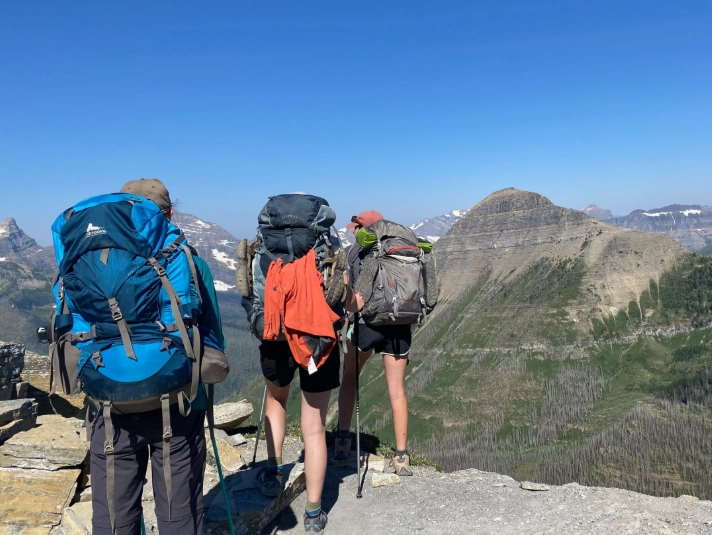
Rent your core gear (pack, tent, sleeping bag) from an outfitter or REI to test before you invest. For your first trip, pick a simple out-and-back trail to a designated backcountry site, no more than 3-5 miles in. This lets you hike in, set up camp with daylight to spare, and truly enjoy the evening without exhaustion. Practice setting up your tent at home first. Pack your bag, then take out 30% of the clothes you think you need. Your biggest challenges will be managing pack weight and comfort sleeping on the ground, not the hiking itself. Tell someone your detailed plan and check in when you're out.
How do I balance seeking adventure with being responsible and safe?
Safety isn't the opposite of adventure; it's what makes sustained adventure possible. The core tenets are: 1) Always file a trip plan with a trusted person—where you're going, when you'll be back, what you're driving. 2) Know how to navigate without a phone. Carry a physical map and compass and know how to use them. Phones die. 3) Check the weather obsessively right up until you leave, and be willing to cancel or turn around. The mountains don't care about your vacation days. 4) Build skills progressively. Don't attempt a Class 4 scramble or a multi-day river trip as your first outing. Take a course from a guiding organization like the AMC or a local climbing gym. Adventure is about managed risk, not eliminated risk.