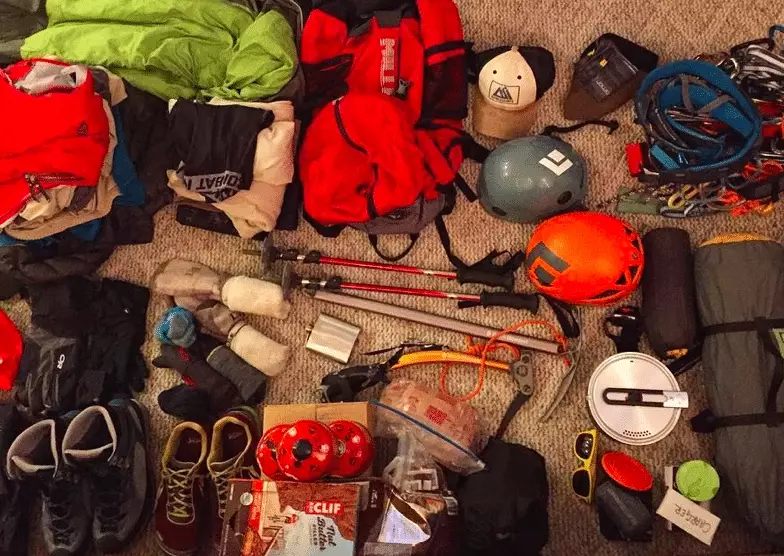
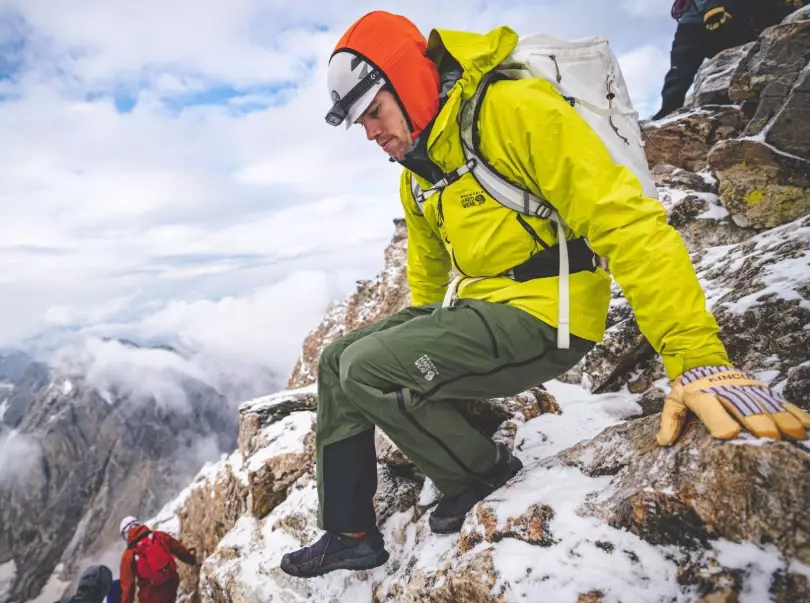
You've packed the tent, the sleeping bag, maybe even a fancy camp stove. But have you ever heard of the 7 C's of camping? It's not some trendy new acronym. For decades, seasoned guides, scout leaders, and survival instructors have used this framework as a mental checklist. It cuts through the noise of endless gear lists and gets to the heart of what you actually need to survive and thrive outdoors. Most online lists get it wrong, focusing only on gear. The real 7 C's are about principles, not just products. Mastering them is what separates a stressful, soggy weekend from a memorable adventure.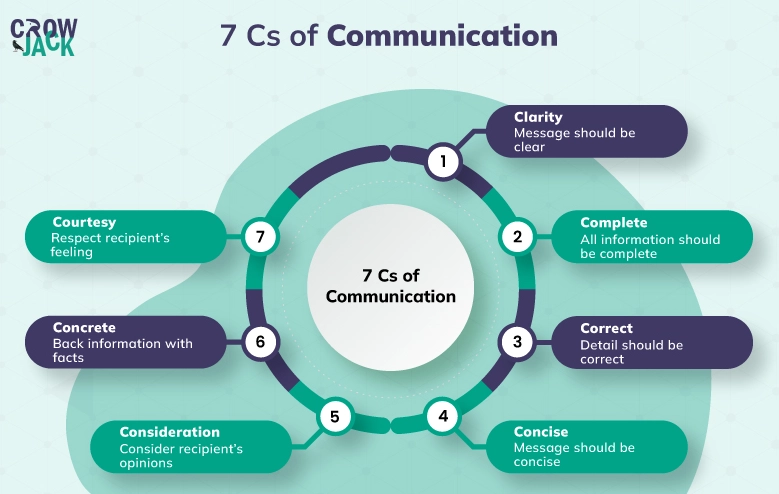
Your Quick Guide to the 7 C's
Let's break down each one. I've been guiding trips for over ten years, and I've seen the same mistakes trip up well-meaning campers. We'll go beyond the basics and into the nuances that make all the difference.
1. Cutting: More Than Just a Pocket Knife
A cutting tool is your primary manipulator of the environment. It's for processing wood, preparing food, making stakes, and handling emergencies. The common mistake? Bringing a knife that's either too delicate for batoning wood or too bulky for precise tasks.
What to Actually Bring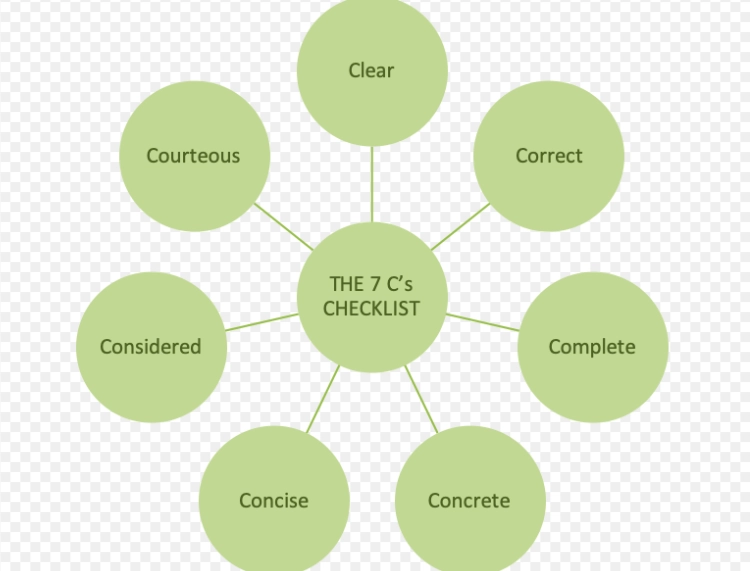
For most car camping and backpacking, I recommend a two-tool system:
A robust fixed-blade knife or a quality folding saw. The Sven Saw is a classic for a reason—it folds down, weighs little, and makes quick work of wrist-thick branches for your fire. A fixed-blade like a Morakniv Companion is cheap, nearly indestructible, and perfect for finer tasks.
A multi-tool. This is for everything else: opening cans, tightening a screw on your stove, pulling a splinter. The pliers are invaluable. Don't rely on a tiny keychain knife as your primary.
2. Combustion: Mastering the Fire Triangle
Fire provides heat, light, a way to cook, and a huge morale boost. Combustion means having multiple reliable ways to create a flame and the knowledge to sustain it. I've watched people with a brand-new ferro rod fail because they didn't prepare proper tinder.
Your Fire Kit
Pack at least three ignition sources in separate bags. Waterproof matches in a case, a butane lighter (store it in a pocket, not your pack, in cold weather), and a ferrocerium rod as a reliable backup. That's your start.
The real secret is in the tinder. Commercial fire starters are fine, but know natural options. Dry birch bark, fatwood, or even a cotton ball soaked in petroleum jelly are superb. Practice at home in your backyard before you're trying it in the rain.
Remember the triangle: heat (your lighter), fuel (tinder, kindling, wood), and oxygen (build your fire loose enough to breathe).
3. Cover: Shelter From the Storm
Cover is your protection from the elements: rain, wind, sun, and cold. It's your tent, tarp, hammock, or even the knowledge to build a debris hut. The error I see most? People buy a tent rated for "3 seasons" and don't realize that doesn't guarantee a thing about waterproofing or wind stability.
Your shelter system has layers:
The outer shell: Your tent's rainfly. Seam seal it. I don't care if the manufacturer says it's pre-sealed. Do it again. A small tube of sealant can save your trip.
The ground barrier: A footprint or ground tarp. It protects your tent floor from abrasion and moisture. Make sure it's slightly smaller than your tent's footprint, or it will channel rainwater underneath you.
Your personal insulation: That's your sleeping bag and pad. The pad is critical—it insulates you from the cold ground. An R-value of 3 or higher is good for three-season use. A bag rated to 20°F (comfort rating, not survival!) is a versatile choice.
4. Container: The Hydration Equation
You can't carry all the water you'll need. A container lets you collect, transport, and purify it. This means both storage vessels and a purification method.
For storage, I use a combination: a hard Nalgene bottle for camp (it's easy to pour from and can hold hot water as a heater), and soft, collapsible Platypus bags for carrying extra from the source.
For purification, have a primary and backup method.
Primary: A filter pump or a gravity filter system like the Katadyn or Sawyer. They remove bacteria and protozoa quickly.
Backup: Chemical treatment (iodine or chlorine dioxide tablets) or a UV purifier. Chemicals work against viruses too, which some filters don't catch. They're slow but reliable if your filter fails or freezes.
Always check regulations for your destination. Some areas, like the High Sierra, require specific methods to prevent the spread of aquatic invaders.
5. Cordage: The Backcountry Multitool
Paracord is the classic, but any strong, durable cord has a hundred uses. It's for setting up a tarp, replacing a broken shoelace, hanging a bear bag, securing gear, making a tourniquet, or building an emergency shelter.
Don't just bring a whole hank. Pre-cut a few lengths: two 15-foot pieces for a bear hang, a few 6-foot pieces for general use, and a 50-foot spool in your repair kit. Bank line (tarred twine) is also excellent—it's strong, doesn't stretch, and is naturally water-resistant.
A subtle but crucial skill: learn a few good knots. The bowline (creates a fixed loop), the trucker's hitch (for creating super-tight lines), and the prusik (for adjustable tension) will cover 95% of your needs.
6. Compass & Navigation: Don't Bet Your Phone
This "C" represents your ability to know where you are and how to get where you're going. Your phone's GPS is a fantastic tool, but it's not a plan. Batteries die. Phones break. Service vanishes.
Your non-negotiable kit: A detailed paper map of the area (in a waterproof case or bag) and a baseplate compass. Know how to use them together. Before you step on the trail, orient the map with the compass and identify a few landmarks.
Practice this skill on a familiar local trail. The goal isn't to become a surveyor but to build the confidence to triangulate your position if a trail junction is confusing or fog rolls in.
Download offline maps on your phone (Gaia GPS or OnX Backcountry are great), but treat that as your secondary, luxury tool. The map and compass are your bedrock.
7. First-Aid Kit & Comfort: The Mind and Body Saver
This final "C" is often called "First-Aid Kit," but I broaden it to "Comfort." It's about maintaining your physical and mental well-being. A basic first-aid kit is mandatory—not just a few band-aids, but supplies to handle blisters, cuts, sprains, allergies, and pain.
More importantly, it's about the small comforts that prevent problems and keep morale high. This is where personal experience really shapes your pack.
My non-first-aid "comfort" essentials: A small roll of leukotape (the best blister prevention/treatment ever), a dedicated repair kit (tenacious tape for gear, needle and thread, zip ties), a headlamp with extra batteries, lip balm, sunscreen, insect repellent, and a luxury item. For me, that's a small flask of good whiskey or a book. It makes a rainy evening in the tent something to enjoy, not just endure.
This principle reminds you that you're a human out there, not just a survival machine. Taking care of your comfort prevents small annoyances from becoming trip-ruining miseries.
 How do the 7 C's relate to Leave No Trace principles?