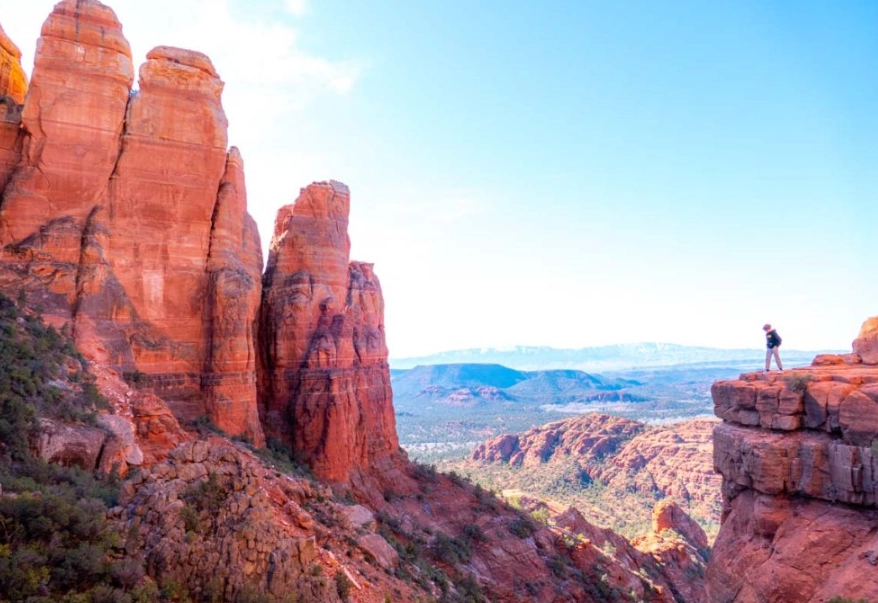
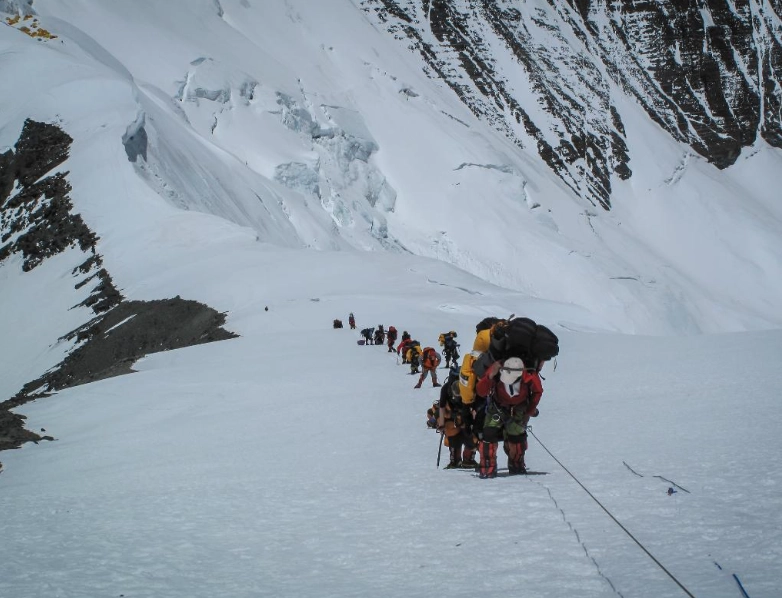
So you want to start hiking. Great choice. Forget the intimidating photos of people clinging to cliffs. Real hiking, the kind you start with, is about walking in nature, getting some fresh air, and maybe seeing a cool view. It's simple, but showing up unprepared can turn a fun afternoon into a miserable slog. I've guided enough first-timers to know the exact pitfalls. This guide cuts through the fluff and gives you the actionable, often-overlooked details to make your first hike a success, not a story of blisters and regret.
What You'll Learn in This Guide
How to Pick Your First Trail (The Right Way)
Your first hike shouldn't be a test of endurance. The goal is enjoyment, not survival. I see beginners make the same mistake: they pick a trail based on a stunning summit photo, ignoring the 2,000 feet of elevation gain to get there.
Distance and Elevation are King and Queen. For a true first-timer, look for a loop or out-and-back trail under 5 miles total, with less than 500 feet of elevation gain. An "easy" rating on apps like AllTrails is a good start, but read the recent comments. A trail labeled "easy" after a rainstorm can be a muddy slip-n-slide.
Here's a concrete way to think about it. Assume you walk about 2 miles per hour on flat pavement. On a gentle trail, cut that to 1.5 mph. Add 30 minutes for every 500 feet of uphill. So a 4-mile trail with 400 feet of gain might take you: (4 miles / 1.5 mph) + 30 mins = about 2 hours 40 minutes of moving time. Now add time for breaks, photos, and lunch. That's a solid half-day outing.
Consider logistics ruthlessly. How far is the drive? Is there a parking fee (bring cash just in case)? Does the trailhead have a real bathroom or just a pit toilet? These small things shape your experience more than you think. A 90-minute drive each way for a 2-hour hike might not be the best use of your first day.
The One Thing to Check Before You Go: Trail Conditions
This is the step 90% of beginners skip, and it's the difference between a good day and a turned-around, frustrated one. The night before your hike, go back to the trail page on AllTrails or the park's website. Read the 5 most recent reviews. People report washed-out bridges, overgrown paths, bug swarms, or snow patches. This isn't just advice; it's real-time safety intel.
I planned a spring hike once, assuming it was clear. The recent reviews mentioned a snowfield covering the trail for 50 feet. I brought microspikes, my friends in sneakers turned back. Check the conditions.
The Gear You Actually Need vs. What You Can Skip
You don't need $500 worth of gear. You need a few key items that prevent misery. Let's break down the non-negotiables.
Footwear is Your Foundation. You can get away with running shoes on a flat, well-graveled path. But for anything with rocks, roots, or mud, trail runners or hiking shoes are worth it. They have grippy soles (look for "Vibram" or deep lugs) and protect your feet from sharp rocks. Don't hike in brand-new boots. Blisters are the fastest way to hate hiking. Wear them around the house for a week first.
Here's a subtle mistake I see constantly: people tie their shoes too loosely for downhill. Your foot slides forward, jamming your toes. On steep descents, re-tie your laces tighter to lock your heel in the back of the shoe.
The Daypack & The Ten Essentials. A 20-liter backpack is perfect. What goes in it? We use the "Ten Essentials" system, updated for modern hiking. Don't memorize a list; understand the categories.
| Essential Category | What It Means for a Beginner's 3-Hour Hike | Why It Matters |
|---|---|---|
| Navigation | Phone with trail map downloaded (via AllTrails), plus a portable battery pack. A physical map as backup if you're remote. | Phone GPS works offline if the map is downloaded. Battery dies faster in cold or while searching for signal. |
| Headlamp | A small LED headlamp, even for a day hike. | Twisted ankle slows you down. Sunset comes fast in valleys. It's your get-home-safe insurance. |
| Sun Protection | Sunscreen, sunglasses, a hat. | Sunburn and glare are cumulative. You're outside longer than you think. |
| First Aid | A small kit with blister treatment (moleskin!), bandages, antiseptic wipes, pain reliever. | Blisters. Always blisters. Moleskin is a miracle worker. |
| Knife/Multi-tool | A simple pocket knife or small multi-tool. | Cutting moleskin, fixing a gear strap, opening food. |
| Fire | Waterproof matches or a lighter in a plastic bag. | Emergency warmth if you're stuck. Hope never to use it. |
| Shelter | A large orange trash bag or an emergency space blanket. | Windbreaker, rain poncho, or emergency shelter. Weighs nothing. |
| Extra Food | An extra protein bar or snack beyond what you plan to eat. | Energy dips, delays, or just needing a morale boost. |
| Extra Water | More than you think you need. 1 liter for every 2 hours is a minimum. | Dehydration causes fatigue and poor decisions. There are no water fountains. |
| Extra Clothes | A lightweight synthetic puffy jacket and a rain shell, packed even if the sky is blue. | Weather changes fast in mountains. Cotton kills (it stays wet and drains heat). |
Clothing: The Layer Cake Strategy
Forget the heavy coat. Dress in layers you can add or remove. A common misconception about the "base layer, insulation, shell" system is that each layer must be a dedicated, expensive piece. Not true for beginners.
Start with a synthetic t-shirt or light wool shirt (not cotton). Over that, a fleece or a lightweight down/synthetic puffy jacket. In your pack, a rain jacket or windbreaker as your outer shell. Hiking pants (quick-dry) or leggings are better than jeans, which become heavy and cold when wet.
On the Trail: Rules, Safety, and Trail Etiquette
Trails have unofficial rules. Following them keeps you safe and keeps the peace with other hikers.
The Right-of-Way. Uphill hikers have the right-of-way. They're in a rhythm, and stopping is harder for them. Step aside, give a nod. Bikers yield to hikers, and everyone yields to horses (step off the trail on the downhill side, speak calmly so you don't spook them).
Leave No Trace. It's not just a slogan. Pack out all your trash, including apple cores and banana peels. They don't decompose quickly and aren't native. Stay on the designated trail. Cutting switchbacks causes erosion. If you need to go to the bathroom, go at least 200 feet (70 big steps) from any water source, trail, or campsite. Dig a small cathole 6-8 inches deep.
Navigation: Don't Just Follow the Person in Front of You
At every trail junction, pause. Look for the trail marker (a blaze on a tree, a cairn/rock pile, a sign). Check your downloaded map. It's easy to blindly follow someone, only to realize they took a different fork. I've done it. It adds miles.
If you feel lost, STOP. Don't wander. Retrace your steps to the last known marker. If you're truly disoriented and told someone your plan, staying put near the trail is often the best move for searchers.
From Planning to Execution: Your First Hike Checklist
Let's make this concrete. Assume you're planning a hike for this Saturday.
2-3 Days Before:
- Choose your trail using the criteria above.
- Check the weather forecast for the trailhead location (weather in town can be different).
- Lay out all your gear. Charge your phone and battery pack.
- Download the trail map for offline use.
- Tell your contact person your plan.
The Night Before:
- Check recent trail conditions online.
- Pack your backpack: water (3 liters for a 4-mile hike), food (sandwich, snacks, extra bar), Ten Essentials.
- Set your clothes aside (synthetic layers, socks, hat).
- Fill a water bottle to put in the fridge so it's cold in the morning.
Morning Of:
- Eat a decent breakfast (oatmeal, eggs).
- Lather on sunscreen.
- Load your backpack in the car. Don't forget the headlamp!
- Text your contact: "Headed out now. ETA back 4 pm."
At the Trailhead:
- Use the bathroom. There might not be another.
- Take a photo of the trail map sign.
- Do a final gear check. Tie your shoes well.
- Start slow. The first 10 minutes are for warming up, not setting a pace.
Answers to Questions You're Afraid to Ask
 I'm slow and get passed a lot. Is that okay?
The trail is there waiting. It doesn't care about your fitness level or gear brand. It just asks for a little preparation and respect. Start small, pack the essentials, tell a friend, and go see what's around that first bend. You've got this.