Let's cut to the chase. You're looking at that trailhead, wondering if the effort is worth it for your waistline. The short, evidence-backed answer is yes, hiking can be a powerful tool for losing belly fat. But it's not a magic wand you wave on a flat, paved path for 20 minutes. The real story is in the how—the specific type of hiking, the consistency, and what you do off the trail. I've seen too many people hit the local park loop for months with minimal change, then transform their results with a few key adjustments. This isn't just about burning calories; it's about targeting stubborn visceral fat and rewiring your metabolism for the long haul.
What You'll Discover
The Science Behind Hiking and Fat Loss
Belly fat, especially the deep visceral kind that wraps around your organs, is metabolically active and stubborn. To tackle it, you need an activity that does two things well: creates a significant calorie deficit and improves insulin sensitivity. Hiking, particularly on varied terrain, checks both boxes in a way that jogging on pavement often doesn't.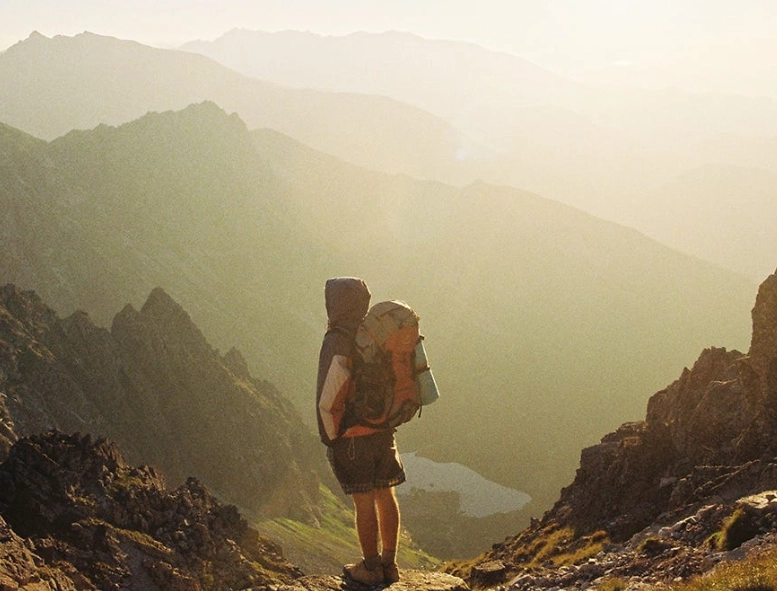
When you hike uphill or over uneven ground, your body recruits more muscle fibers—glutes, quads, calves, core stabilizers—than during steady-state running. This increased muscle engagement leads to a higher Excess Post-exercise Oxygen Consumption (EPOC), sometimes called the "afterburn" effect. A study published in the Journal of Strength and Conditioning Research found that interval-style exercise (which mimics hiking with elevation changes) elevated metabolism for hours longer than steady-paced work. You're not just burning 300 calories on the trail; you're priming your body to burn more while you're at your desk later.
Key Insight: The magic isn't just in the step count. It's in the elevation gain. A 5-mile hike with 1,500 feet of climbing torches far more fat and builds more metabolism-revving muscle than a 5-mile flat walk.
Furthermore, regular hiking lowers cortisol levels (the stress hormone linked to belly fat storage) and improves how your body uses insulin. When your insulin sensitivity is better, you're less likely to store excess calories as abdominal fat. It's a full-system reset, not just a leg workout.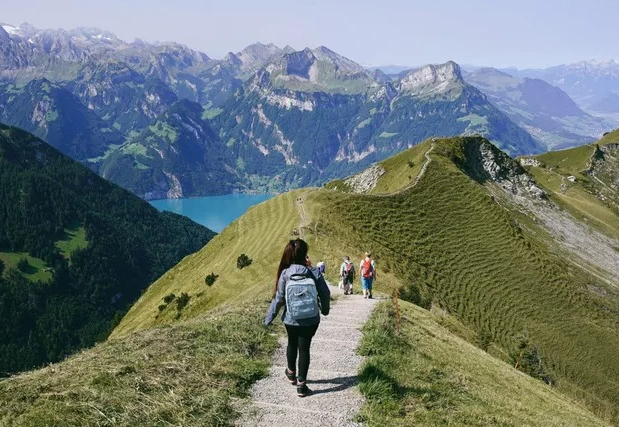
What Type of Hiking Burns the Most Belly Fat?
Not all hikes are created equal for fat loss. If your goal is specifically reducing abdominal fat, you need to be strategic. Here’s a breakdown of effectiveness:
| Type of Hike | Terrain & Pace | Why It Works for Belly Fat | Weekly Target |
|---|---|---|---|
| High-Intensity Hill Repeats | Steep, sustained incline. Hard effort for 2-5 min, recover on descent. | Maximizes EPOC, spikes growth hormone (a fat-burner), builds leg muscle fast. | 1 session (30-45 min) |
| Long, Steady Mountain Trek | Moderate but continuous climb over 2+ hours. | Taps into fat stores as primary fuel, massively increases total calorie burn, reduces stress. | 1 session (The weekend "main event") |
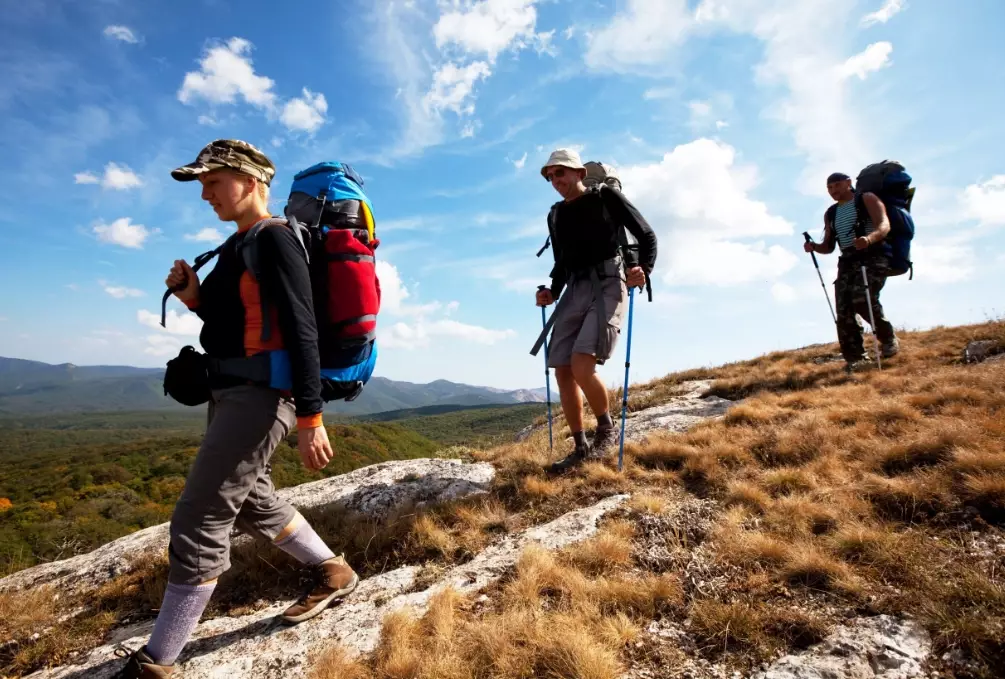
| Uneven Trail & Scrambling | Rocky, root-filled paths requiring balance. | Engages core and stabilizer muscles constantly, turning hike into a full-body workout. | 1-2 sessions |
| Flat, Leisurely Nature Walk | Paved or smooth dirt path, conversational pace. | Great for recovery, mental health, and general activity. Minimal direct fat-burning impact. | As desired for active recovery |
My personal turning point came when I switched from daily flat walks to committing to one big, leg-burning mountain hike every weekend, supplemented by one shorter, steeper hill session mid-week. The change in my body composition over eight weeks was more dramatic than years of casual walking.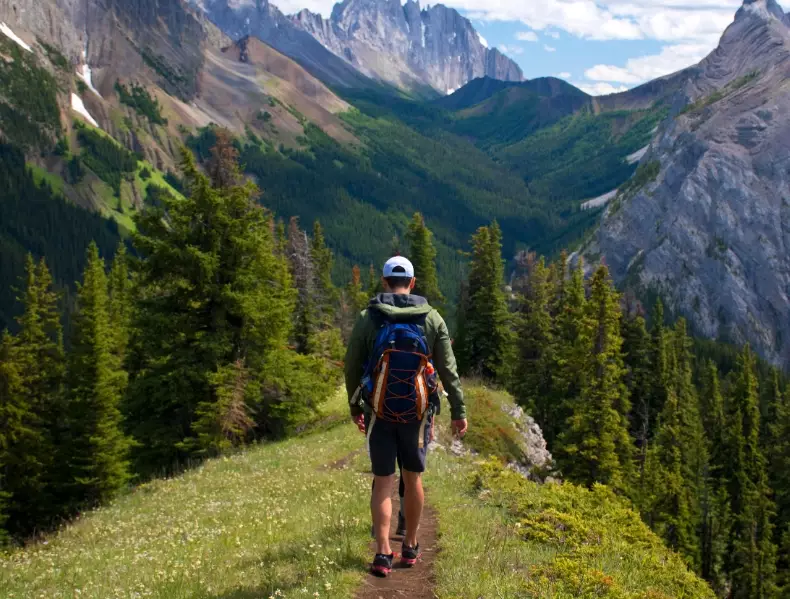
The Gear That Actually Matters (And What Doesn't)
You don't need $500 boots to start. But a common mistake is wearing old running shoes on a rocky trail—you'll instinctively move slower and less confidently, reducing your effort and calorie burn. A decent pair of trail-running shoes with good grip will let you power up hills and navigate descents safely, increasing your workout intensity. Carry water, not a sugary sports drink. The goal is fat adaptation, not carb replenishment on a 90-minute hike.
Your 4-Week Practical Hiking Plan for Fat Loss
This plan assumes you can hike 3 times a week. It progressively overloads intensity and duration to keep your body adapting and burning fat.
Week 1-2: Foundation & Consistency
Focus on finding local trails with hills. Don't worry about speed.
- Session A (Mid-week): 40 minutes total. Find a short, steep hill. Hike hard up for 3 minutes, walk down to recover. Repeat 5 times.
- Session B (Mid-week): 60 minutes on a rolling trail. Keep moving, but pace should allow short sentences.
- Session C (Weekend): 90-minute hike with at least 800 ft of total elevation gain. Take breaks as needed.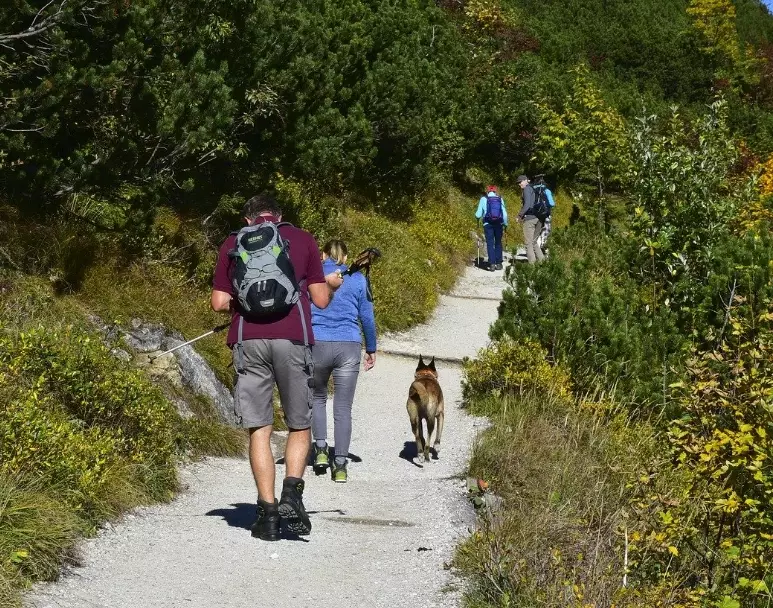
Week 3-4: Intensity & Duration
Now we push the engine a bit harder.
- Session A: Hill repeats extended to 8 rounds. Try to maintain or slightly improve your pace on the last few.
- Session B: 75 minutes on a technically challenging trail (more rocks/roots). Focus on engaging your core over obstacles.
- Session C: 2+ hour hike aiming for 1,200+ ft of elevation. This is where the major fat-burning happens. Pack a protein-rich snack (like a handful of nuts) for the halfway point.
The Non-Negotiable Off-Trail Factor: You cannot out-hike a poor diet. The single biggest mistake is rewarding a 500-calorie hike with a 700-calorie burger and beer. Hiking will increase your appetite. Plan for it. Focus on lean protein, vegetables, and healthy fats in your meals. This controls insulin and supports the muscle you're building, which is your new fat-burning machinery.
The 3 Most Common Mistakes That Stall Progress
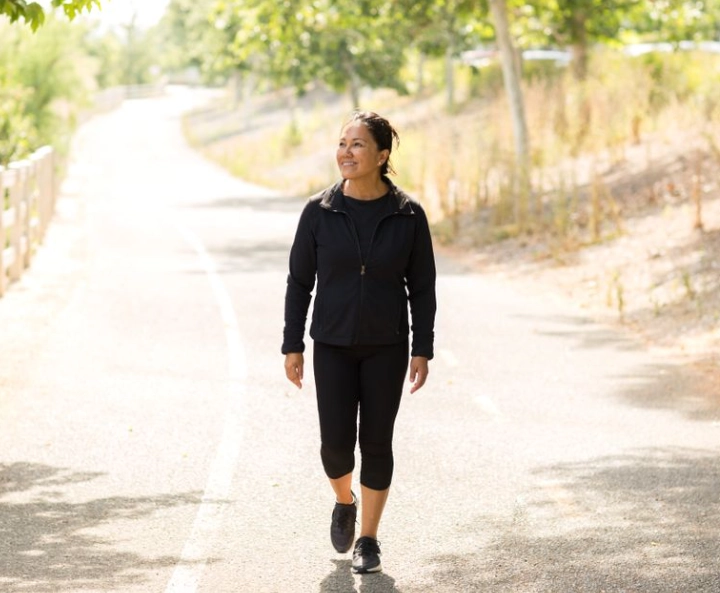
- Sticking to the Same Flat Route. Your body adapts. If you can comfortably chat the whole time, your belly fat won't feel challenged. Introduce hills or increase distance by 10% each week.
- Ignoring the Power of the Pack. Carrying a loaded backpack (10-15% of your body weight) on your longer hikes significantly increases calorie burn and muscle engagement. Start light and add weight gradually.
- Neglecting Recovery and Sleep. Belly fat loss happens when you recover. Skimping on sleep elevates cortisol and ghrelin (the hunger hormone), directly undermining your trail efforts. Prioritize 7-8 hours.
I learned #2 the hard way. I plateaued for months until I started adding a light pack with water, food, and a jacket. The difference in my heart rate and post-hike fatigue (the good kind) was immediate.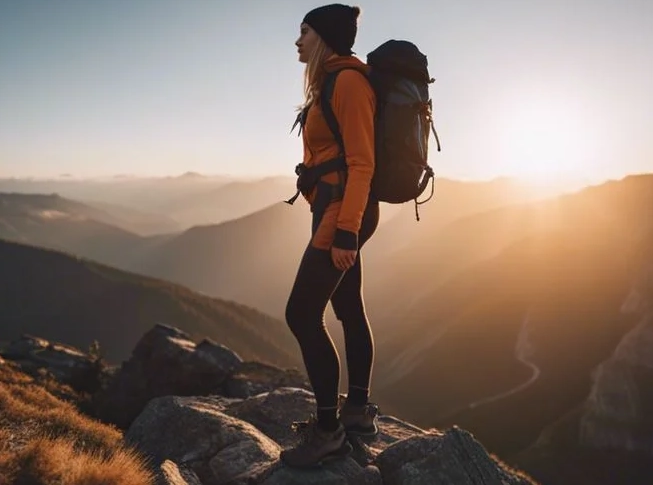
Your Hiking for Belly Fat Loss Questions, Answered
I hike 3 times a week but my stomach isn't changing. What am I missing?
This usually points to an intensity or diet gap. First, check your routes: are they genuinely challenging with real elevation gain, or just pleasant walks? Second, track your food honestly for three days. Hiking increases appetite, and it's easy to eat back the deficit. Finally, consider adding one session of full-body strength training (squats, push-ups, rows) per week. More muscle everywhere means a higher resting metabolism.
Is it better to hike fast or hike longer for fat loss?
For pure belly fat targeting, prioritize duration with moderate intensity for your longest weekly hike. A 2.5-hour trek at a steady pace will mobilize more stored fat as fuel than a frantic, gasping 45-minute sprint. However, incorporate shorter, faster hill sessions to boost your metabolism and fitness. The combination is unbeatable.
Can I just hike or do I need to do other exercises?
You can see great results from hiking alone, especially if your routes are varied and challenging. But adding two 30-minute full-body strength sessions per week will accelerate results dramatically. Muscle is metabolically expensive tissue. Building more of it through resistance training makes every hike more effective and ensures you're losing fat, not muscle.
How soon will I see results from hiking for belly fat?
If you combine challenging hikes (like the plan above) with mindful eating, you may feel looser clothing in 4-6 weeks. Visible changes often take 8-12 weeks of consistent effort. The scale might not move much initially as you build muscle (which is denser than fat), so rely more on how your clothes fit and progress photos.
The trail is one of the most sustainable, enjoyable, and effective tools for losing belly fat. It's not a quick fix, but a long-term practice that builds a stronger, leaner body while clearing your head. Stop wondering if it works. Find a hill, and start climbing.