Let's cut to the chase. The mountain doesn't care about your summit photo. It's a complex, dynamic environment where small mistakes compound into big problems. Over the years, guiding and climbing on everything from the Rockies to the Alps, I've seen the same safety principles ignored, often by people who should know better. This isn't a scare tactic. It's the reality of managing risk where help is hours or days away.
What's Inside This Guide
Fitness and Meticulous Planning
Most accidents happen on the descent, when fatigue has set in. Your fitness plan shouldn't just get you to the top; it should leave you with enough in the tank to get down safely after things have gone wrong.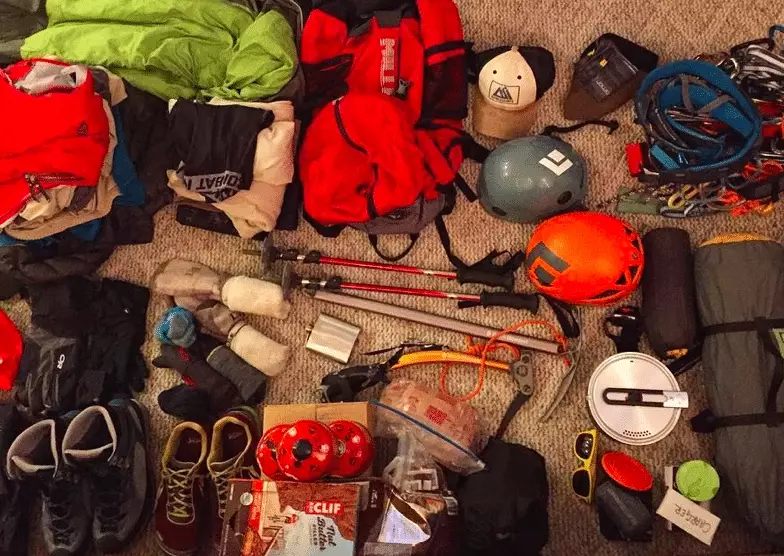
1. Train Specifically, Not Just Generally
Running a 10k is great, but mountaineering demands loaded hiking. Your training must mimic the activity: carry a heavy pack (20-25kg) up steep, uneven terrain. Focus on leg strength and endurance (squats, lunges) and core stability. A weak core leads to poor balance and a higher risk of falls when you're tired. I've watched climbers with great cardio falter because their stabilizer muscles gave out on a scree slope.
2. Plan for the Worst-Case, Not the Best-Case
Your itinerary should include turnaround times no matter what. A common error is planning a 10-hour day but only bringing 8 hours of food and fuel. What if you get off route? What if weather moves in? Your plan must have buffers. Study your route on multiple sources—not just one popular app. Cross-reference with guidebooks and, if possible, recent trip reports from sources like the American Alpine Club's Accidents in North American Mountaineering publication. Know where the common bail-out points are before you leave the trailhead.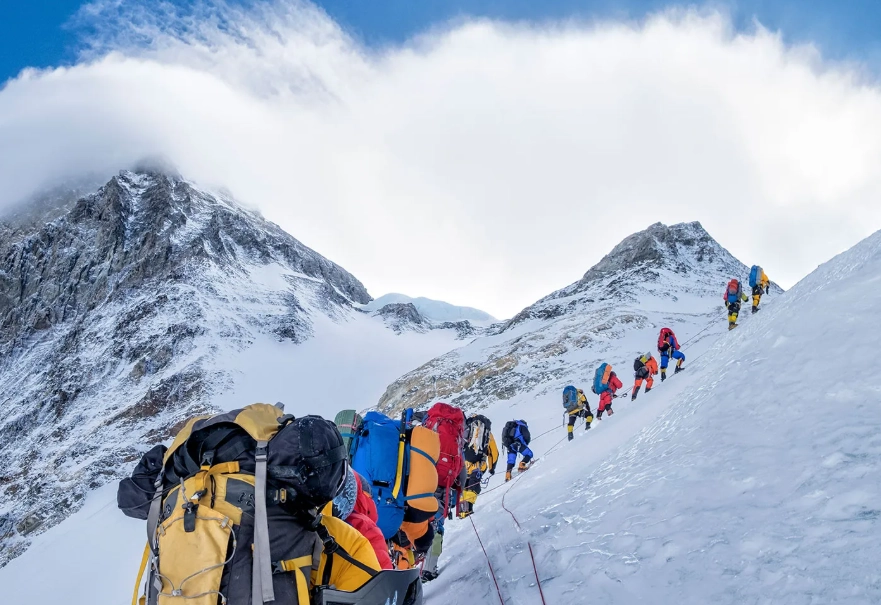
The Non-Consensus View: People obsess over the weight of their pack but then skimp on the emergency bivy gear that adds 300 grams. That ultralight ethos has its place, but not at the expense of safety margins. Carry the extra fuel tablet, the thicker socks, the larger emergency blanket. You won't regret the weight when you need it.
Gear: Your Second Skin
Gear failure is rarely sudden. It's usually a gradual process of wear, neglect, or improper use that culminates at the worst possible moment.
3. Inspect Everything, Every Time
This goes beyond a quick glance. Run the rope through your hands feeling for cuts, soft spots, or sheath slippage. Check harness webbing for abrasion, especially at the leg loops and tie-in points. Examine helmet shells for cracks. Look at boot soles for separation. Test your headlamp on its brightest setting. A pre-climb gear check should be a ritual, like a pilot's pre-flight checklist. I once found a critical carabiner gate that was intermittently sticking—a failure that would have been catastrophic in a fall.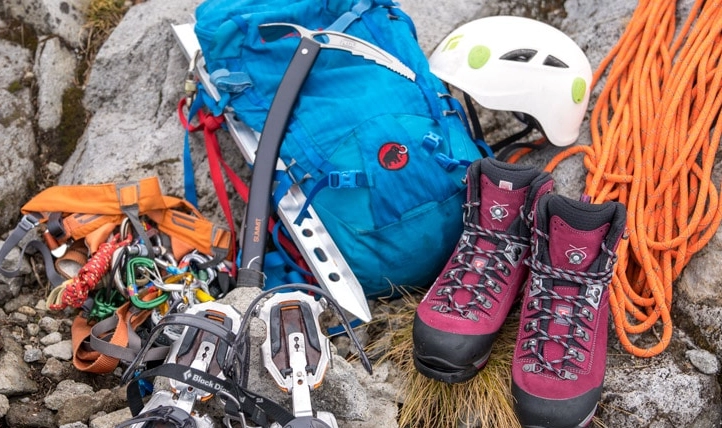
4. Master the Layering System Before You Go
The classic three-layer system (base, insulating, shell) is gospel for a reason, but most people get the execution wrong. Your base layer must wick sweat efficiently (merino wool or synthetic). Your insulation (like a puffy jacket) must be adequate for stationary periods in the forecasted cold. Your shell must be truly waterproof and breathable (Gore-Tex or equivalent). The subtle mistake? Not having rapid-access layers. You should be able to add a warm hat and gloves or vent your jacket without stopping your team. Practice layering up and down during training hikes.
5. The Ten Essentials Are a Minimum, Not a Goal
The classic list (navigation, headlamp, sun protection, first aid, knife, fire starter, shelter, extra food, extra water, extra clothes) is the absolute bare minimum. Modernize it. Navigation means a physical map and compass and a charged GPS device/battery pack. Your shelter should be a dedicated emergency bivy sack, not just a space blanket. Your first aid kit needs to address the specific issues of mountaineering: blister care, splinting materials, and medications for altitude sickness and pain.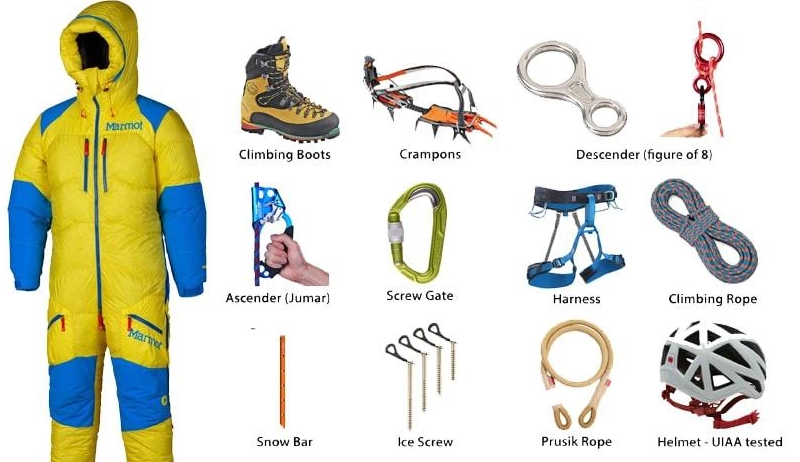
Reading the Mountain's Mood
The environment is the boss. You're just visiting.
6. Weather Dictates Everything
Checking the summit forecast isn't enough. You need to understand the trend. Use reliable, mountain-specific weather services (like NOAA's mountain forecasts or regional avalanche centers). Learn to read the sky: lenticular clouds mean high winds aloft; a sudden drop in temperature can signal an approaching front. The rule is simple: if the weather is deteriorating, turn around. No summit is worth a storm fight. I've turned back 300 meters from a summit because of building clouds that others ignored. They spent the next 12 hours in a whiteout.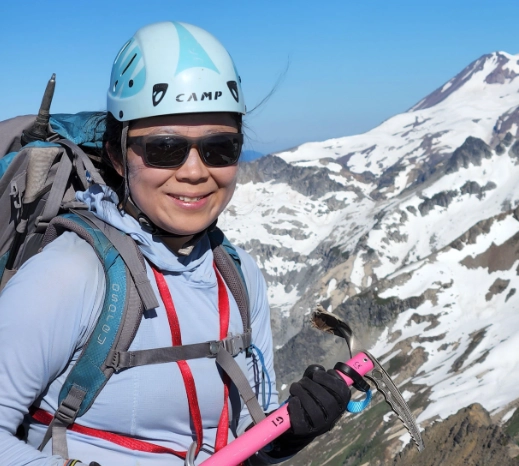
7. Acclimatize Aggressively, Not Passively
Altitude sickness is a physiological reality, not a sign of weakness. The standard advice is "climb high, sleep low." But be aggressive about it. If you have time, spend multiple nights at intermediate altitudes. Hydrate relentlessly (see FAQ). Know the symptoms of AMS (headache, nausea, fatigue), HAPE (breathlessness at rest, coughing), and HACE (confusion, loss of coordination). Carry medications like Diamox (acetazolamide) and know how to use them, but remember: the only real cure for severe altitude illness is immediate descent. Pushing through a worsening headache is a recipe for disaster.
8. Nutrition and Hydration Are Performance Factors
At altitude, your appetite and thirst mechanisms are unreliable. You must force yourself to eat and drink on a schedule. Eat small, calorie-dense snacks every 45-60 minutes. Focus on a mix of simple and complex carbs, with some fat and protein. Dehydration severely increases your risk of frostbite and altitude sickness. A hydration bladder with an insulated tube is superior to water bottles in cold environments, as it encourages constant sipping. If your urine is dark yellow, you're already behind.
The Human Factor: Team and Decisions
This is where most accidents are born: in group dynamics and flawed judgment.
9. Communicate Constantly and Have a Turnaround Plan
Establish clear communication protocols before you start. How will you signal a stop? Who makes the call to turn around? The "turnaround time" is sacred. It is a pre-determined, objective point (e.g., 1:00 PM) at which you head down, regardless of how close you are to the summit. Summit fever is real and deadly. The person who is most tired or anxious often has the clearest view of the risk—listen to them. A unified, conservative team is safer than a group of individuals pushing their personal limits.
10. Know Basic Rescue and Emergency Signaling
Can you perform a simple rope rescue to haul a partner out of a crevasse? Do you know how to make an emergency splint? Everyone in the party should know the basics of first aid and rescue. Crucially, know how to signal for help. Carry a fully charged satellite communicator (like a Garmin inReach or SPOT) and know how to send a pre-programmed "OK" message as well as an SOS. Have a physical signal mirror and whistle. The universal distress signal is three of anything: three whistle blasts, three flashes of light, three waves.
These ten reminders aren't just a list. They're a mindset. It's the practice of humility in the face of a powerful environment. The goal isn't just to come back alive, but to come back with a desire to go out again, having managed the risks intelligently and respectfully.