What’s Inside This Guide?
Let's cut to the chase. If you're tying into a rope for rock climbing, there's one knot you absolutely must know inside and out: the Figure 8 Follow Through. It's not the fastest knot to tie. It's not the most elegant. But for connecting your harness to the climbing rope, it's the most reliable, inspectable, and trusted knot in the game. I've seen more botched knots than I can count in over a decade of climbing and instructing, and 90% of the problems vanish when people truly master the Figure 8. This guide isn't just a repeat of the manual. We're going deep into the why, the how, and the "oh, that's why my knot looks weird" details that most gloss over.
Why the Figure 8 is the Climber's Gold Standard
Why has this knot become the default? It boils down to three non-negotiable features in a life-or-death system: security, simplicity of inspection, and a predictable failure mode.
Security Under Load: The Figure 8 is a "jamming" knot. When force is applied, it tightens on itself. It doesn't slip. Organizations like the American Mountain Guides Association (AMGA) mandate its use for client tie-ins because of this proven track record. Unlike a bowline, which can shake loose if not backed up, a properly dressed and tightened Figure 8 stays put.
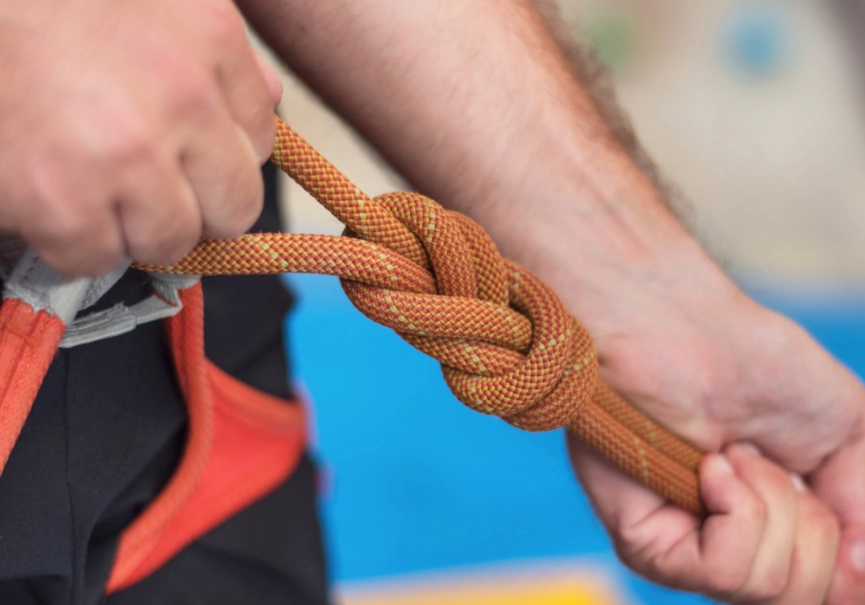
Ease of Inspection: This is huge, especially at crowded crags. A correct Figure 8 Follow Through has a very distinct, symmetrical "8" shape. From five feet away, your partner can shout, "Yep, I see the eight!" That clear visual pattern is a lifesaver. A mis-tied knot usually looks obviously wrong—the pattern is broken.
Predictable Failure Mode: In catastrophic lab testing (like that done by the International Climbing and Mountaineering Federation (UIAA)), an overloaded Figure 8 typically doesn't untie. It distorts and jams further, often requiring to be cut off the harness. This is what you want—a knot that fails last, after the rope itself.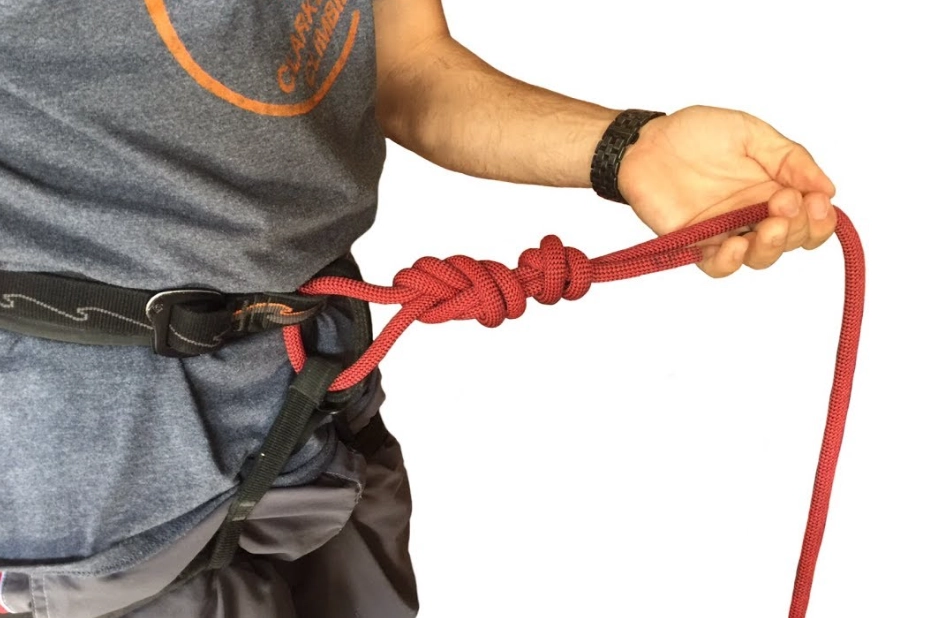
How Do You Tie a Perfect Figure 8 Follow Through?
Let's walk through it step-by-step. Grab a piece of cord and follow along. Muscle memory is key.
The Initial Stopper Knot
Start about an arm's length from the end of the rope. Make a loop. Then, pass the tail end over, then under the standing part to form a pretzel-like "8". This is the basic Figure 8 stopper knot. Pull it tight. This is the template.
Now, take the tail end and pass it through your harness tie-in points from the front, through both the leg loop and waist loop hard points. There's debate here, but going through both is the undisputed safest, most standard practice.
Following Through
This is the "Follow Through" part. Take the tail and retrace the path of the original stopper knot you made. Go over, under, around—exactly parallel to the first knot's strands. This is critical. You're creating a double, mirrored structure.
Go slow. Make sure the two strands lie neatly side-by-side without crossing over each other incorrectly.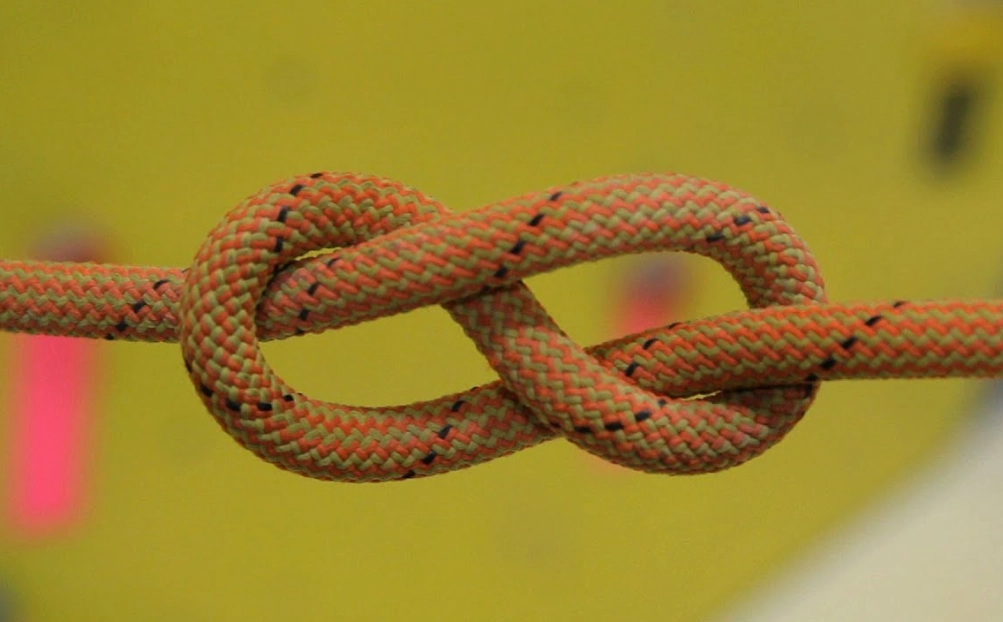
Dressing and Tightening
Here's where most people mess up. Dressing means arranging all the strands so they run parallel and the knot's shape is perfect. Pull on each loop and strand individually to remove slack within the knot itself.
Then, tighten. Pull hard on the standing end (the rope going up to your belayer) and the tail end simultaneously. The knot should cinch down firmly against your harness loops. You should see a clean, distinct "8".
Finally, leave a tail of at least 6 inches (15 cm). Tie a simple overhand backup knot snug against the main Figure 8 if your tail is exceptionally long or for added peace of mind (though a properly tightened Figure 8 doesn't strictly need it).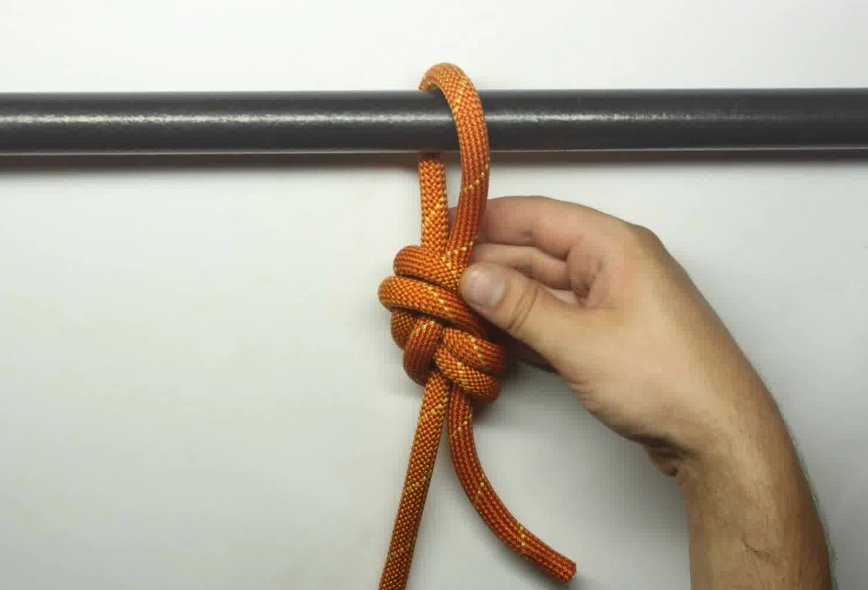
What Are the Most Common Figure 8 Knot Mistakes?
I've corrected these countless times at the crag. Avoid these like a loose hold.
The "Bunny Ears" or In-Line Figure 8: This is a different, useful knot for equalizing anchors, but it is NOT for tying in. It's created by making two loops first. If your tie-in knot has two loops coming out the top before going into your harness, you've tied the wrong one. It's not redundant and is dangerously weaker for a personal tie-in.
Insufficient Tail: A tail shorter than your fist-width is a red flag. Under cyclical loading (like a leader fall), knots can loosen slightly. A short tail can pull through. Six inches is the bare minimum.
Poor Dressing (The "Mangled 8"): Strands are crossed, the knot is loose and baggy. This weakens the knot and makes it hard to inspect. A loose knot can also shift and capsize under odd loads. Take the 30 seconds to dress it properly.
The Backwards Follow-Through: When retracing, you go the wrong way around a strand, breaking the parallel structure. The knot might still hold, but it looks wrong and loses its predictable integrity. The "8" shape will be distorted.
Not Re-Tightening After a Fall or Weighting: A new knot is tight. After your first fall or even just hanging on it, it settles. Before your next climb, pull the rope through the harness to re-tighten the knot against the loops. Many forget this.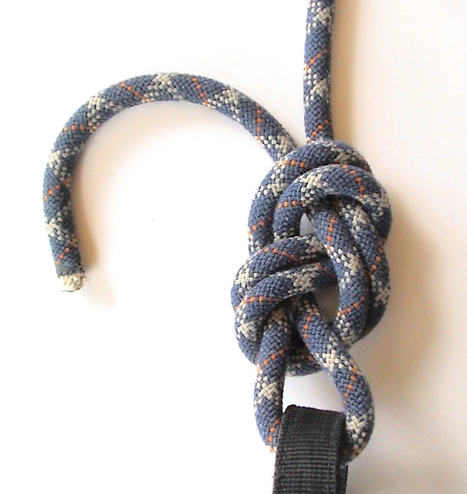
Figure 8 vs. Other Climbing Knots: A Quick Comparison
Why not use a Bowline or a Double Fisherman's? Here’s the breakdown.
| Knot | Primary Use | Pros | Cons for Personal Tie-In |
|---|---|---|---|
| Figure 8 Follow Through | Standard climber tie-in | Extremely secure, easy to inspect, jams when loaded. | Can be hard to untie after heavy loading, uses more rope. |
| Bowline with Backup | Sailing, sometimes climbing | Easy to untie after loading. | Can shake loose if not backed up (Yosemite finish). Harder to visually verify it's tied correctly. |
| Double Fisherman's | Joining two ropes (rappels), making cordelettes | Very secure for joining ends. | NEVER for tying into a harness. It's a bend, not a loop. |
| Figure 9 (or 8 on a Bight) | Anchors, clipping into a master point | Quick to tie a loop in the middle of a rope. | Not designed for the dynamic, multi-directional loads of a leader tie-in. |
The table makes it clear. For the critical job of attaching you to the rope, the Figure 8's cons (being tight to untie) are trivial compared to its life-saving pros.
Pro Tips and Advanced Considerations
Once you've got the basics, these nuances matter.
Which Way Should the Tail Point? There's a minor efficiency argument for having the tail exit the knot on the same side as your brake hand (usually the right). When lowering or rappelling, the rope runs smoother. But honestly, a correctly tied knot with a good tail is safe either way. Consistency helps with inspection.
To Backup or Not to Backup? The UIAA states a properly dressed and tightened Figure 8 Follow Through does not need a backup knot. The tail is sufficient. However, many guides and seasoned climbers (myself included) add an overhand backup when:
- Working with beginners.
- The tail is on the shorter side of acceptable.
- It just makes you feel better. Psychology is part of safety.
It doesn't hurt. Just don't let the backup knot give you a false sense of security about a poorly tied main knot.
Untying a Stubborn Knot: After multiple falls, your Figure 8 can become a solid mass. Don't just pick at it. Push the two parallel strands on the "neck" of the knot (the part closest to the harness) towards each other. This loosens the jam. Alternately, step on the knot and pull the standing end upwards.
Remember, the difficulty of untying is a feature, not a bug. It means the knot did its job of jamming under load.