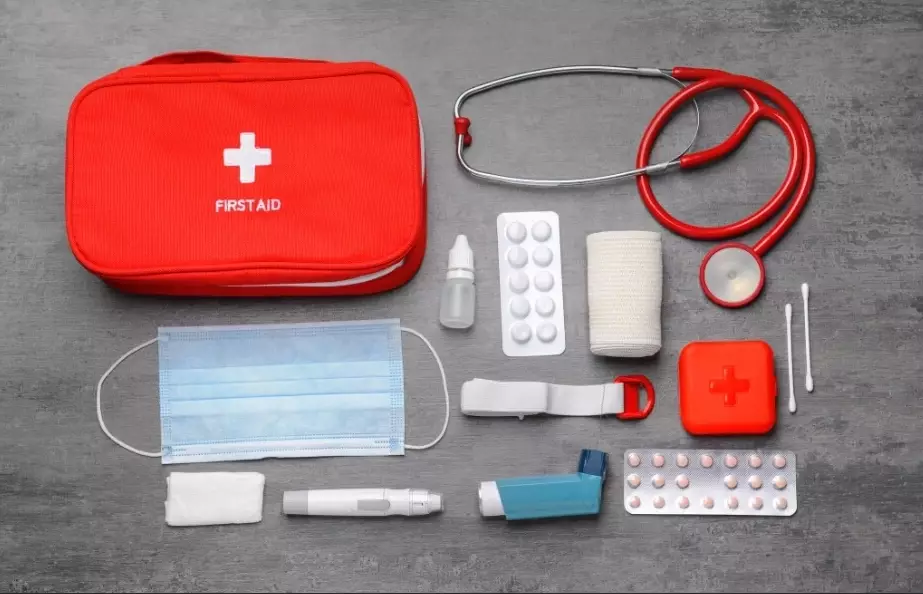
Let's be honest: most of us have that dusty plastic box under the bathroom sink labeled ‘First Aid’. It probably contains a few ancient band-aids, some dried-out antiseptic wipes, and maybe a roll of gauze from another decade. We assume it's enough until a real cut, burn, or sprain happens, and we're frantically searching for supplies that work. A proper first aid kit for home isn't about checking a box for preparedness; it's about having functional, organized tools that you can actually use in a stressful moment. After helping friends and family through everything from kitchen burns to bad falls, I've learned that what's in the kit matters just as much as how you think about it. This guide will walk you through building a kit that's tailored, practical, and ready when you need it most.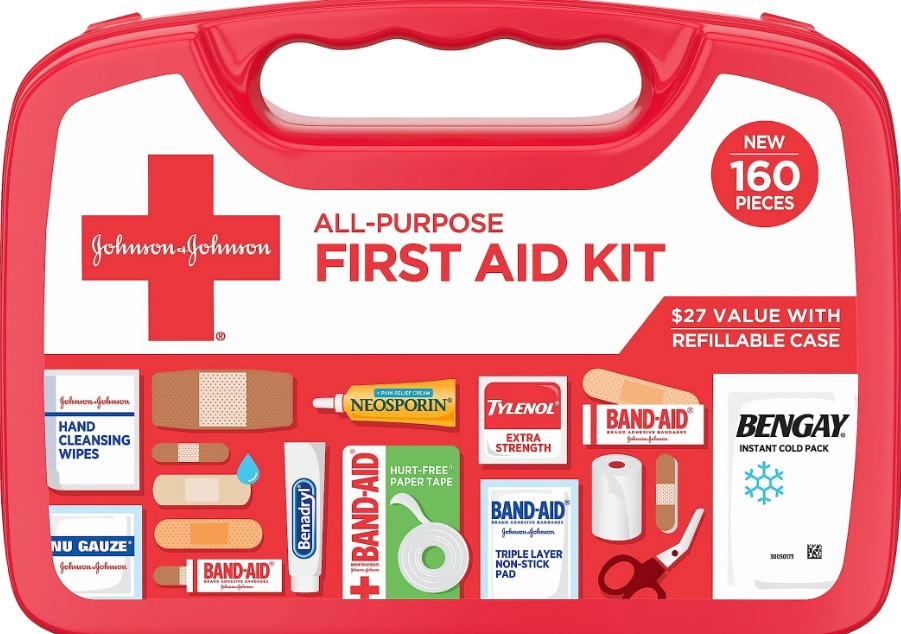
What You'll Find in This Guide
- Why a Stocked First Aid Kit is Non-Negotiable
- What Should Be in Your Home First Aid Kit?
- How to Organize Your First Aid Kit for Quick Access
- Common First Aid Kit Mistakes (And How to Fix Them)
- How to Maintain Your Kit So It Doesn't Fail You
- Beyond Basics: Specialty Items for Your Family's Needs
- Your First Aid Kit Questions, Answered
Why a Stocked First Aid Kit is Non-Negotiable
Think about the last minor injury in your home. A paper cut while opening mail? A kid scraping a knee? Now imagine something more serious—a deep cut from a kitchen knife, a grease burn, a twisted ankle on the stairs. In those first few minutes, having the right supplies within reach can control bleeding, prevent infection, and manage pain before you can decide if a doctor is needed. The goal isn't to replace professional medical care but to bridge the gap between the incident and getting that care. A well-prepared kit reduces panic. You're not scrambling; you're responding. According to preparedness guidelines from sources like the American Red Cross, basic first aid is a cornerstone of household safety. It's not just for the wilderness; it's for daily life where most accidents actually happen.
What Should Be in Your Home First Aid Kit?
Pre-assembled kits from the store are a starting point, but they're often generic and lack enough of the critical items. Building your own ensures you have quality supplies you know how to use. Here’s a breakdown of the essentials, categorized for clarity. I recommend using a durable, water-resistant container with a handle. A tool box or a dedicated plastic bin with dividers works much better than a flimsy pouch.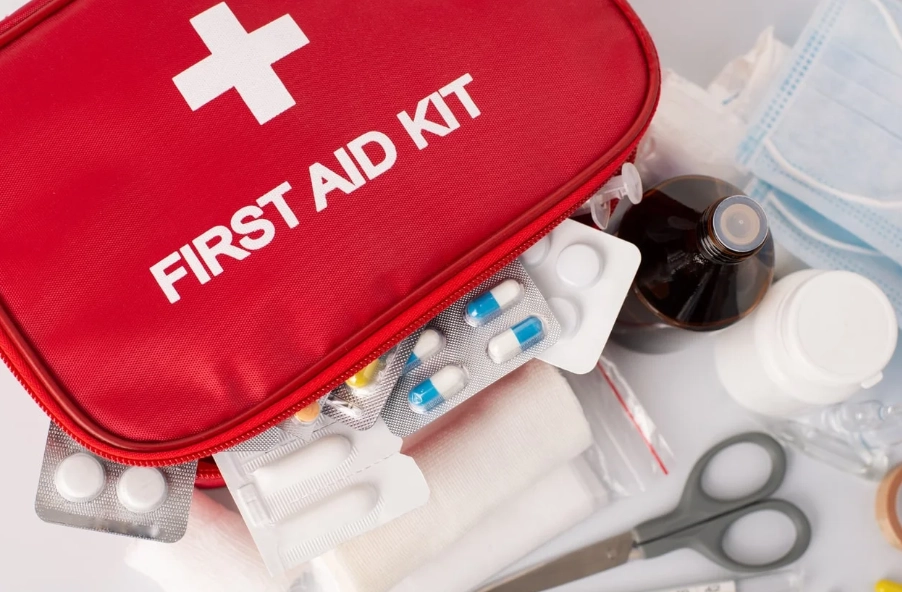
The Core Item Checklist
| Item Category | Specific Items & Quantities | Key Details & Why It's Important |
|---|---|---|
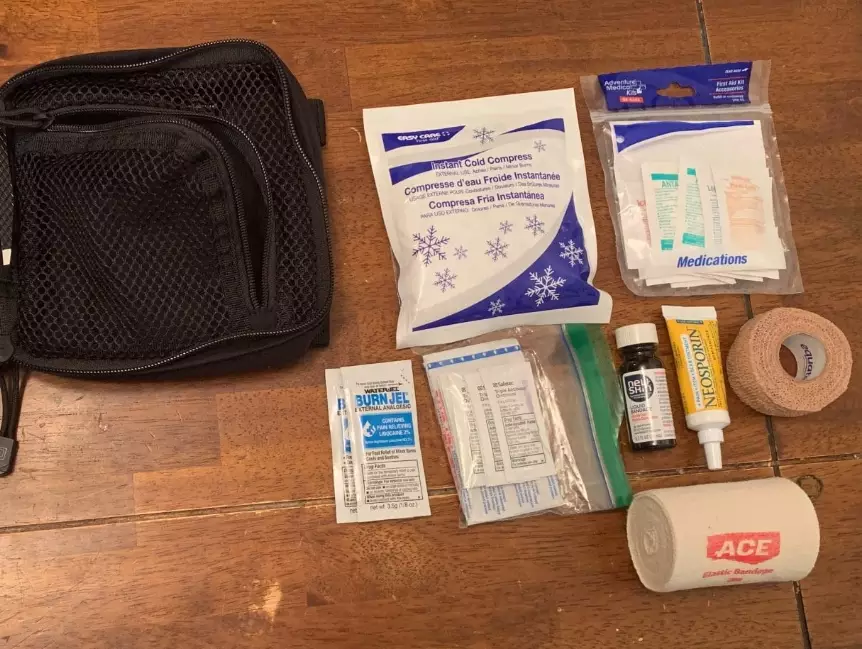
| Wound Care & Cleaning | Adhesive bandages (various sizes, 50+), Sterile gauze pads (4x4 inch, 10+), Rolled gauze (2 rolls), Adhesive cloth tape (2 rolls), Antiseptic wipes (20+), Antibiotic ointment packets (10+), Hydrogen peroxide or sterile saline wash, Disposable gloves (10 pairs), Trauma pad or abdominal pad (2) | Bandages stop bleeding and protect. Gauze and tape are for larger wounds where bandages won't stick or cover. Antiseptic wipes clean the area around a wound; sterile saline is better for flushing dirt out of the wound itself. Gloves protect both you and the injured person. |
| Tools & Instruments | Sharp scissors (trauma shears), Tweezers (fine-point), Digital thermometer, Instant cold compress, CPR face shield (optional but recommended), Safety pins, Emergency blanket | Trauma shears can cut through clothing fast. Fine-point tweezers remove splinters or debris. A cold compress reduces swelling for sprains. The emergency blanket treats for shock by retaining body heat. |
| Medications & Creams | Pain relievers (Ibuprofen & Acetaminophen), Antihistamines (for allergic reactions), Aspirin (for adult heart attack symptoms), Hydrocortisone cream (1%), Antacid tablets, Anti-diarrheal medication | Store medications in their original bottles. Aspirin is specifically for a suspected heart attack (chew one adult 325mg tablet as directed by a 911 operator). Know your family's allergies and medical conditions. |
| Burn & Specialty Care | Burn gel or hydrogel pads, Aloe vera gel (for sunburn), Elastic bandage (for sprains), Finger splint, Triangular bandage (can be a sling) | Burn gel cools and soothes minor thermal burns. Do not use butter or oil. An elastic bandage (like an ACE bandage) provides support for sprains but shouldn't be wrapped too tightly. |
This list looks long, but it all fits in a medium-sized container. The quantity matters. You don't want to run out of gauze pads halfway through dealing with a significant scrape.
Pro Tip: One item most lists miss is a permanent marker. If you apply a pressure bandage, write the time you put it on directly on the bandage or tape. In an emergency, medical responders need to know how long it's been in place.
How to Organize Your First Aid Kit for Quick Access
Organization is what turns a box of stuff into a functional kit. Under stress, you won't remember what pocket you put the tweezers in. I use clear, zippered plastic pouches inside my main bin, grouped by purpose.
Pouch 1: Bleeding & Wounds. This holds all the gauze, bandages, tape, and gloves. It's your go-to for any cut or scrape.
Pouch 2: Medications. All pills and creams go here. Keep them together so you can easily check expiration dates.
Pouch 3: Tools & Extras. Scissors, tweezers, thermometer, cold compress, safety pins.
On the Lid or Top Layer: A copy of a basic first aid guide (like the one from the American Red Cross) and your emergency contact list. I also tape a small flashlight to the inside of the lid. Trying to assess a wound in poor light is nearly impossible.
Place the kit in a central, known location—like a hallway closet or kitchen pantry—not buried in the back of a garage shelf. Everyone old enough in the house should know where it is.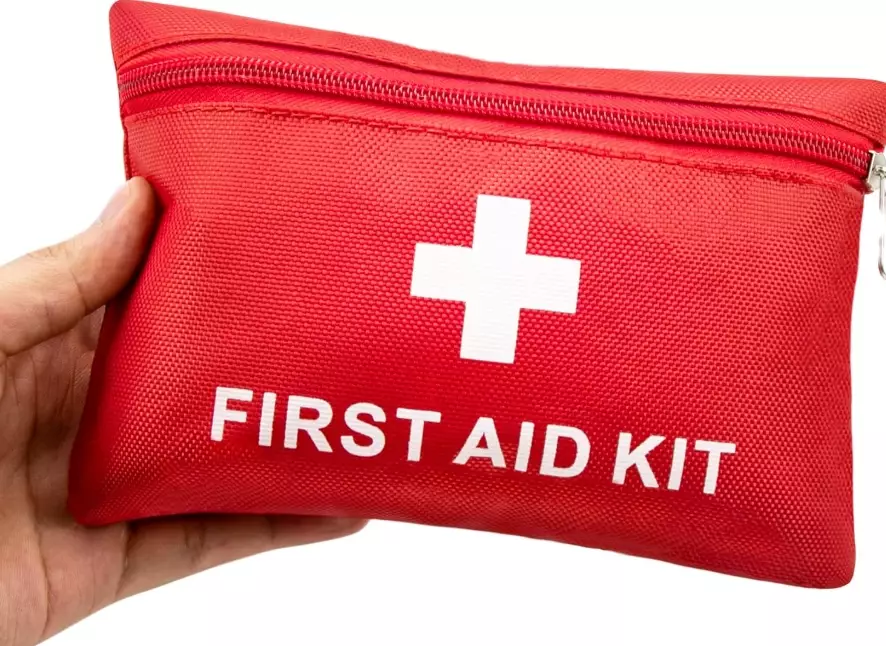
Common First Aid Kit Mistakes (And How to Fix Them)
I've seen these errors render kits useless time and again.
Mistake 1: The "Set It and Forget It" Kit. You buy or assemble it, put it away, and never look at it again. Medications expire. Adhesive on bandages degrades. The antibiotic ointment separates. Fix: Schedule a bi-annual check, like when you change your clocks for Daylight Saving Time. Open it up, check dates, and replace what's old or used.
Mistake 2: No Personalization. A generic kit ignores your family's reality. Do you have young kids prone to falls? An elderly family member on blood thinners (which requires different bleeding control)? A family history of severe allergies? Fix: Tailor it. Add child-dose pain relievers. If someone is on blood thinners, include hemostatic gauze (like Celox or QuikClot) which is designed to stop severe bleeding faster.
Mistake 3: Poor Quality Supplies. The cheapest bandages often have weak adhesive. Flimsy scissors can't cut denim. Fix: Invest a little more in key tools. Good trauma shears and tweezers last for years. Buy brand-name adhesive bandages—they stay on.
My own wake-up call was when I went to use an antiseptic wipe on a cut and it was completely dry and brittle. The kit was only three years old, but it had been stored in a hot attic. Location matters just as much as contents.
How to Maintain Your Kit So It Doesn't Fail You
Maintenance is simple but critical. Every six months, do this: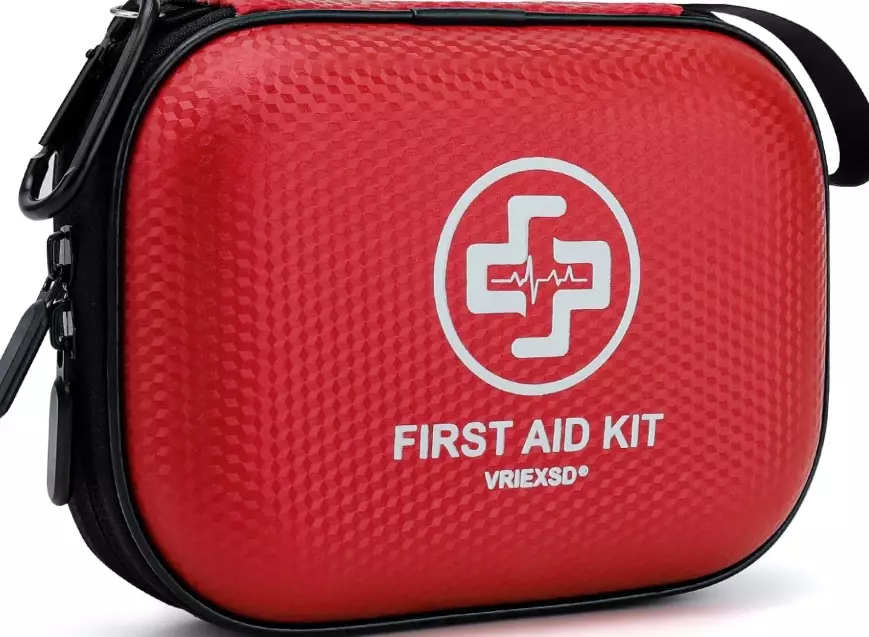
- Take everything out.
- Check expiration dates on all medications, ointments, and anything liquid or gel-based (burn gel, aloe).
- Inspect bandages and gauze. If the packaging is torn or the adhesive feels non-sticky, replace it.
- Test tools. Do the scissors cut? Do the tweezers grip?
- Restock any items you've used from the kit (this happens more often than you think).
- Wipe out the inside of the container.
Keep a shopping list inside the kit itself. When you take the last pair of gloves out, jot down "gloves" on the list so you remember to buy more.
Beyond Basics: Specialty Items for Your Family's Needs
Once your core kit is solid, consider these additions based on your household.
For Families with Young Children: Add child-specific liquid pain/fever reliever (check dosing charts), smaller-sized bandages with fun designs (they're more likely to keep it on), a pediatrician's after-hours phone number, and a small comfort item like a packet of stickers.
For Households with Pets: Create a separate pet-specific pouch within your main kit. Include vet wrap (self-adhering bandage), styptic powder for nail trimming accidents, a pet-safe antiseptic, and your vet's emergency contact info. Many human supplies are usable, but it's clearer to have them separate.
For Chronic Medical Conditions: If a family member has diabetes, severe allergies, asthma, or a heart condition, their emergency supplies (like an epinephrine auto-injector, inhaler, or glucose gel) should be stored alongside the general first aid kit, not inside it. This ensures they are always in a known, dedicated location.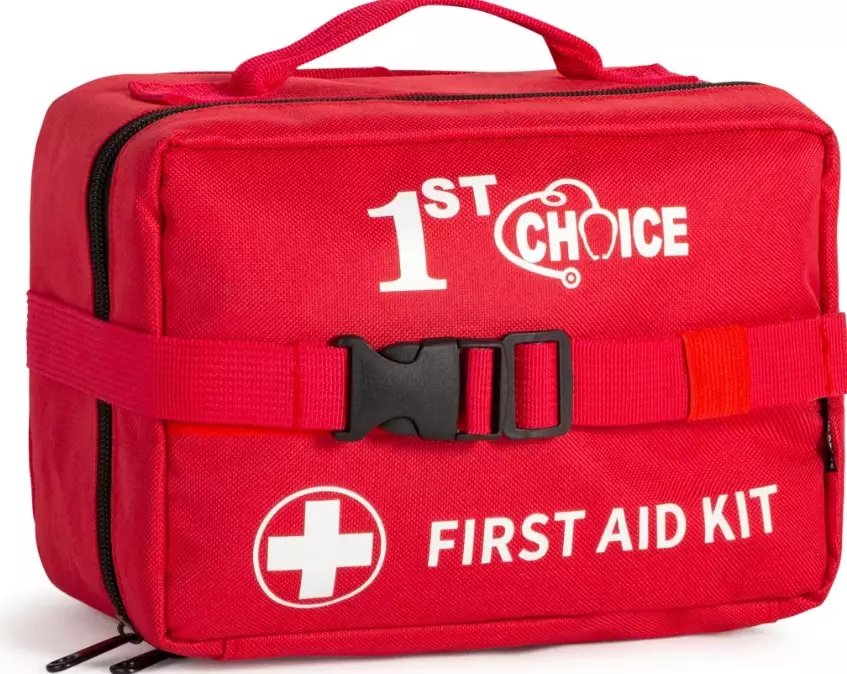
Your First Aid Kit Questions, Answered
 How do I handle a situation where someone is bleeding heavily and my kit only has small gauze pads?