You've hit a plateau. The moves that felt impossible last season still feel impossible. You're climbing regularly, maybe even hitting the gym three times a week, but the progress has stalled. The problem isn't a lack of effort—it's that random climbing isn't a climbing training program. There's a massive difference between just climbing and training to climb. After a decade of figuring this out the hard way, from finger injuries to wasted months, I've learned that a structured, intelligent plan is the only reliable way to climb stronger. This guide is that plan. It's not a generic list of rock climbing workouts; it's a framework for building your own personalized system, one that addresses your specific weaknesses and goals.
What You'll Find in This Guide
- Start Here: Assess Your Level and Set Realistic Goals
- What Are the Key Components of a Climbing Training Program?
- How to Structure Your Weekly Climbing Training Schedule
- The 3 Most Common (and Costly) Training Program Mistakes
- A 12-Week Sample Climbing Training Program Framework
- Your Climbing Training Questions Answered
Start Here: Assess Your Level and Set Realistic Goals
Jumping into a plan designed for a V8 climber when you're projecting V4 is a shortcut to injury and frustration. Be brutally honest with yourself. Can you consistently do 10 pull-ups with good form? How long can you hang on a 20mm edge? Do you pump out on long sport routes or fall off powerful boulder problems?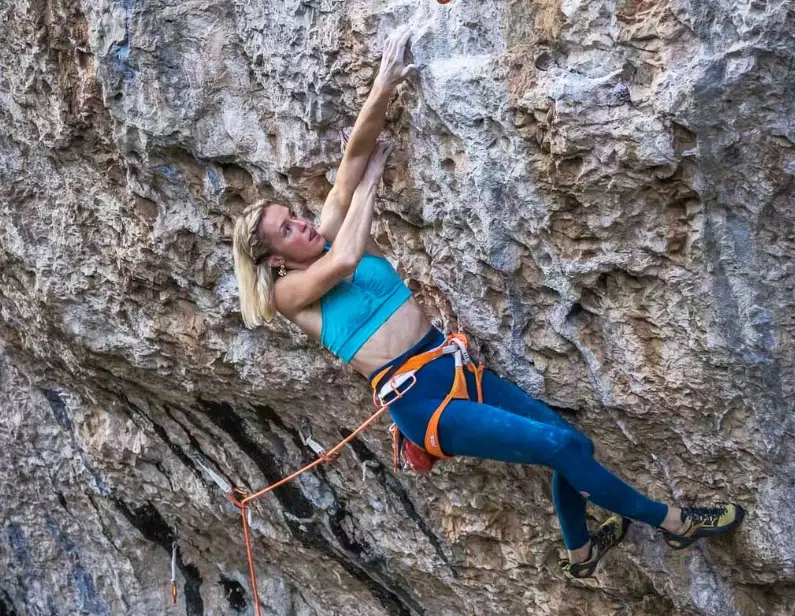
Track your current max grades in bouldering and roped climbing. Note where you fall: is it always on slopers, on tiny crimps, or after 20 moves? This isn't about ego; it's data.
Now, set a goal for the next 3-6 months. Make it SMART: Specific, Measurable, Achievable, Relevant, Time-bound. "Get better" is useless. "Redpoint a 5.11c outdoor sport route by the end of the season" or "Send 5 V5 boulder problems in my gym" is a target you can build a plan around. Your entire climbing training program will flow from this goal.
What Are the Key Components of a Climbing Training Program?
A balanced program isn't just hangboarding and pull-ups. It's a mix of energy systems and skills. Most programs fail because they overemphasize one component and neglect others.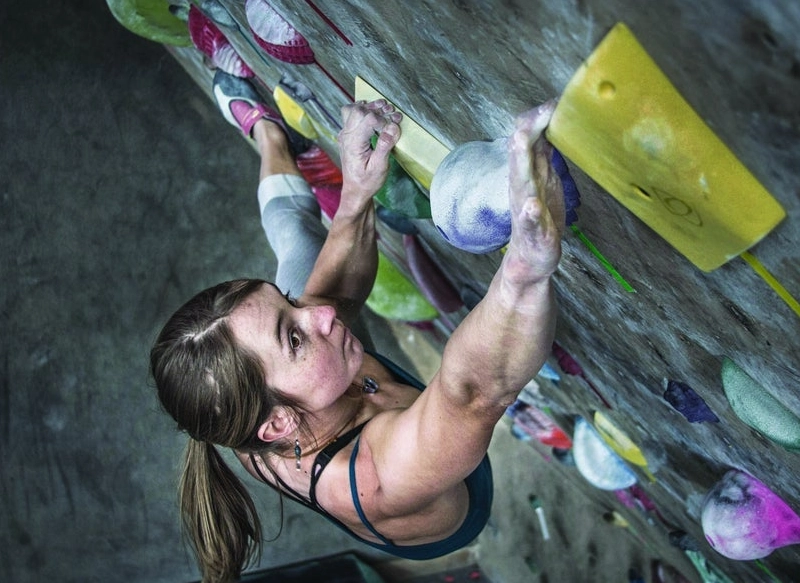
1. Strength and Power
This is your ability to pull hard and move quickly. Think campusing, limit bouldering (trying moves at your absolute max), weighted pull-ups, and deadlifts. This is the flashy stuff, but without a foundation of technique and connective tissue resilience, it leads to injuries. A common oversight is neglecting antagonist training—exercises for the muscles opposite your pulling muscles, like push-ups and rotator cuff work—to keep your shoulders healthy.
2. Power Endurance and Endurance
Power endurance is your ability to do hard moves back-to-back (crucial for bouldering circuits or sport climbing cruxes). Training looks like 4x4s (four boulder problems done four times in a row with minimal rest). Endurance is your ability to keep climbing for a long time, trained by climbing up and down on easy terrain or doing laps on an auto-belay. Most climbers hate endurance training. I hate it. But if your goal is a long sport route, you can't skip it.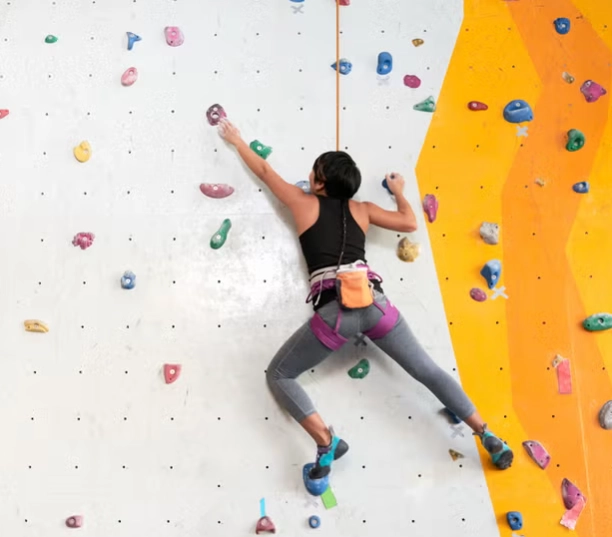
3. Finger and Grip Strength
The foundation. You can have the back of a gorilla, but if your fingers are weak, you're going nowhere. This is where structured hangboard use comes in. The biggest mistake is starting hangboarding too early or with too much intensity. If you've been climbing consistently for less than a year, focus on climbing on a variety of holds. For others, a simple protocol like repeaters or max hangs twice a week can work wonders.
4. Technique and Mobility
This is the secret sauce. Strength lets you do moves inefficiently; technique lets you do hard moves with less strength. Dedicate 15-20 minutes of every session to pure skill work: silent feet drills, climbing with straight arms, practicing flagging and drop-knees on easy problems. Pair this with hip, ankle, and shoulder mobility work off the wall. A flexible climber can find resting positions a stiff climber can't even imagine.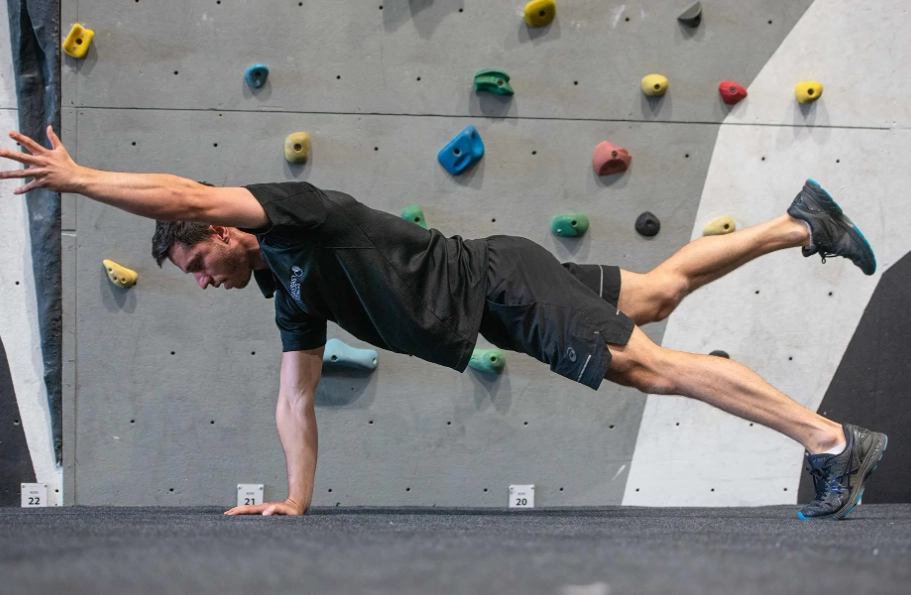
How to Structure Your Weekly Climbing Training Schedule
You can't train everything hard every day. Your body needs stress, then recovery, then adaptation. Here’s a sample framework for a climber aiming for 3-4 sessions per week. This is a template, not a commandment.
| Day | Session Focus | Key Activities | Off-Wall Work |
|---|---|---|---|
| Monday | Strength & Power | Limit bouldering (3-5 moves max), Campus board (if experienced), Projecting hard moves | Weighted pull-ups, Push-ups, Core (hanging leg raises) |
| Tuesday | Active Recovery / Rest | Rest, or very light activity (walking, stretching) | Focus on mobility: hips, shoulders, wrists |
| Wednesday | Power Endurance | 4x4 bouldering circuits, Linked boulder problems | Antagonist training (dumbbell rows, face pulls) |
| Thursday | Rest | Full rest. Seriously. | – |
| Friday | Skills & Volume | Technique drills, On-sight practice, Climbing mileage at moderate grades | Hangboard protocol (e.g., 7-second max hangs) |
| Saturday | Endurance / Outdoor Climb | Sport climbing laps, ARC training (30+ minutes of sustained easy climbing) | – |
| Sunday | Rest | Full rest. | Light stretching |
Listen to your body. If your fingers feel tweaky on a hangboard day, swap it for mobility. If you're exhausted, take an extra rest day. The plan serves you, not the other way around.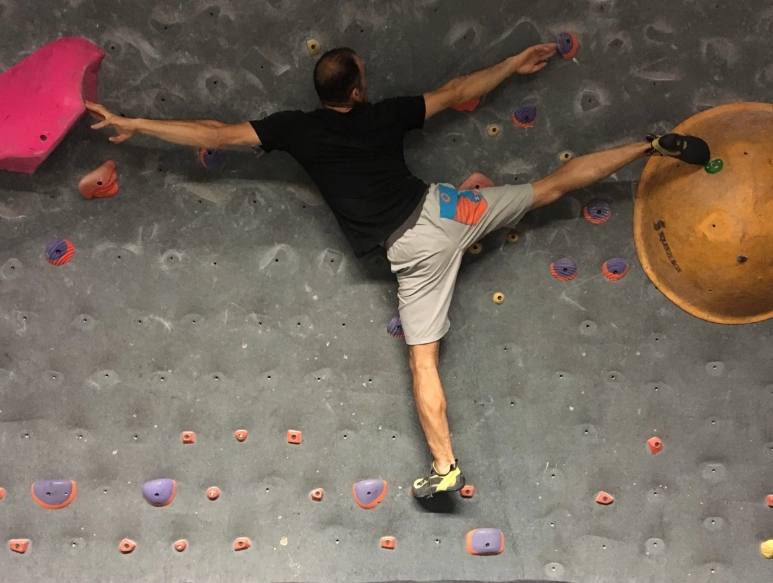
The 3 Most Common (and Costly) Training Program Mistakes
I've made all of these. You probably will too, but maybe you can learn from mine.
Mistake 1: Chasing Fatigue, Not Quality. The old "no pain, no gain" mantra is poison for climbing. If your last few attempts on a project are sloppy and weak because you're fried, you're just ingraining bad movement patterns. Stop your session when power or technique drops noticeably—usually around 90 minutes for intense work.
Mistake 2: Ignoring the Warm-Up and Cool-Down. Spending 20 minutes warming up isn't wasted time; it's injury insurance and performance enhancement. Start with cardio, move to dynamic stretches, then easy climbing, gradually increasing intensity. Cool down with light stretching, especially for forearms and shoulders.
Mistake 3: Copying a Pro's Plan. That Instagram climber who campuses for an hour? Their tendons have a decade of adaptation yours don't. Their plan is built around their specific weaknesses, full-time recovery, and likely coaching. Your plan needs to fit your life, your recovery capacity (which is lower if you have a desk job), and your current physiology.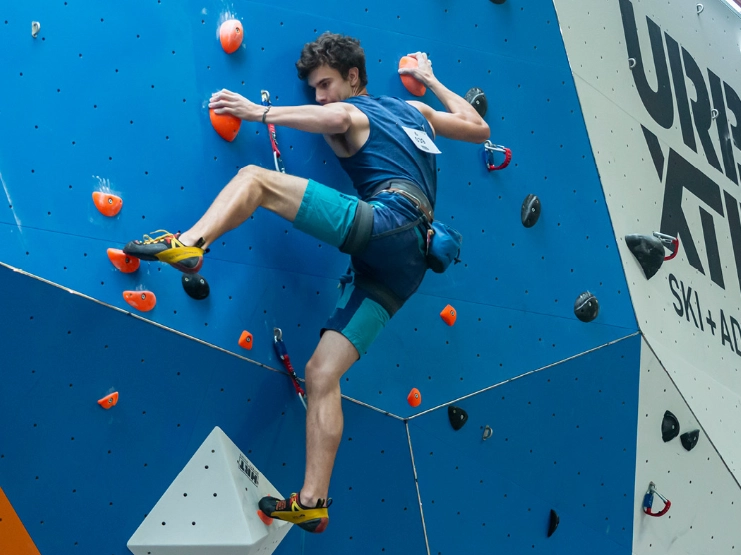
A 12-Week Sample Climbing Training Program Framework
Let's make this concrete. Meet Alex, an indoor climber consistently climbing V4, aiming to send her first outdoor V5 in three months. Her weakness is sloper compression problems. Here's how her 12-week macrocycle might be structured.
Weeks 1-4: Base Phase. Focus on building a wide foundation. More volume at moderate intensity (V2-V3). Two hangboard sessions per week focusing on open-hand and sloper positions. Two antagonist strength sessions. One endurance-focused day. Technique drills every session. The goal here isn't to send hard, it's to prepare the body for more intense work.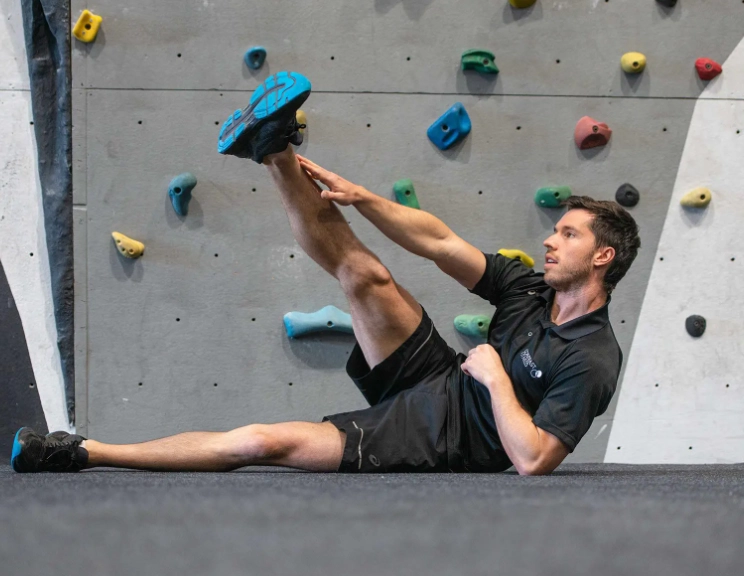
Weeks 5-8: Intensity Phase. Shift to higher intensity, lower volume. Limit bouldering on V5-V6 moves. Introduce power endurance workouts like 4x4s on V3 problems. Reduce hangboarding to one maintenance session per week. Keep one endurance day. Antagonist work continues. This phase is where you apply the base you built.
Weeks 9-11: Performance & Peaking Phase. Mimic goal conditions. For Alex, this means weekend outdoor trips or setting/selecting gym problems that mimic outdoor sloper compression. Reduce training volume significantly. Focus on feeling fresh, powerful, and practicing project tactics—working individual moves, linking sections, rehearsing rest positions. Almost no supplemental training.
Week 12: Deload & Send. This is critical and almost everyone skips it. Drastic reduction in volume and intensity. Maybe two very short, high-quality sessions just to move. The goal is to let all the micro-tears heal, super-compensate, and hit peak performance for a weekend send fest. You'll feel lazy. That's the point.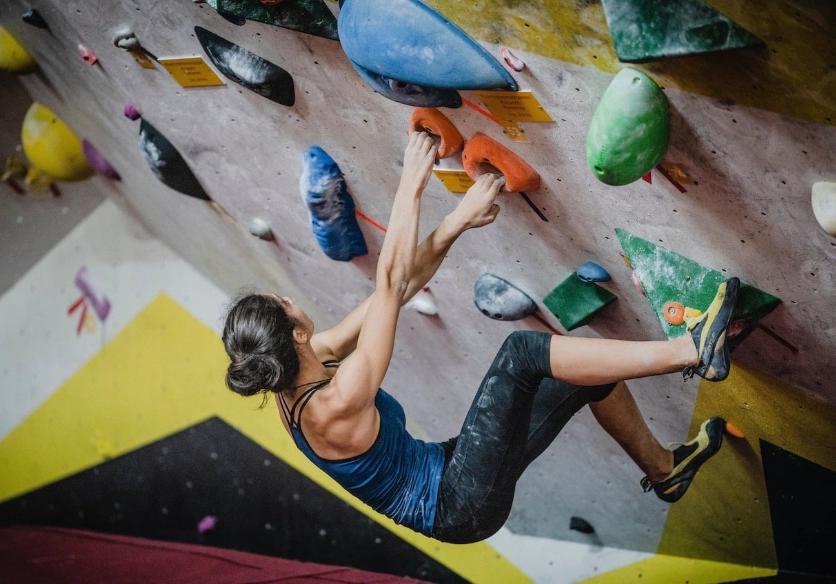
Your Climbing Training Questions Answered
How often should I change my climbing training program?
Stick with a program's core structure for at least 4-8 weeks to allow for adaptation. You can and should make micro-adjustments weekly based on fatigue. A complete overhaul every month doesn't give your body time to respond. Change exercises or rep schemes when you stop seeing progress, not out of boredom.
Is it better to train fingers before or after climbing?
If your primary goal is pure finger strength gains, do your hangboard protocol at the beginning of a session, after a thorough warm-up, when your nervous system is fresh. You'll be able to give max effort with better form. If hangboarding is more for maintenance, or you're prioritizing climbing performance that day, do it at the end. Never hangboard when you're already pumped or fatigued—that's a recipe for injury.
I only have 60 minutes twice a week. Can I still make progress?
Absolutely. You just need extreme focus. Structure a 60-minute session like this: 15-min warm-up (jump rope, dynamic stretches, easy climbing). 30-min focused work: alternate weeks between Limit Bouldering (pick 1-2 hard moves, perfect them) and Power Endurance (density training—climb as many moderate problems as possible in the time). 15-min cool-down and 1-2 key supplemental exercises (e.g., pull-ups and push-ups). Consistency with two focused sessions beats four aimless ones.
How do I balance climbing training with other gym workouts (e.g., legs, cardio)?
Treat them as supplemental, not primary. Do heavy leg work (squats, deadlifts) on a day far from your most important climbing session, as they cause systemic fatigue. For cardio, low-impact steady-state (like cycling or incline walking) is better for recovery than high-impact running. If your main goal is to improve your climbing, these activities should support, not hinder, your recovery for climbing. Often, one full-body strength session and one or two light cardio sessions per week is plenty.
The final piece of advice is the simplest: start. Pick one thing from this guide—maybe setting a SMART goal, or adding a 10-minute technique drill to your next session. A perfect plan you never start is worthless. A simple plan you follow consistently will get you up the wall. Your personalized climbing training program is the map. Now go climb.