You just had your first taste of climbing. Your forearms are buzzing, your fingers feel weird, and you're hooked. The immediate question hits you: how often can I do this? How much should I climb to get better without wrecking myself? The gym regulars seem to live there, and Instagram is full of people projecting hard every day. It's tempting to think more is always better. I thought that too, fifteen years ago. I dove in headfirst, climbing four or five days a week because I was obsessed. The result? A nagging case of elbow tendonitis (climber's elbow) that took months of rest and rehab to fix. It set me back more than any extra session ever helped.
So let's cut through the noise. The single most important piece of advice for a beginner is this: climb less than you want to. Your enthusiasm is your greatest asset and your biggest risk. This guide isn't about holding you back; it's about building a foundation so strong that you can climb for decades, not just a few intense months.
What You'll Find in This Guide
The Beginner's Biggest Mistake: Climbing Too Much, Too Soon
Your muscles get strong faster than your tendons, ligaments, and pulleys. When you pull on a small hold, massive forces travel through your fingers. The structures in your hands and arms simply aren't ready for repetitive stress. Pushing volume early is a direct ticket to overuse injuries: pulley strains, tendonitis in elbows and shoulders, and general burnout.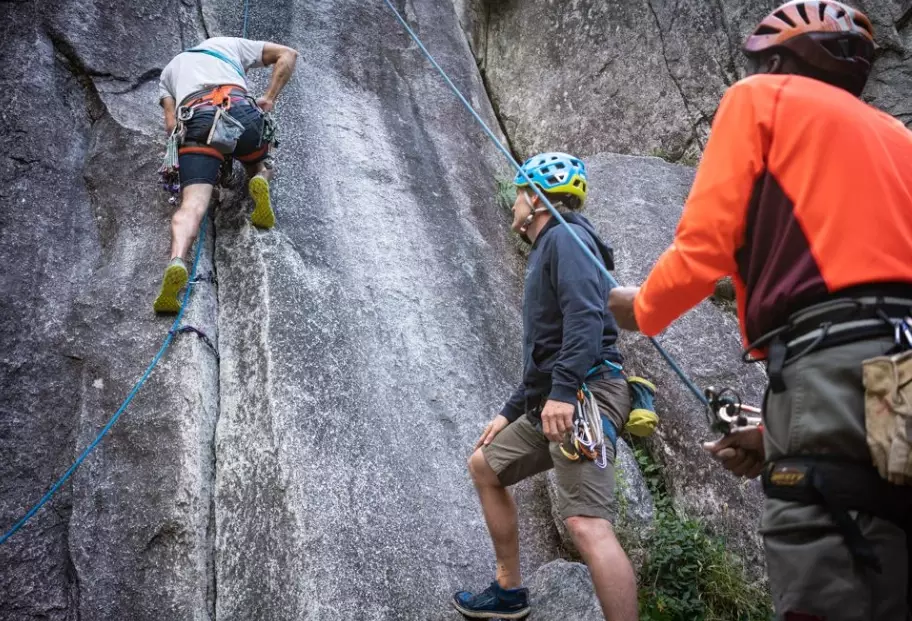
I see it all the time at my local gym. A new climber, fired up, comes in Monday, does every V0 and V1. Feels great. Comes back Tuesday, tries a few harder moves. Wednesday, fingers are sore but they push through. By Friday, they're clutching their elbow or talking about a "tweaky" finger. Progress stops. Frustration sets in.
The goal isn't to maximize weekly sessions. The goal is to maximize recovery and adaptation. You get stronger when you rest, not when you climb.
The Golden Rule of Beginner Climbing Frequency
For your first 3-6 months, adhere to this framework:
- Frequency: 2 non-consecutive days per week. This is non-negotiable for the first few months. A Monday/Thursday or Tuesday/Saturday split is ideal.
- Session Duration: 60 to 90 minutes total gym time. This includes warming up, climbing, and cooling down. Once you hit 90 minutes, your technique deteriorates and injury risk spikes. Set a timer.
- Climbing Time Within Session: Aim for 45-60 minutes of actual climbing. The rest is for warming up (10-15 mins) and light stretching/mobility afterward (5-10 mins).
Why non-consecutive days? Connective tissue needs at least 48-72 hours to repair micro-tears. Climbing back-to-back days denies this process, creating a cumulative stress injury. It's not about being tough; it's about being smart.
Your First 3 Months: A Sample Weekly Climbing Schedule
Here’s what a responsible and effective week looks like. This balances climbing with the essential, often ignored, components of recovery and complementary training.
| Day | Activity | Focus & Duration | Key Notes |
|---|---|---|---|
| Monday | Climbing Session #1 | Technique Drills. 90 min max. Spend 30 mins on easy routes focusing on silent feet, straight arms, and hip positioning. Then try a few new problems. | Leave the gym feeling like you could have done more. That's the sweet spot. Avoid maxing out. |
| Tuesday | Active Recovery / Rest | Light walk, yoga, or full rest. No pulling motions. | This is when your body does the repair work. Respect it. Hydrate and eat well. |
| Wednesday | Antagonist & Core Training | 30-40 min. Push-ups, rows, shoulder external rotations, planks, dead bugs. | Crucial for injury prevention. Balancing your pulling muscles (used in climbing) with pushing muscles maintains shoulder health. |
| Thursday | Climbing Session #2 | Volume & Exploration. 90 min max. Climb a wider variety of styles. Try slabs, overhangs, corners. Focus on mileage, not difficulty. | A great day to socialize and climb with others. Learning from watching is part of the game. |
| Friday | Rest | Complete rest. Let your nervous system recover. | Seriously, do nothing strenuous. Your finger flexors need a break. |
| Saturday | Mobility & Flexibility | 30 min. Focus on hips, hamstrings, shoulders, and wrists. Use a foam roller. | Better mobility means better body positioning on the wall and less compensatory strain. |
| Sunday | Optional Fun Activity | Hike, bike, swim, or another non-climbing hobby. | Prevents mental burnout and keeps you a well-rounded athlete. |
Notice that "climbing" only appears twice. The other days are dedicated to making those two sessions safe, effective, and sustainable. This schedule builds the habit without burning you out.
How to Listen to Your Body (It's Speaking Louder Than You Think)
"Listen to your body" is vague. Here's what to actually listen for:
Signs You Need More Rest (Skip a Session)
- Morning Finger Stiffness: If it takes more than a few minutes of moving your hands to loosen up, you're still recovering.
- Deep, Aching Elbow or Shoulder Pain: Not muscle soreness, but a nagging ache in the joints. That's tendon warning you.
- General Fatigue & Lack of Psych: If you dread the thought of going to the gym, don't go. Mental rest is physical rest.

Signs You're on a Good Path (Keep the Schedule)
- You feel energized before your scheduled sessions.
- You're consistently matching or slightly improving your performance from the previous week.
- Soreness is muscular (in the forearms, back) and fades within 2 days.
After 4-6 months of consistent, injury-free climbing on the 2x/week plan, you might consider a third day. But make it a light, technical session. Never have three intense days in a row. The progression should be glacial.
Your Climbing Frequency Questions, Answered
The bottom line is refreshingly simple. As a beginner, your job is to fall in love with the movement, not the grind. Restraint is your superpower. By climbing a focused, moderate amount—just twice a week—you give your body the signal to adapt without the signal to break down. You'll build resilient tendons, develop efficient technique, and, most importantly, keep showing up month after month, year after year. The wall isn't going anywhere. Pace yourself, and you'll go much, much further.