Let's be honest. Holding a water bottle for hours on a hike, run, or bike ride gets old. Your hand cramps, you switch arms constantly, and dropping it is a real risk. That's where hydration packs for water bottles come in. They're not your standard hydration bladder packs. These are specialized backpacks designed with dedicated, secure pockets to hold your favorite reusable water bottles—whether it's a Nalgene, Hydro Flask, or a simple cycling bidon. I've used both systems for over a decade, and for many people, the bottle-specific pack is a game-changer. It combines the eco-friendly habit of using your own bottle with the unparalleled convenience of hands-free hydration. This guide will cut through the marketing and show you exactly how to pick, use, and get the most out of one.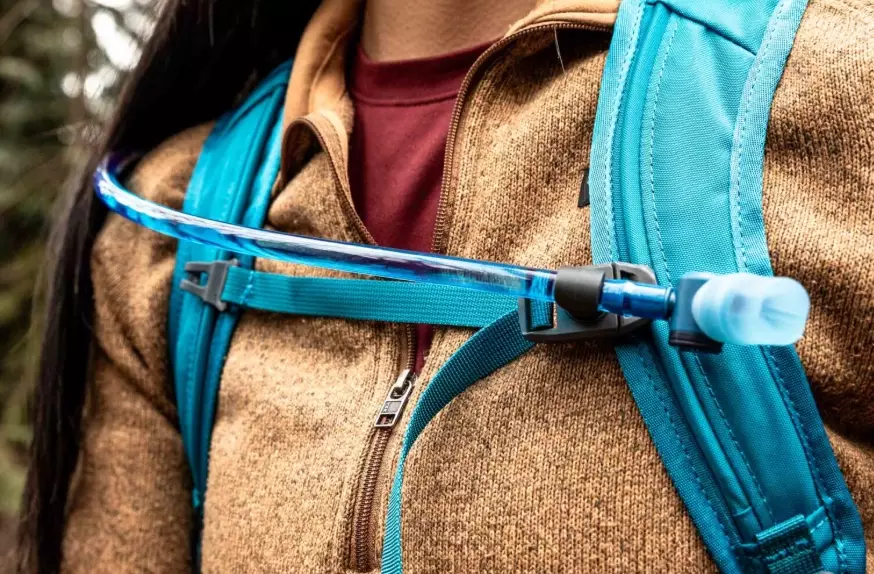
What You'll Find Inside
What Exactly Are Hydration Packs for Water Bottles?
Think of it as a hybrid. It looks like a small backpack, but its core mission is to carry one or two water bottles externally or in specially designed, easy-access pockets. The key feature is a bottle sleeve that's often stretchy, insulated, or has a compression strap to prevent bouncing. Brands like Ultimate Direction, Osprey, and CamelBak have perfected designs where you can grab and replace your bottle without taking the pack off—a crucial feature when you're on the move.
They range from minimalist 1.5-liter vests for runners to 10+ liter daypacks for hikers who also need to carry layers, food, and gear. The common thread is that you supply the bottle.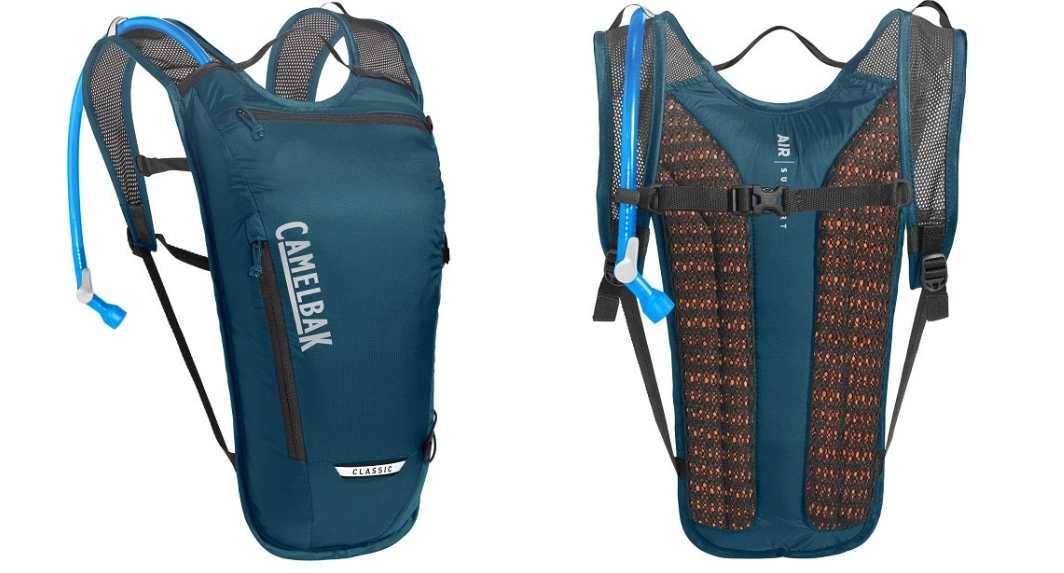
Why Choose a Bottle Pack Over a Traditional Bladder?
Everyone talks about the bladder's drinking tube convenience. But they gloss over the hassles. Here's the real, often unspoken breakdown.
The Bottle Pack Advantage:
- You Know Exactly How Much You've Drunk: No more guessing if you're halfway through your 2-liter bladder. You finish a 750ml bottle, you know you need to drink another. This simple visual cue is a huge help for proper hydration, something the National Park Service consistently emphasizes for visitor safety.
- Easier to Clean and Maintain: Mold in a hydration tube is a nightmare. Bottles are simple to scrub. No special drying racks, no blowing out tubes. It's hygienically superior.
- Use Your Favorite Bottle: Love your insulated Yeti that keeps water cold for hours? You can use it. Prefer a wide-mouth Nalgene for adding electrolyte tablets? Go for it. You're not locked into a proprietary system.
- Easier to Refill: At a trailhead water fountain or a café, filling a bottle is straightforward. Filling a bladder inside a packed backpack is a messy, awkward operation.
The Trade-Off (Let's Be Fair):
You do lose the "drink without breaking stride" feature of a tube. You have to reach back, pull the bottle, drink, and replace it. For trail runners, this takes a few seconds of practice to master smoothly. For hikers, it's a non-issue.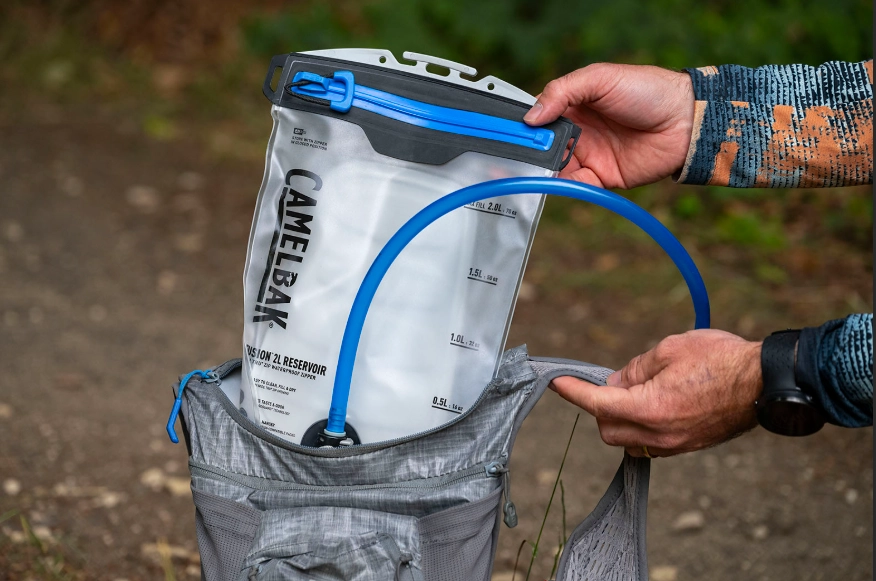
How to Choose the Right Hydration Pack for Your Bottle
Don't just buy the first pack you see. Match it to your bottle and your activity. Get this wrong, and you'll have a bouncy, annoying load.
| Key Feature | What to Look For | Why It Matters |
|---|---|---|
| Bottle Pocket Design | Stretch mesh with a top compression strap or bungee. Insulated sleeves are a bonus for temperature control. | This is the heart of the pack. It must hold your specific bottle snugly. A loose pocket means a bouncing bottle. Measure your bottle's height and diameter. |
| Capacity & Volume | 1-5 liters for running/cycling. 5-15 liters for hiking/day trips. Consider total pack volume, not just water capacity. | You need space for more than water. A running vest needs gels and a phone. A hiking pack needs a jacket, food, and a first-aid kit. |
| Carry System & Fit | Adjustable sternum straps, breathable back panel, and contoured shoulder straps. Try it on with weight. | A pack that bounces or chafes will ruin your day. A good fit feels like an extension of your body, not a burden. |
| Access & Organization | Front or side pockets for quick snacks, a phone, or keys. A main compartment that opens easily. | You don't want to stop and dig for an energy bar. Easy-access pockets are crucial for safety and convenience. |
| Material & Durability | Ripstop nylon or polyester. Reinforced stitching on high-stress points. | This pack will get scraped against rocks, soaked with sweat, and exposed to the elements. It needs to hold up. |
My biggest tip? Bring your water bottle to the store. Or, if buying online, meticulously check the product dimensions against your bottle's specs. A pocket listed as "fits most 1L bottles" might not fit your particular tall, skinny 1L bottle.
Top Picks for Different Uses (Hiking, Running, Commuting)
Based on personal use and extensive gear testing with friends, here are models that excel in specific scenarios.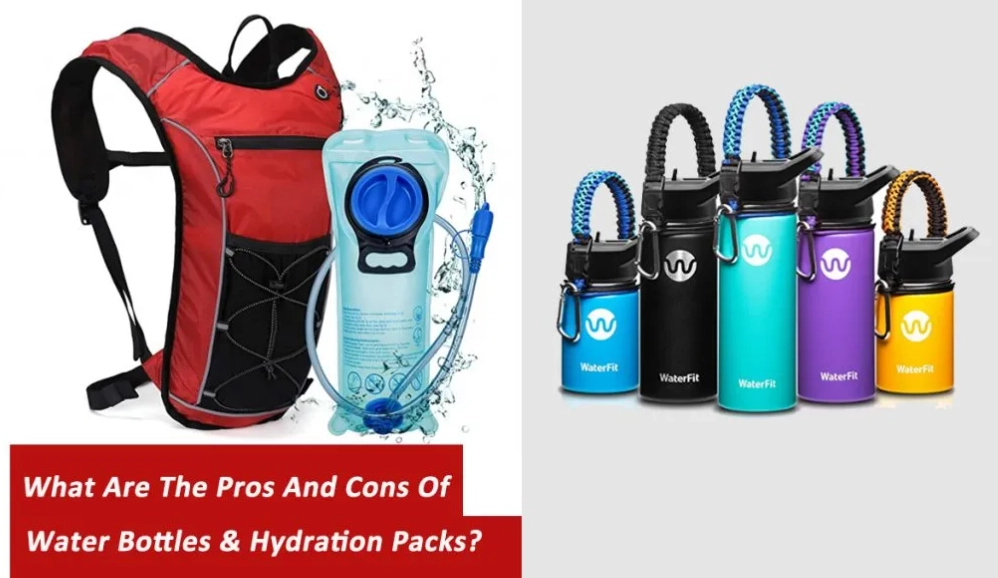
For Trail Running & Fast Hiking
You need minimal bounce and maximum accessibility.
The Go-To: Ultimate Direction Ultra Vesta 5.0 (~$140). This is a vest-style pack, meaning it hugs your torso. It holds two 500ml soft flasks in front chest pockets (yes, it uses soft bottles, but the principle is identical—they're specialized bottles). The genius is you can drink without breaking stride. The back pocket can also fit a 1L hard bottle. It's the gold standard for runners who need hands-free hydration and lots of storage for nutrition.
The Simpler Choice: CamelBak Circuit Runner Vest (~$100). A more affordable entry into the vest world. Holds two 500ml flasks up front comfortably. The fit is less customizable than the UD, but for most people, it works brilliantly right out of the box.
For Day Hiking & Backpacking
You need more cargo space and comfort under a heavier load.
The All-Rounder: Osprey Daylite Plus (~$75). This 20-liter pack is a legend for a reason. It has two stretch mesh side pockets that perfectly fit 1L Nalgene bottles. They're angled for easy access. The pack itself is comfortable, has a good organization, and can handle a full day's gear. It's the workhorse.
The Heavy-Duty Option: Gregory Miwok 24 (~$130). If you carry more weight or want superior ventilation, the Miwok's back panel is fantastic. The bottle pockets are deep and secure, with a compression strap over the top. It also has a dedicated reservoir sleeve if you ever want to switch, making it incredibly versatile.
For Cycling & Urban Commuting
You need a sleek profile, easy access, and maybe some laptop protection.
The Cyclist's Choice: Evoc Stage 10L Hip Pack (~$120). A hip pack? Absolutely. For cycling, a backpack can get sweaty. A hip pack with a dedicated bottle holder keeps the weight on your hips and your back cool. The Stage has a secure, stretchy bottle holder and enough room for tools, a phone, and a jacket.
The Commuter's Pick: Patagonia Atom Tote Pack (~$99). This is a tote that converts to a backpack. It has a side water bottle pocket and a sleek look that doesn't scream "trail gear." It can fit a small laptop, a lunch, and your bottle for a seamless transition from bike to office.
Pro Tips for Using Your Pack Like an Expert
Buying the right pack is half the battle. Using it well is the other half.
Packing and Balancing Your Load
Heaviest items go closest to your back and in the center. That usually means your full water bottle(s). If you carry two bottles, try to keep them equally full for balanced weight distribution. Pack lighter, bulkier items like a puffy jacket further out. This centers the weight over your hips, preventing the pack from pulling you backward.
The Art of the One-Handed Bottle Grab
This is the skill for runners. Don't yank the bottle straight up. Pull it slightly forward and then up to clear the pocket. To replace, guide the bottom into the pocket first, then push down. A few practice sessions in your living room will make it second nature. I see so many people struggling because they try to pull and replace on a perfect vertical axis—it doesn't work with most pocket designs.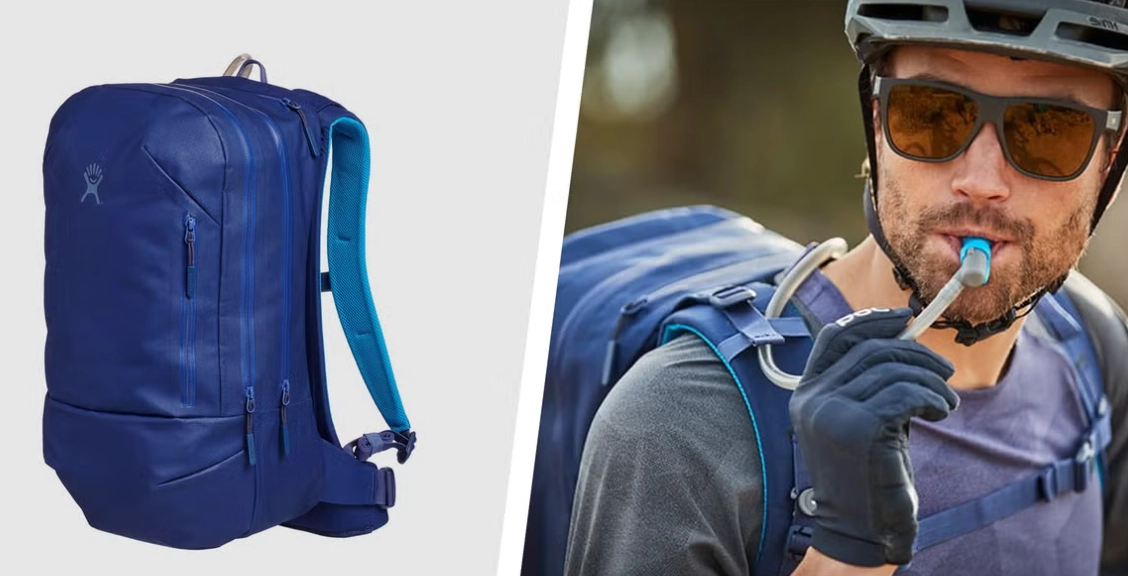
Maintenance is Non-Negotiable
After every sweaty trip, empty all pockets and let the pack air dry, inside out if possible. Don't just toss it in the trunk. For cleaning, a mild soap and a soft brush for any dirt or salt stains is enough. Never put it in a dryer; the heat can melt adhesives and warp plastic components.
Your Questions, Answered
 Can I use a hydration bladder AND water bottles in the same pack?