You’ve mastered the plastic holds at the local gym. You can cruise a 5.10 on the lead wall without thinking. Then someone suggests climbing outside, and suddenly you’re lost. What’s a “route” actually mean out there? How do you decipher the weird grade codes like “5.10a” or “6b+”? And for crying out loud, how do you even find where to climb?
This is the gap no one talks about. Indoor climbing prepares you for movement, but navigating the world of outdoor rock climbing routes is a different skill set. It’s the map you need before the journey. This guide bridges that gap. We’ll strip away the jargon and give you the practical system for understanding, finding, and tackling your first real rock routes.
What’s Inside This Guide?
Decoding the Numbers: Climbing Route Grades Explained
Grades are the language of difficulty, but it’s a language with two main dialects: the Yosemite Decimal System (YDS) used widely in the US, and the French numerical system common in Europe and for sport climbing worldwide.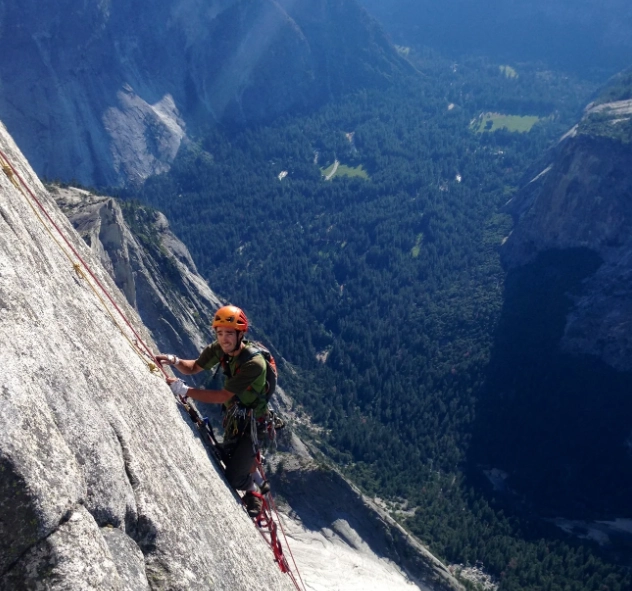
Most beginners think a higher number just means harder. That’s true, but the nuance is in the letters and pluses. A 5.10a is objectively easier than a 5.10d, but the jump from 5.10d to 5.11a feels massive—it’s a new number grade. The French system works similarly: 6a, 6a+, 6b, 6b+, 6c, etc.
Here’s the conversion that never seems to be posted clearly where you need it:
| YDS (USA) | French (Sport) | What It Feels Like |
|---|---|---|
| 5.6-5.7 | 4-4+ | Beginner slab, big holds, straightforward. |
| 5.8-5.9 | 5a-5b | Moderate angles, requires some technique. |
| 5.10a-5.10c | 5c-6a | The classic “intermediate” range. You’ll find most quality routes here. |
| 5.10d-5.11b | 6a+-6b+ | Steeper, smaller holds. Requires specific strength and footwork. |
| 5.11c-5.12a | 6c-7a | Advanced. Often involves crux sequences on tiny edges or pockets. |
My first outdoor route was a classic 5.7 crack in Joshua Tree. I’d been climbing 5.10 in the gym and thought it would be a walk. I was humbled in minutes. The rock was gritty, the protection was my responsibility, and the “holds” weren’t color-coded. It taught me the single most important rule: Your indoor grade does not directly translate outdoors. Subtract at least two letter grades (e.g., gym 5.10c = outdoor 5.8/5.9) for your first few times to manage expectations and have fun.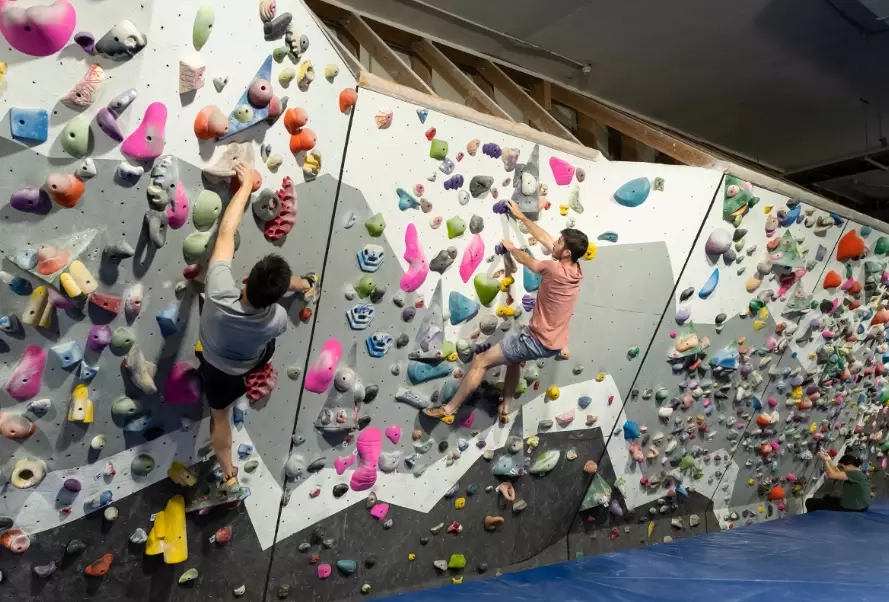
A Quick Note on Bouldering Grades
Bouldering routes, or “problems,” use the V-scale (V0, V1, V2...) in the US and the Fontainebleau system (4, 5, 6a, 6b, 7a...) elsewhere. A V4 is roughly equivalent to a 5.12a roped climb in terms of pure movement difficulty, but that’s an apples-to-oranges comparison. Bouldering is about short, powerful bursts.
Not All Rock is the Same: Understanding Route Types
This is where the rubber meets the rock. The type of route dictates the gear you need, the skills required, and the mental game.
Sport Climbing Routes: The most accessible entry point for gym climbers. Pre-drilled bolts are permanently fixed into the rock every 10-20 feet. You clip your rope into them as you ascend. The focus is purely on the physical climb. Examples: The Red River Gorge (Kentucky), Kalymnos (Greece).
Trad (Traditional) Climbing Routes: This is the art and craft. The climber places all removable protection (cams, nuts) into cracks and features, then removes it on the descent. It demands a deep understanding of gear, rock integrity, and risk management. The classic test piece “The Nose” on El Capitan is a multi-day trad route.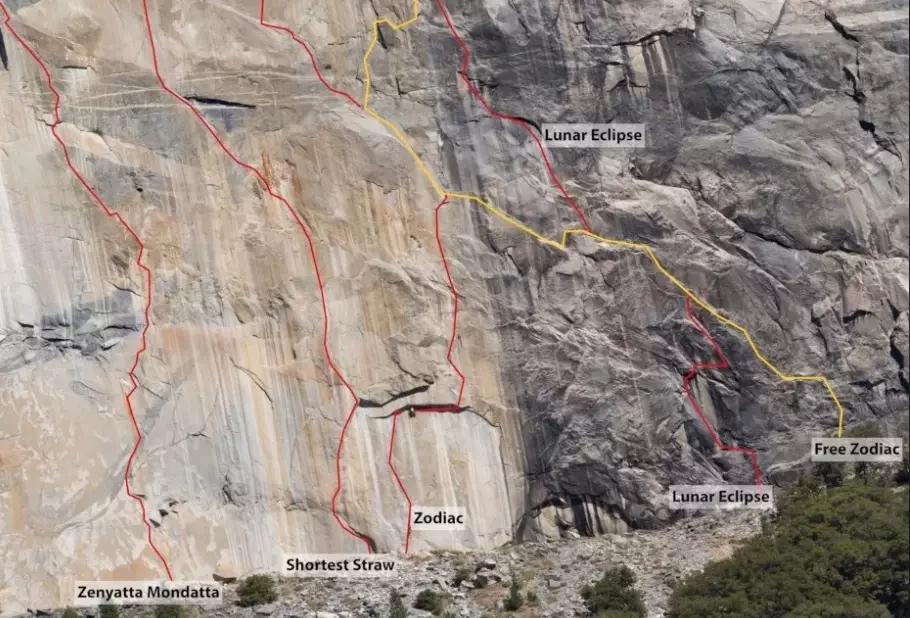
Bouldering: Not a “route” in the roped sense, but a short, hard problem climbed without a rope over a crash pad. It’s social, physically intense, and requires minimal gear. Bishop (California) and Fontainebleau (France) are world-renowned.
Aid Climbing: Using gear to directly pull and stand on to ascend blanker rock. Less common now but essential for big walls.
Most new outdoor climbers should target sport climbing areas. The learning curve is about adapting to rock, not also learning complex gear placement under pressure.
The Practical Guide: How to Find Climbing Routes
You won’t find them on Google Maps. The climbing community has built its own infrastructure.
Guidebooks are King. A good regional guidebook is worth its weight in gold. It contains detailed topos (diagrams of the routes on the cliff), photos, grades, route descriptions, and crucial approach beta. Publishers like FalconGuides and Sharp End Publishing are standards. Before a trip, I always buy or preview the guidebook.
Mountain Project is Your Digital Sidekick. Think of it as Wikipedia for climbing areas. The app and website are crowd-sourced goldmines. You can search by area, see user-submitted photos and topos, read recent condition reports (“the crux hold broke last fall”), and get GPS coordinates for trailheads. It’s invaluable, but cross-reference with a guidebook—details can be outdated or incomplete.
The Local Climbing Shop (Not Gym). Walk into a shop near the crag. The staff are usually local climbers. Ask: “What’s a good classic 5.9 sport route that’s in the sun this afternoon and isn’t seeping?” That specific question gets you a better answer than “Where should I climb?”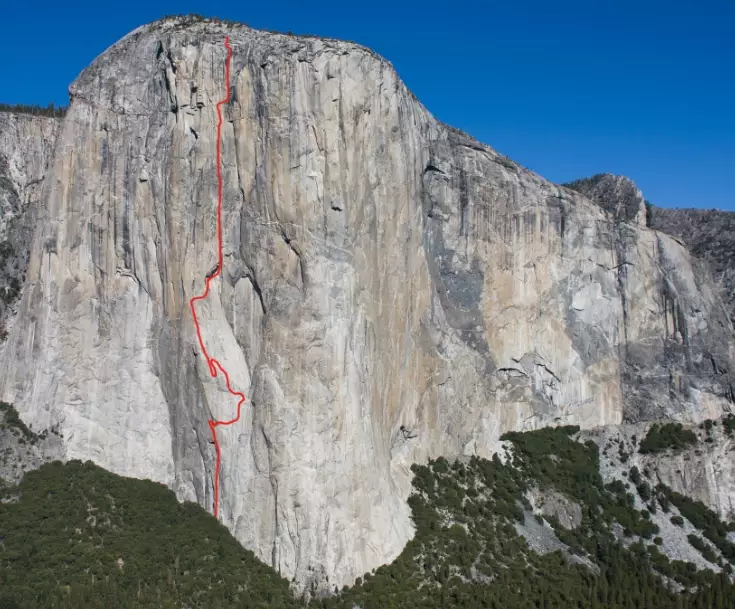
Making Sense of a Topo
A topo is a schematic drawing of the cliff face. It shows lines for each route, with symbols for bolts (dots), anchors (two dots linked), cracks (parallel lines), and grades at the start. The line’s length and features roughly correlate to the climb. It takes practice. My first time, I spent 20 minutes at the base of a wall, guidebook in hand, turning in circles before I matched the drawing to reality.
From Screen to Stone: Planning Your First Outdoor Climb
Let’s make this concrete. Assume you’re planning a weekend trip to a popular sport climbing area like Rumney in New Hampshire.
Step 1: Research & Select. Open Mountain Project. Browse the “Rumney” area. Filter for routes graded 5.8 to 5.10a. Look for routes with high star ratings (quality) and many ticks (popular, usually well-protected). Note a few in different sectors: maybe “Waimea” (5.8) at the Meadows, “Pioneer’s Route” (5.9) at the 5.8 Crag, and “Blackjack” (5.10a) at the Main Cliff. Having options for different sun aspects and crowds is key.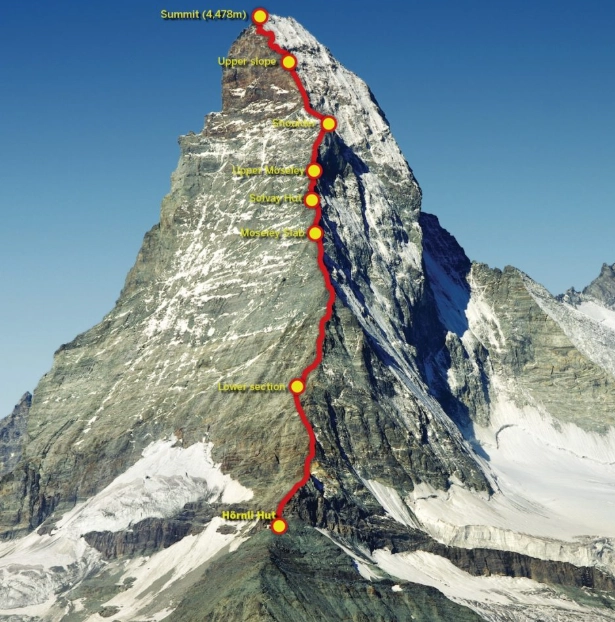
Step 2: Gather Beta. Read the comments. “The first bolt is high but the climbing is easy” is critical info. Check the “Approach” tab. Note the parking situation—some areas have tiny lots that fill by 8 AM.
Step 3: Pack the Extras. Beyond your harness, shoes, and rope, you need: a helmet (non-negotiable), a stick clip (to safely clip the first bolt if it’s high), more quickdraws than you think (12-14 for sport), a backpack, approach shoes, 3+ liters of water, and a headlamp (just in case).
Step 4: Crag Etiquette. This is the unspoken rulebook. Don’t walk under other climbers. Keep voices down. If a group is on a route, ask how many pitches they have left before claiming it. Pack out all trash, including tape and fruit peels. Share anchor spaces politely. A good reputation travels fast.
The day will feel slower than the gym. There’s hiking, figuring things out, watching others, and sitting in the dirt. That’s the point. It’s not about maxing your grade; it’s about connecting the skills to a real, immutable piece of the world.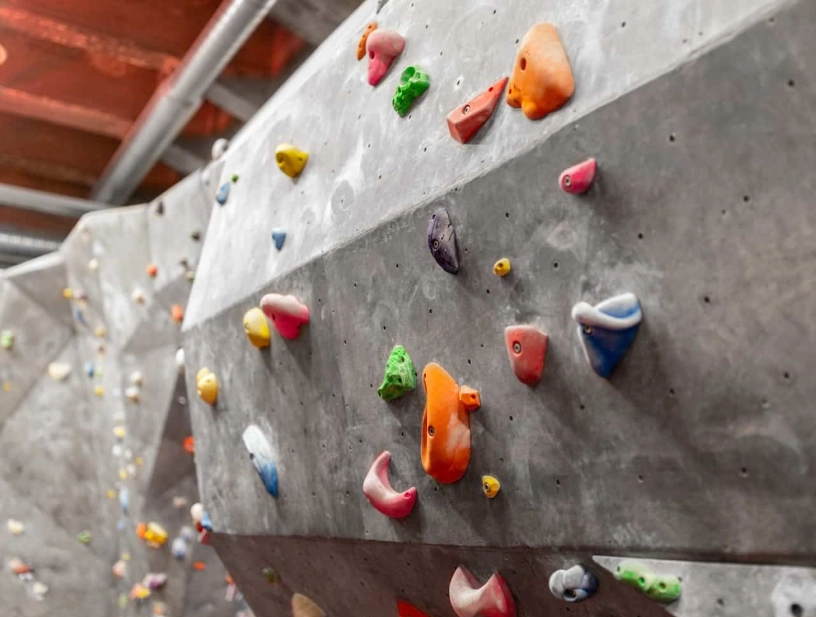
Your Burning Questions Answered (FAQ)
As a gym climber, how do I choose my first outdoor rock climbing route?
Ignore your gym grade. Actively seek a route 2-3 number+letter grades easier. Look for descriptions with words like “classic,” “well-protected,” “fun,” and “great for beginners.” Avoid terms like “spicy,” “runout,” or “sandbag” (a climb harder than its grade). Using a guidebook or Mountain Project’s “Classic” filter is perfect. The goal is success and enjoyment, not ego.
What’s the biggest mistake people make when reading climbing route grades?
They treat them as absolute, universal measurements. A 5.10 in soft sandstone can feel like a 5.8 in sharp granite. A “sustained” 5.9 where every move is at that level is harder than a “jug haul” 5.9 with one tricky move. Grades are an opinionated consensus, not a science. Use them as a general range, not a promise.
I found a route online, but how do I actually locate it on the massive cliff?
This is the real skill. Use the topo and photo in your guidebook or on Mountain Project. Match the cliff’s overall shape and obvious features (big tree, left-facing corner, distinct roof). Count crack systems or buttresses from the edge of the cliff as described. Often, you’ll see chalk marks on holds or the glint of bolts at the start. If you’re truly lost, ask a friendly-looking climber nearby—most are happy to point you in the right direction.
Are highly starred routes always the best choice?
Not always. A 5-star route is usually fantastic, but it’s also often crowded. A 3-star route right next to it might offer a more peaceful, equally enjoyable experience. High stars can also indicate a “must-do” testpiece at your limit, which might be a miserable struggle for a first outing. Read the description to see why it’s starred—“amazing exposure” is different from “perfect beginner lead.”
How do I know if a climbing route is a sport climb or a trad climb?
The guidebook or Mountain Project listing will explicitly say “Sport” or “Trad” under “Type.” Visually, sport routes have a line of evenly spaced, drilled bolts along their length, ending at a bolted anchor with metal rings or chains. Trad routes follow crack systems or faces with no fixed protection; you’ll only see the anchor at the top. If you’re unsure and see no bolts for the first 30 feet, it’s almost certainly a trad route—don’t get on it without the proper gear and knowledge.