Ask a dozen climbers what they need, and you'll get a dozen different packing lists. But after a decade of scraping knuckles on granite, freezing on alpine ridges, and watching countless newcomers fumble with gear they don't understand, I've realized the answer is much bigger. The question "what does every climber need?" points to a gap between buying stuff and being prepared. True readiness is a three-legged stool: physical gear, tangible skills, and an intangible mindset. Missing one, and the whole thing wobbles.
What's Inside?
The Non-Negotiables: Your Physical Gear Checklist
Let's get the shopping list out of the way. Yes, you need stuff. But the mistake isn't in buying gear—it's in buying the wrong gear, or thinking the gear does the work for you. This table isn't just a list; it's a hierarchy of necessity, from "you will die without this" to "this makes the day better."
| Gear Category | Specific Items | Why It's Essential & Common Pitfall |
|---|---|---|
| Life-Support (The Holy Trinity) | Climbing harness, dynamic climbing rope, helmet, locking carabiners, belay device. | This system keeps you off the ground. The pitfall? Buying a harness that doesn't fit your hip-to-waist ratio, leading to constant readjusting and discomfort that distracts you when you need focus most. |
| Footwear & Hand Protection | Climbing shoes, chalk bag with chalk. | Shoes are your primary connection to the rock. The biggest error is getting them "comfortable" like street shoes. They should be snug—uncomfortably snug—without causing sharp pain. A shoe that's too big is a liability on small edges. |
| Safety & Anchors | Personal Anchor System (PAS) or slings, cordelette, set of nuts/cams for trad. | This is for when you stop climbing—at anchors, on belay ledges. New climbers often overlook this, thinking "the rope is enough." A dedicated PAS prevents you from incorrectly using your daisy chain or tying inefficient knots at a busy anchor. |
| Comfort & Sustenance | Weather-appropriate clothing (synthetic layers), approach shoes, water, high-energy food, headlamp. | Hypothermia, dehydration, and bonking (sudden energy loss) are silent trip-enders. Cotton kills because it retains moisture. A headlamp is non-negotiable—even day trips can get delayed. |
My Gear Mistake: I once saved up for the most aggressive, downturned performance shoe on the market for my first outdoor climb—a long, slabby route. My toes were screaming after 15 minutes, and my feet slid off every smear. I needed a neutral, all-day comfort shoe. The "best" gear is what's best for your specific climb, not the most expensive item on the wall.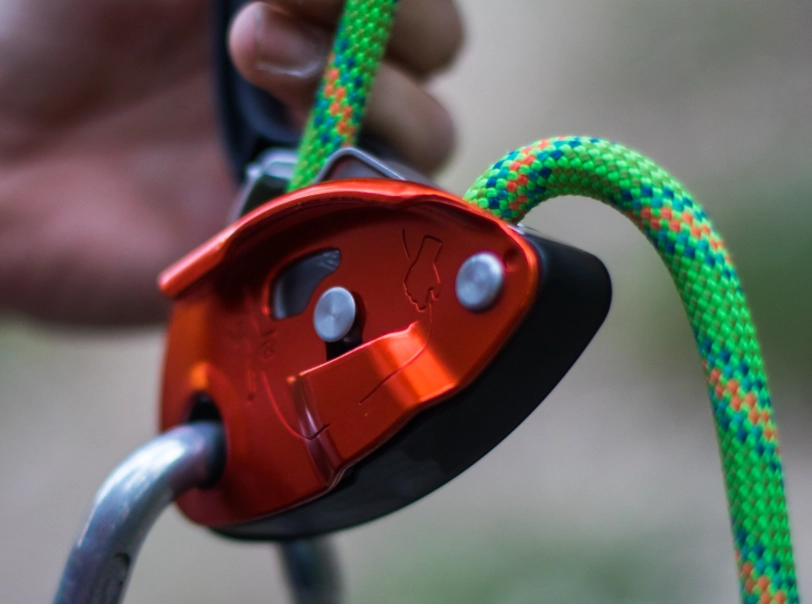
Beyond the Hardware: The 5 Essential Skills You Can't Buy
Gear is inert without knowledge. These are the skills I see most often neglected in gym-to-crag transitions.
1. How to Truly Belay (Not Just Catch Falls)
Everyone practices taking falls. But can you smoothly pay out rope as your partner makes a tricky clip? Can you give a tight, attentive belay on a slab where they need constant reassurance? Do you know how to manage rope drag for a traversing route? Modern assisted-braking devices are great, but they breed complacency. Practice paying out and taking in rope smoothly with your eyes closed. Your partner's sense of security depends on the feel of the rope, not just the device.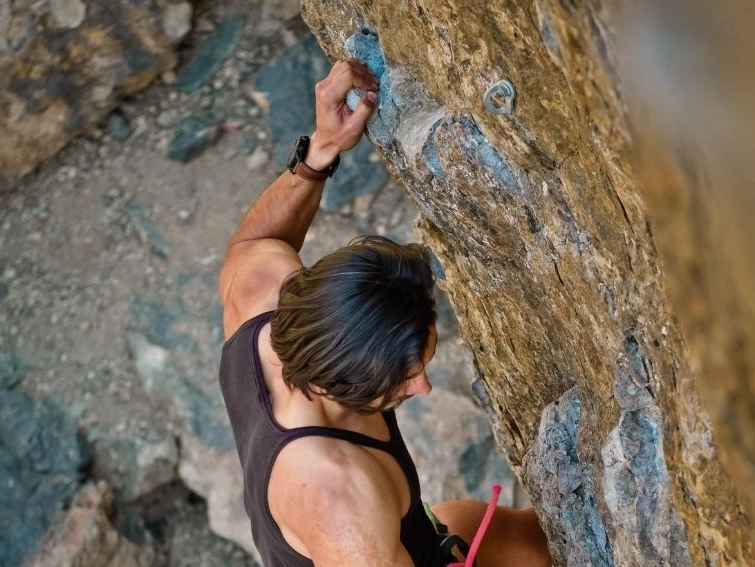
2. Efficient Rope and Knot Management
Time at the anchor is dead time. Can you stack or coil your rope quickly without creating a bird's nest? Can you tie a figure-8 follow-through, a clove hitch, and a munter hitch in the dark, with cold hands? I've seen parties turn a 4-hour climb into a 7-hour epic because one person couldn't efficiently tie into the anchor. Drill these knots at home, watching TV.
3. The Art of the Tactical Downclimb
Climbing culture glorifies the send. But the ability to downclimb 10 feet to a good rest, or retreat safely from a route that's over your head, is a superpower. It conserves energy and prevents desperate, risky moves. Practice downclimbing easier routes in the gym. It feels awkward at first, but it builds a crucial safety reflex.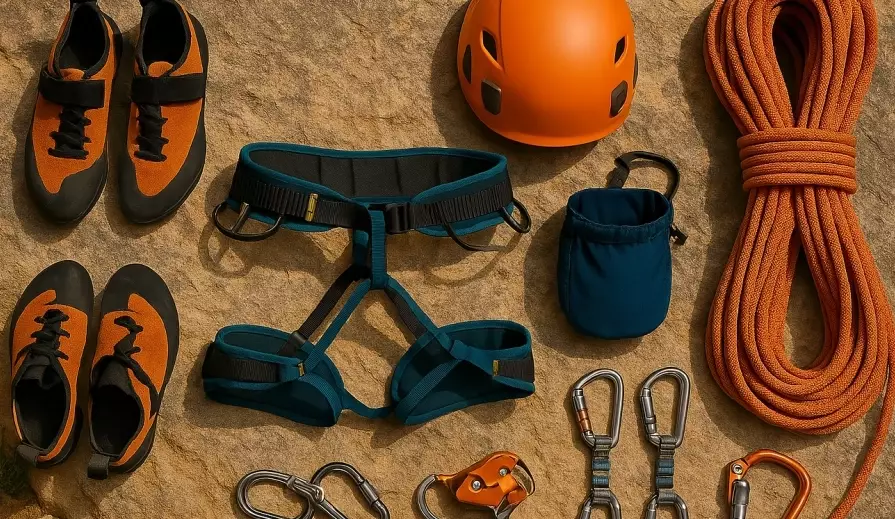
4. Reading Rock and Route-Finding
Indoors, holds are colored. Outdoors, you're deciphering a puzzle. Look for water streaks (often grippy), lichen (slippery), and crack systems. The line of least resistance isn't always straight up. The skill is linking features—a small edge to a pinch to a restful jam—before you even leave the ground. Spend 10 minutes just looking at the route. Where would you go?
5. Basic First Aid and Self-Rescue Fundamentals
Can you treat a bleeding laceration from a sharp hold? Do you know how to escape the belay if your partner is incapacitated? The American Alpine Club emphasizes that self-rescue skills are a core responsibility. Taking a course like those from the American Mountain Guides Association (AMGA) isn't just for guides; it's for any climber who doesn't want to be a liability.
The Invisible Kit: Why Mindset Matters More Than Your Rope
This is the most overlooked need. You can have the best gear and solid skills, but the wrong mindset will break you.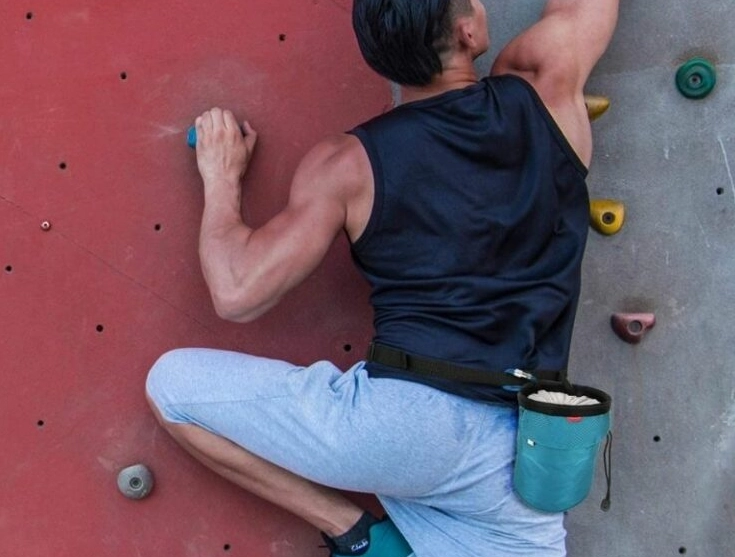
Humility Over Ego: The mountain doesn't care about your gym grade. A V5 climber can get spanked by an "easy" 5.7 crack if they've never jammed before. Go in expecting to learn, not to perform.
Patience as a Tool: Weather changes. Routes get busy. Your project might take days. Impatience leads to rushed anchors, ignored weather reports, and injuries. A planned rest day is a sign of a smart climber, not a weak one.
The "What If" Game: This is your mental pre-climb checklist. What if it starts raining? What if we drop the belay device? What if we're slower than planned and lose light? Running through scenarios before they happen creates mental pathways for calm decision-making under stress. It turns panic into procedure.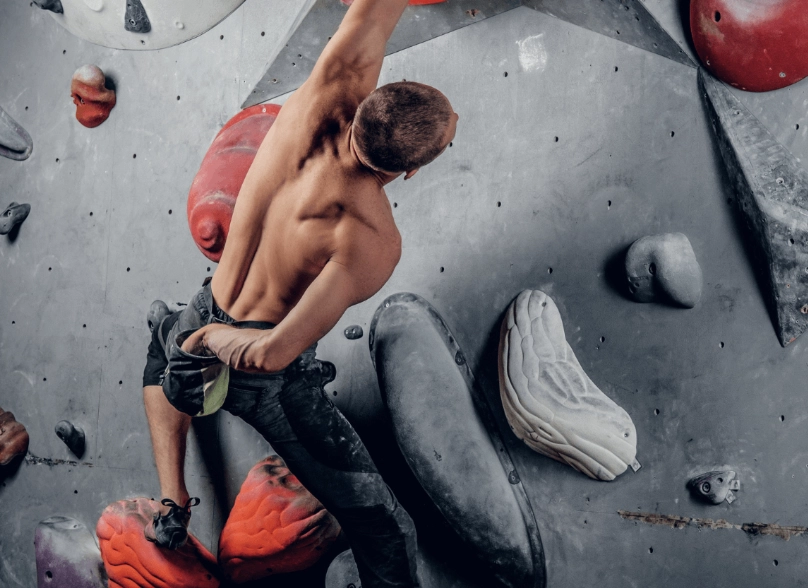
Your Climbing Questions, Answered (Without the Fluff)
So, what does every climber need? It's a layered answer. You need reliable gear that fits the mission. You need practiced skills that turn that gear into a safety system. And above all, you need a mindset of humble preparation, where patience and foresight are valued as highly as strength. Focus on building all three, and you'll find you're not just carrying a heavier pack—you're carrying a lot more confidence, and a far greater chance of coming back with good stories, not bad news.