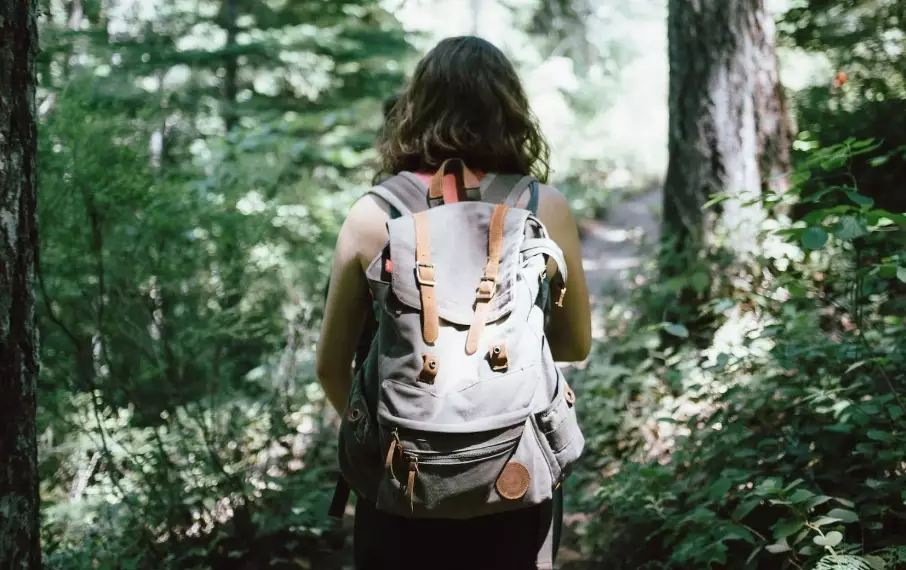
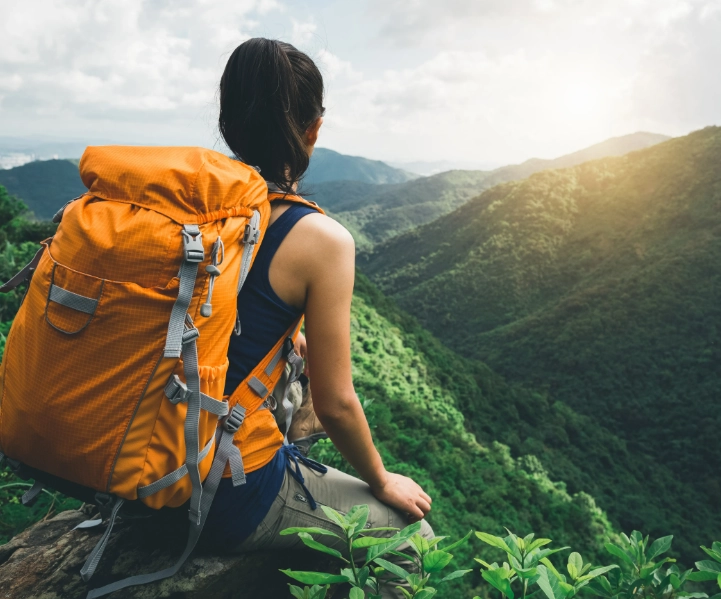
I was on the John Muir Trail last summer when I saw it. A guy ahead of me, hunched over, his backpack sagging low on his back like a sad sack of potatoes. Every step looked painful. His shoulders were red, his pace was slow. I knew exactly what happened. He bought a bag based on a brand name or a cool color, not on how it fit his body and his trip.
That moment is why I'm writing this. Choosing a backpacking bag isn't about finding the "best" one. It's about finding the right one for you. Get it wrong, and your dream trip becomes a slog. Get it right, and the pack disappears, letting you focus on the views.
What You'll Find in This Guide
Capacity is Everything (And Most People Guess Wrong)
You see a number like "65L" and think "that sounds big." But what does 65 liters actually hold? The biggest mistake is buying a bag that's too large. An oversized pack tempts you to overpack, adding dead weight. An undersized one forces you to strap gear to the outside, throwing off your balance.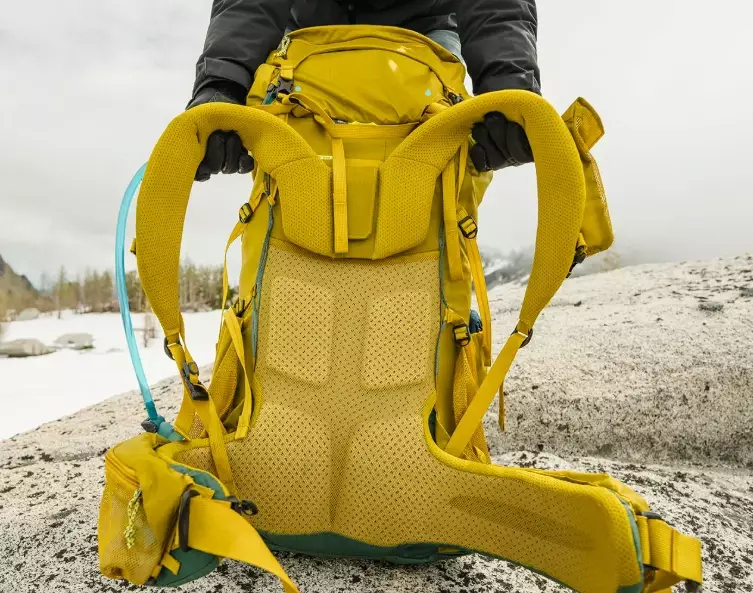
Here’s a non-AI, messy, real-person way to figure it out. Don't just read a chart. Lay your gear on the floor. Your sleeping bag, your tent, your sleeping pad, your cooking pot, your puffy jacket, your rain shell. Pile it all up. Now, imagine stuffing it into a sack. Is it a compact, tight pile? Or a sprawling mess?
This hands-on test tells you more than any generic advice. A study by outdoor gear review aggregator OutdoorGearLab consistently shows that users who test-pack their own gear report higher satisfaction with their pack choice.
Pro Tip: The Weekend Test
If you're new, rent or borrow a 50L pack for a weekend trip first. See how full it gets. That real-world data point is gold. You'll learn if you're a minimalist or need more space for creature comforts.
| Trip Length | Recommended Capacity | What This Fits (For Most) | Watch Out For |
|---|---|---|---|
| 1-3 Nights (Weekender) | 40 - 55 Liters | Summer gear, compact sleep system, minimal clothing. Ideal for fast and light trips. | Struggling with bulkier winter gear or if you need to carry a bear canister. |
| 3-5 Nights (Standard Trek) | 50 - 65 Liters | The sweet spot. Fits a 3-season kit, food, and fuel comfortably. Most versatile size. | Can encourage overpacking if you're not disciplined. Choose the lower end if your gear is modern/light. |
| 5+ Nights / Winter / Expedition | 65+ Liters | Winter sleeping bags, extra layers, more food, mountaineering gear. Necessary for true load-hauling. | These packs are heavier and less agile. Don't buy one for summer weekend use. |
How a Backpack Should Actually Fit (Forget What You Think You Know)
Fit isn't about comfort in the store. It's about comfort with 30 pounds on your back, mile 10, on an incline.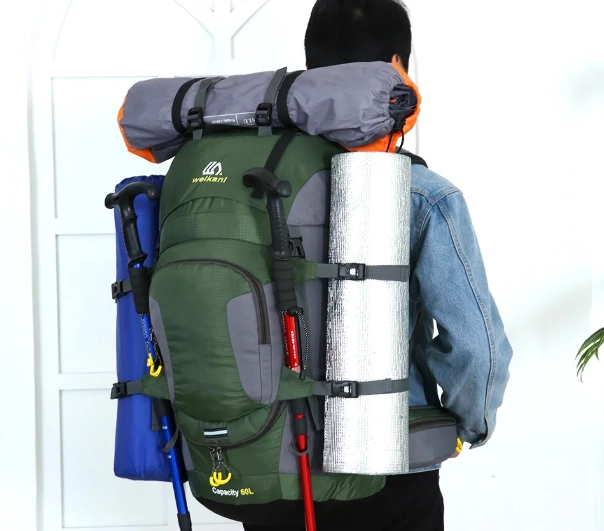
The single most important part of any backpacking bag is the hip belt. Not the shoulder straps. A proper hip belt transfers 80% of the weight to your hips—your body's strongest load-bearing structure. If the hip belt doesn't sit perfectly on top of your iliac crest (those front hip bones), the pack will never carry well.
The Fitting Process Most Stores Get Wrong
They'll measure your torso length. That's step one, and it's critical. But step two is where it falls apart.
You must load the pack with weight. Use sandbags or stuff it with clothes from the store. At least 20-25 pounds.
- Buckle the hip belt first. Crank it snug so it grips your hips.
- Then, lightly tighten the shoulder straps. They should rest on your shoulders, not dig in. Their job is to pull the pack close to your body, not hold it up.
- Use the load lifter straps. Those little straps at the top of your shoulders? Pull them to bring the pack closer at a 45-degree angle. This is the magic move that stops the pack from pulling you backward.
Walk around the store for 10 minutes. Go up and down stairs if you can. Any hot spots on your shoulders or hips? That's a no-go.
Features: The Good, The Useless, and The Secretly Important
Marketing loves features. You need to know which ones matter.
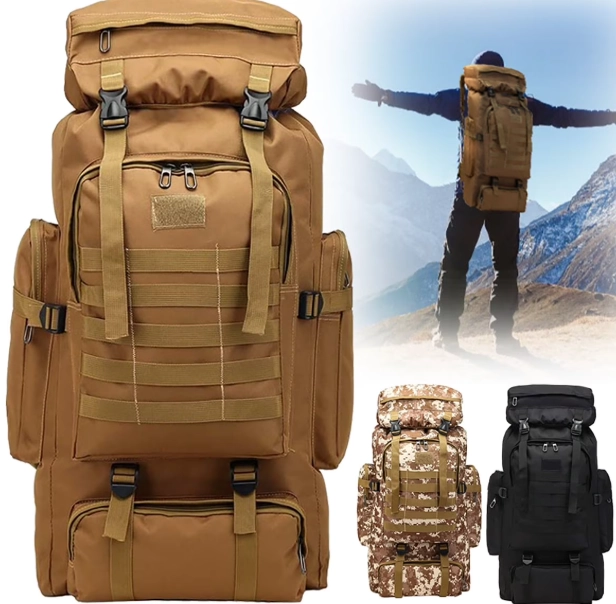
The Frame: Internal frames are standard for a reason. They're more stable and hug your body. External frames are niche—great for carrying awkward, heavy loads (think hunting, trail work), but less comfortable for most hiking.
Access: Top-loaders are simple, lightweight, and often more waterproof. Panel-loaders (zippers down the front) let you access gear without unpacking everything. I prefer a hybrid: a top-loader with a "J-zip" or a front "shovel pocket" for grabbing my rain layer fast.
Pockets: Hip belt pockets are non-negotiable. You'll live out of them for snacks, phone, sunscreen. A stretchy front mesh pocket is brilliant for wet gear or layers you're shedding. Too many pockets add weight and complexity.
The Real MVP Feature No One Talks About: The hydration sleeve. Not just a hole for a tube, but a dedicated sleeve inside the pack, against your back. It keeps your water bladder upright and stable. A wobbly bladder is incredibly annoying.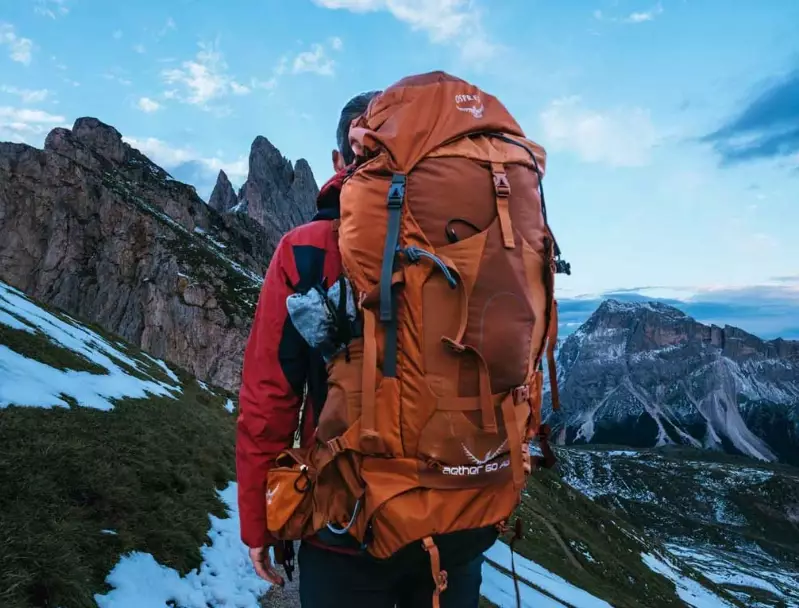
The Core Packing Method: A System, Not Stuffing
Packing isn't just about fitting everything in. It's about balance, accessibility, and center of gravity.
Here's the method I've used for thousands of miles:
Bottom of Pack: Items you won't need until camp. Sleeping bag (in a dry sack). Maybe your sleep clothes. Soft, light stuff.
Middle of Pack (Against Your Back): The heavy stuff. Your food bag. Your stove and fuel. Your water reservoir (full). This is the critical zone. Keeping weight centered and close to your spine prevents the pack from pulling you backward, which is the main cause of back and shoulder fatigue.
Top of Pack: Items you might need during the day but not constantly. Your puffy jacket. Your rain gear. Your first-aid kit.
External & Quick-Access: Rain shell goes in the front mesh pocket. Snacks, map, phone, sunscreen in hip belt pockets. Water filter and a stuffable daypack in the brain (lid).
This system creates a predictable, balanced load. You're not digging for your headlamp at dusk.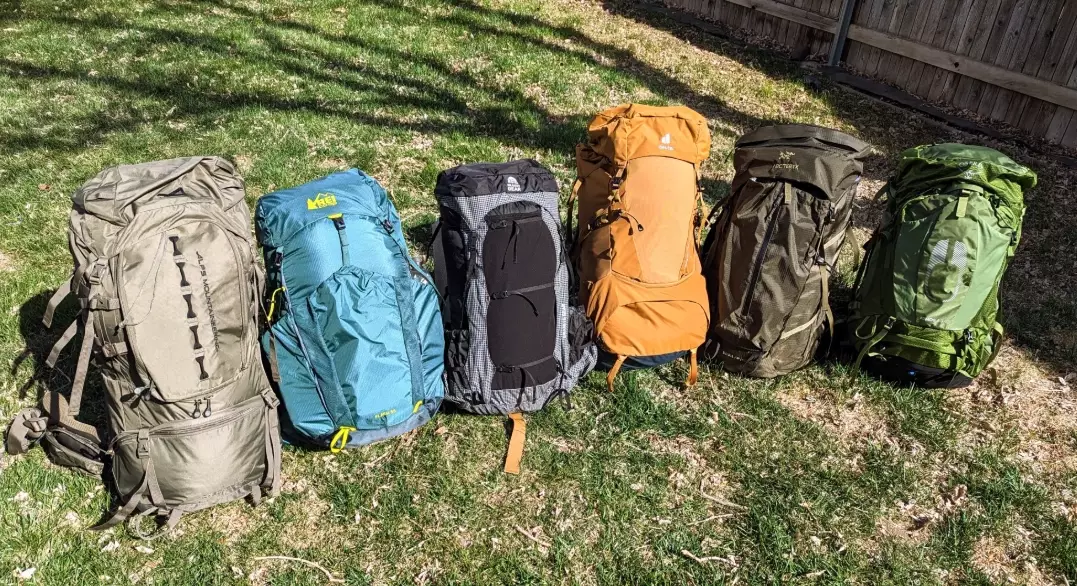
The Ultralight Mindset: A Philosophy, Not Just a Weight
"Ultralight" gets thrown around a lot. It's not just about buying a fancy, expensive 30-ounce pack. It's a system-wide approach. A superlight pack often has minimal padding, a thin hip belt, and a simple frame. It's comfortable only if your total pack weight is low (typically under 20-25 pounds).
If your base weight (everything but food, water, fuel) is still high, a stripped-down ultralight pack will be miserable. The hip belt will cut into you, the shoulder straps will feel like cords.
The trade-off is real. My go-to bag for long trips is a 2.5-pound model. It's not the lightest on the market, but it has enough structure and padding to carry a 30-pound load comfortably when I need to haul 6 days of food. My weekend bag is a simpler, 1.8-pound model. Match the pack to the load.
Resources like the National Park Service's backcountry pages often have great, no-nonsense gear lists that help you understand what's necessary, helping you shed weight responsibly.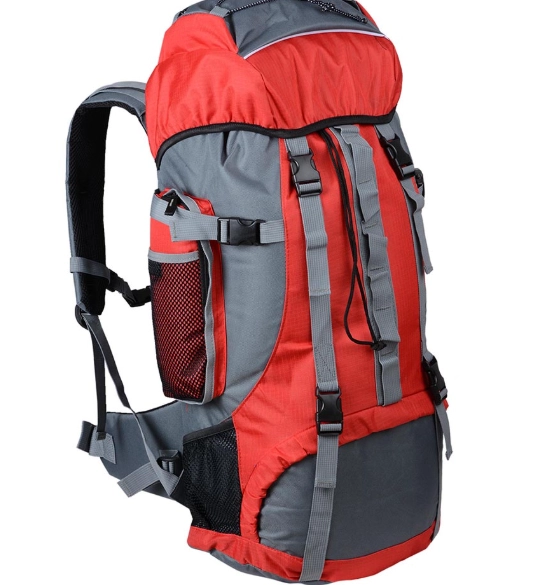
Your Backpacking Bag Questions, Answered
Look, the perfect backpacking bag doesn't exist.
But the right one for your next adventure does. It's the one that fits your unique body, carries the specific load for your trip, and has just enough features to be helpful without being a burden itself. Skip the flashy marketing. Do the floor test. Get a professional fit with weight in the pack. Think of it as part of your body, not just a piece of gear you strap on. When you get it right, you'll forget it's even there. And that's the whole point.