Let's cut to the chase. If you want to climb with a rope, learning to belay isn't just a skill—it's a sacred responsibility. Your partner's life is literally in your hands. That sounds intense, and it is. But here's the good news: with proper instruction, focused practice, and the right mindset, belaying becomes second nature. This guide isn't just a list of steps. It's the foundational knowledge I wish I had when I started, stuff you won't always hear in a crowded gym intro class.
What You'll Learn in This Guide
What is Belaying and Why is it So Crucial?
Belaying is the system and technique used to manage the rope for a climber, controlling its slack and being ready to arrest a fall. Think of yourself as a human brake system. You're not just holding the rope; you're actively managing the climber's safety buffer.
There are two main roles:
The Climber: The person ascending the wall or rock.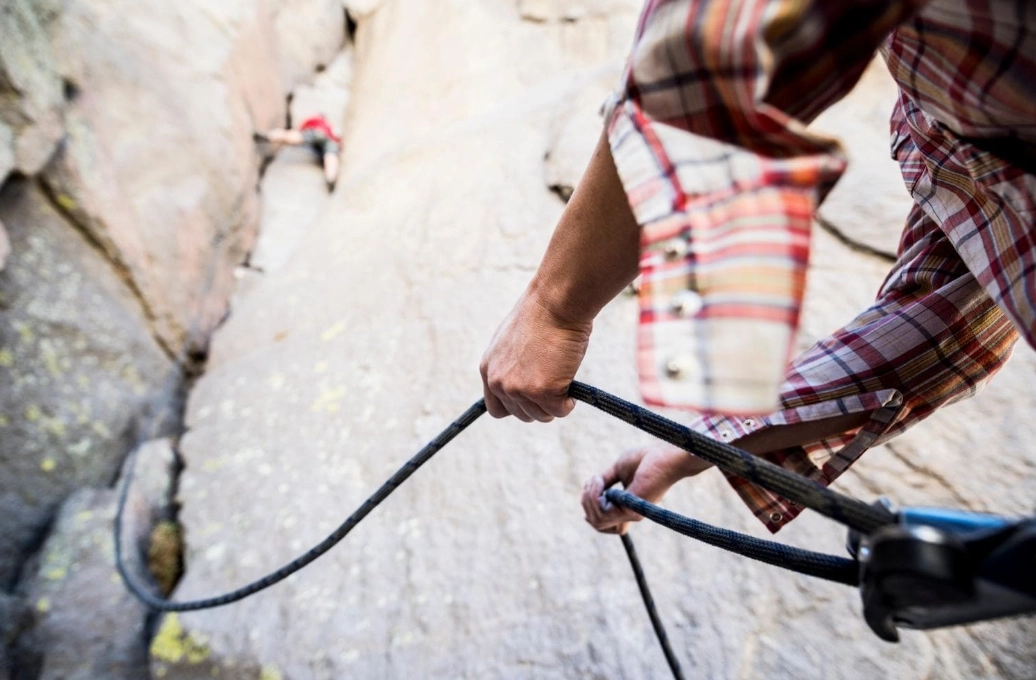
The Belayer: That's you. Your job is to feed out rope as they climb up (giving slack) and take in rope as they descend or are lowered (taking in slack). Most critically, you must lock off the rope instantly if they fall.
Why is this so non-negotiable? A falling climber generates a lot of force. A proper belay system, with you as the critical brake, turns that potentially dangerous force into a controlled, safe stop. Organizations like the UIAA (International Climbing and Mountaineering Federation) and the AMGA (American Mountain Guides Association) set the safety standards we all follow, and the brake hand rule is rule number one.
Essential Belay Gear: A Beginner's Toolkit
You don't need a ton of gear to start, but you need the right pieces. Here’s the breakdown of what you'll be using, with some real-talk opinions.
| Piece of Gear | What It Is & Why You Need It | Beginner-Friendly Notes |
|---|---|---|
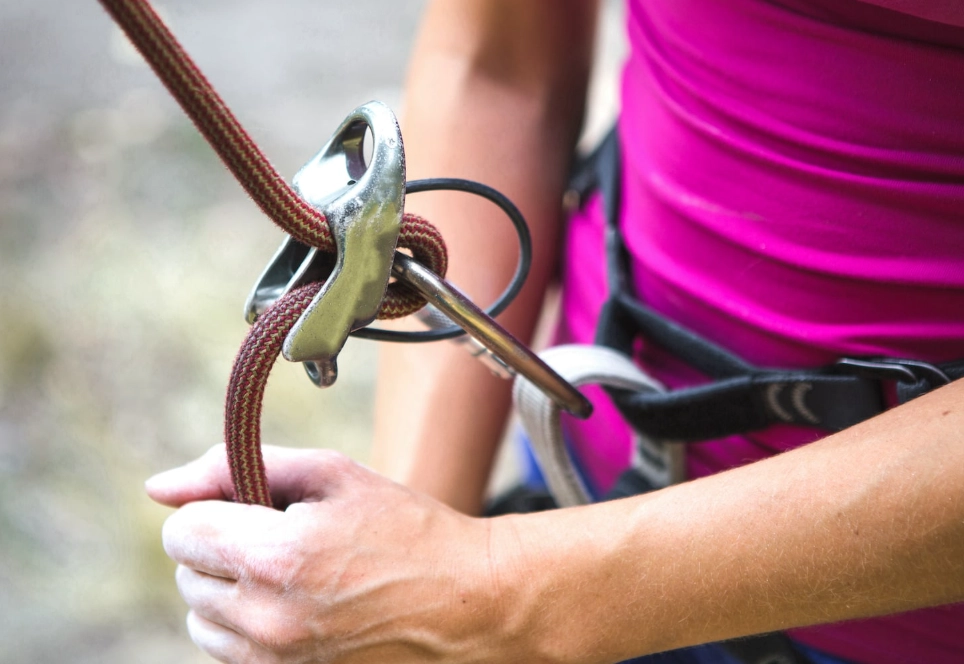
| Belay Device | The mechanical piece that creates friction on the rope, allowing you to control it. This is your primary tool. | Start with a tubular style (like an ATC). It forces you to learn proper hand technique. Self-locking devices (like a Petzl GriGri) are fantastic, but they can create bad habits if they're your first device. |
| Climbing Harness | You wear this. It has a belay loop, which is the only point you should attach your belay device to. | Comfort is key. Try some on. Ensure the leg loops fit snugly. A cheap, uncomfortable harness will ruin your day. |
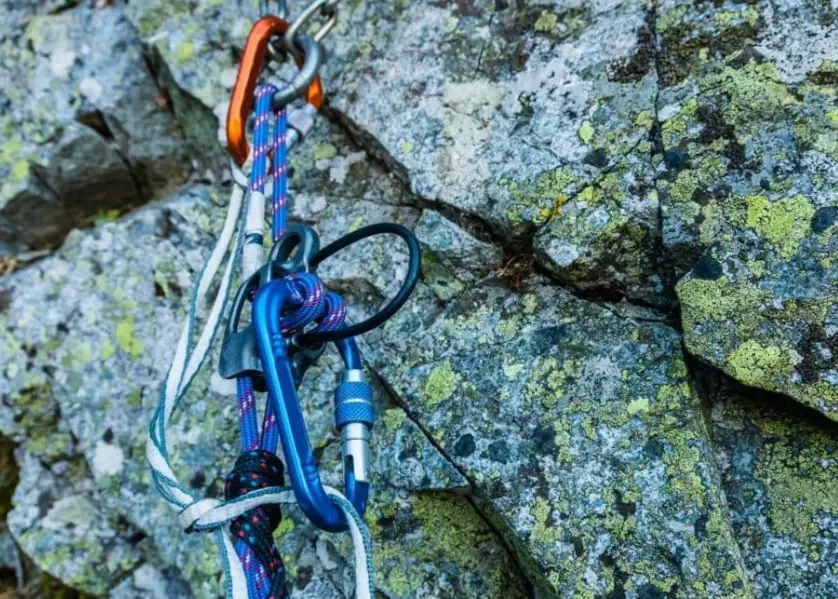
| Locking Carabiner | A carabiner with a locking gate. This connects your belay device to your harness's belay loop. | Get a pear-shaped (HMS) carabiner. They're easier to use with most devices. Check that the gate is locked every single time. It's a ritual. |
| Climbing Rope | Dynamic rope designed to stretch and absorb the energy of a fall. | Gym ropes are provided. For outdoor use, a 60m or 70m single rope around 9.8-10.2mm diameter is a versatile starter. Thinner ropes are harder to handle for new belayers. |
My personal take? I see too many new climbers rushed onto a GriGri because it's "safer." It is, but only if you know how to use it correctly. An ATC teaches you the fundamentals of feel and attention. After a year of solid ATC use, transitioning to a GriGri feels like an upgrade, not a crutch. I made the switch too early and had to unlearn a sloppy brake-hand habit.
How to Belay: A Step-by-Step Guide for Beginners
This is the core sequence. We'll assume you're using a tubular device (ATC style) in the gym. Always, always get certified instruction at your local climbing gym first. This is a reference, not a replacement.
The Pre-Climb Check (Partner, Belayer, Visual)
This happens before anyone touches the wall. It's a verbal and visual ritual.
Partner Check: "Hey, are you ready? Harness buckled double-back?"
Belayer Check: "My device is attached to the belay loop with a locked carabiner. My brake hand is on."
Visual Check: You physically look at each other's tie-in knot (usually a figure-8 follow-through) and harness buckles. Point at them. This isn't rude; it's professional.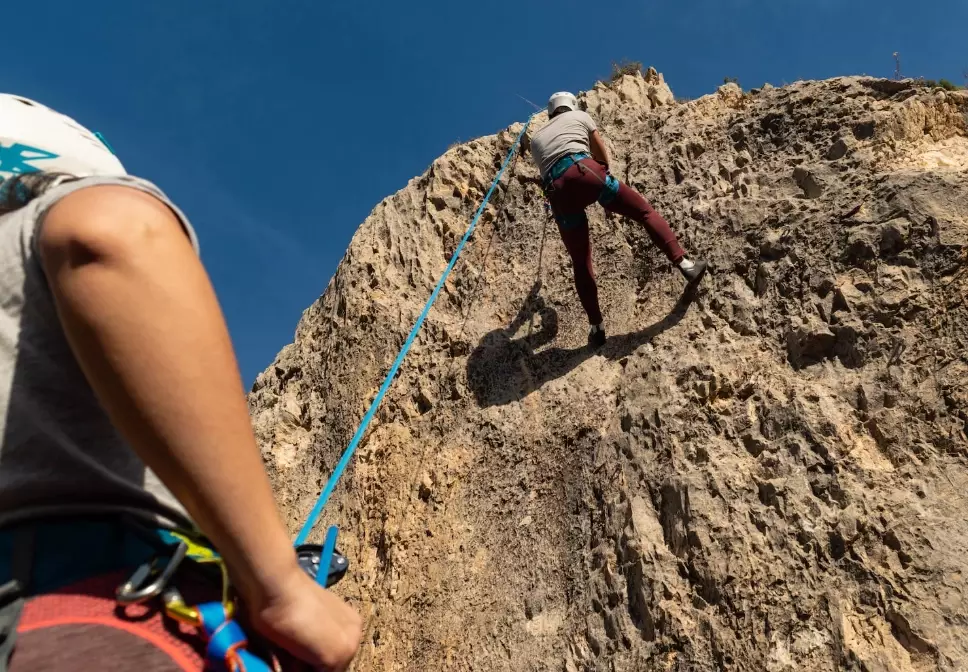
The Belay Communication (Commands)
Clear, loud commands prevent disasters. The climber always speaks first.
Climber: "On belay?" (Meaning: Are you ready to secure me?)
Belayer: "Belay is on." (You confirm the system is ready and take all slack out of the rope.)
Climber: "Climbing."
Belayer: "Climb on."
During the climb, you might hear "Slack!" (give a little rope) or "Take!" (remove all slack and hold tension).
To lower:
Climber: "Ready to lower."
Belayer: "Lowering." (Then you begin a controlled descent.)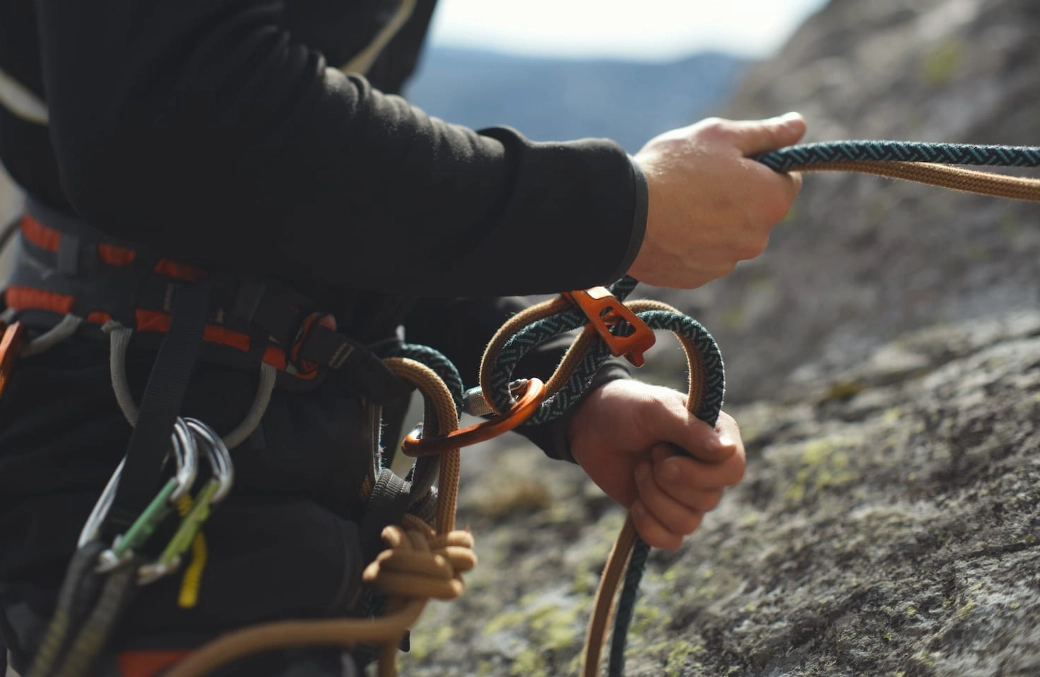
The Hand Motions: PBST (Pull, Brake, Slide, Track)
This is the muscle memory you need to drill.
Pull: Your guide hand (up near the device) pulls a length of rope up from below. The rope slides through the device as the climber moves.
Brake: Immediately after pulling, your brake hand (down on the free rope end) swings down into the braking position. This is a sharp, angled motion away from the device. The rope is now pinched and locked.
Slide: While the rope is locked in the brake position, your guide hand slides down to meet your brake hand.
Track: Your guide hand now becomes your new brake hand, gripping the rope in the brake position. Your old brake hand moves up to become the new guide hand. Repeat.
It feels clunky at first. Do it slowly without a climber, just pulling rope through. The rhythm is everything.
What Are the Common Belaying Mistakes Beginners Make?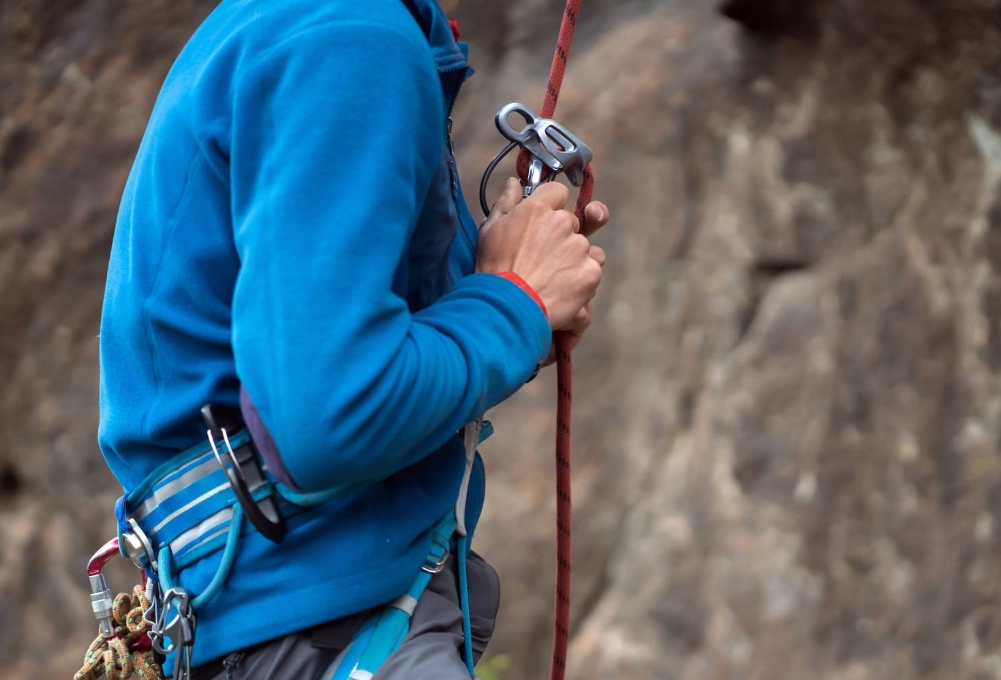
Beyond the brake hand, here are subtle errors that creep in.
Zombie Belaying: Staring at your partner's feet or the ground. Your eyes should be on the climber's waist/center of mass. That's where the rope is tied in, and that's what moves during a fall.
Riding the Brake Too Hard: You're so scared of dropping someone that you keep constant heavy brake pressure, making it hard for the climber to pull rope. It's a tug-of-war. You need to find the balance between a secure brake and smooth feeding. Practice with a patient partner.
The "Oh Crap" Jump: If your climber falls, your instinct might be to jump upwards or towards the wall. Don't. Stay planted, keep your brake hand locked, and let the device and rope system do the work. Jumping can shock-load the system or even pull you into the wall.
Miscommunication: Mumbling commands in a loud gym. Be loud, be clear. If you're unsure what you heard, the command is always "Say again?" Never guess.
From Gym to Crag: Your Belaying Practice Progression
You didn't learn to drive on the highway. Don't learn to belay on a 100-foot outdoor route.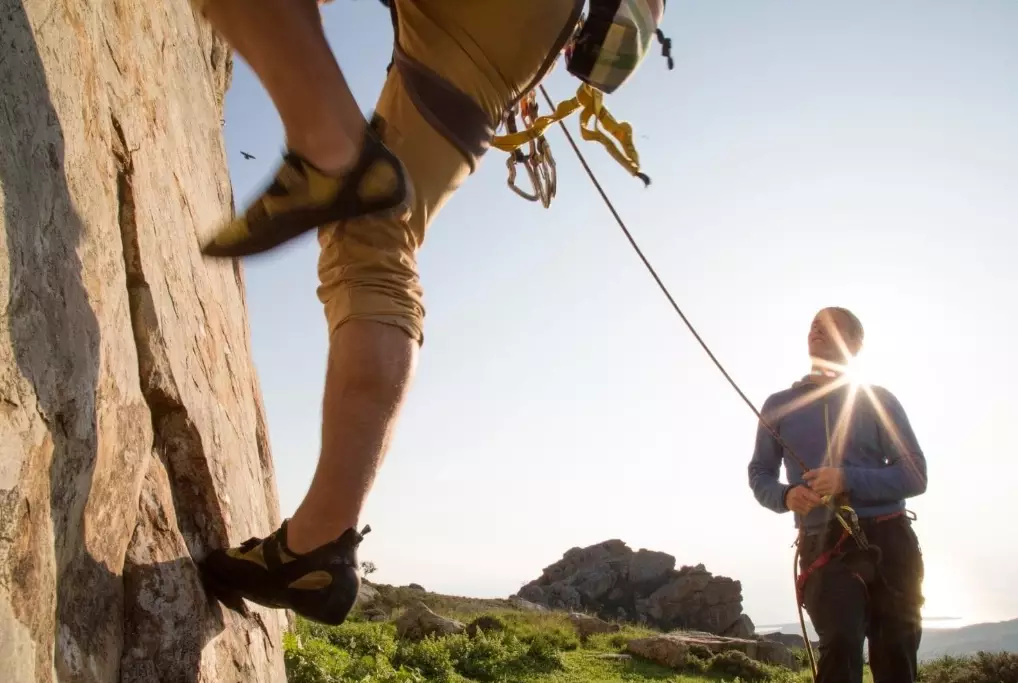
Step 1: Ground School. Practice the PBST motions sitting on your living room floor with a rope through your device. Boring? Yes. Essential? Absolutely.
Step 2: Top-Rope Belay in the Gym. Start with an experienced climber on an easy route. Focus on smooth feeding and attentive lowering. Ask them to take small, unexpected "practice falls" from just a foot off the ground (with your full attention and a spotter). Get used to the feeling.
Step 3: Lead Belay in the Gym. A whole different beast. You now have to manage dynamic slack and catch longer falls. Do not attempt this without a formal lead belay course. The rope management and body positioning are critical.
Step 4: Outdoor Top-Rope. New variables: anchor setup, rope drag over rock, wind, distractions. Go with an experienced mentor. Everything is slower and more deliberate outdoors.
This progression builds competence and, more importantly, confidence. Rushing it is how accidents happen.
Your Belaying Questions, Answered
 I get nervous and my hands sweat. Any tips?