You're staring at your backpack, wondering what to pack. The trail calls, but a nagging worry says you might forget something crucial. I've been there, miles from the trailhead with a blister the size of a quarter because I wore the wrong socks. Let's cut through the noise. The ten most important things for hiking aren't just ten items you buy; they're a mix of essential gear, non-negotiable skills, and a mindset shift that separates a miserable slog from an unforgettable adventure. Forget the year-specific lists. This is the core, evergreen knowledge every hiker needs.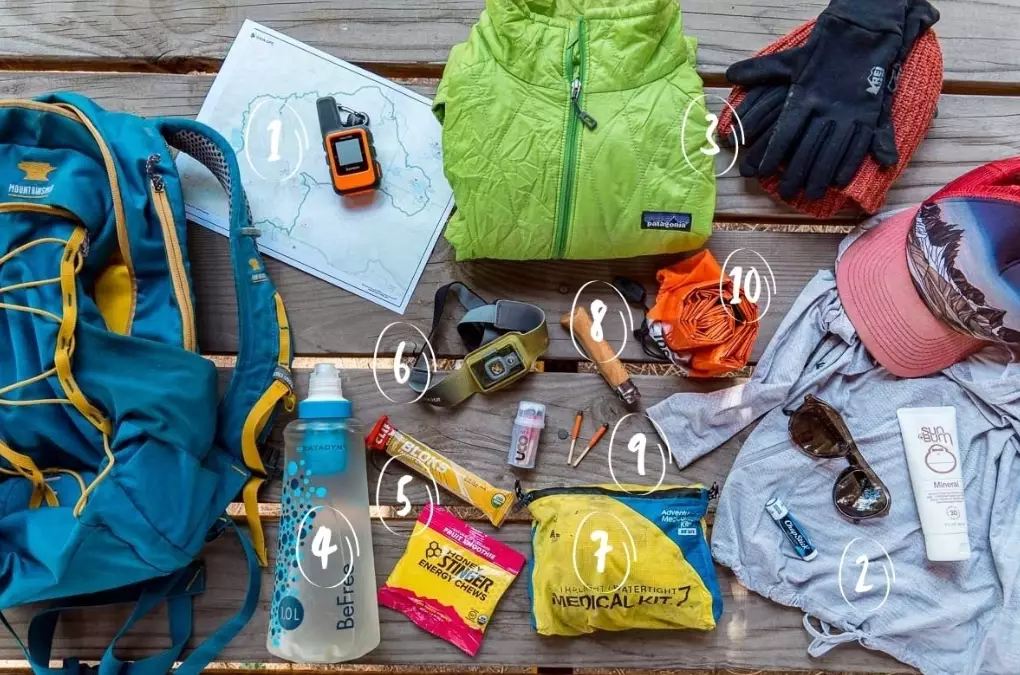
Your Quick Trail Guide
The Unskippable Gear Essentials
These are the physical items that should never leave your pack. I don't care if it's a one-mile nature loop; conditions change, and so do you.
1. Footwear First: Your Foundation
This is non-negotiable. Your shoes are your primary contact with the trail. A common mistake? Buying shoes that fit perfectly in the store. Your feet swell on hikes. Go a half to a full size up. Try them on with the hiking socks you plan to wear.
Trail Runners vs. Hiking Boots: The old rule of "boots for heavy loads" is fading. For most day hikes under 15 miles with a sub-20lb pack, modern trail runners (like those from Altra, Salomon, or Hoka) offer better agility, less weight, and dry faster. Boots still have their place for off-trail scrambling, extreme weather, or if you need serious ankle support.
Break them in. Wear them to the grocery store, on walks. Never start a long hike with brand-new footwear.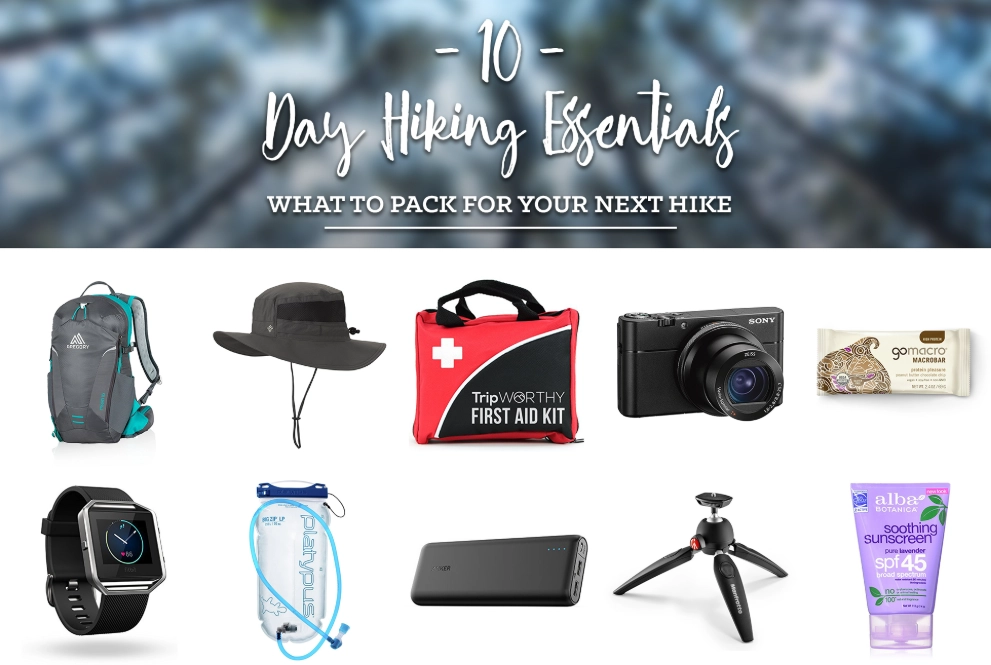
2. The Backpack: Your Mobile Basecamp
It's not just a sack. A good pack (20-35 liters for day hikes) transfers weight to your hips, not your shoulders. Key features: a ventilated back panel, a hip belt with pockets (for snacks and phone), and side pockets for water bottles. Don't overpack it. The goal is comfort, not bringing your entire closet.
3. Hydration System: Water is Life
Dehydration leads to fatigue, headaches, and poor decisions. I prefer a combination: a 2-liter hydration bladder (like a CamelBak) for easy sipping, plus a spare 1-liter Smartwater bottle. Why Smartwater? The threads are standard for popular water filters like the Sawyer Squeeze.
4. Nutrition: High-Energy, Low-Bulk Fuel
You burn more calories than you think. Forget heavy sandwiches. Think calorie-dense, non-perishable foods: nuts, trail mix, energy bars (Clif, RXBAR), jerky, dried fruit. Pack more than you think you'll need—an extra 200-300 calories can be a morale-saver if you're delayed.
Eat before you're hungry. A small snack every 45-60 minutes keeps your energy steady.
Safety & Navigation: Your Get-Home-Free Card
This category prevents minor mishaps from becoming major incidents.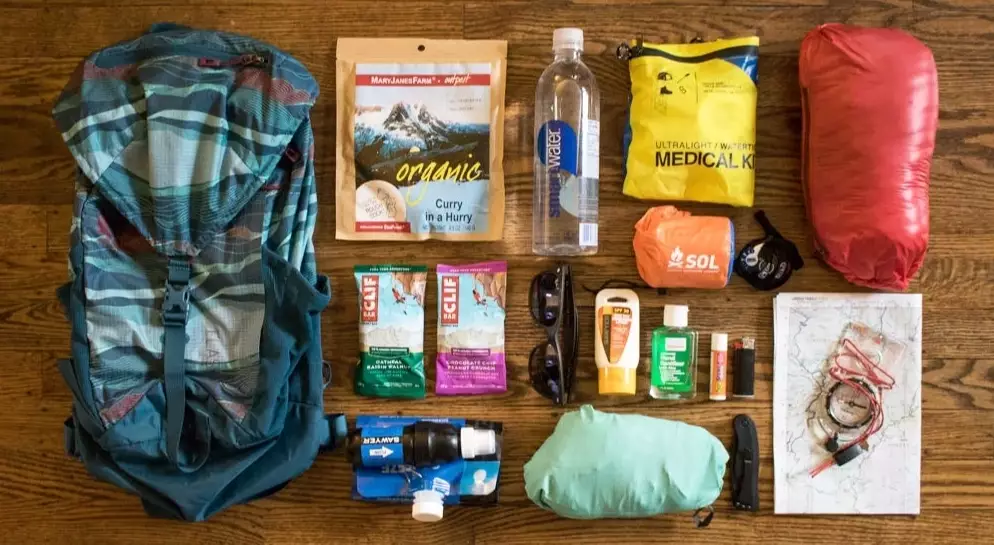
5. Navigation: Map & Compass (Yes, Really)
Your phone is a backup, not a primary. Batteries die, screens break, service vanishes. Carry a physical topographic map of the area (USGS or National Geographic) and a basic compass—and know how to use them. At a minimum, know how to orient the map to north. Apps like Gaia GPS or AllTrails are fantastic tools, but always download the map for offline use. I've watched too many people panic when their "blue dot" stopped moving.
6. Illumination: A Headlamp
Even on a day hike. A simple, lightweight headlamp (like a Petzl Actik) is crucial if your hike takes longer than expected. Getting caught in the dark without light is disorienting and dangerous. Check the batteries before you go.
7. First Aid & Repair: The Fix-It Kit
A premade kit is a start, but personalize it. Must-haves: blister treatment (moleskin or Leukotape is far better than bandaids), antiseptic wipes, gauze, adhesive tape, pain relievers, and any personal medication. Add a mini multitool, duct tape wrapped around a water bottle, and a safety pin. This kit fixes you and your gear.
Clothing & Layering: Your Mobile Shelter
Cotton kills. It's a cliche because it's true. Cotton absorbs moisture and loses all insulating ability when wet, leading to rapid heat loss.
8. The Layering System: Adapt to Anything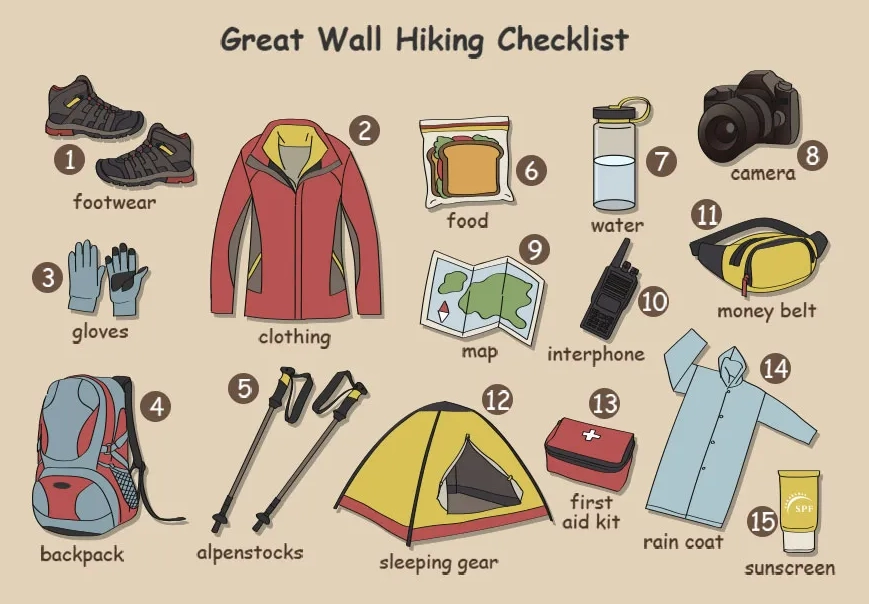
Dress in versatile layers you can add or remove.
- Base Layer: Moisture-wicking synthetic or merino wool. Keeps sweat off your skin.
- Insulating Layer: A fleece or puffy jacket (down or synthetic) for when you stop moving or temperatures drop.
- Shell Layer: A waterproof and windproof rain jacket. Even if the forecast is clear, pack it. Mountain weather is fickle.
For bottoms, quick-dry hiking pants or leggings are ideal. Always pack a spare pair of socks.
9. Sun & Bug Protection
A wide-brimmed hat, sunglasses with UV protection, and sweat-resistant sunscreen (SPF 30+) are mandatory. For bug-prone areas, a small bottle of picaridin or DEET repellent can save your sanity. I learned this the hard way in the Minnesota boundary waters.
The Overlooked Mindset & Skills
The tenth "thing" isn't an object you pack. It's what you carry in your head.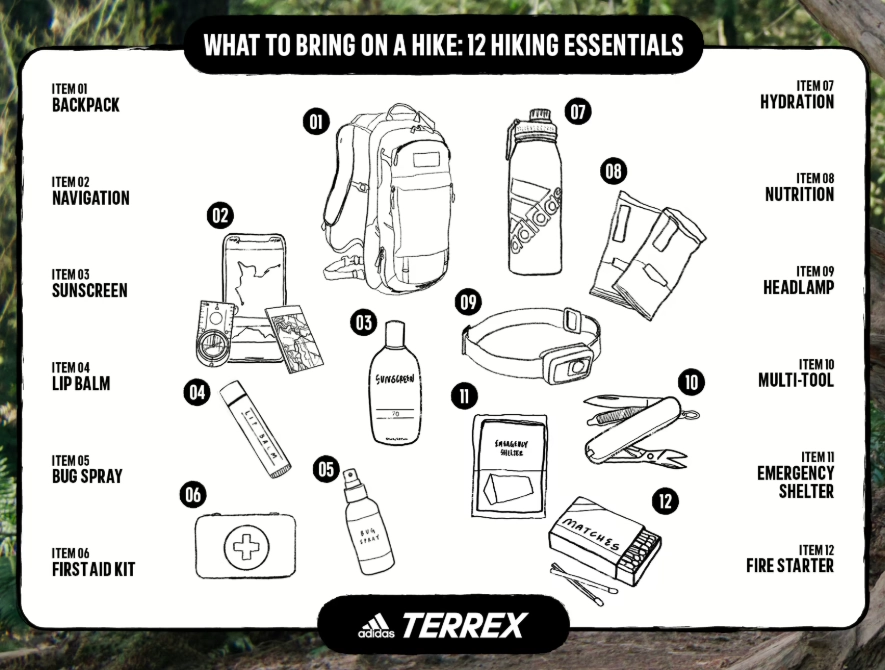
10. Knowledge & Leave No Trace Ethic
This is the most important thing on this list. It encompasses trip planning, situational awareness, and respect.
Trip Planning: Tell someone where you're going and when you'll be back. Check the weather forecast for the trailhead and the summit—they can be wildly different. Know the trail difficulty and your own limits.
Leave No Trace (LNT): This isn't just about litter. It's a framework: plan ahead, travel on durable surfaces, dispose of waste properly (pack out toilet paper!), leave what you find, minimize campfire impacts, respect wildlife, and be considerate of other visitors. The Leave No Trace Center for Outdoor Ethics is the authority here.
It's the skill of self-awareness. Knowing when to turn around because weather is moving in faster than expected. Understanding that reaching the summit is optional, but getting home safely is mandatory.
Your Final Packing & Planning Checklist
Use this table as your final pre-hike audit. Customize it based on season and trail.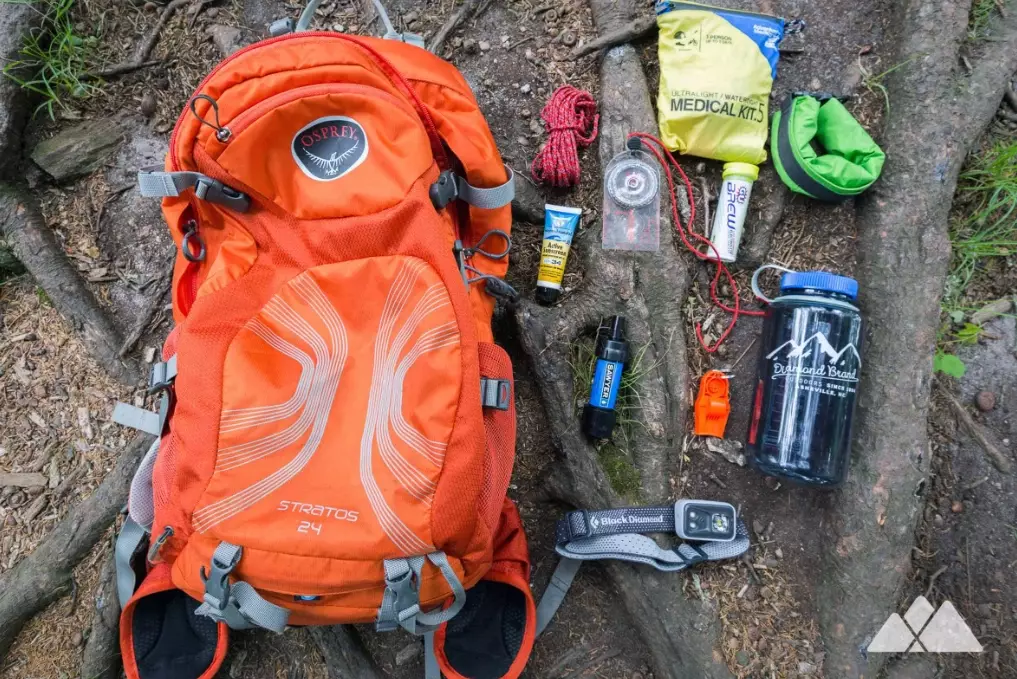
| Category | Essential Item | Pro-Tip / Why It's Critical |
|---|---|---|
| Footwear | Broken-in hiking shoes/boots, moisture-wicking socks (plus a spare pair) | Prevents blisters, the #1 hike-ender. Wool or synthetic only. |
| Hydration | 2-3 Liters of water, hydration bladder or bottles | More needed in heat or altitude. Consider a filter (Sawyer Squeeze) for long hikes. |
| Nutrition | High-energy snacks (nuts, bars, jerky), extra 300 calories | Eat small amounts often. "Bonking" (energy crash) is avoidable. |
| Navigation | Topographic map, compass, GPS app (offline maps downloaded) | Test your GPS app at home first. Know your basic route landmarks. |
| Safety | Headlamp, first aid/repair kit, fire starter (lighter), whistle | The whistle is for emergencies—three short blasts is the universal distress signal. |
| Shelter/Clothing | Rain jacket, insulating layer, hat, sunscreen, bug spray | Assume the weather will change for the worse. The puffy jacket is for when you stop. |
| Planning | Itinerary left with a contact, weather check, permit (if required) | If you get lost, this tells rescuers where to start looking. Check park official websites for alerts. |
Hiking FAQ: Expert Answers to Real Concerns
 My feet always hurt after hiking, even with good shoes. What am I doing wrong?