What You'll Discover in This Guide
Backpacking isn't just about strapping a bag to your back and hopping on a plane. If that's all it was, we'd call it "luggage travel." No, backpacking is a mindset, a way of moving through the world that prioritizes experience over luxury, connection over convenience. I remember my first real backpacking trip in Thailand—I had a 40-liter pack, a vague plan, and this nervous excitement that something real was about to happen. Ten years later, after trips across five continents, I can tell you: backpacking means embracing the messy, beautiful uncertainty of travel on your own terms.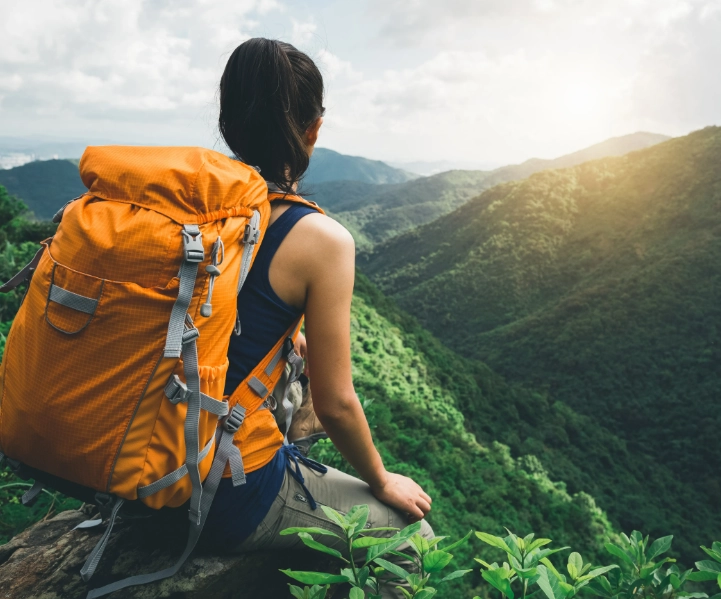
It's freedom, but with blisters. Adventure, but on a budget. Let's break it down.
The Core Philosophy of Backpacking
At its heart, backpacking is about minimalism and immersion. You carry everything you need, so every item earns its place. That physical limitation forces you to focus on what matters: people, places, stories. Unlike packaged tours where you're shepherded from photo op to photo op, backpacking lets you get lost in a Moroccan medina or share a meal with a family in Vietnam.
Budget is a huge part of it. But don't confuse "cheap" with "low-quality." Backpacking teaches you to spend smart—$5 on a street food feast instead of $50 at a tourist trap. You sleep in hostels not just to save money, but to meet other travelers. That social aspect is key. Some of my closest friends are people I shared a dorm room with in Peru.
Flexibility is another pillar. I once planned to spend three days in Prague, but a conversation in a Berlin hostel led me to detour to Krakow instead. Backpacking means your itinerary is written in pencil, not stone.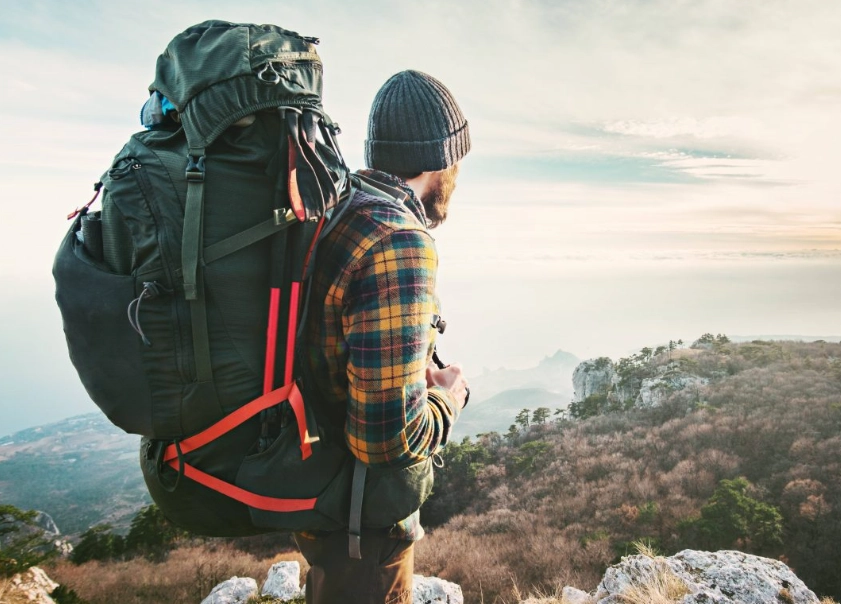
How to Plan Your First Backpacking Trip
Planning a backpacking trip feels overwhelming, but it's simpler than you think. Start with the basics: where, when, and how much.
Choosing Your Destination: Trails vs. Cities
Are you drawn to mountains or metropolises? Backpacking isn't just wilderness trekking; it's also urban exploration. For beginners, I recommend regions with good infrastructure and backpacker networks. Southeast Asia (Thailand, Vietnam) is classic for a reason—it's affordable, friendly, and packed with routes. Europe's interrail system is great for city-hoppers. South America offers raw adventure but demands more Spanish.
Consider the season. Monsoon in India? Maybe skip July. Research beyond guidebooks—check travel blogs like Nomadic Matt for up-to-date tips.
Budget Breakdown: The Real Numbers
Let's get concrete. For a month in Southeast Asia, here's a rough breakdown:
- Accommodation: Hostel dorms: $5-$15/night = $150-$450/month.
- Food: Street food and local eateries: $10-$20/day = $300-$600/month.
- TransportBuses, trains, occasional flights: $100-$300/month.
- Activities: Temples, tours, snorkeling: $100-$200/month.
Total: $650-$1550, excluding flights and insurance. Flights vary wildly; use Skyscanner for deals. Always add a 10% buffer—trust me, you'll need it for that spontaneous boat trip or medical kit.
Booking everything in advance is a mistake. Book your first few nights, then play it by ear. Apps like Hostelworld help, but sometimes the best places aren't listed.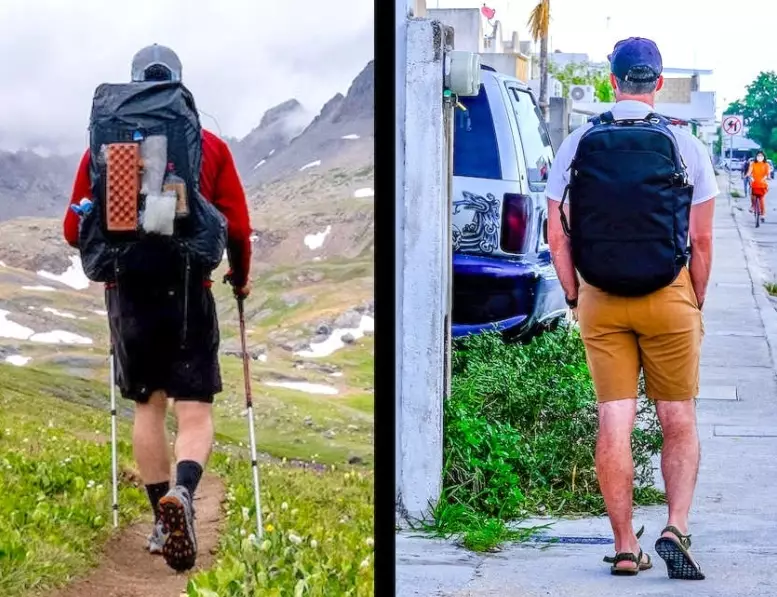
Itinerary Flexibility: Why Less Is More
New backpackers often cram too much. In two weeks, trying to do Bangkok, Chiang Mai, Phuket, and Siem Reap means you're always traveling, never experiencing. Pick two or three bases and explore outward. Give yourself permission to stay an extra day if you love a place. I spent a week in a tiny Guatemalan village because the coffee was that good.
Essential Gear for Backpacking Beginners
Gear can make or break your trip. The goal is light, versatile, and durable. Here's what you actually need, based on my trial and error.
Pro tip: Before buying anything, do a test pack. Put all your gear in your backpack and walk around the block. If it's heavy or awkward, remove items. Repeat until it feels manageable.
| Item | Why It's Essential | Budget Option vs. Splurge |
|---|---|---|
| Backpack (40-50L) | Your mobile home. Too big, you'll overpack; too small, you'll struggle. | Budget: Osprey Farpoint 40 (~$150). Splurge: Deuter Aircontact Lite (~$200). |
| Walking Shoes | Comfort is non-negotiable. Blisters ruin days. | Budget: Merrell Moab 2 (~$100). Splurge: Salomon X Ultra 3 (~$130). |
| Quick-Dry Towel | Hostel towels are rare, and cotton takes forever to dry. | Budget: Microfiber towel from Decathlon (~$10). Splurge: PackTowl (~$25). |
| Universal Adapter | Dead phone equals lost traveler. Get one with USB ports. | Budget: Simple adapter (~$5). Splurge: Skross world adapter (~$30). |
| First-Aid Kit | Band-aids, antiseptic, painkillers. Pharmacies abroad can be confusing. | Assemble your own: ~$20. Include diarrhea pills—you'll thank me later. |
Clothing: Pack for a week, max. Choose neutral colors that mix and match. Merino wool is pricey but worth it—it doesn't smell after days of wear. I learned this after a three-day bus ride in Bolivia where my synthetic shirt could stand on its own.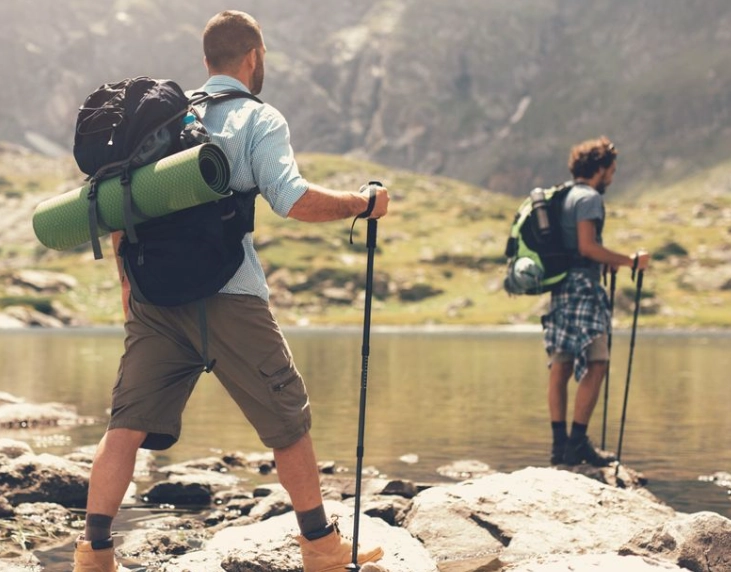
Tech: A smartphone is enough for most. Download offline maps (Google Maps or Maps.me) and translation apps. But bring a physical notebook too. Writing down addresses or sketching maps saves battery and feels more authentic.
Common Backpacking Mistakes and How to Avoid Them
We all mess up. Here are blunders I see repeatedly, and how to sidestep them.
Overpacking: This is the number one error. I once brought a hairdryer to a camping trip in Nepal—it never left my bag. Stick to the essentials. If you forget something, you can buy it locally (except maybe prescription meds).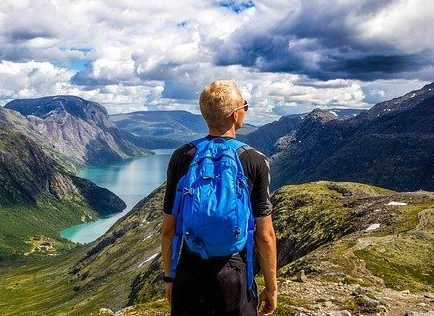
Under-budgeting for emergencies: That $100 flight change fee or $50 doctor visit can derail your trip. Set aside a hidden cash reserve, separate from your main wallet. I keep $50 in local currency stashed in a sock.
Ignoring local customs: In Japan, I wore shoes inside a temple and got scowls for days. Research basic etiquette. Dress modestly in conservative areas. Learn a few phrases in the local language—"hello," "thank you," "sorry" go a long way.
Sticking only to tourist trails: Backpacking means venturing off the beaten path. Sure, see the Eiffel Tower, but also wander the backstreets of Montmartre. Some of my best memories are from places I stumbled upon accidentally, like a hidden waterfall in Costa Rica that wasn't in any guide.
Neglecting health: Travel insurance is non-negotiable. I use World Nomads for their flexibility. Also, get vaccinations recommended by the CDC. I skipped rabies shots for Southeast Asia and spent a panicked night after a monkey bite—luckily, it was fine, but the scare wasn't worth it.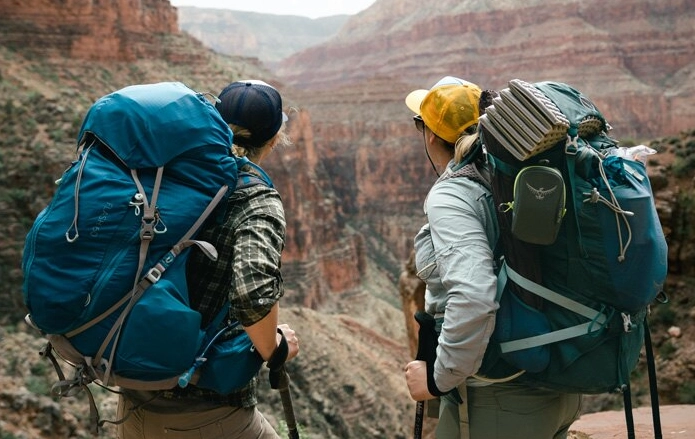
Backpacking FAQs Answered by an Expert
Backpacking means different things to different people. For some, it's hiking the Appalachian Trail with a tent. For others, it's bouncing between European capitals with a small bag. But at its core, it's about embracing the unknown with curiosity and resilience. Start small—a weekend trip nearby—to test your gear and mindset. Then expand outward. The world is vast, but with a backpack, it feels a little more like home.
Got questions? Drop them in the comments—I've been there, and I love helping new travelers avoid my early mistakes.