Most people think hiking is simple. You find a trail, you start walking. How hard can it be? I thought the same thing ten years ago when I set off on my first "real" hike with cotton everything and a bottle of water. I was exhausted, chafed, and nearly out of water by mile three. That day taught me that knowing how to hike correctly is the difference between a miserable slog and a life-affirming adventure. It's not about being the fastest or having the most expensive gear. It's about a mindset and a set of skills that keep you safe, comfortable, and deeply connected to the trail. This guide breaks it down, from the moment you consider a hike to the moment you get back to your car.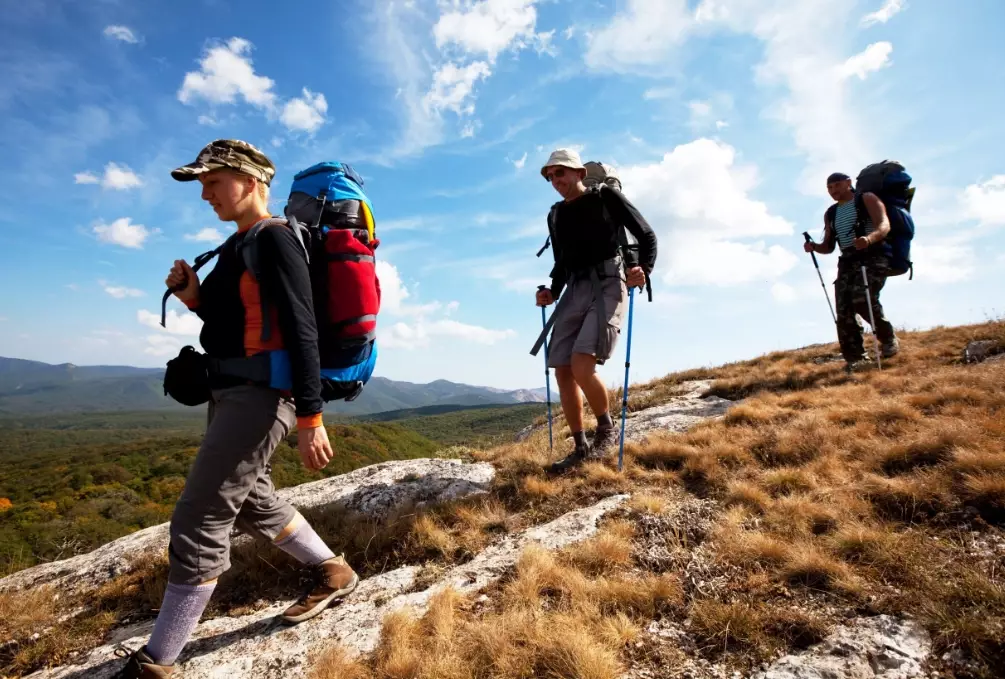
Your Quick Trail Guide
Gear Up: Choosing the Right Hiking Equipment
Let's start with the stuff. The biggest mistake beginners make is overcomplicating gear or buying the wrong thing first. You don't need a $500 jacket for a local park trail. Focus on these three pillars.
The Holy Trinity: Footwear, Backpack, and Clothing System
Footwear is everything. A bad shoe choice can ruin your hike before you hit mile two. Trail runners are fantastic for most well-maintained trails under 10 miles. They're light and dry fast. For rocky, uneven terrain or heavier loads, hiking boots offer more ankle support and protection. The key is fit: go to a specialty store in the afternoon (when your feet are slightly swollen), wear the socks you'll hike in, and make sure there's a thumb's width of space in front of your toes. Break them in around the house for a week.
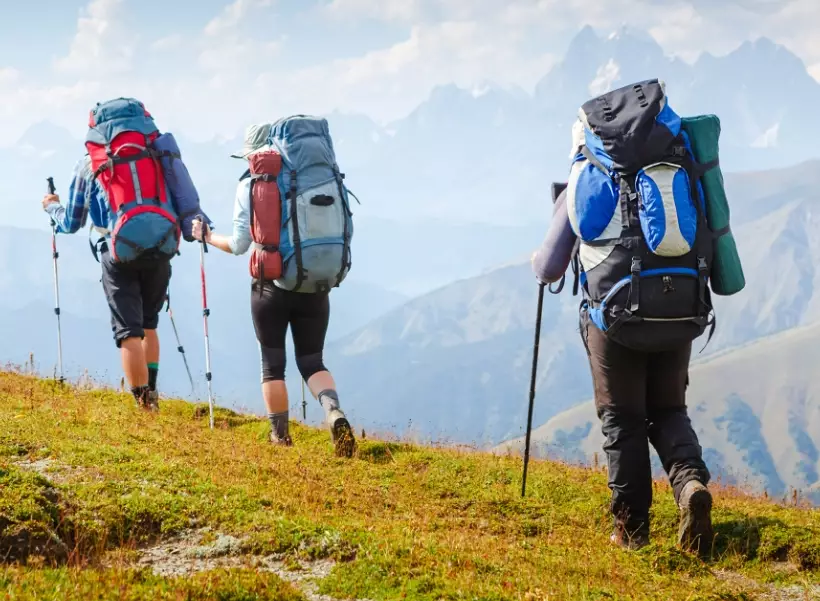
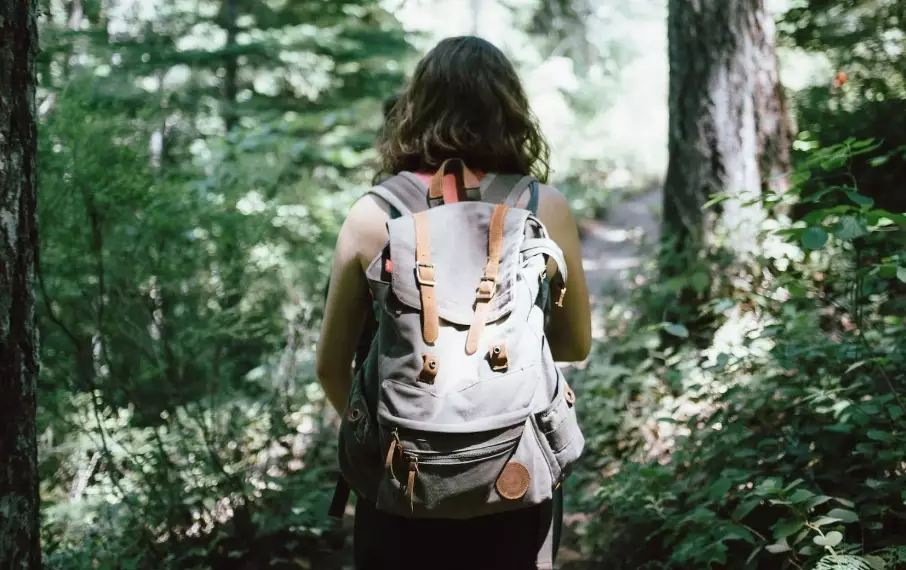
Your backpack is your mobile basecamp. For day hikes, a 20-30 liter pack is perfect. Look for one with a hip belt—this transfers weight from your shoulders to your hips, a game-changer for comfort. Chest straps also help stabilize the load.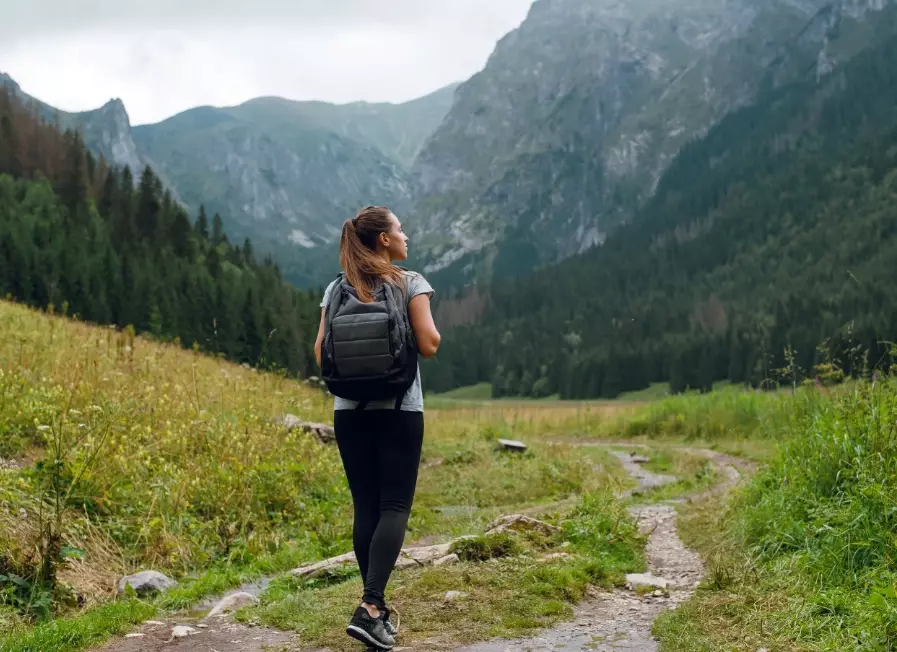
Clothing is about layers, not a single magic jacket. Cotton kills (it holds moisture and loses insulation). Use synthetic or wool fabrics. Your system should be: a moisture-wicking base layer, an insulating mid-layer (like a fleece), and a waterproof/windproof outer shell. You put on and take off layers as you heat up or cool down.
Your Essential Day Hike Checklist
Beyond clothes and a pack, these are the non-negotiables. I use this checklist before every single hike.
| Category | Essential Items | Why It's Critical |
|---|---|---|
| Navigation | Physical map & compass, fully charged phone/GPS | Electronics fail. A map and compass don't. Know how to use them. |
| Hydration | More water than you think (2-3 liters), electrolyte tabs | Dehydration leads to fatigue, cramps, and poor decision-making. |
| Nutrition | High-energy snacks (nuts, bars, jerky), plus an extra meal | Keep your energy steady. The extra meal is for emergencies. |
| Sun Protection | Sunscreen (SPF 30+), sunglasses, hat, lip balm | Sunburn and glare are exhausting and dangerous at altitude. |
| Insulation | Extra layer (fleece/puffy), beanie, gloves | Weather changes fast in the mountains, even in summer. |
| Illumination | Headlamp with extra batteries | Getting caught out after dark without light is a major safety hazard. |
| First-Aid | Kit with blister treatment, pain meds, bandages | Small cuts and blisters can become big problems if ignored. |
| Tools & Fire | Multi-tool, lighter/matches in waterproof case | For gear repairs, preparing food, or emergency warmth. |
| Emergency Shelter | Emergency bivvy sack or large trash bag | Weighs almost nothing but can save your life if you're stranded. |
Plan Your Route Like a Pro
Picking a trail isn't just about the prettiest photo. It's about matching the trail to your ability and preparing for its specific challenges.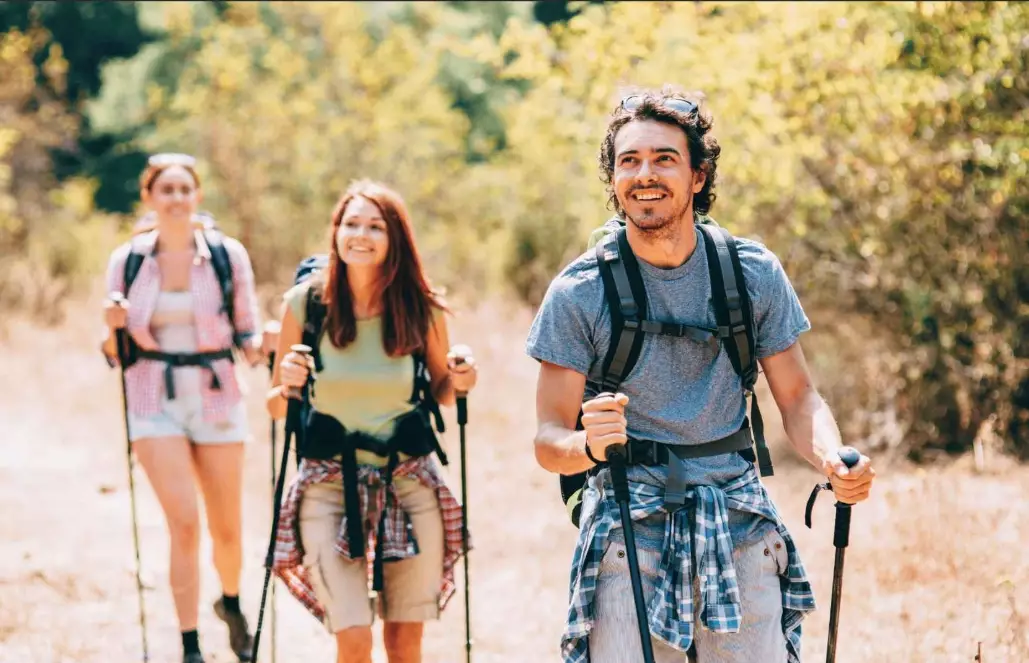
Research Beyond the Star Rating
Don't just look at the distance. A flat 5-mile beach walk is different from a 5-mile climb with 2,000 feet of elevation gain. Use resources like AllTrails or National Park Service websites, but read the recent comments. Look for notes on trail conditions: "overgrown," "stream crossing high," "lots of fallen trees." These details matter more than a star rating.
Always check the official land manager's website for alerts—trail closures, permit requirements, bear activity. I once drove three hours to a trailhead only to find it closed for maintenance. A two-minute online check would have saved the trip.
The Turnaround Time: Your Most Important Decision
Here's a rule from seasoned backpackers that day hikers should steal: decide on a hard turnaround time before you even start. No matter how close you think the summit or viewpoint is, when that time hits, you turn around. This accounts for slower pace than expected, photo stops, or just general fatigue on the return. It's the single best habit to prevent hiking in the dark.
Tell someone your plan. Text a friend or family member your exact trail name, starting point, and when you expect to be back. "Hiking in the mountains" is not a plan. "Hiking the Maple Pass Loop from Rainy Pass trailhead, expecting to finish by 5 PM" is a plan.
On the Trail: Techniques for Efficient and Enjoyable Hiking
This is where "hiking correctly" becomes physical. Good technique conserves energy and protects your body.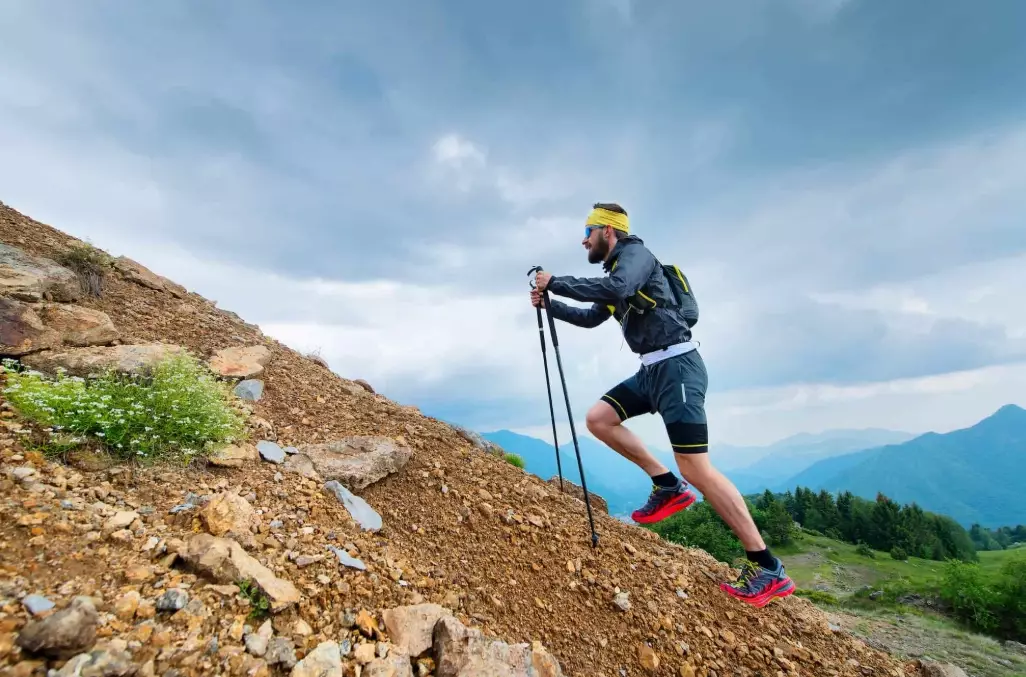
Pace and Rhythm: The Tortoise Wins
Start slow. Embarrassingly slow. Your pace should be one where you can hold a conversation without gasping for air. If you're breathing too hard to speak in short sentences, you're going too fast. You'll burn out your energy reserves in the first hour. Find a rhythm with your breathing—two steps inhale, two steps exhale. It becomes meditative.
Take short, frequent breaks (5 minutes every 45-60 minutes) rather than one long break. It's easier to keep muscles warm and get going again. On steep climbs, use the "rest step": pause briefly with your weight on your back, straight leg locked for a second. It gives your muscles a micro-rest with each step.
Uphill and Downhill Mechanics
Going up: Take smaller steps. Lean slightly forward from the ankles, not the waist. Use your arms for momentum. If it's very steep, zigzag across the trail to reduce the grade.
Going down: This is where most knee pain happens. Keep your knees slightly bent, don't lock them. Take shorter, controlled steps. Lean back a bit and use your core. Trekking poles are absolute magic here—they reduce impact on your knees by up to 25%, according to a study published in the Journal of Sports Sciences. They also help with balance on uneven ground.
Fuel and Hydration On the Move
Don't wait until you're thirsty or hungry. Drink small sips of water regularly. Eat a small snack (a handful of trail mix, an energy bar) every 45-60 minutes to maintain blood sugar. If you feel a "bonk" coming on—that sudden wave of fatigue and irritability—it's already too late. Consistent fueling prevents it.
Safety First: Non-Negotiable Rules for Every Hiker
Respect the trail, and it will reward you. Disrespect it, and things can go wrong quickly.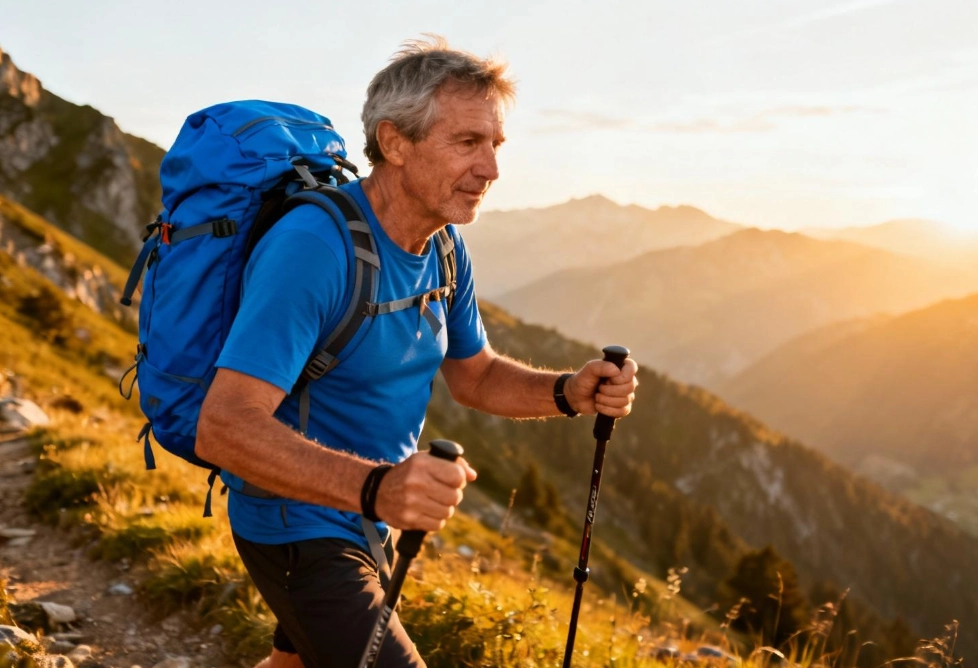
Weather is king. Check the forecast for the trailhead and the summit (they can be wildly different). Be prepared for it to change. If thunderstorms are forecast, plan to be below tree line early. Lightning on an exposed ridge is no joke.
Wildlife awareness. Make noise in bear country—talk, clap, sing off-key. Carry bear spray where recommended and know how to use it. Give all animals a wide berth. That "cute" baby deer? Its mother is nearby and will be aggressive.
If you get lost: STOP. Stop, Think, Observe, Plan. Don't panic and start running. Retrace your steps carefully to the last known trail marker. If you're truly lost, stay put. You're easier to find if you're not moving. Use your emergency shelter and wait for help. This is why that extra food and water are critical.
Leave No Trace. This isn't just being nice; it's a safety and preservation ethic. Pack out all trash (including fruit peels). Stay on designated trails to prevent erosion. Camp and go to the bathroom at least 200 feet from water sources. Respect other hikers by yielding appropriately (uphill hikers generally have the right of way).
Post-Hike: What to Do After You Finish
You're back at the car. Don't just drive off. What you do now affects your recovery and readiness for the next hike.
First, change out of your sweaty clothes and hiking boots. Put on dry socks and comfortable shoes. This simple act prevents maceration (pruny, weak skin) and feels amazing.
Drink more water and have a proper meal with protein and carbs within an hour or two. Your muscles need it to repair.
Do a quick body check. Any hot spots on your feet? Treat them now before they become blisters. Any new aches? Gentle stretching can help.
Finally, clean your gear. Empty your pack, air out your boots, rinse your water bladder. It takes 10 minutes and makes your gear last longer and be ready for next time. I used to skip this and was always greeted by mildew smell and stuck zippers. Not worth it.
Your Hiking Questions Answered
 How do I handle hiking with young children?
Hiking correctly is a skill that deepens with every mile. It's about preparation, awareness, and respect—for yourself, your limits, and the natural world. Start with these fundamentals, and you'll build a foundation for a lifetime of safe, rewarding adventures. Now get out there, take it slow, and leave nothing but footprints.