You see it all the time. A group heads into the mountains. One person is dragging, complaining of a pounding headache and nausea by 10,000 feet. Another feels perfectly fine, even energetic. Why? Figuring out who is more prone to altitude sickness isn't about guessing. It's about understanding a mix of factors you can't change and, more importantly, the ones you absolutely can. The short answer: susceptibility is a combination of genetics, pre-existing health, and crucially, behavioral choices like ascent rate. Let's unpack that.
What You'll Discover in This Guide
The Uncontrollable Core: Genetics and Medical History
Some cards you're dealt. Research, including studies cited by the Centers for Disease Control and Prevention (CDC), showsthat your inherent physiological response to low oxygen is partly written in your DNA. If a parent or sibling has a history of severe altitude illness, your risk is higher. It's not a guarantee, but a heads-up to be extra cautious.
Then there's your medical chart. This isn't about being "unhealthy" in a general sense. It's about specific conditions that affect how your body manages oxygen and pressure.
Pre-existing Conditions That Raise Your Risk
I've guided clients who were marathon runners but had underlying issues they didn't consider. The big ones are:
- Lung Conditions: COPD, severe asthma, pulmonary hypertension. If your lungs already work harder at sea level, they'll struggle more up high.
- Heart Conditions: Heart failure, coronary artery disease, congenital heart defects. Your heart has to pump harder in thin air.
- Sickle Cell Trait: This is critical. The low oxygen environment can trigger a sickle cell crisis, which is a medical emergency. The CDC and Wilderness Medical Society have clear warnings about this.
A crucial nuance: Having one of these conditions doesn't mean you can't go to altitude. It means you must consult a doctor familiar with high-altitude medicine well before your trip. They might recommend a more conservative ascent profile or specific medications.
How Rapid Ascent Triggers Altitude Sickness (The #1 Mistake)
Here's the non-negotiable truth I see ignored constantly: Your rate of ascent is the single greatest controllable risk factor. It often outweighs genetics and fitness combined.
Think of your body as needing time to install software updates—in this case, producing more red blood cells and adjusting kidney function to handle less oxygen. Flying from sea level to Cusco, Peru (11,152 ft) and hitting the trail the next day is like asking for a system crash. The body simply can't adapt that fast.
The UIAA (International Climbing and Mountaineering Federation) and other expert bodies emphasize a simple rule: Sleep no more than 1,000 to 1,500 feet higher than your previous night's sleep once above 8,000 feet. Ignore this, and you're rolling the dice.
I once had a client—a young, incredibly fit ex-collegiate athlete—who insisted we push the itinerary on a Peru trek. He was the first to get hit with severe AMS (Acute Mountain Sickness). His fitness gave him a false sense of security. The mountains don't care about your VO2 max if you don't respect the climb.
Myth Busting: Age, Fitness, and Gender
Let's clear up the common misconceptions. The internet is full of half-truths here.
Age: It's a U-shaped curve. Young children are at slightly higher risk because they may not communicate symptoms well. Older adults (over 50) can be at higher risk if they have age-related cardiovascular changes. But the peak risk group? Young adults in their 20s and 30s. Why? They're often the ones on aggressive itineraries, pushing limits, and ignoring early symptoms, thinking they're invincible.
Fitness: This is the biggest myth. Being fit helps you perform at altitude, but it does not protect you from getting sick. A fit person may even ascend faster, outpacing their body's ability to acclimatize. I'd rather guide a moderately fit person who listens to their body than a super-athlete who charges ahead.
Gender: Most studies show no significant difference in susceptibility between men and women when you control for ascent rate and behavior. However, some data suggests women may be slightly less prone to HAPE (High-Altitude Pulmonary Edema), but more research is needed. The key takeaway: gender alone isn't a reliable predictor.
Your Personal Altitude Sickness Risk Assessment
So, who is more prone? Let's put it together. Use this not to scare yourself, but to build a smarter plan.
>>Drink enough water so your urine is light yellow. Pace yourself at 50-75% of your sea-level effort.>Avoid completely for at least the first 48 hours at altitude. Sleep may be poor—that's normal. Don't reach for sleeping pills.| Risk Factor | Why It Matters | What You Can Do |
|---|---|---|
| Rapid Ascent | Overwhelms your body's acclimatization process. The #1 cause of preventable illness. | Plan a gradual itinerary. Build in rest/acclimatization days. Never fly directly to high altitude and exert yourself immediately. |
| Previous History of AMS | Your body has shown it is susceptible under certain conditions. | Be extra vigilant with a slow ascent. Discuss prophylactic medication (like acetazolamide) with your doctor. |
| Pre-existing Lung/Heart Conditions | Compromises your system's baseline ability to oxygenate. | Mandatory pre-travel consultation with a specialist. May need oxygen saturation monitoring. |
| Dehydration & Overexertion | Worsens all symptoms. Dry air and increased breathing lead to fluid loss. | |
| Alcohol & Sedatives | Depress breathing, worsening hypoxia, and mask symptoms. |
The goal isn't to eliminate risk—that's impossible. The goal is to manage it down to a negligible level through intelligent planning.
Expert Answers to Your High-Altitude Questions
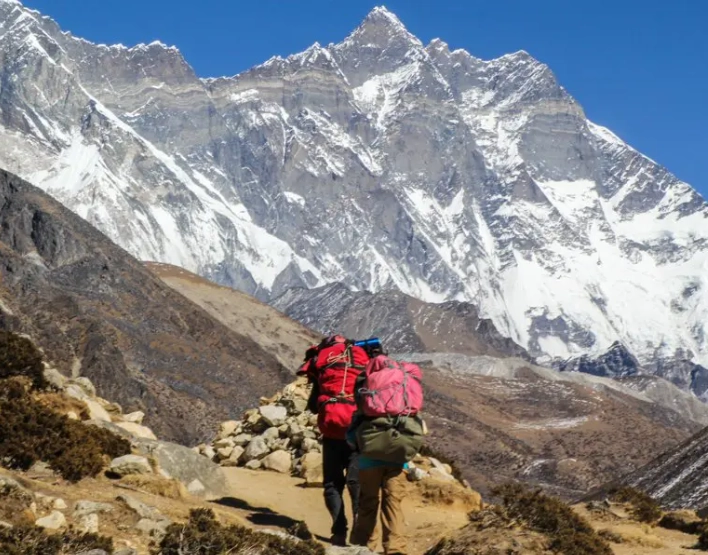
They treat the acclimatization day as a rest day. On the EBC trek, for example, in Namche Bazaar and Dingboche, you should take a short, active hike up to a higher point during the day, then sleep back down at the lower lodge. This "climb high, sleep low" principle is the gold standard for stimulating acclimatization. Sitting in the tea house all day is far less effective.
No one is immune. They've just been lucky with their ascent profiles so far. This belief is dangerous because it leads to complacency. I've seen "immune" people get hit hard when they finally attempt a trip with a faster ascent rate or go to an extreme altitude. Always respect the process, regardless of past experience.
Not necessarily, but you need a specific plan. First, talk to your doctor. Ensure your asthma is truly under control. Carry your reliever inhaler (like albuterol) on your person at all times—not in your checked luggage. The cold, dry air at altitude can be a trigger, so using a scarf over your mouth to warm the air can help. Start your trip in a moderate-altitude town like Denver for a night before heading to the higher resorts. Monitor your peak flow if you have a meter.
Fatigue that feels disproportionate to your effort is a big one. A subtle loss of appetite or feeling vaguely "off" can precede the classic headache. Many people report disturbed sleep with unusual dreams in the first few nights. The most critical sign is a change in your normal breathing pattern at rest—if you notice you're pausing or your breathing is irregular, it's a red flag. Pay more attention to how you feel than waiting for a specific checklist of symptoms.
This is the most important decision. For mild AMS (headache, mild nausea), the correct action is to stop ascending. Rest at the same altitude, hydrate, and see if symptoms improve with simple painkillers. If they do not improve after 24 hours, or if they worsen at all, you must descend. There is no shame in descending 1,000-2,000 feet; it's the definitive cure. "Pushing through" is how mild AMS turns into life-threatening HAPE or HACE. Your summit will always be there another day.