I've been climbing for over a decade, on everything from sun-baked desert cracks to dripping alpine walls. And the single most important lesson isn't about strength or technique—it's about the unglamorous, meticulous habits that keep you alive. Safety precautions for climbing are the silent foundation of every successful ascent. Forget them, and you're gambling.
This isn't just another generic list. We're going deep into the why behind the what. We'll cover the obvious gear checks and the not-so-obvious mental traps. I'll share a couple of moments where I got complacent and paid the price in adrenaline, so you don't have to.
What You'll Find in This Guide
The Non-Negotiable Pre-Climb Ritual
Most accidents happen because something was missed before the first move. This ritual is your first line of defense.
1. Body and Mind Prep (No, Seriously)
You wouldn't start a car in freezing weather without letting it idle. Your body and mind need the same. A 10-minute dynamic warm-up—leg swings, arm circles, torso twists—gets blood flowing to those tiny forearm muscles that will scream at you later.
Mentally, run through the plan. "I'm leading pitch two, the crux is after the third bolt, my last solid gear is at the ledge." This mental rehearsal primes your brain. A study published in the Journal of Applied Sport Psychology highlights how visualization improves technical performance and reduces anxiety. I do this even on familiar routes. It shifts your mind from "going climbing" to "executing a specific task."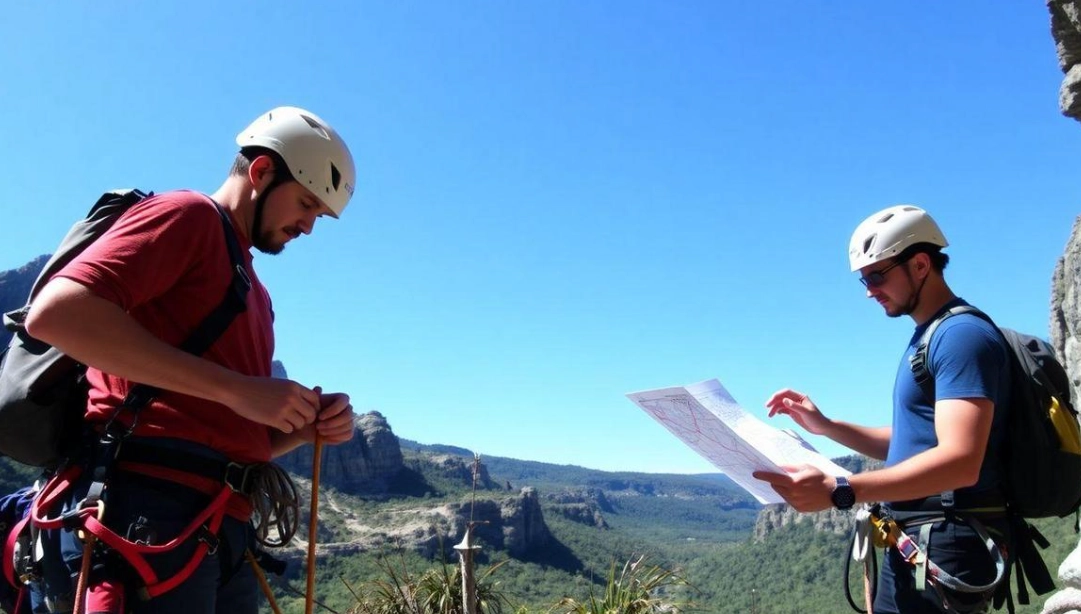
2. The Partner Check: Your Life Depends on It
Here's the expert nuance most miss: Check your partner's gear as if your life depends on it—because it does. If they fall and their system fails, the force comes onto you. It's selfish to be polite.
Follow this sequence, out loud:
- Harness: Buckle doubled back? Leg loops threaded? (Shockingly common error).
- Knot: Figure-eight follow-through, properly dressed, with a fist-length tail.
- Belay Device: Correctly threaded, carabiner locked.
- Helmet: Fitted, chin strap snug.
I once watched a climber at Smith Rock start up a route with their harness buckle just barely engaged. Their partner missed it. A bystander yelled out. That's how close it gets.
3. Gear Inspection: It's Not Forever Gear
Ropes, slings, carabiners—they wear out. Run your rope through your hands. Feel for flat, stiff, or fuzzy sections. Inspect slings for cuts or abrasion. Check carabiner gates for smooth action and cracks.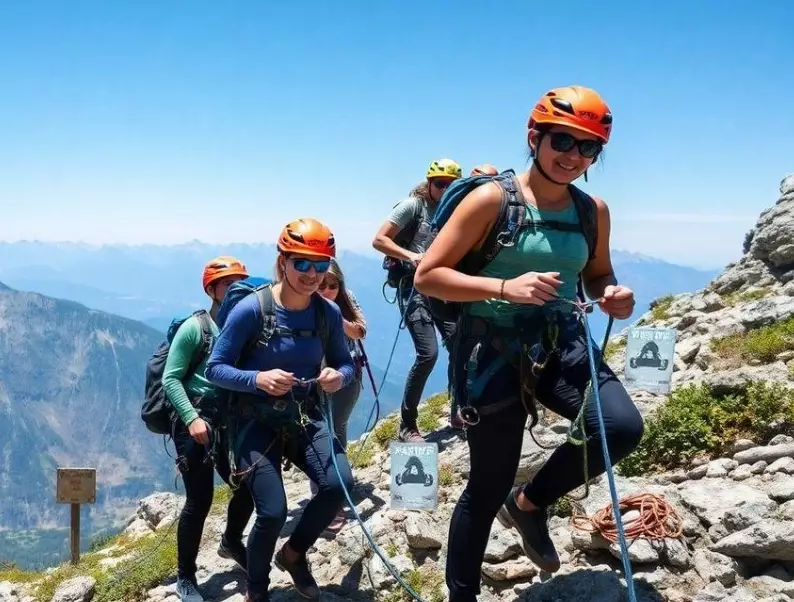
Here’s a quick reference for what to look for:
| Gear Item | What to Check For | Red Flag |
|---|---|---|
| Dynamic Rope | Feel along entire length. Check sheath for cuts. | Flat spots, core shots (puffy sheath), excessive stiffness. |
| Harness | Look at all stitching, especially at waist and leg loops. | Frayed webbing, torn stitching, worn buckle teeth. |
| Carabiners & Quickdraws | Open/close gate. Look for hairline cracks at the spine. | Gate doesn't snap shut, gritty movement, visible cracks. |
| Helmet | Inspect shell for cracks, check interior foam integrity. | Any crack in shell, compressed or crumbling foam. |
Safety Systems When You're Off the Ground
Now you're climbing. Safety becomes a dynamic, moving practice.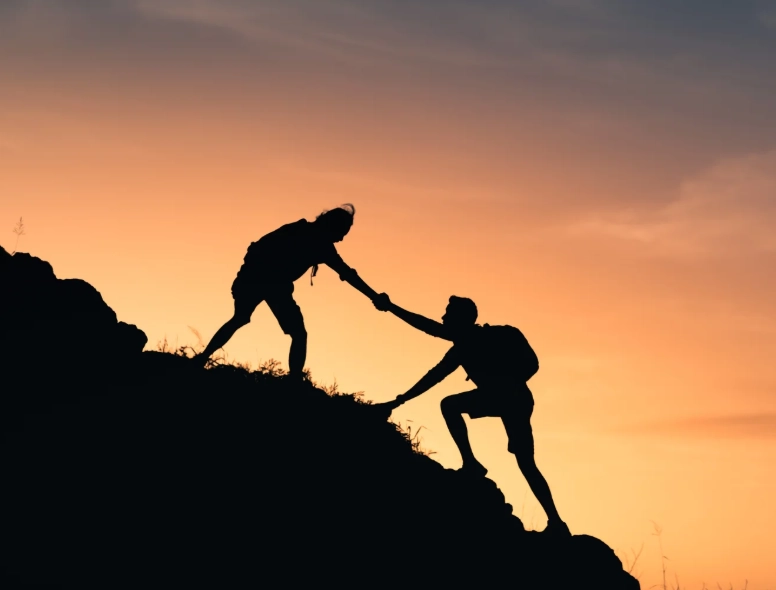
Communication: It Has to Be Crystal Clear
Wind, distance, and panic garble words. Use the standard calls and never get creative.
- "On Belay?" – "Belay is on."
- "Climbing" – "Climb on."
- "Slack!" / "Tension!" – Clear, one-word requests.
- "Falling!" – The most important shout. It alerts your belayer to brace.
- "Watch me!" – I'm about to try something hard and might peel off.
- "Off Belay" – ONLY when you're anchored in and safe. "Safe" is also used.
If you can't hear, use tugs on the rope. Establish the system beforehand: two tugs from climber = "take", three tugs = "lower".
Lead Climbing Specifics: The Margin is Thinner
Leading introduces the risk of a longer fall. Your safety net is your last piece of protection.
Clipping: Don't back-clip or Z-clip. A back-clipped carabiner can snap open under load. I see this weekly at the crag. It's a five-second fix with huge consequences.
Fall Management: Communicate with your belayer. "I'm running it out to the next bolt, be ready." A good belayer gives soft catches by jumping or stepping in as you fall, absorbing force. A static, anchored belayer can give you a spine-jarring jolt.
How to Actually Manage Risk (Beyond "Be Careful")
Risk management is the art of making good decisions with incomplete information. It's what separates seasoned climbers from statistics.
Know Your Limits, and Your Partner's: If you've never placed trad gear, a 5.7 crack is not a "safe" choice. Be honest about your experience level. Peer pressure has no place on the wall. I've turned around on routes because my partner's head wasn't in the game. That's a win.
Weather is a Deal-Breaker: Lightning, high winds, freezing rain—these are stop signs. Check the forecast, but also learn to read the sky. Darkening cumulus clouds moving fast mean business. Getting down is the only goal.
The Decision to Retreat: Sometimes the safe move is going down. A broken hold, pumping forearms with no rest in sight, gear not inspiring confidence. Have a pre-talk with your partner about bail points. There's no shame in living to climb another day. Some of my best memories are epic retreats where we worked as a team to get down safely.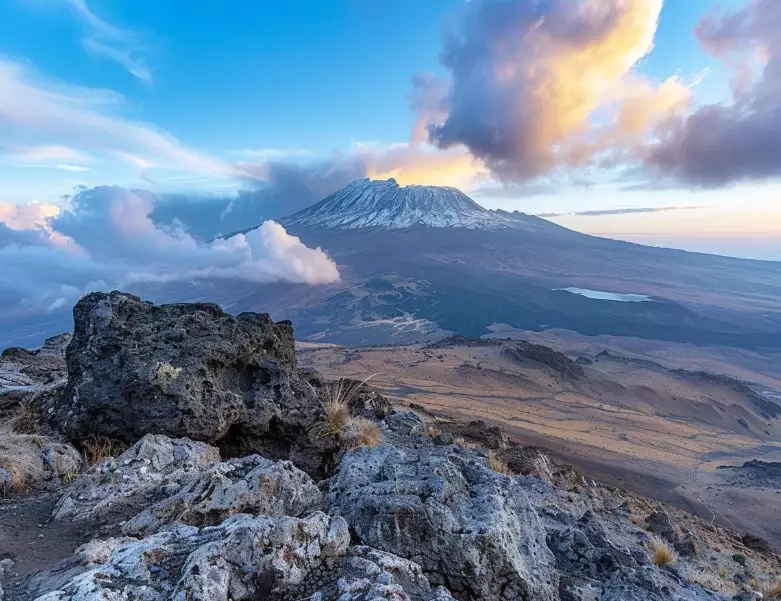
The Safety Steps Everyone Forgets After Climbing
Safety doesn't end when your feet touch the ground.
Debrief: Talk about what happened. "That fall was clean, good catch." "I got scared at the runout, maybe we should have placed more gear." This isn't criticism; it's continuous improvement. It builds trust and sharpens judgment for next time.
Gear Care: Don't just chuck wet, sandy rope in your trunk. Rinse it with clean water if it's dirty. Dry it in the shade (UV kills nylon). Coil it properly. Store gear in a cool, dry place. Your gear's longevity—and your safety—depends on this maintenance.
Log It: Jot down notes. Route name, conditions, gear used, how you felt. This log becomes a personal safety database. You'll start to see patterns—"I always get pumped on slabby sections"—and can train or plan accordingly.
Your Climbing Safety Questions Answered
Ultimately, climbing safety precautions are about building a culture of vigilance and care. It's the quiet conversation before you leave the ground, the deliberate check, the willingness to say "this isn't right." It transforms climbing from a risky gamble into a managed adventure. That's where the real freedom—and the real fun—begins.