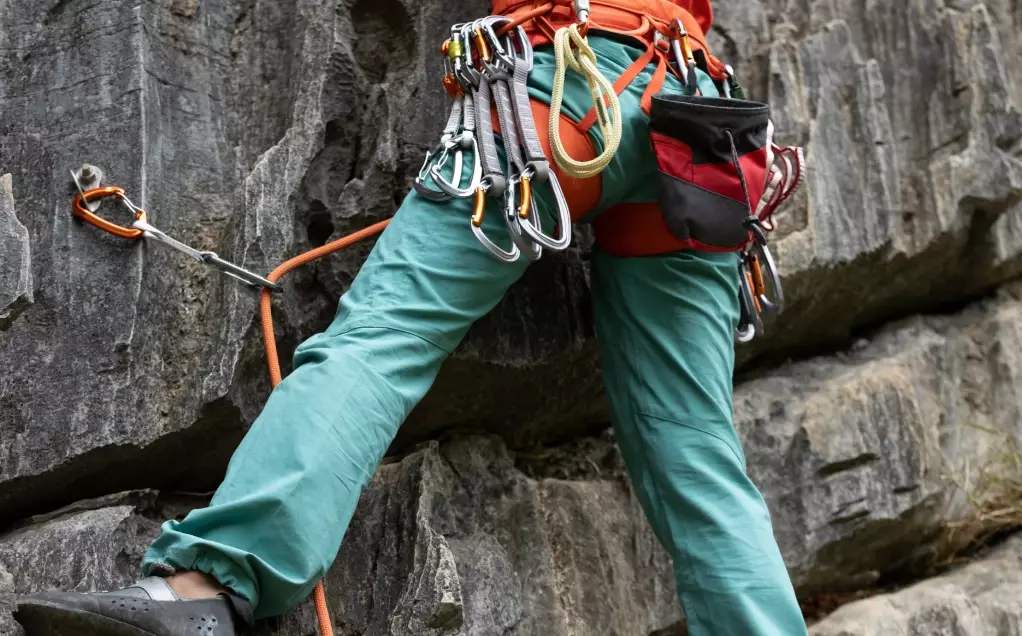
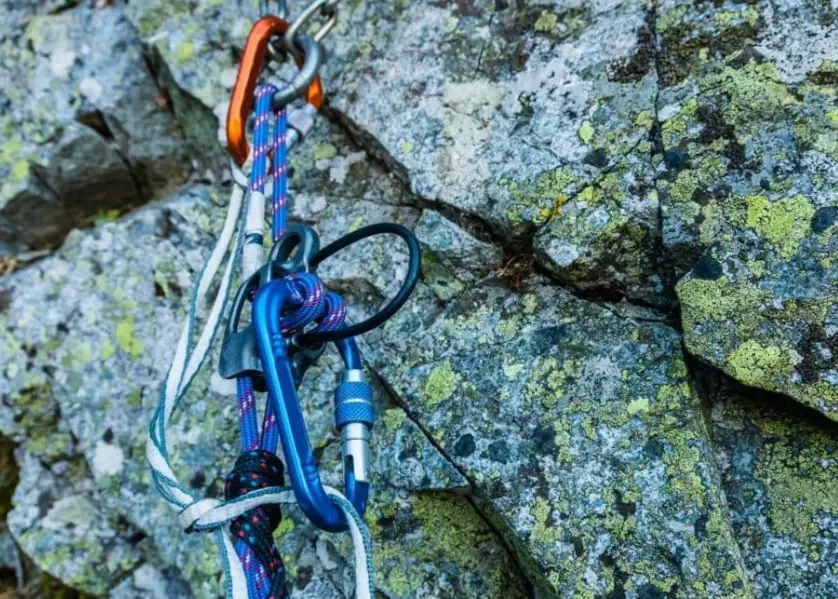
Let's get this out of the way first. If you're asking "Is belaying the same as rappelling?", the short, definitive answer is no. They are two completely different rope techniques used in climbing, mountaineering, and canyoneering. Confusing them isn't just a technical error—it's a potentially dangerous misunderstanding of fundamental safety systems. I've seen too many beginners use the terms interchangeably, and it makes me cringe every time. One is about protecting someone else as they go up. The other is about controlling your own descent. Mixing up the concepts or, worse, the gear meant for each task, is how accidents happen.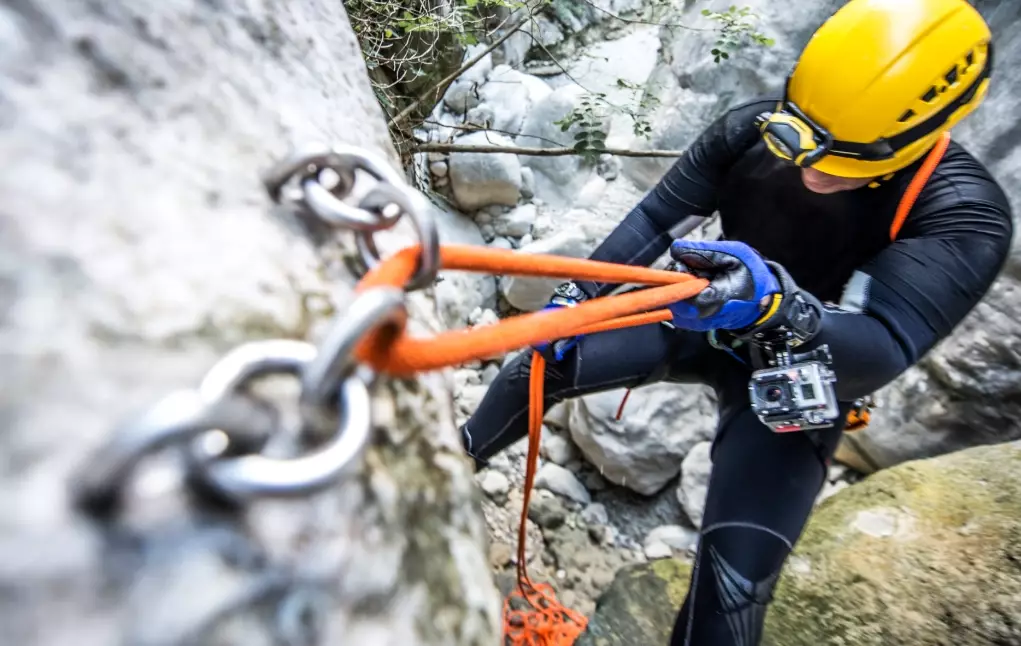
Think of it like driving: belaying is like being the driver, actively controlling the car (the rope) for a passenger (the climber). Rappelling is like being in control of your own parachute descent. Different mindsets, different hand positions, different risks.
What You'll Learn in This Guide
The One-Sentence Core Difference
Here's the simplest way to remember it: Belaying is a technique to protect a climber who is ascending. Rappelling (or abseiling) is a technique for a climber to descend under their own control. The rope moves in opposite directions relative to the person performing the skill. In belaying, the rope is paid out *away* from you as your partner climbs up. In rappelling, the rope is fed *through* your device and *towards* the ground as you go down.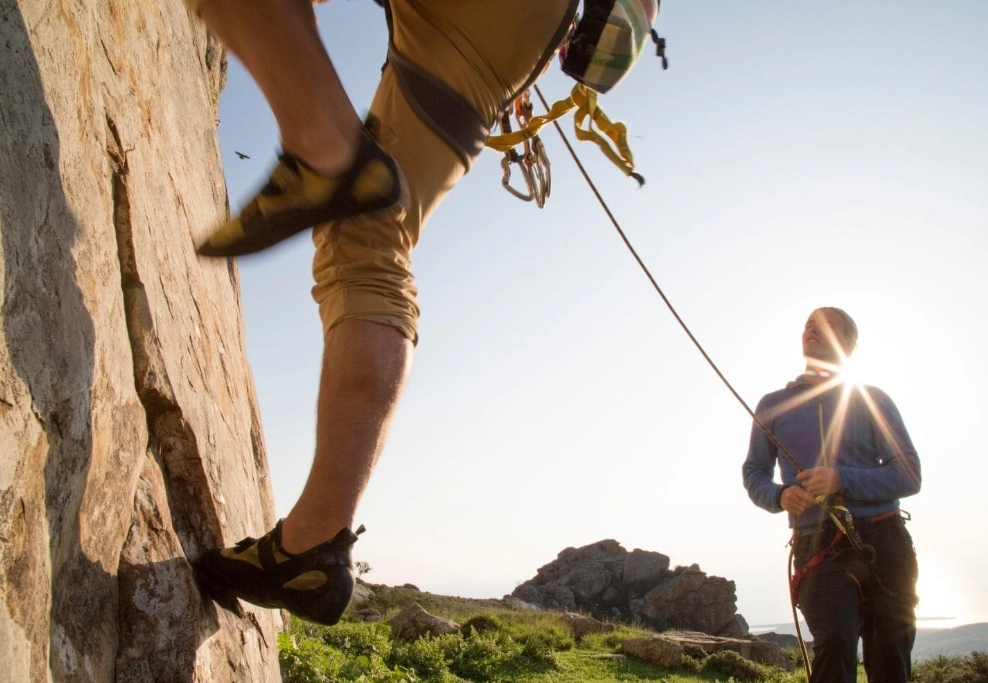
What is Belaying? The Art of Catching a Fall
Belaying is the foundation of partner climbing safety. When you're belaying, you are managing the rope system for a climber who is above you, ensuring they don't hit the ground if they fall. Your primary tool is a belay device. The most common types are tubular devices (like an ATC) and assisted-braking devices (like a Petzl GriGri).
How Belaying Actually Works: The Hands
The standard belay technique involves a specific hand sequence. Your dominant hand is your brake hand. It never lets go of the rope coming out of the "brake side" of the device. Your other hand is your guide hand, which manages slack. The mantra is "Pull, Brake, Under, Slide" (PBUS) for tube devices. You pull rope through with your guide hand, establish a brake position, slide your brake hand back up, and reset. It's a rhythmic, constant motion.
The critical moment is catching a fall. When the climber falls, your brake hand instinctively clamps down, pinching the rope against the device to create friction and arrest the fall. The force is transferred to the anchor. A good belayer is attentive, anticipates movements, and keeps just the right amount of slack—not so much that the climber gets a huge whip, not so tight that it hinders their progress.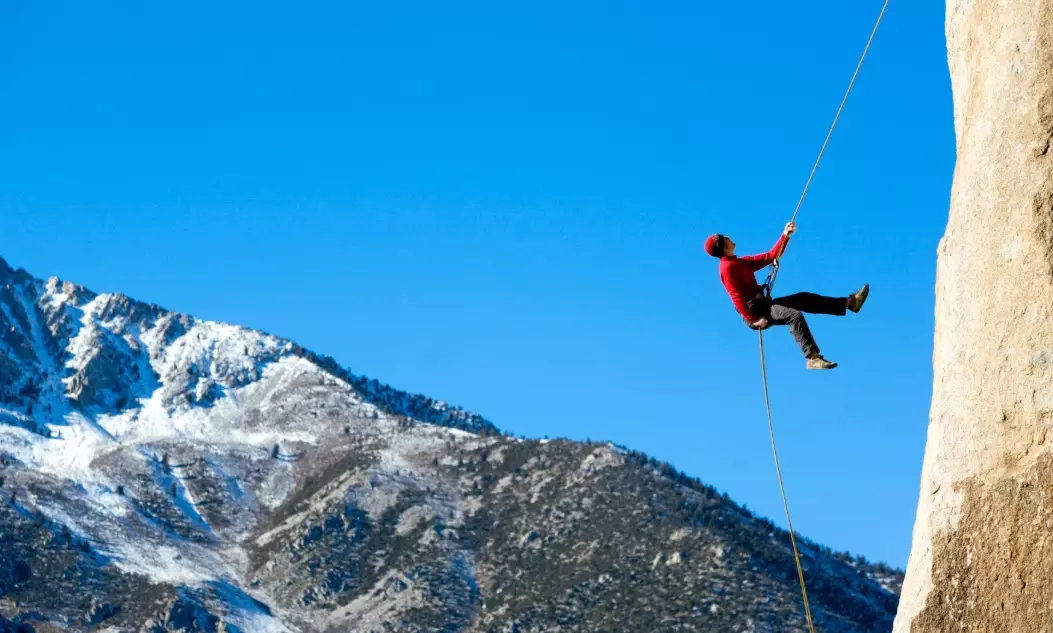
Common Beginner Mistake in Belaying
One subtle but critical error I see constantly is "losing the brake position" during normal paying-out of slack. A new belayer gets focused on looking up at their climber and their guide hand, and their brake hand drifts up towards the device, sometimes even letting the rope go slack in the brake position. If a fall happens in that millisecond, they have no purchase to stop it. Your brake hand should always be below the device, ready to pull down into the braking plane. Always.
What is Rappelling? The Controlled Descent
Rappelling, called abseiling in many parts of the world, is how you get down after climbing up, or how you descend into a canyon or off a cliff. Here, you are in charge of your own descent speed. You use a rappel device (which can often be the same piece of gear as a belay device, like an ATC, but used in a different configuration) to create friction on the rope, allowing you to lower yourself at a safe, controllable pace.
The Mechanics of a Standard Rappel
You anchor the rope to a secure point (a tree, bolts, a solid rock horn). You feed both strands of the rope through your rappel device, which is attached to your harness via a locking carabiner. Your dominant hand, placed behind your hip, becomes your brake hand again, but its role is different. It controls your speed by applying varying pressure to the ropes below the device. Your other hand can be used for balance against the wall. To go faster, you ease the brake. To slow or stop, you pull the ropes further behind you, increasing friction.
It feels more personal than belaying. You're directly responsible for your own safety. There's no partner to check your system—you must do it yourself. This is why the partner check or "buddy check" before rappelling is non-negotiable. You check each other's harness buckle, device orientation, carabiner lock, and rope ends.
The Most Overlooked Rappelling Danger
It's not the device failing. It's rappelling off the ends of the rope. You meticulously check your knots and anchors, then absentmindedly descend right off the unknotted ends because you mis-measured or the ropes weren't equal. Always, always tie stopper knots in the ends of the ropes. It's a five-second task that has saved countless lives. Another under-discussed point: rappel devices get hot. A long, fast rappel on a thin rope can heat a metal device enough to damage the rope sheath or even burn your hand. Descend in a controlled, steady manner.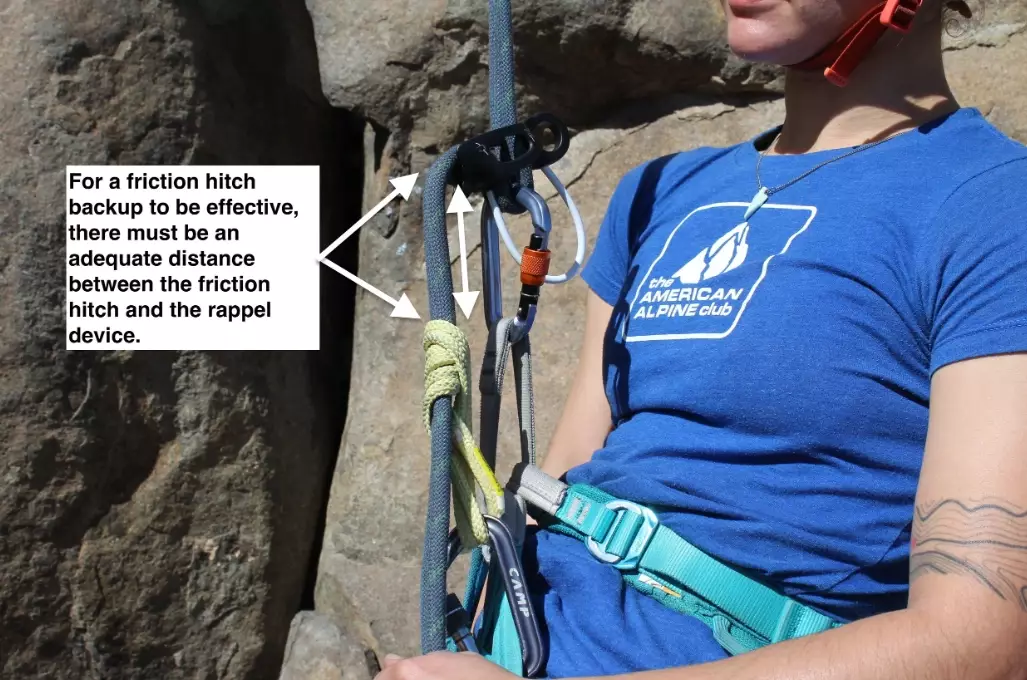
Belaying and Rappelling: Side-by-Side Breakdown
| Aspect | Belaying | Rappelling |
|---|---|---|
| Primary Goal | To protect an ascending climber from hitting the ground. | To perform a controlled personal descent. |
| Direction of Rope Travel | Rope is paid out *away* from the belayer as the climber ascends. | Rope is fed *through* the device and *towards* the ground as the rappeller descends. |
| Who is Active? | The climber is active; the belayer is reactive/supportive. | The rappeller is both the active descender and the safety controller. |
| Typical Device Orientation | Single strand of rope through device. Brake strand is on the "down" side. | Double strands of rope through device. Brake strands are on the "down" side. |
| Key Hand Role | Brake hand stays below device, ready to pull down to lock. A rhythmic PBUS motion. | Brake hand behind hip, controls speed by pulling ropes laterally/downwards. A constant pressure modulation. |
| Mental Focus | External: On the climber's movements, anticipating falls, managing slack. | Internal: On personal body position, descent speed, anchor/rope inspection, landing spot. |
| Can you use the same device? | Often yes (e.g., ATC, GriGri), but must be used in the correct mode. | Often yes (e.g., ATC, Figure-8), but some belay devices (like a GriGri in standard mode) are not designed for rappel. |
| Greatest Common Risk | Belayer error: inattention, improper hand position, failure to lock off. | Rappeller error: descending off rope ends, inadequate friction for control, anchor failure. |
Your Burning Questions Answered (FAQ)
Can I use my belay device for rappelling?
It depends entirely on the device. A simple tubular device like a Black Diamond ATC is perfectly designed for both. Just remember you'll be feeding two rope strands through it for rappelling instead of one for belaying. However, an assisted-braking device like a Petzl GriGri is trickier. The standard GriGri is not intended for rappelling because it can "grab" intermittently, causing a jerky, uncontrolled descent. Petzl makes a specific version, the GriGri+, with a rappel mode, and other brands have similar features. Never assume. Read the manufacturer's manual for your specific model—it's not just bureaucracy, it's the rulebook for your safety.
I see climbers "lowering." Is that belaying or rappelling?
That's a great observation. Lowering is a form of belaying, not rappelling. In a climbing gym or on a sport route, when the climber reaches the top and wants to come down without climbing, they yell "Take!" and then "Lower!" The belayer then acts like a human winch, using the belay device to slowly lower the climber's weight back to the ground. The belayer is in control of the descent, not the climber. It's the reverse motion of belaying a climb, but the system and responsibility (the belayer is in control) are the same as belaying.
 What's the number one safety tip for someone new to both skills?
For belaying: Never, ever take your brake hand off the rope. Treat it as if it's glued there. The device doesn't catch the fall—your hand on the rope in the correct position does.
For rappelling: Before you commit your weight to the system, perform the "Three-Touch Check": 1) Touch your harness buckle—is it double-backed? 2) Touch your rappel device and carabiner—is the device oriented correctly? Is the carabiner locked? 3) Touch the rope ends—are they on the ground or tied with stopper knots? This physical ritual prevents mental slips.
Is one skill more dangerous than the other?
Statistically, rappelling has a higher incidence of severe accidents. The reason is the consolidation of risk. In belaying, the risks are shared between two people and there's often a more dynamic, attentive partnership. In rappelling, all responsibility is on one person, and the consequences of a single error—like an unlocked carabiner or unknotted rope ends—are usually immediate and catastrophic. This isn't to downplay belaying dangers, but to highlight that rappelling demands an even higher level of personal system-check discipline.
Do I need different gear for indoor climbing vs. outdoor?
The fundamental skills are identical. However, the context changes everything outdoors. Indoor ropes are thick, pristine, and of consistent length. Outdoor ropes can be thinner, worn, wet, or icy, and you must know how to judge anchor safety (like bolts vs. trees). Your ATC will work the same, but the margin for error is smaller outdoors. The biggest gear addition for outdoor rappelling is a prusik cord or autoblock knot used as a third-hand backup below your device. It's a friction hitch that acts as a safety brake if you let go. It's rarely taught indoors but is considered standard practice for any multi-pitch or canyon rappel.