You're geared up at a cliff edge, your rope is anchored, and you're ready to descend. Do you tell your partner you're about to abseil or rappel down? If you think it's just a British vs American English thing, you're mostly right. But after fifteen years of guiding and teaching vertical techniques from Yosemite to the Alps, I've seen the confusion cause more than just linguistic hiccups—it sometimes masks subtle differences in mindset and technique that matter when you're a hundred feet off the deck. Let's cut through the jargon and get to what actually impacts your safety and efficiency on the rock.
What You'll Learn
The Origin Story: It's All German, Actually
Both terms have their roots in mountaineering's European cradle. Abseiling comes from the German word "abseilen," which literally means "to rope off" ("ab" = off, "seil" = rope). It was adopted into British and Commonwealth climbing lexicon. Rappelling comes from the French verb "rappeler," meaning "to recall" or "to pull back." This refers to the method of retrieving the rope by pulling one end after descent—a crucial step many novices forget in their adrenaline rush.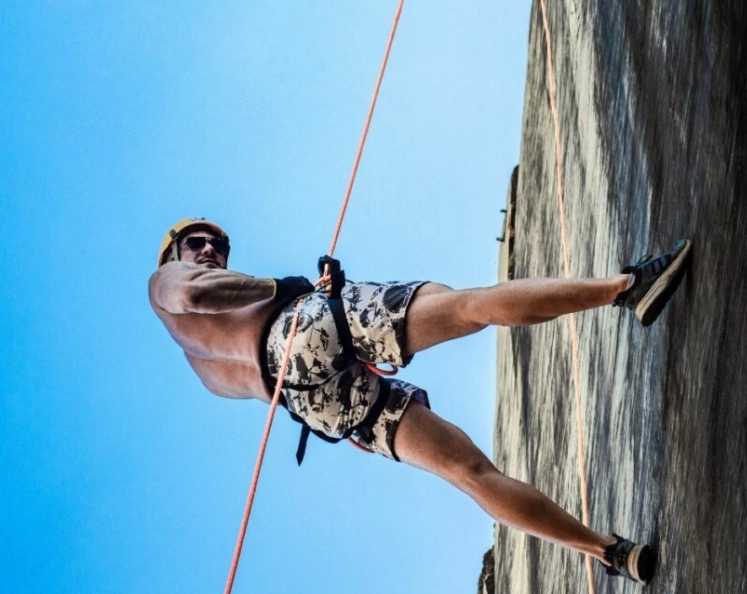
The French term traveled to North America with early climbers and became standard. So, the geographic split is real: you'll overwhelmingly hear "abseil" in the UK, Australia, and New Zealand, and "rappel" in the US and Canada. But here's the twist I've noticed: in international climbing circles and professional contexts like technical rescue, "abseiling" is often used as the more formal, technical term regardless of nationality. It sounds more... deliberate.
Beyond the Dictionary: How the Terms Play Out on the Rock
In practice, the choice of word can hint at the style and context of the descent.
Think of rappelling as the general, all-purpose term. It's what you do at the end of a sport climb to get down, or in a canyon when you zip down a waterfall. The American Alpine Club's safety resources consistently use "rappel." The action is central to the adventure.
Abseiling, in my experience, often implies a more technical, self-contained activity. You might go "abseiling" as the primary objective—like descending a fixed rope on a sea cliff for fun or practice. The British Mountaineering Council's courses are called "Abseiling Workshops." There's a slight connotation of a practiced, skill-focused descent.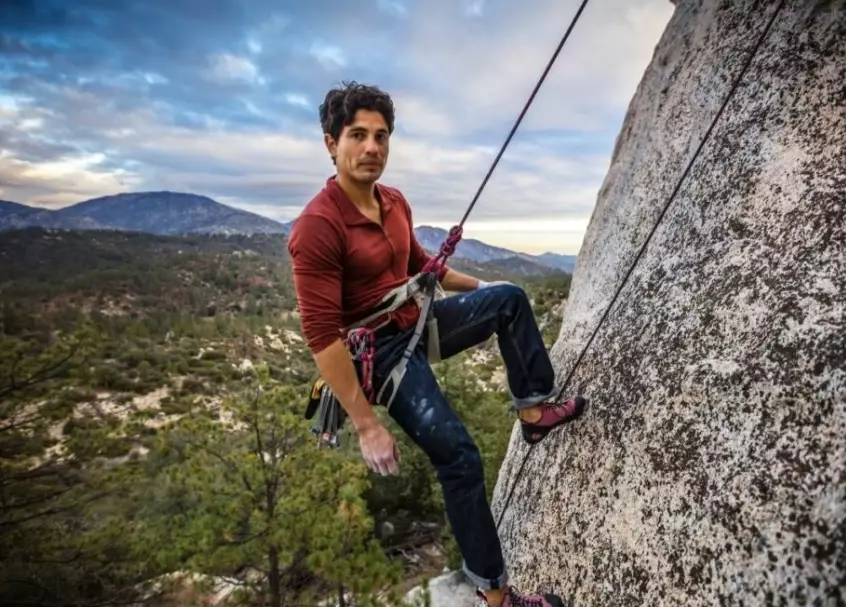
Gear Breakdown: What You Need for a Controlled Descent
Whether you call it abseiling or rappelling, the gear list is non-negotiable. Here’s a detailed look at the essential kit. I've based this on the minimum requirements for a typical single-rope descent on rock.
| Piece of Gear | Primary Function | Critical Feature to Check | Common Pitfall |
|---|---|---|---|
| Rappel/Abseil Device (e.g., ATC, Pirana, Figure-8) | Creates friction on the rope to control descent speed. | Compatibility with your rope diameter. A device for 8-9mm ropes won't work well on a fat 11mm static line. | Using a device without a backup auto-block (prusik) on long or free-hanging descents. |
| Locking Carabiner(s) (Screwgate or Auto-locking) | Connects the device to your harness belay loop. | Gate locks securely and smoothly. Check for cracks or excessive wear at the spine. | Using a non-locking carabiner (a "quickdraw" biner) for the main connection. This is a major, life-threatening error. |
| Harness | Distributes force around your waist and legs, connecting you to the system. | Proper fit—you should not be able to pull it down over your hips. Check the belay loop for abrasion. | Putting the leg loops on but forgetting to fasten the waistbelt. Yes, I've seen it happen. |
| Helmet | Protects from falling rocks and impact during a swing or slip. | Properly sized, sits level on your head. Replace after any significant impact. | Leaving it in your pack because "the climb is over." Most rappelling accidents involve head injuries. |
| Prusik Cord or Autoblock (60cm, 6mm accessory cord) | Acts as a self-activating safety backup (third hand) below your device. | Must be a smaller diameter than your main rope (e.g., 6mm on a 9.5mm rope) to grip properly. | Attaching the autoblock above the rappel device instead of below it, rendering it useless. |
| Gloves (Leather or durable synthetic) | Protects hands from rope burn and allows you to handle the "brake strands" comfortably. | Good dexterity and palm protection. Avoid bulky gloves that reduce feel. | Rappelling without gloves on a long descent—you'll regret it as the rope heats up. |
One piece of gear novices chronically undervalue is the autoblock prusik. I don't care how confident you are; on any descent over 30 feet or where a mistake would be catastrophic, use one. It's saved climbers from catastrophic failures when a rock edge unexpectedly cut their rope. The International Federation of Mountain Guides Associations (IFMGA) treats it as a standard best practice for a reason.
The Descent Itself: Core Techniques and When to Use Them
Here's where the rubber meets the rock—or rather, where your soles leave it. The basic body position and brake-hand control are the same, but setup and context vary.
Standard Single-Rope Rappel/Abseil
This is your bread and butter. You descend on a single rope doubled over an anchor. The key is smooth, controlled movements. Lean back into your harness, keep your feet wide and knees slightly bent like you're sitting in a chair, and walk down the wall. Your brake hand (the one behind your device) is sacred—never let go. The common instruction "hand on the brake strand" is incomplete. It should be "firm, controlling grip on the brake strands, with the rope running across your hip and away from your body." I've seen people hold the brake strand correctly but let it run across their belly, which is awkward and weakens control.
Simul-Rappelling (Two-Person Descent)
A more advanced technique where two climbers descend on opposite strands of the same rope simultaneously. It's fast but doubles the risk. If one person loses control, both fall. The critical, rarely mentioned detail? You must be of roughly equal weight. A significant weight difference makes it dangerously unstable. I only teach this to very experienced teams and even then, prefer other methods. Many guides, myself included, think its risks often outweigh its benefits for recreational climbers.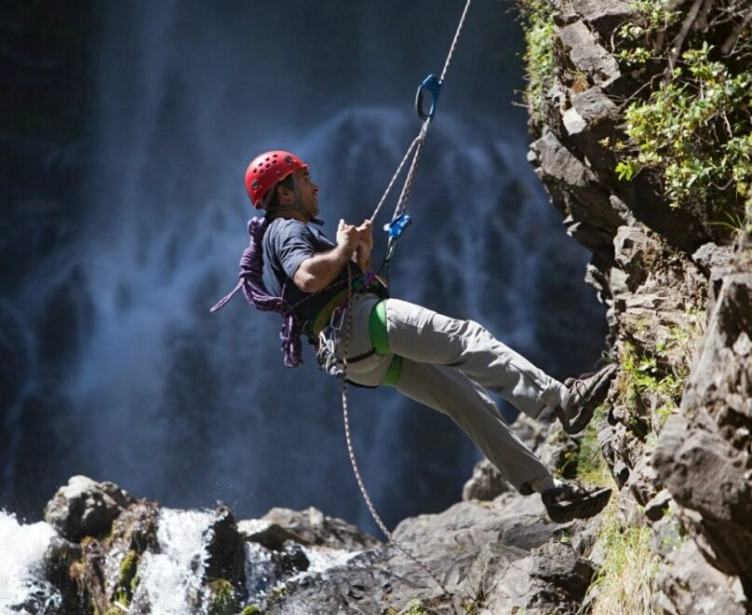
Canyoneering Rappels (Wet & Weathered)
This is where "rappelling" is the universal term. Here, technique adapts to water, slippery rock, and often fixed anchors. You'll frequently use a rappel rack or a device like the Pirana because they handle wet, muddy, or sandy ropes better than a standard ATC. The big mistake? Not extending your rappel device away from your harness with a sling. In a canyon, water and debris run down the rope and into your device. If it's attached directly to your belay loop, that muck goes straight down your pants. A 12-inch sling extension keeps you and your device cleaner and drier.
The Subtle Mistakes Even Experienced Climbers Make
Beyond the obvious errors, here are some insidious ones I correct all the time.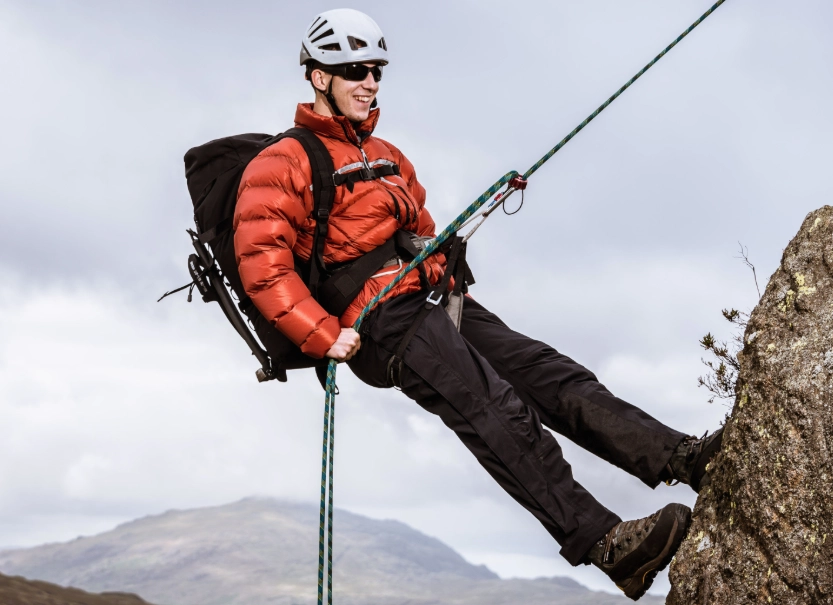
Rappel Ring Friction Burn. When pulling your rope down after a rappel, if it's running over a metal rappel ring or chain link, it can generate enough heat from friction to melt the rope's sheath in seconds. I witnessed this on a popular desert tower. The climber pulled the rope through so fast after a 200-foot rappel that it left a glazed, hardened section on his rope. The fix? Pull slowly, or if possible, have the last person down use a carabiner or quicklink that won't create as much heat.
Misjudging Rope Length. You rappel off the ends of your rope more often than you'd think. The solution isn't just tying knots—it's communicating clearly about rope stretch and routefinding. A 60m rope doesn't give you a 60m rappel. With rope stretch, anchor height, and the need for rope ends to reach, you're looking at a safe descent of about 50-55 meters. Always tie stopper knots in the ends of the ropes, and if in doubt, do two shorter rappels.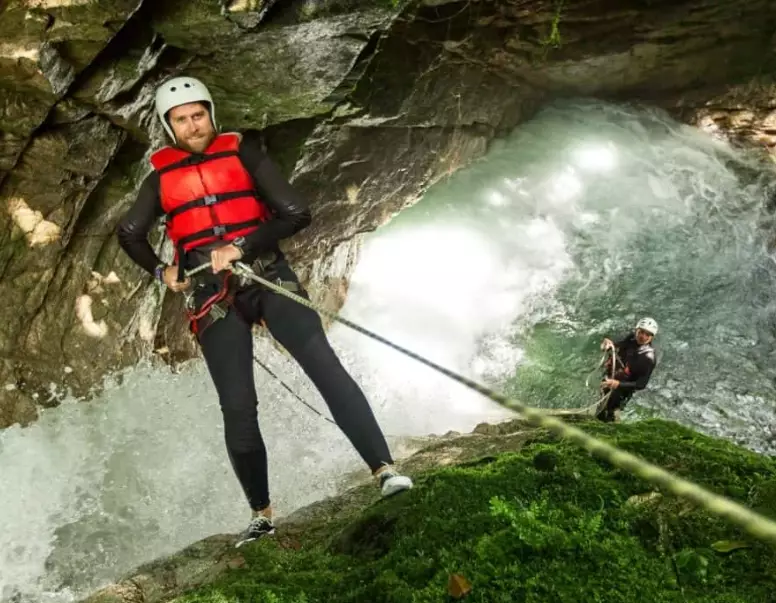
Your Descent Questions, Answered
So, abseiling or rappelling? Call it what you like. The words are two sides of the same coin. What matters infinitely more is the respect you give to the system—the meticulous checks, the practiced technique, and the humble understanding that gravity never takes a day off. Master the craft behind the word, and you'll descend not just safely, but with a quiet confidence that turns a necessary maneuver into its own kind of graceful movement.