You've seen the photos. A tiny figure, suspended on a sheer wall of blue ice, wielding axes and kicking spikes into the frozen surface. It looks equal parts breathtaking and terrifying. That's ice climbing. But what is it, really? Beyond the epic imagery, it's a demanding winter sport that combines technical skill, physical strength, and a deep respect for a constantly changing environment. Let's strip away the mystery and look at what ice climbing actually involves, from the frozen waterfalls of Colorado to the alpine ice of the Canadian Rockies.
What You'll Find in This Guide
What Exactly Is Ice Climbing?
At its core, ice climbing is the act of ascending ice formations using specialized equipment. Think of it as rock climbing's colder, sharper cousin. But the ice itself isn't just one thing. Most beginners picture a classic waterfall ice climb—a frozen cascade in a canyon. That's where many start. The ice is often thick, plastic, and forgiving (relatively speaking).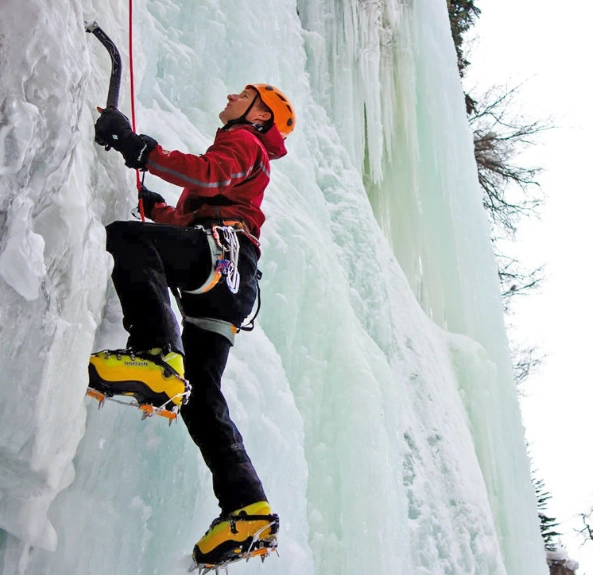
Then there's alpine ice. This is the ice you find on mountains, often in couloirs or on glacial faces. It can be harder, more brittle, and you're dealing with altitude and complex mountain hazards. The stakes feel different up there.
A modern offshoot that's exploded in popularity is mixed climbing. Here, you're using ice tools and crampons on both ice and rock on the same route. It requires incredible precision. And for training or areas without natural ice, there's dry-tooling—using the tools on rock or artificial structures—and even indoor ice climbing walls.
The appeal? It's visceral. The sound of a solid tool placement, the feeling of your front points biting in, the surreal beauty of a frozen world. But it's not a casual hobby. The learning curve is steep, the gear is expensive, and the consequences for error are high.
The Essential Gear: Your Lifeline on the Ice
You can't just show up in a parka and hiking boots. Ice climbing gear is highly specialized, and each piece is critical. Skimping here is not an option.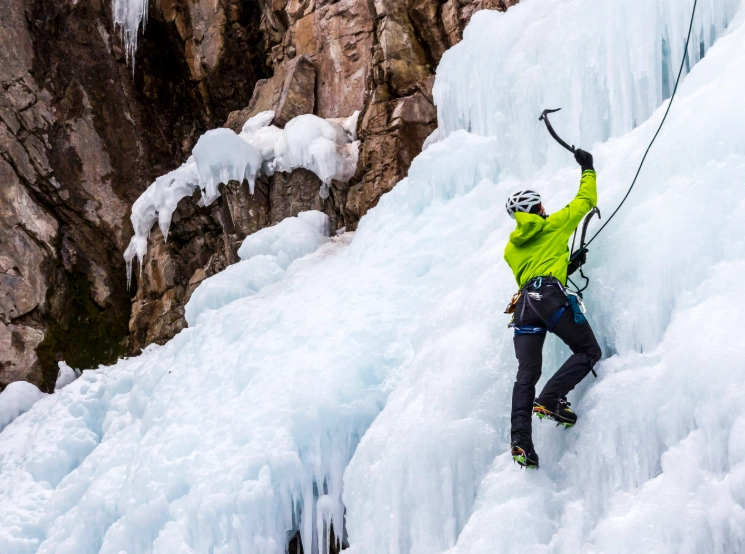
| Piece of Gear | What It Is & Why It Matters | Beginner Tip |
|---|---|---|
| Ice Tools | Your "axes." Modern tools are curved for better clearance and have picks designed to hook into ice. They have leashes or leashless grips. | Start with a basic, moderately curved tool. Avoid aggressive "mixed" tools at first. Rent to try different models. |
| Crampons | Spiked frames that attach to your boots. Vertical front points (usually 2) are standard for waterfall ice. | They MUST match your boot type (strap-on for flexible boots, step-in for rigid boots). A poor fit is a recipe for disaster. |
| Boots | Stiff, insulated mountaineering boots. They provide a platform for your crampons and keep your feet from freezing. | This is your most important purchase. Fit is king. Your toes must not touch the front when you kick. Cold feet end climbs. |
| Helmet | Not just for falls. It protects from falling ice and debris knocked down by other climbers. | Always wear one. No exceptions. Look for a climbing-specific helmet with good side and rear coverage. |
| Harness & Belay Device | Similar to rock climbing, but you'll be wearing bulkier layers. An adjustable leg loop harness helps. | Practice putting your harness on OVER all your winter layers. A tubular belay device like an ATC is fine for top-roping. |
| Clothing System | Think layers: moisture-wicking base, insulating mid, waterproof/breathable shell. Avoid cotton at all costs. | You'll be cold while belaying, then hot while climbing. Easy-to-adjust ventilation (pit zips) is a game-changer. |
One subtle mistake I see: people crank their crampon straps way too tight, cutting off circulation. You want them snug, but not tourniquet-tight. Your foot needs a bit of blood flow to stay warm.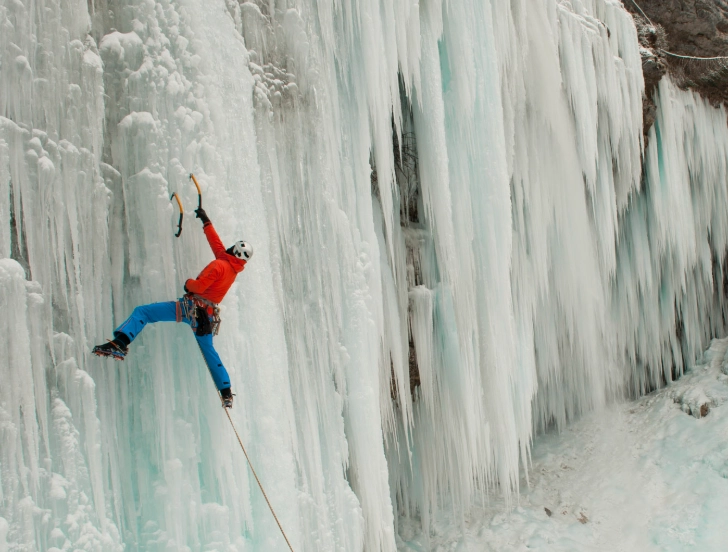
How Do You Actually Climb Ice?
The fundamental technique is a triangular stance. You want to be balanced over your feet. A common, exhausting mistake is hugging the ice and relying on your arms.
The Basic Movement Cycle:
- Tool Placement: Swing from your shoulder, not your wrist. Aim for a slight downward angle so the pick bites and pulls in. Listen for a solid "thunk."
- Footwork: Kick your toe straight into the ice, letting the weight of your leg do the work. Don't stomp wildly. Find a slight depression or lip for your points to engage.
- Stand Up: Straighten your leg and stand up on that foot. This is the rest position. Your arms should be straight, hanging from the tools.
- Repeat: Move the opposite tool and foot, maintaining that triangle.
It sounds simple. It's not. Your tools will bounce. Your feet will skate off. You'll get pumped forearms because you're pulling yourself up instead of standing up. Everyone goes through this. The key is patience and letting your legs do 70% of the work.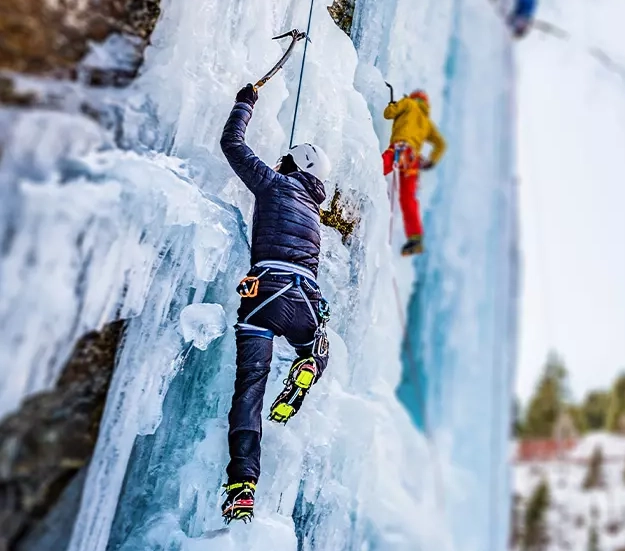
Reading the Ice
Not all ice is good ice. You learn to read it. Blue, solid ice is usually good. White, bubbly ice is often weaker and more brittle. Bulges and columns offer interesting features. Chandelier ice (long, hanging icicles) is beautiful but fragile and dangerous. A guide I climbed with in Banff once pointed to a dark streak in an ice pillar. "See that? That's water flowing behind it. It's detached. We're not climbing that today." Learning to see these details is a critical skill that comes with experience.
Safety: The Non-Negotiable Foundation
This cannot be overstated. Ice climbing introduces hazards rock climbers don't always face.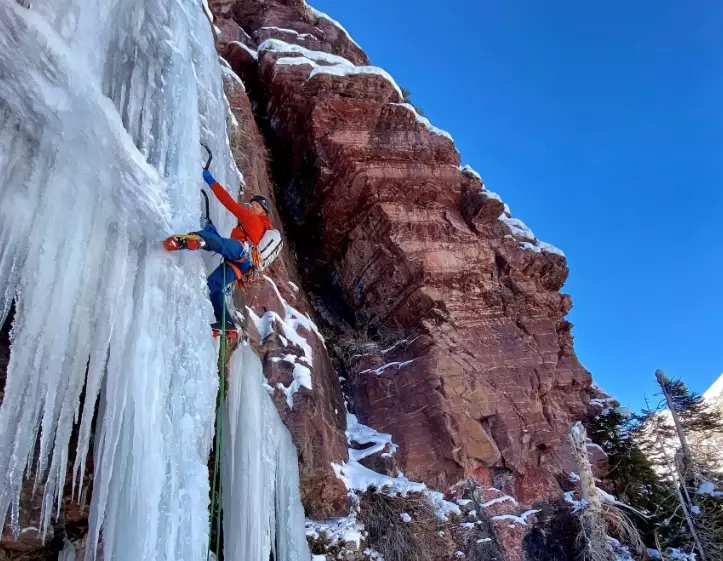
Key Safety Protocols:
Always climb with a partner you trust, and communicate constantly. Belaying requires extra attention—wear a warm belay jacket and keep the rope running smoothly. Anchor building on ice is a complex art using ice screws and V-threads; this is advanced skillset territory.
Assessing Ice Quality: Tap potential anchor spots with your tool. Listen for hollow sounds. Check if the ice is bonded to the rock. Is water running behind it? This assessment happens continuously.
The Fall Reality: In rock climbing, you might take practice falls. On lead on ice, a fall is a serious event. Sharp tools and crampons are flying around, and ice screws can rip out. The goal is to climb within your limit to avoid falling altogether. This requires a conservative mindset that many new climbers struggle to adopt.
How Can I Get Started with Ice Climbing Safely?
So you're hooked and want to try. Here's the only responsible path forward.
Step 1: Find a Qualified Instructor or Guide Service. This is non-negotiable. Look for an IFMGA or AMGA certified guide. Companies in classic ice hubs like Ouray, CO, North Conway, NH, or Canmore, AB, offer excellent intro courses. You'll learn the fundamentals in a controlled environment, usually on a top-rope.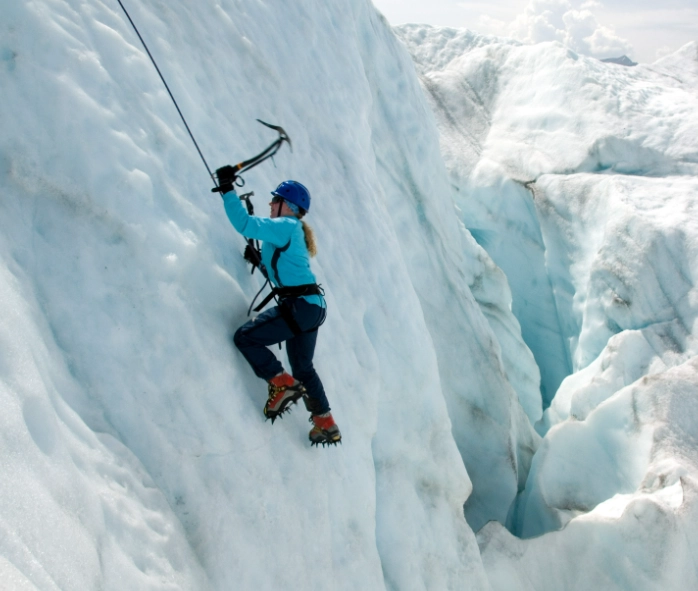
Step 2: Rent Gear First. Don't buy a full kit. Use the guide service's gear or rent from a local shop. This lets you try different models and confirms you like the sport before dropping thousands.
Step 3: Build Relevant Fitness. Ice climbing is brutally physical. Focus on:
- Core and leg strength (for standing up on your feet)
- Forearm endurance (farmer's carries, dead hangs)
- Cardio (for the often-strenuous approach hikes in snow)
Step 4: Your First Real Day. It will be humbling. You'll be slow. Your technique will feel clumsy. That's 100% normal. Focus on the basics your guide teaches you: swinging, kicking, and breathing. Celebrate small victories—your first solid tool placement, standing up smoothly on one foot.
After a couple of guided courses, if you're still passionate, then you can start thinking about gear purchases and finding a reliable, experienced mentor to climb with regularly. The community is generally small and supportive, but you must prove yourself to be a safe and competent partner.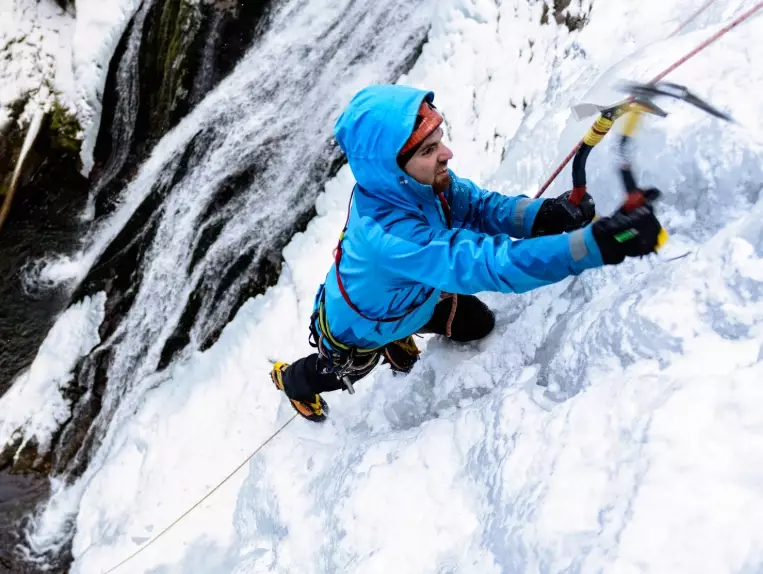
Your Ice Climbing Questions Answered
Ice climbing is more than a sport; it's a journey into a fleeting, frozen landscape that demands your full attention and respect. It's difficult, expensive, and sometimes scary. But for those who answer its call, the reward is a unique sense of accomplishment and a perspective on winter few ever get to see. Start with a guide, respect the learning process, and you might just find yourself hooked on the crisp sound of steel meeting ice.