You've seen the headlines: "Climbing Everest Costs $X." The figure changes every year, and it's almost always wrong. Or at least, it's dangerously incomplete. Asking how much it costs to climb Everest is like asking how much a house costs. A fixer-upper in the midwest? A penthouse in Manhattan? The range is enormous, and the sticker price is just the beginning. Let's cut through the noise. The real cost of a Mount Everest expedition in 2025 is a layered beast, starting around $45,000 and easily soaring past $100,000. The difference isn't just luxury; it's often the margin between a safe, supported climb and a gamble with your life.
Your Everest Cost Roadmap
How much does a guided expedition cost?
This is the big one. Most climbers join a guided expedition. The price tag here is your foundation. Forget the idea of a single price. It's a spectrum defined by service level, reputation, and route.
Western guide companies like Alpine Ascents International or International Mountain Guides (IMG) typically offer full-service packages. We're talking about experienced Western guides, a high staff-to-client ratio, premium food, and extensive medical and communication systems. For the south side in Nepal, expect to pay between $70,000 and $85,000 for 2025. The north side in Tibet often costs slightly less, maybe $65,000 to $75,000, partly due to different permit structures.
Then you have reputable Nepali-owned companies. Firms like Seven Summit Treks or Peak Promotion offer significant savings. Their standard guided services on the south side can range from $45,000 to $55,000. The critical thing to understand? The lower cost often reflects a different guiding philosophy—more logistical support, less one-on-one guiding. You might share a guide with 2-3 other climbers. The food might be simpler. It's not necessarily worse, but it's different. You must research their safety records obsessively.
There's a third tier: the ultra-budget operators. I've seen prices as low as $35,000 advertised. Here's my non-consensus view, after talking to Sherpas and seeing the aftermath on the mountain: at this price point, corners are being cut. Maybe it's oxygen systems that aren't fully serviced. Maybe it's fewer, less experienced high-altitude staff. Maybe the meal plan is insufficient for the calories you'll burn. This is where the "sticker price" becomes a dangerous illusion.
| Expedition Type | Estimated Cost Range (2025) | What You Typically Get | Considerations |
|---|---|---|---|
| Full-Service Western Guide | $70,000 - $85,000+ | 1:1 or 2:1 guide ratio, Western lead guide, premium logistics, extensive medical support, high-quality food. | Highest safety margin, extensive pre-trip support, often includes most gear rental. |
| Reputable Nepali Guide Company | $45,000 - $55,000 | Group guiding (1 guide for 2-4 clients), strong logistical base, good local connections, solid camp services. | Excellent value, requires more self-reliance, vet safety records thoroughly. |
| "Logistics-Only" or Budget Operator | $35,000 - $42,000 | Permit, base camp services, shared tent space, basic meals, limited oxygen supply. Minimal guiding. | High risk. For experts only. You are largely responsible for your own decisions and safety. |
That expedition fee is just the core package. It's the hull of the ship. Now let's build the rest of it.
The complete cost breakdown: Where does the money go?
Your expedition company's invoice itemizes some of this, but a huge chunk comes from your own wallet before you ever book a flight. Let's dissect it.
The Big Ticket Items (Paid to Others)
1. The Climbing Permit: This is set by governments. For the 2025 spring season, a foreign climber's permit for the south side in Nepal costs $11,000. The north side in Tibet is usually similar, though subject to change and political factors. This is non-negotiable and included in your package price.
2. Liaison Officer & BC Services: In Nepal, you also pay for a government-assigned liaison officer (around $3,000 per expedition, shared among team members) and garbage disposal deposits. These are baked into your fee.
3. Oxygen Systems: This is a major cost driver. A typical climber uses 4-6 bottles of supplemental oxygen above Camp 3. Each bottle, with its regulator and mask, costs about $550-$700 to provision. Using 5 bottles adds ~$3,000 to your costs. Some budget packages include minimal oxygen (like 2 bottles), pushing you to pay for extras.
4. Sherpa Support: Your fee covers your climbing Sherpa's salary, equipment, and insurance. Want a personal Sherpa to carry your oxygen and gear? That's standard in full-service packages but might be an add-on (up to $5,000) in others. Summit bonuses are customary and significant, often $2,000+ for your lead Sherpa upon a successful summit. This is a critical, ethical cost.
The Personal Investment (Paid by You)
This is where aspiring climbers get blindsided.
1. Gear & Clothing: You cannot skimp here. A full high-altitude double boot (like La Sportiva Olympus Mons) is $800+. A high-quality down suit (feathers are your lifeline) is $1,500+. We're not talking about generic hiking gear.
Personal Gear Shortlist (Budget $8,000 - $12,000):
- Double Mountaineering Boots: $800 - $1,200
- High-Altitude Down Suit: $1,200 - $1,800
- 8000m Down Jacket: $500 - $800
- High-Performance Sleeping Bag (-40°F): $700 - $1,000
- Technical Ice Axe, Harness, Crampons: $600 - $900
- Multiple Layers (Baselayers, Fleece, Shells): $1,500+
- Gloves & Mitten Systems: $400+
- Helmet, Goggles, Headlamps: $300+
You can rent some items (boots, suit, sleeping bag) from your operator for maybe $1,500-$2,000, but owning gear you've tested is safer.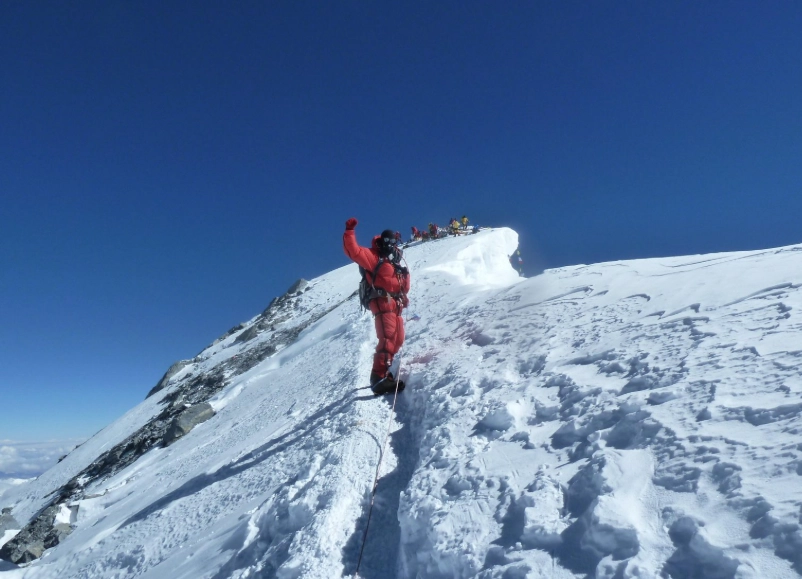
2. Training & Preparation Climbs: You can't just show up. Most reputable operators require proof of high-altitude experience, like a 7,000m peak. Climbing a peak like Aconcagua or Denali as preparation costs $5,000 - $10,000 each, including travel. Then there's gym memberships, altitude training systems (like hypoxic tents), and specialized coaching. Allocate $10,000 - $20,000+ here over two years.
3. Travel & Insurance: Flights to Kathmandu, hotels before/after, meals in town. Budget $2,000 - $3,000. Then there's insurance—standard travel insurance won't touch this. You need specialized mountaineering evacuation insurance like Global Rescue membership ($800+) and a policy like IMG's that covers up to 7,000m or higher. Total insurance: $1,500+.
4. Contingency & Tips: You need a cash buffer for unexpected costs—extra hotel nights, gear replacement, medical co-pays. I'd suggest $2,000 minimum. Tips for base camp staff and cooks are also customary and deserved.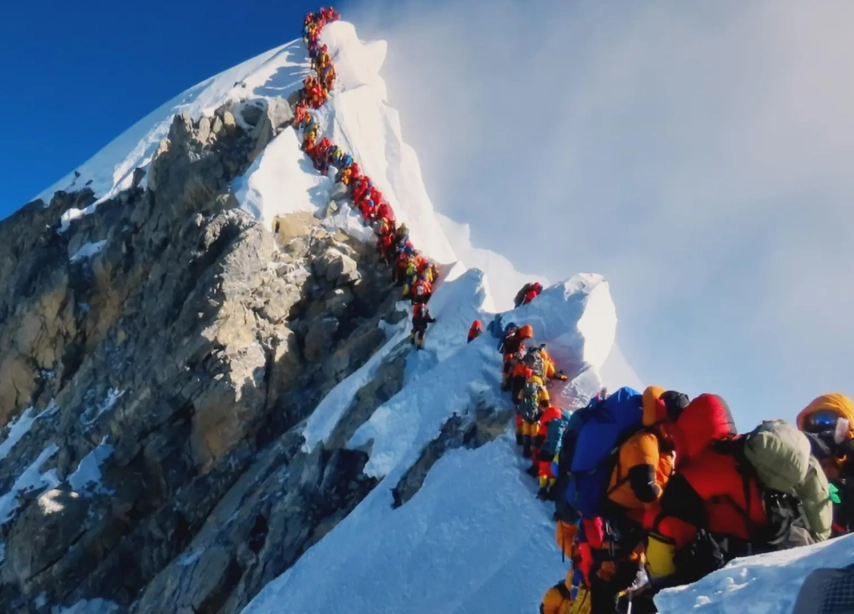
The Bottom Line: Add the mid-range guided fee ($55,000) to the personal investment (gear $10,000 + training climbs $12,000 + travel/insurance $4,000). You're looking at $81,000 before you even consider "extras" or contingencies. The $45,000 package price is a phantom if you're not already an equipped, experienced high-altitude climber.
What are the hidden costs of climbing Everest?
These aren't in any brochure.
Time Cost: The expedition is two months. Can you take that much unpaid leave or step away from your business? The income loss can be a bigger "cost" than the climb itself for many professionals.
Physical & Mental Toll: It's brutal. You will lose muscle mass. Your recovery takes months. Some people face lasting cognitive effects from severe hypoxia. The mental stress is immense. You can't put a price on this, but you must account for it.
Relationship Cost: It sounds trivial until you're in it. Two months of limited communication, the constant worry your family feels, the singular focus required—it strains even strong relationships. Budgeting for a nice post-climb family trip isn't a bad idea.
The "While I'm Here" Cost: You're in Nepal for two months. You'll want to see things, eat nice meals in Kathmandu, buy souvenirs, maybe do a shorter trek afterward. It adds up quickly.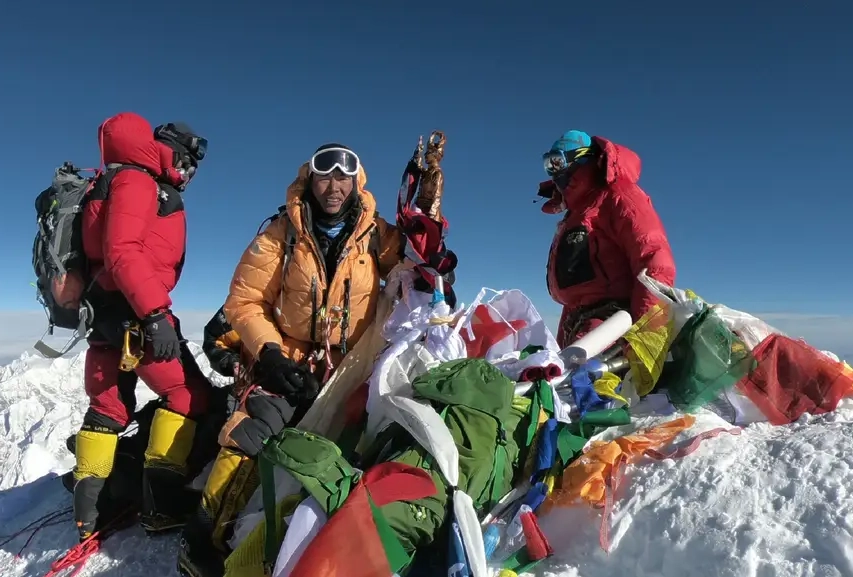
Can you climb Everest on a budget? Realistic tips.
"Budget" is relative. You can't do it safely for $30,000. But you can be smart.
1. Build Experience Efficiently: Instead of guided climbs on Denali and Aconcagua, target less expensive but technically relevant peaks in the Himalayas or South America. Build a relationship with a Nepali company on a smaller peak—they might offer a returning client discount on Everest.
2. Acquire Gear Slowly: Don't buy everything new in one year. Shop sales, used gear from trusted sources (check UKClimbing or Mountain Project forums), and rent the most expensive single-use items (down suit) from your operator.
3. Choose the Shoulder: An autumn attempt (rare) or a very early/late spring slot might be slightly cheaper, though weather risk is higher.
4. The Biggest Lever: Be Stronger. This is the ultimate money-saver. If you show up supremely fit, acclimatize well, and move efficiently, you reduce your risk of needing extra rescue insurance payouts, extra oxygen, or extra Sherpa support. Your fitness is your best financial planning.
A realistic "budget" for a well-prepared climber using a reputable Nepali operator is $65,000 - $75,000 all-in. Anything advertised significantly lower should set off alarm bells.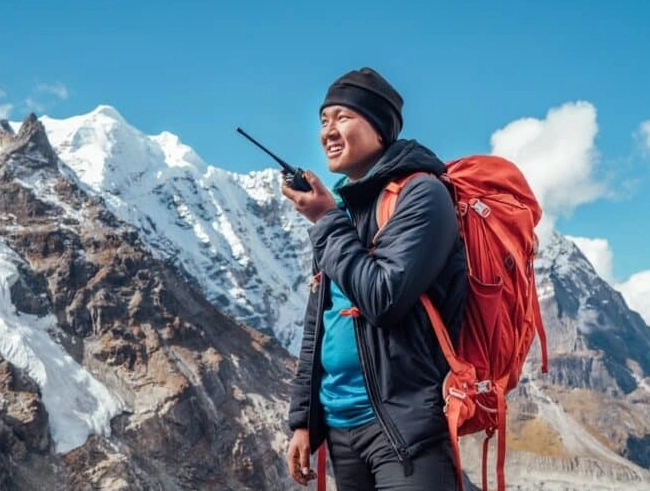
Your Everest cost questions, answered.
Is it possible to climb Everest on a budget under $40,000?
What's the single most overlooked cost that climbers forget to budget for?
Do more expensive Western-guided expeditions have a higher success rate?
How much should I budget for tips on the mountain?
If I have to turn back early, do I get a refund?
So, what's the final answer? The real cost of climbing Everest is the total investment required to attempt it safely and responsibly. It's a five or six-figure sum that encompasses years of training, thousands in equipment, and a guided fee that reflects the immense logistical challenge. It's the cost of respecting the mountain, the people who work there, and your own life. Budget for the total, not the tag.