You're at the top of a cliff, the wind is picking up, and the only way down is a sheer face of rock. That's where rappelling comes in. So, what is called rappelling? In simple terms, it's the technique of using a rope and a friction device to make a controlled descent down a vertical or near-vertical surface. It's not just climbing in reverse. It's a self-contained skill set crucial for climbers, canyoneers, rescue teams, and military personnel. The goal isn't speed; it's control, safety, and getting back to solid ground without turning the descent into a freefall. I've seen too many newbies focus solely on going up. Trust me, knowing how to get down is what keeps you in the game.
Quick Navigation: Your Descent Checklist
What Exactly is Rappelling?
Rappelling, also known as abseiling in many parts of the world, is the act of descending a rope under control. You're essentially lowering yourself. The rope is anchored at the top, and you use a device attached to your harness to create friction on the rope, which regulates your speed. It's used when down-climbing is impossible or dangerously unstable.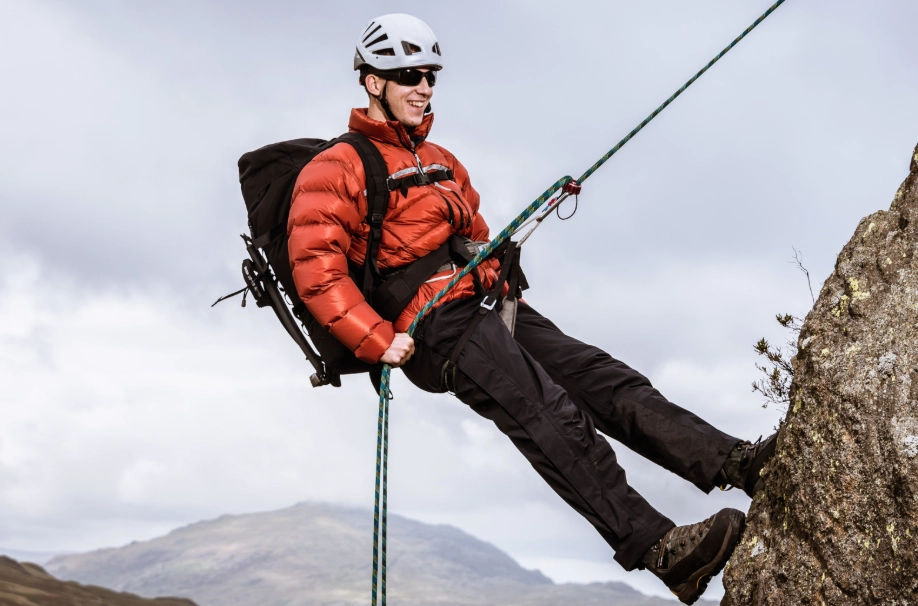
Think of it like this: climbing is about problem-solving your way up. Rappelling is about engineering a safe exit strategy down. The mental shift is significant. Upwards, you're fighting gravity. During a rappel, you're working with it, which introduces a different set of risks if you're not meticulous.
Why "Rappel"? The term comes from the French word "rappeler," meaning "to recall" or "to pull back." It historically described a mountaineering technique where the rope was pulled down after use. Today, it's the universal term for the descent itself.
It's not just for epic alpine faces. You might rappel to access a remote canyon for exploration, to perform a technical rescue, to clean a climbing route after leading it, or even during adventure races. The principle remains the same: controlled descent.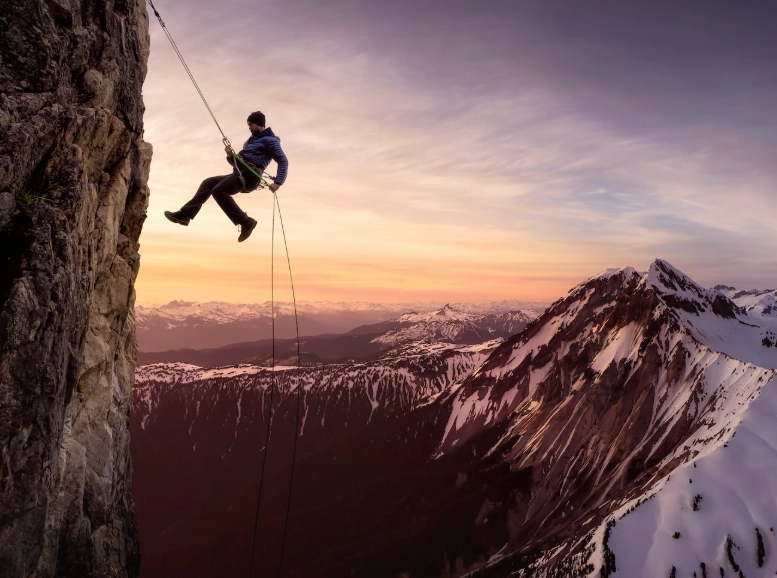
Essential Rappelling Gear You Can't Skip
Gear failure isn't an option here. Every piece has a job. Skimping or misusing gear is the fastest ticket to a bad day. Here’s the non-negotiable kit, broken down.
| Piece of Gear | Primary Function | Critical Details & Personal Take |
|---|---|---|
| Climbing Rope | Your literal lifeline. Bears your weight and provides the medium for friction. | Dynamic (stretchy) for climbing; static (low-stretch) is often preferred for pure rappelling/rescue as it's more manageable. Diameter (9.8mm-11mm) affects grip and device compatibility. Always check for core shots or sheath damage. |
| Harness | Distributes force around your waist and thighs, connecting you to the system. | Must fit snugly. The belay loop is the strongest point for attaching your device. Gear loops are for carrying stuff, NOT for anchoring. A poorly fitted harness can be painfully uncomfortable on a long rappel. |
| Rappel/Belay Device | Creates friction on the rope to control descent speed. | Tubular devices (ATC) are versatile and simple. Assisted-braking devices (GriGri) add a safety catch but can be trickier to feed rope through on rappel. I'm old-school and prefer an ATC for its simplicity and reliability, but a GriGri is fantastic for beginners nervous about control. |
| Helmet | Protects your head from falling debris and impact. | Non-negotiable. Rocks dislodged by your rope or from above are a real hazard. It's not about looking cool; it's about keeping your brain intact. |
| Gloves | Protects hands from rope burn and heat. | Leather-palmed gloves are key. On long, fast rappels, the rope can get hot enough to cause burns. I've forgotten mine once on a canyon descent—my palms were tender for days. |
| Anchor Material | Secures the rope to the top. | Could be slings, cordelettes, or bolts. Never trust a single anchor point unless it's a massive, unquestionably solid tree or a certified bolt. Always back up with redundancy. |
Beyond this core list, you'll need locking carabiners (at least two, auto-locking preferred for critical connections), appropriate footwear, and a prusik cord or autoblock loop for a safety backup—which we'll get into.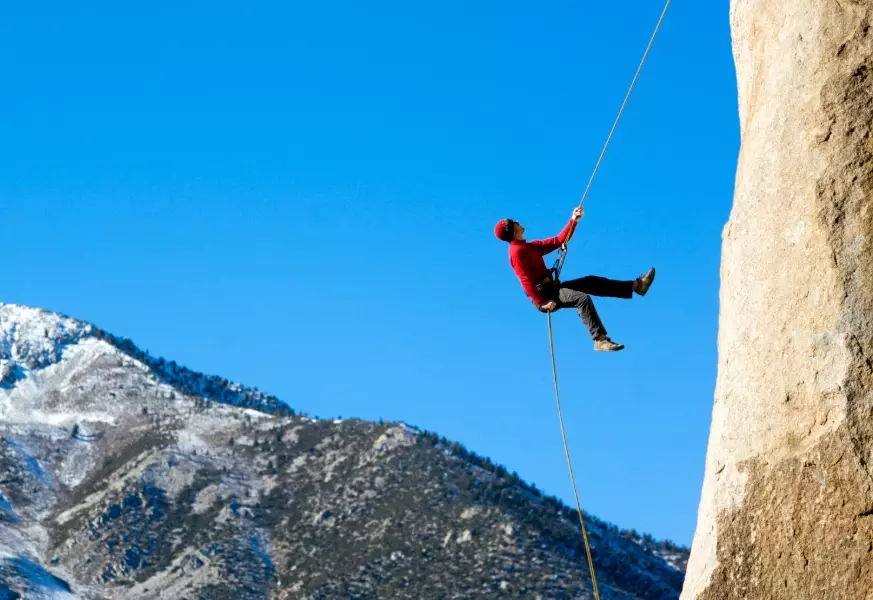
How to Rappell: A Step-by-Step Walkthrough
Let's walk through a standard, single-rope rappel from setup to touchdown. Imagine you're at a bolted station on a cliff.
1. Anchor Setup and Rope Management
First, secure yourself to the anchor with a personal tether. Never work near an edge untethered. Next, prepare your rope. Find the middle mark. Feed both ends through the anchor carabiners (or rappel rings) so the middle mark is at the anchor. Drop the ends down the face. Shout "Rope!" loudly before throwing. This isn't a suggestion. I've seen a dropped rope nearly take out a hiker below.
Visually and physically check that both ends of the rope touch the ground or a secure knot is tied if they don't. The "ends not reaching" scenario is a classic cause of accidents.
2. Connecting Your Device and Backup
Clip your rappel device to your harness's belay loop with a locking carabiner. Pull up a bight of rope from the side that will be going *up* to your anchor. Thread it through the device according to its design. Lock the carabiner.
Now, add a friction hitch backup (like a French Prusik or autoblock). Tie it onto the rope *below* your device and clip it to your leg loop with a second carabiner. This is your "dead man's brake." If you let go, it tightens and stops you. It's the single best habit a rappeller can develop.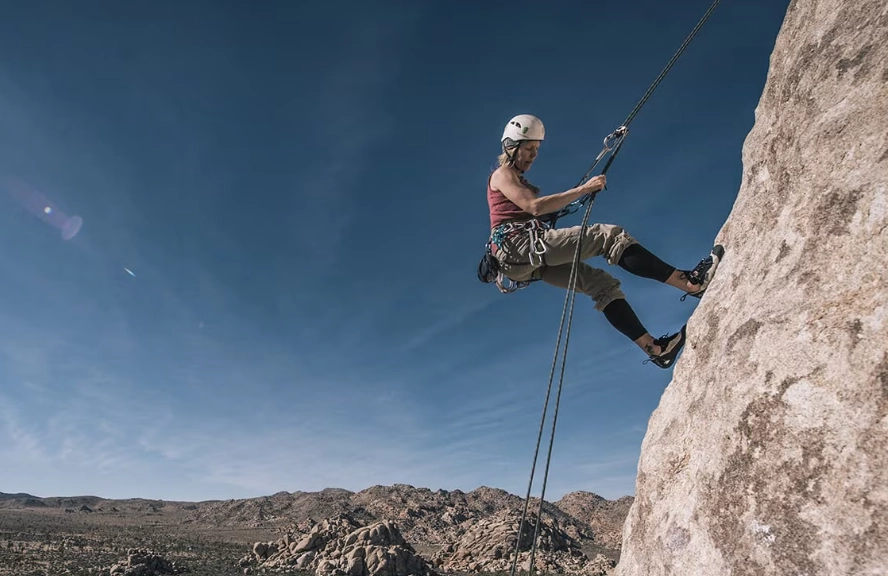
3. The Descent and Landing
Lean back into your harness. It feels counterintuitive to walk backwards off a cliff. Your weight should be on your feet and seat, not your arms. Use your dominant hand as your brake hand, gripping the rope firmly below the device. Your other hand guides above.
Control your speed by easing the brake hand away from your hip. To stop, pull the brake hand down and behind you. Move smoothly, avoiding big jumps. Look where you're going, feel for the texture of the rock with your feet. When you land, immediately shout "Off rappel!" and disconnect.
Non-Negotiable Safety Protocols
Protocols are boring until they save your life. Here are the big three.
The Partner Check: Before anyone goes over the edge, you and your partner physically check each other's systems. Harness buckled? Device threaded correctly? Carabiners locked? Backup knot tied? It takes 30 seconds and catches 90% of errors.
Backup, Backup, Backup: Your rappel device is primary. Your friction hitch is backup #1. A well-built, redundant anchor is backup #0. Never rely on a single point of failure.
End-Knots: Always, always tie stopper knots (like figure-eights) in the ends of your ropes. This prevents the horrifying scenario of rappelling right off the end of the rope.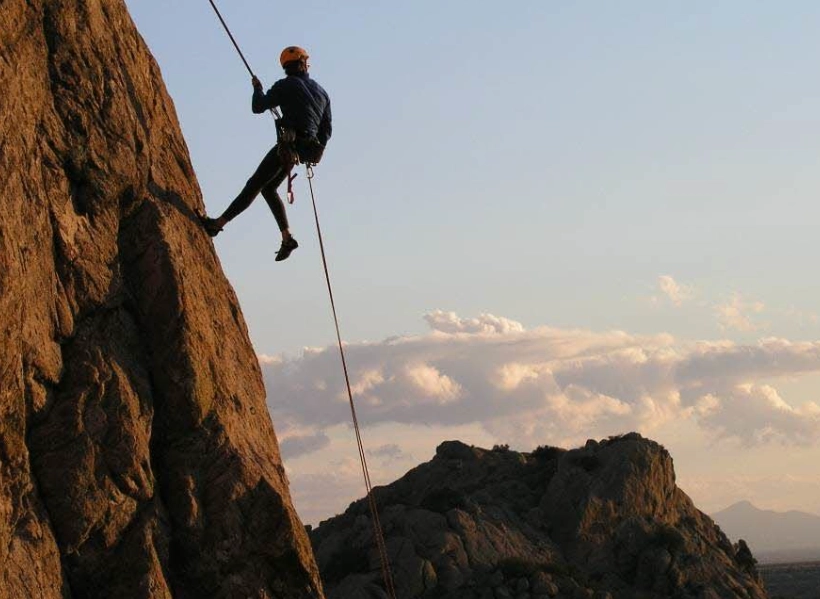
Common Rappelling Mistakes (And How to Avoid Them)
After a decade, you see patterns. These aren't just oopsies; they're killers.
The "Death Grip": New rappellers often choke up on the rope *above* the device with their guide hand. If that hand slips and gets sucked into the device, it can instantly sever fingers. Keep your guide hand lightly on the rope well above the device, or just use it for balance.
Rappelling Past the Knots: You tied knots in the ends. Great. But on a long, winding rappel, you might not see them. Develop a mental timer or use a rope with a middle mark. If you feel the knots entering your device, STOP. You'll need to ascend the rope a bit, which is a whole other skill set.
Mis-rigging the Device: Threading the rope incorrectly through an ATC or similar device means zero friction. You step off and… nothing slows you down. The partner check is designed to catch this. Don't rush it.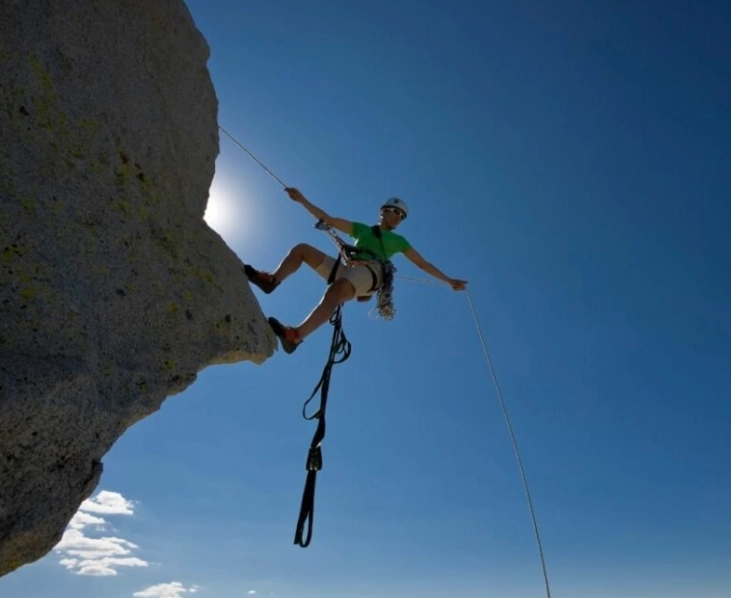
Your Rappelling Questions Answered
Is rappelling dangerous for beginners?
It has inherent risks, but it's very safe when learned correctly from a certified instructor. The danger spikes when people are self-taught from YouTube or skip fundamental safety steps like using a backup knot. Start on a low, vertical surface with a top-rope backup from an instructor.
What's the biggest difference between indoor gym rappelling and outdoor?
Control and consequences. In a gym, the rope is fixed, the anchor is bombproof, and the landing is soft. Outdoors, you manage the rope, assess natural anchors, deal with wind, rock texture, and a much more complex environment. A gym teaches mechanics; outdoors teaches judgment.
Can I rappel if I'm afraid of heights?
Many great rappellers are. The system provides control, which often reduces fear. The anxiety usually peaks at the edge before leaning back. Once you're in the harness and moving smoothly, focusing on the technique (checking your device, feeling the rope) often overrides the panic. It's more about trust in the gear and the process than "conquering" the fear.
How do I choose between an ATC and an assisted-braking device like a GriGri for rappelling?
An ATC requires constant brake hand pressure. It's simple, lightweight, and works with any rope diameter. A GriGri can lock if you let go, which feels safer, but it requires a specific technique to feed rope smoothly and doesn't work well with very thin or very thick ropes. My advice: learn on an ATC. It builds essential brake-hand discipline. Once that's muscle memory, a GriGri can be a useful tool, especially for long, exposed rappels where hand fatigue is a factor.
What should I do if my rope gets stuck after I pull it down?
First, don't yank wildly. You'll likely jam it tighter. Try pulling from different angles. If that fails, you're looking at a re-ascent. This is where carrying a short length of cord and a couple of carabiners to improvise ascending gear (like prusik loops) becomes a valuable advanced skill. It's a hassle, but it beats leaving a $200 rope on the cliff.