Let's cut right to it. No, 27 is absolutely not too old to start rock climbing. Not even close. If you're reading this, a little voice in your head is probably whispering about missed opportunities, comparing yourself to teenagers crushing problems on Instagram, or worrying your body can't handle it. I get it. I started at 28. That voice is lying.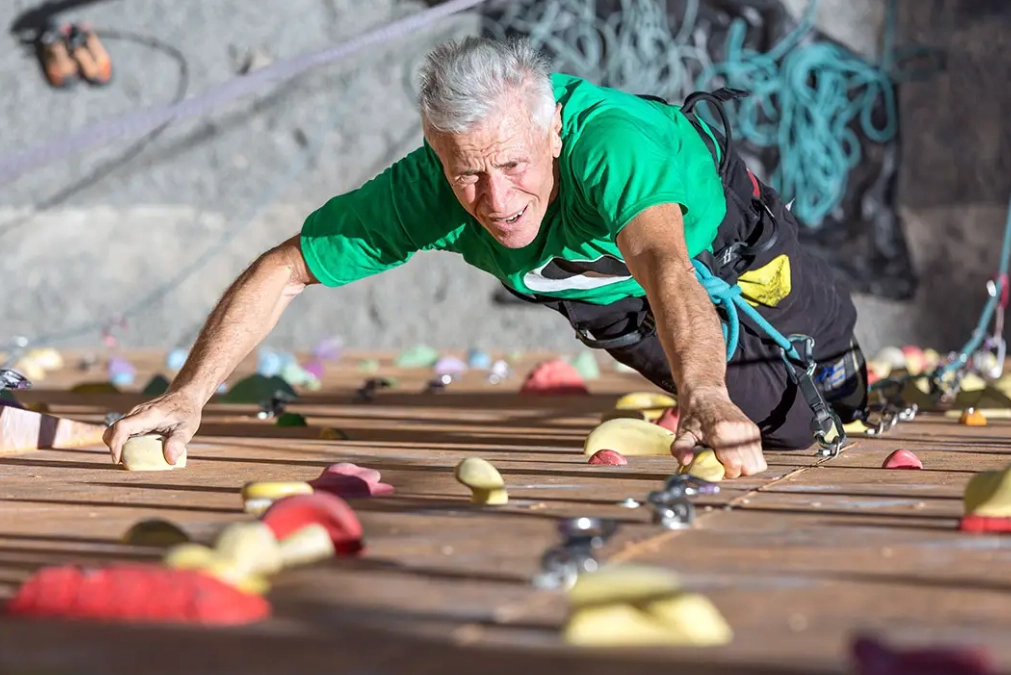
The real question isn't about age—it's about mindset, method, and managing expectations. Rock climbing isn't just for the young and fearless; it's a sport that rewards patience, problem-solving, and persistence. Qualities you likely have more of now than you did at 17. This guide isn't about empty reassurance. It's a practical roadmap from someone who's been exactly where you are, detailing why starting at 27 (or 37, or 47) can be an advantage, and exactly how to begin without getting hurt or discouraged.
What You'll Find Inside
The Reality of Age and Climbing Performance
We need to separate fact from fiction. The peak physical performance window for many elite athletes might be in their mid-20s, but that's for the 0.001% competing at the absolute limit. For the rest of us—the recreational climbers seeking fun, fitness, and community—the story is completely different.
Climbing performance hinges on more than raw strength. It's a puzzle. Technique, balance, body awareness, and mental focus often matter more than being able to do a one-arm pull-up. These are skills that mature with age. A report from the British Mountaineering Council often highlights the growth in participation among adults in their 30s and 40s, noting that climbing gyms are filled with people who discovered the sport well into adulthood.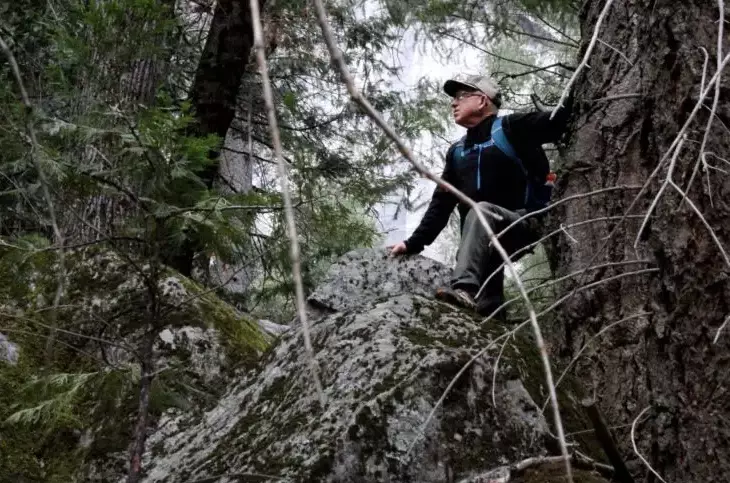
Your body at 27 is still incredibly adaptable. With consistent, smart training, you can build significant strength, flexibility, and tendon resilience. The key is the "smart" part. You can't recover like a 16-year-old who sleeps 10 hours and lives on pizza. You need to listen to your body, prioritize rest, and focus on technique from day one. This isn't a disadvantage—it's a framework for sustainable progress that prevents burnout and injury.
Think about it this way: Starting at 27 means you're likely more financially stable to afford gear and gym memberships, more disciplined to follow a sensible training plan, and more appreciative of the mental escape climbing provides from work or life stress. These are massive head starts.
What Are the Real Advantages and Challenges?
Let's break down the specific pros and cons of starting your climbing journey as an adult. It's not all sunshine, but the advantages are substantial and often overlooked.
| Advantages of Starting at 27+ | Challenges & How to Mitigate Them |
|---|---|
| Mental Maturity: Better patience for learning technique, less ego-driven frustration when you fail, higher pain tolerance for the inevitable skin wear. | Slower Recovery: Your muscles and tendons need more time. Mitigation: Climb 2-3 times a week max at first, prioritize sleep, and incorporate active recovery like walking or yoga. |
| Risk Assessment: You're less likely to do stupid, dangerous things for a thrill. You'll naturally focus on safety and controlled progression. | Injury Prone if Rushed: Overuse injuries (like pulley strains in fingers) are common for eager beginners. Mitigation: Never climb through joint pain. Warm up thoroughly for 15+ minutes. Focus on open-handed grips, not "crimping" hard all the time. |
| Financial Resources: You can invest in good beginner shoes, a harness, and a gym membership without it breaking the bank. | Time Constraints: Jobs, relationships, and responsibilities get in the way. Mitigation: Schedule climbing like an important appointment. Even one focused 90-minute session per week is enough to start and see progress. |
| Clearer Motivation: You're climbing for yourself—for health, stress relief, a new community—not because it's a trend. This intrinsic motivation is more sustainable. | Comparison Trap: It's easy to feel behind compared to younger climbers. Mitigation: Your journey is yours alone. Track progress against your own past sends, not someone else's. The climbing community is overwhelmingly supportive, regardless of age or grade. |
The biggest mistake I see adult beginners make? Trying to brute-force their way up the wall. A 19-year-old might get away with poor footwork because they have explosive power. You will not. This forces you to learn proper technique early, which is the ultimate long-term gift. Your first year should be dedicated to footwork, balance, and moving quietly on the wall, not chasing the hardest grade you can latch onto.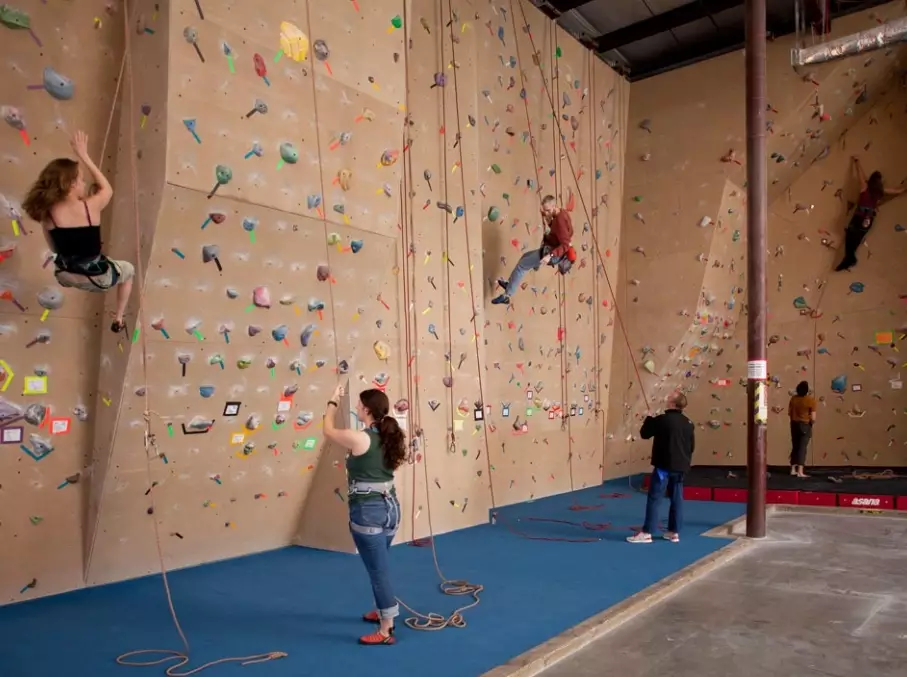
How to Start Rock Climbing at 27: A Step-by-Step Plan
Here's exactly what to do, stripped of all overwhelm. This is the actionable plan I wish I had.
Step 1: Find Your Local Climbing Gym and Take a Lesson
Don't just show up and wander around. Google "rock climbing gym near me" and look for a facility with good reviews, auto-belays (great for solo practice), and a dedicated bouldering area. Most major chains like Movement or Touchstone, and countless independents, offer comprehensive "Intro to Climbing" packages. This usually includes gear rental, a safety briefing, and basic technique instruction for about $50-$70. It's non-negotiable for learning to fall safely (in bouldering) and use a harness properly (roped climbing).
Step 2: Gear Up (Slowly)
You only need two things for your first few months: shoes and a chalk bag. Rent everything else initially.
- Shoes: Go to a store like REI or a dedicated climbing shop. Don't buy aggressive, downturned shoes. Get a comfortable, neutral beginner shoe. They should be snug but not excruciatingly painful. La Sportiva Tarantulace or Scarpa Origin are classic, reliable starters. Expect to pay $80-$110.
- Chalk & Bag: A simple chalk bag and loose chalk ball ($15-$25 total). It's not for looks; it keeps your hands dry for better grip.
- Harness & Belay Device: Rent these until you're sure you enjoy roped climbing. Then, invest in a comfortable, adjustable harness (like a Black Diamond Momentum) and an assisted-braking device like a Petzl Grigri (safer and easier for beginners than a traditional tube device).
Step 3: Build a Sustainable Routine 
Frequency beats duration. Aim for two 90-minute sessions per week. A typical session could look like:
- 0-15 mins: Warm-up. Light cardio (jumping jacks), dynamic stretches for shoulders, wrists, and hips. Gently open and close your fingers.
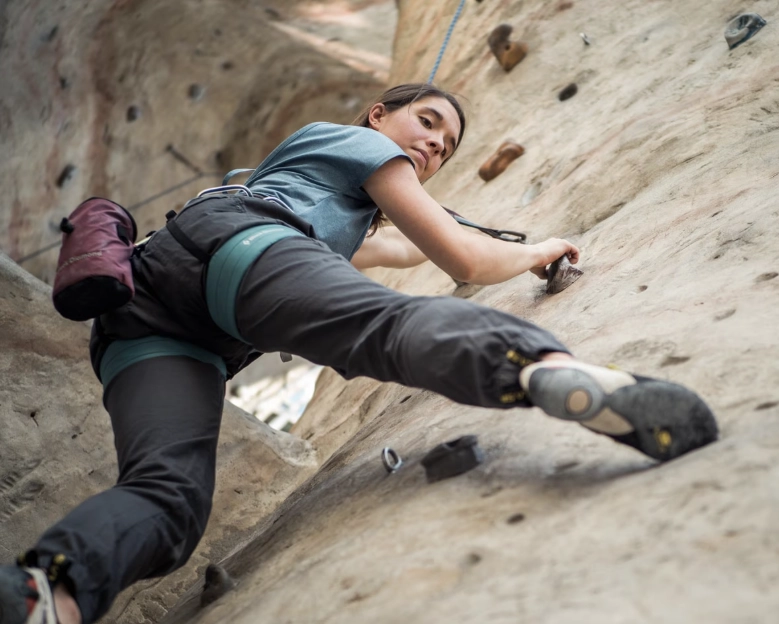
- 15-60 mins: Skill-focused climbing. Pick 3-4 easy boulder problems or top-rope routes. Climb them slowly, focusing on placing your feet silently and precisely. Downclimb if you can—it's fantastic for technique.
- 60-75 mins: Play time. Try something harder, socialize, or practice a specific move.
- 75-90 mins: Cool down. Light stretching, especially forearms, shoulders, and hips. Massage your fingers.
For the first 6 months, do not add intense off-the-wall training like hangboarding. Your finger tendons are not ready. The best supplemental training is general fitness: push-ups, rows, and core work.
Step 4: Engage with the Community (It's Easier Than You Think)
Climbing is social. Smile, ask someone for "beta" (advice on a move) on a problem you're both trying. Most gyms have adult beginner clubs or "meet-up" nights—join one. The American Alpine Club has local chapters nationwide that host events. You'll quickly find climbers of all ages. I met my regular climbing partner, who's in his 50s and started at 48, by just asking for a spot on a boulder problem.
My Own Late Start: A Personal Case Study
I walked into a climbing gym for the first time at 28, soft from a desk job and intimidated by everyone around me. My forearms burned out in 20 minutes. I was terrible. But I loved the puzzle—figuring out where to put my foot, the quiet focus that pushed other thoughts away.
My mistake? I got obsessed too fast. In month three, I was climbing four times a week, chasing grades. My fingers ached constantly. I developed a mild but nagging pulley strain that set me back two months. That was my lesson in patience. I scaled back to twice a week, focused entirely on technique, and recorded myself on easy climbs to critique my footwork. The progress after that was slower but steady and injury-free.
Two years in, I'm not the strongest climber in the gym, but I'm known for good technique. I can climb 5.11s outdoors, which felt impossible at the start. The community I've found—people in their 20s to 60s—is the most supportive I've ever encountered. Starting "late" meant I skipped the reckless phase and built a durable, joyful practice from the ground up.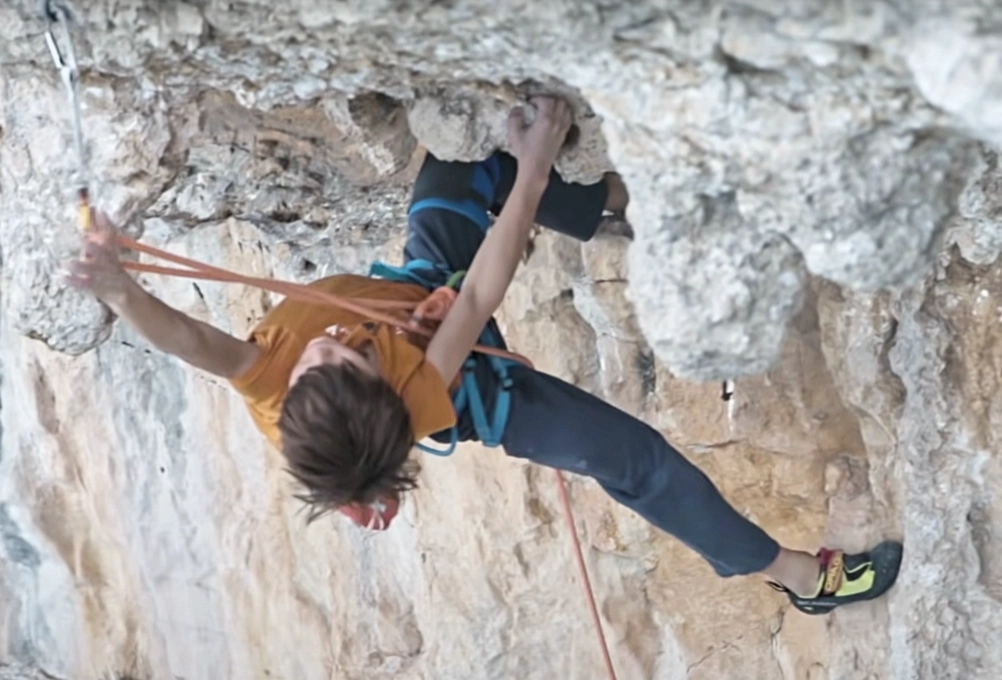
Your Climbing Questions, Answered
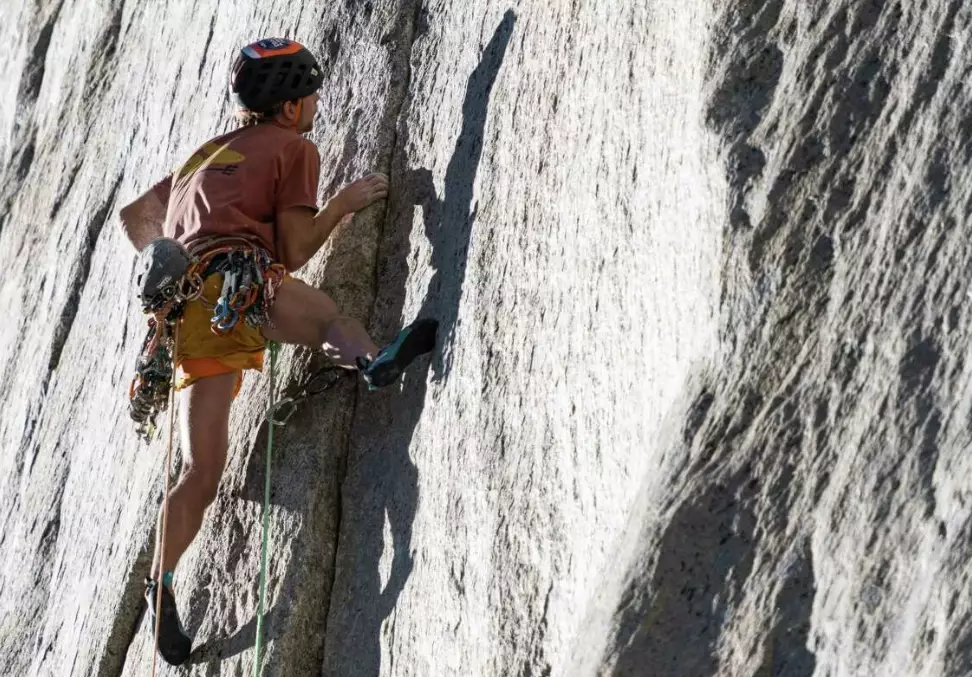 I feel self-conscious in the gym. Everyone seems to know each other.
So, is 27 too old? The question itself is a trap. It assumes climbing is a race with a starting gun that went off without you. It's not. It's a lifelong practice of movement, problem-solving, and community. Your age brings perspective, patience, and purpose that can make your climbing journey richer and more sustainable from the very first hold you grab. The wall doesn't care how old you are. It only asks that you try. Your 27-year-old self is more than ready for that challenge.