You're at the base of a rough granite crack, or maybe a cold, sharp limestone route. Your hands are your primary tools. The question pops into your head: should I be wearing gloves? If you ask ten climbers, you might get ten different opinions. The internet is full of conflicting advice. Here's the truth straight away: for most roped rock climbing and bouldering, experienced climbers don't wear gloves. But that "most" is doing a lot of work. The real answer is a nuanced "it depends," and getting it wrong can mean the difference between sending your project and a trip to urgent care.
I've been climbing for over a decade, from slick indoor walls to icy alpine ridges. I've tried gloves, hated them, then found specific situations where they were indispensable. This guide cuts through the dogma and looks at the practical pros, cons, and specific scenarios. We'll cover the types of gloves that actually work for climbing (most don't), when you should seriously consider them, and the critical downsides everyone ignores.
What’s Inside This Guide
The Case FOR Wearing Climbing Gloves
Let's start with why gloves even enter the conversation. The benefits are tangible and address real problems.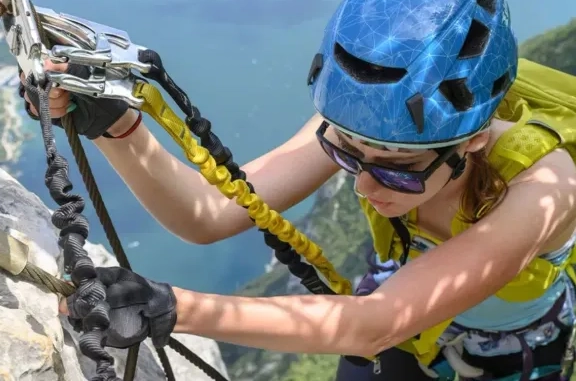
Core Benefits: Protection and Grip
Skin Protection: This is the big one. Abrasive rock (sandstone, rough granite), sharp crystals, and man-made materials like textured fiberglass on some holds can shred your skin. A long multi-pitch trad route or a day of crack climbing can leave your hands raw and bleeding. Gloves act as a sacrificial layer. I remember a long off-width crack in Red Rock Canyon where my palms were hamburger meat by pitch three. A thin leather glove would have saved me weeks of healing.
Cold Weather Insulation: Your fingers stop working when they're numb. In cold conditions—early morning alpine starts, winter climbing, or high-altitude routes—dexterity and grip strength plummet. A glove, even a thin liner, maintains blood flow and sensation, letting you actually feel and pull on holds. The American Alpine Club's safety resources often highlight cold injuries as a major, preventable risk.
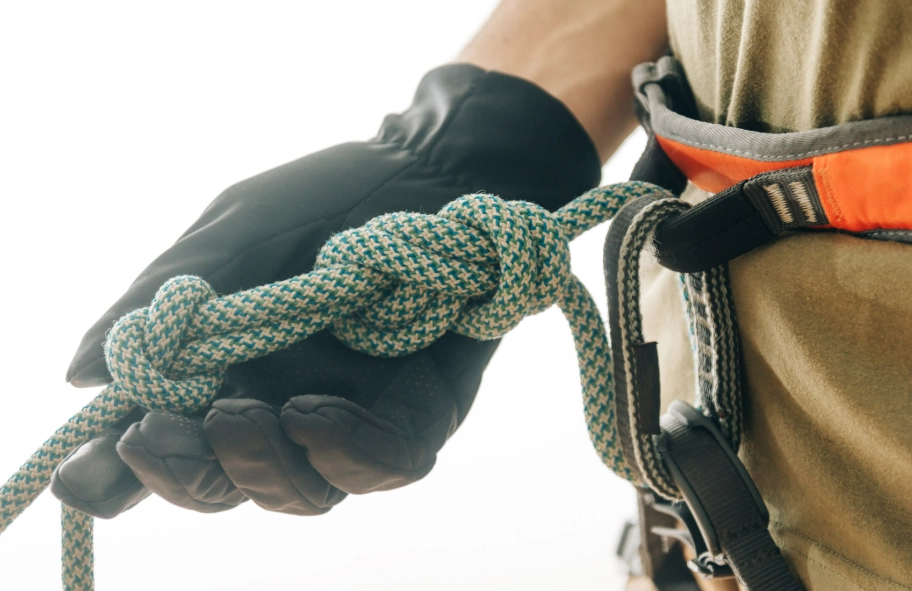
Rope Burn and Abrasion Prevention: During rappels, lowers, or especially during a rescue or hauling scenario, ropes moving quickly through your hands generate intense friction heat. A belay glove on your brake hand is non-negotiable for many climbers in these situations. It prevents painful burns and gives you a more secure grip on the rope if you need to stop a fast descent.
Hygiene on Popular Routes: Less critical for performance, but think about it. The start holds of a classic 5.6 at a busy crag have been touched by hundreds of sweaty hands. A thin glove can be a nice barrier if that grosses you out.
The Case AGAINST Wearing Climbing Gloves
Now, the reasons why gloves are often frowned upon. These aren't minor inconveniences; they're fundamental to the sport of climbing.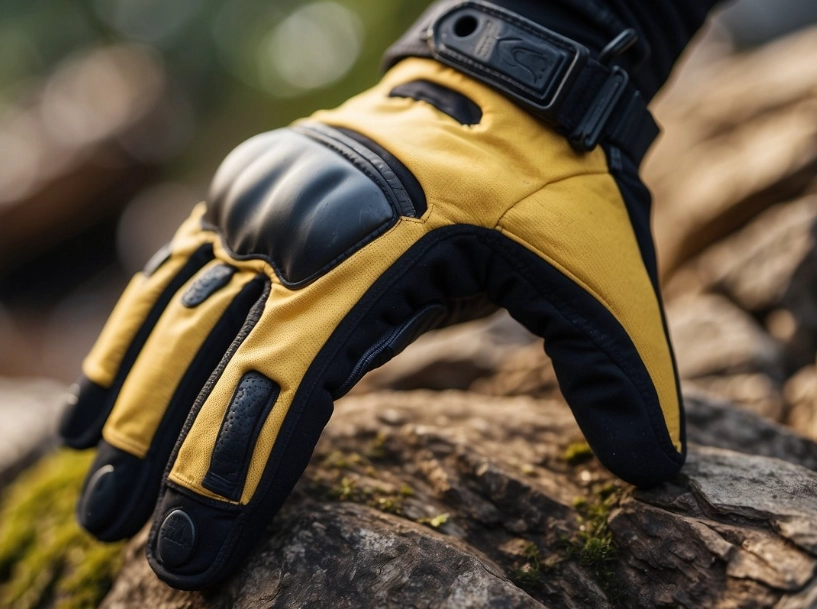
The Critical Downsides: Feel and Function
Loss of Sensitivity and Feel: Climbing is a game of millimeters and texture. Your fingertips have an insane density of nerve endings that tell you exactly how a crystal is shaped, how slick a sloper is, or how positive a micro-edge feels. Any glove, no matter how thin, is a barrier. You lose the intimate feedback needed for hard technical moves. It's like trying to thread a needle while wearing oven mitts.
Reduced Friction and Grip: Your skin's natural sweat and oils create a unique friction interface with the rock. Rubber and leather don't replicate this. On smears, slopers, or pinches, a glove can cause you to unexpectedly pop off. The connection is just less secure.
Hinders Technical Handwork: Placing trad gear, tying knots, adjusting belay devices, or even clipping a carabiner becomes clumsier. That extra second fumbling with a cam placement because you're wearing gloves can be the difference between a solid piece and a poorly seated one.
Creates a False Sense of Security: This is the subtle, dangerous one. If your hands don't hurt, you might grip harder than necessary or stay on a rough hold longer, leading to more forearm pump and faster fatigue. You also avoid developing the essential calluses and skin toughness that are part of a climber's natural adaptation.
Glove Types: What Actually Works for Climbers?
Not all gloves are created equal. The gardening gloves from your shed are useless. Here’s a breakdown of types you'll see, and which ones have a place in your pack.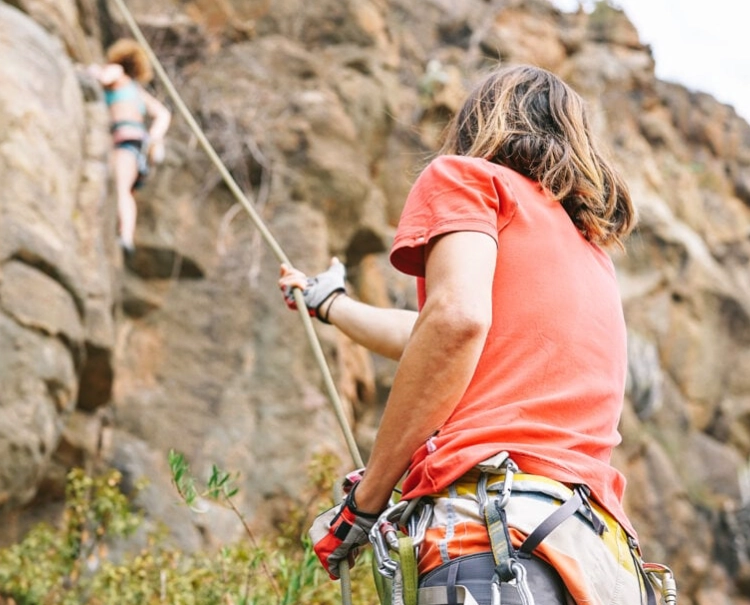
| Glove Type | Best For | Key Features | Major Drawbacks |
|---|---|---|---|
| Full-Finger Leather Climbing Gloves (e.g., crack gloves) | Hand-jamming in cracks, off-width climbing, rough rock protection. | Durable leather (often goatskin), minimal padding, reinforced palms/fingers. | Bulky, terrible for face climbing, zero sensitivity, can be hot. |
| Belay/Rappel Gloves | Handling ropes during lowers, rappels, hauling, rescue scenarios. | Reinforced palm and fingers (often leather/synthetic), good dexterity, heat resistant. | Too bulky for actual climbing. For rope work only. |
| Thin Liners & Mechanics Gloves (e.g., polyurethane palm) | Cold weather climbing, light abrasion protection, maintaining dexterity. | Very thin, breathable, some palm grip, decent touch sensitivity. | Limited abrasion protection, not for sharp rock, palm grip can be slippery. |
| Fingerless Gloves | Virtually nothing for serious climbing. A misguided choice. | Protects palm only. | Leaves fingertips exposed (where you need sensitivity most), constricts palm. |
| Neoprene/Fleece Mittens | Extreme cold, alpine climbing, belaying in freezing temps. | Maximum warmth, often waterproof shell. | Zero dexterity. You take them off to do anything technical. |
The takeaway? If you're getting a glove for climbing (not belaying), a purpose-built, full-finger leather climbing glove or a very thin thermal liner are your only real options. Everything else is a compromise that usually doesn't pay off.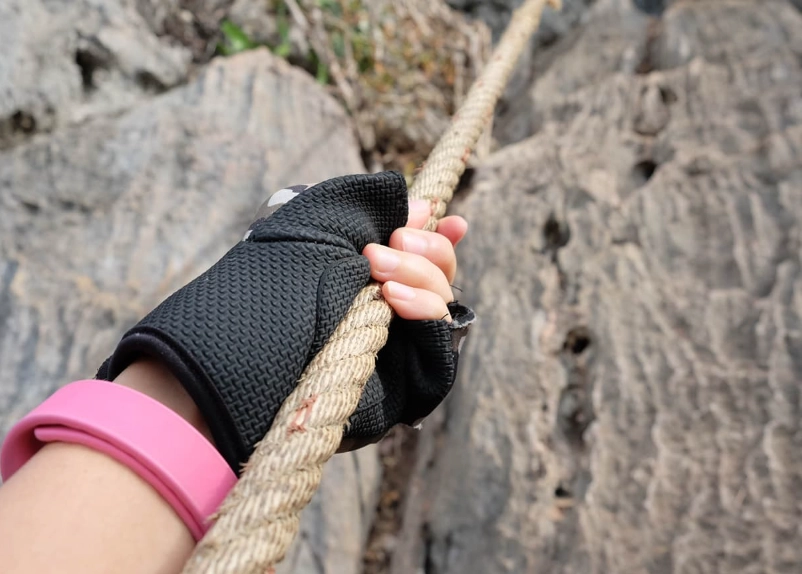
Scenario Guide: When to Wear Them (And When Not To)
Let's get specific. Your activity dictates the gear.
How to Choose Climbing Gloves (If You Decide You Need Them)
If you've landed in a scenario where gloves make sense, here's how to pick.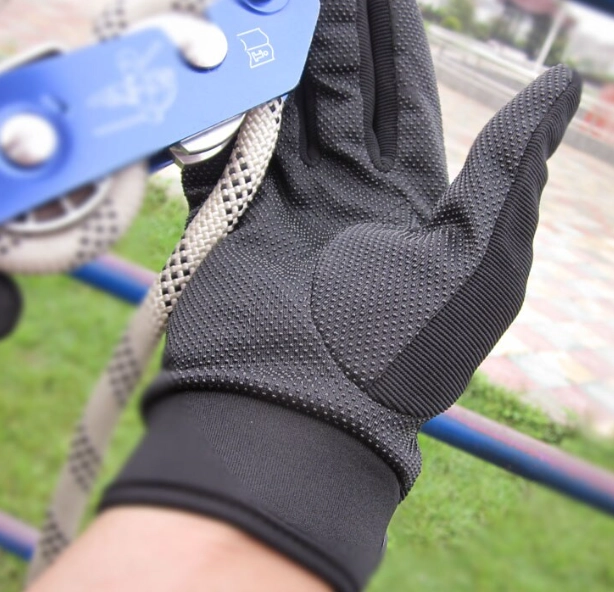
Fit is Everything: They must be snug—like a second skin. Any excess material will bunch up, create pressure points, and reduce control. You should be able to make a fist and touch your fingertips to your palm without restriction. Try them on with your hand in a gripping position.
Material Matters: For abrasion protection, look for supple, durable leather (goatskin is popular). For cold weather, prioritize synthetic materials that wick moisture and retain warmth when damp (fleece, wool blends, Primaloft). Avoid thick, rigid leather or bulky insulation for climbing-specific tasks.
Dexterity Test: Can you pick a coin off a flat surface? Can you easily operate the buckle on your harness? If not, they're too bulky for technical climbing.
Attachment Strategy: Have a plan. A carabiner gatekeeper loop, a pocket, or a clip on your harness. You'll be taking them on and off frequently. Losing a glove halfway up a route is annoying and potentially dangerous.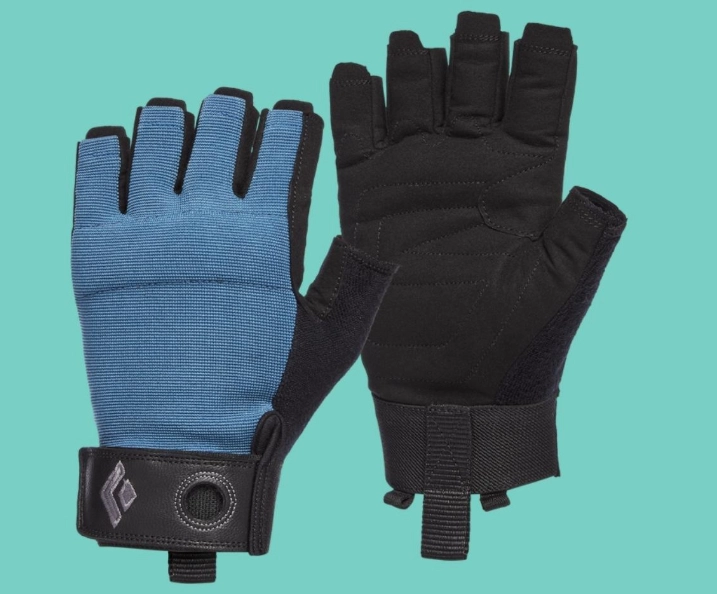
Your Glove Questions, Answered
Should I wear gloves for indoor climbing or bouldering to prevent calluses?
What about gloves for beginners who have soft hands?
Can gloves help with sweaty palms?
I see professional climbers using tape a lot. Why not just use gloves?
What's the one glove you actually recommend every climber owns?