Your Climbing Roadmap
- Untangling the Confusion: Free Climbing vs. Everything Else
- A (Very) Brief Dip into the History
- The Two Main Arenas: Sport vs. Trad Free Climbing
- The Non-Negotiables: Essential Free Climbing Gear
- How Do You Actually Get Better at Free Climbing?
- The Safety Conversation: It's Not an Afterthought
- Your Path to Getting Started (Without Being an Idiot)
- Common Questions from New (and Not-So-New) Climbers
- The Soul of It: Why Do This Anyway?
Let's get this out of the way first, because everyone gets it wrong at least once. Free climbing is not climbing without a rope. That's soloing, and that's a whole different, terrifying ball game. The "free" in free climbing refers to the style of ascent. It means you're moving up the rock using only your body—your hands, your feet, your core, your fingertips gripping tiny crystals. The rope, the harness, the cams and nuts you place for protection? They're just there to catch you if you fall. They don't help you go up.
Think of it like this: the rope is your seatbelt on a windy mountain road. You still have to drive the car, navigate the turns, control the speed. The seatbelt doesn't steer for you. That's the essence of free climbing. It's you versus the physics of the rock, with a safety net. It's problem-solving with your entire being.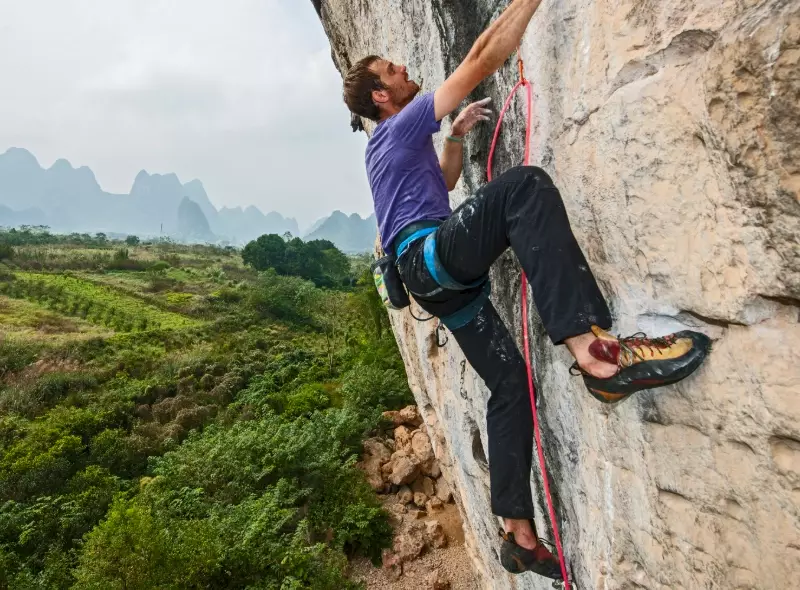
The Core Idea: If you're using gear to pull yourself up, hang on it to rest, or step on it like a ladder rung, that's aid climbing. In free climbing, the gear is purely for protection. The distinction is everything.
Untangling the Confusion: Free Climbing vs. Everything Else
This is where eyes glaze over, but stick with me. The climbing world has more jargon than a tech startup, but understanding these terms is crucial for safety and knowing what you're even talking about.
Free Climbing vs. Aid Climbing: We covered this. Aid climbing uses gear for upward progress. It's how the biggest, blankest walls were first ascended. Free climbing rejects that. It's purist, in a way.
Free Climbing vs. Free Soloing: This is the big one. Free soloing is free climbing... but without any rope or protective gear at all. A fall is likely fatal. It's the ultimate high-stakes game, practiced by an incredibly small number of climbers with otherworldly skill and mental control. Alex Honnold's El Capitan climb in Free Solo? That was free soloing. Do not confuse the two. Most free climbers, myself included, have zero interest in free soloing. The risk profile is just on another planet.
Free Climbing vs. Bouldering: Bouldering is a subset of free climbing, but it's usually done on shorter rocks (boulders) without a rope. Falls are protected by thick crash pads on the ground and spotters. It's like doing a single, brutally hard crossword puzzle. Free climbing on a rope is like writing a whole essay.
See? It's messy. But when someone says they're "going free climbing" this weekend, they almost certainly mean they'll be on a rope, placing or clipping into protection as they go, but only using the rock to ascend.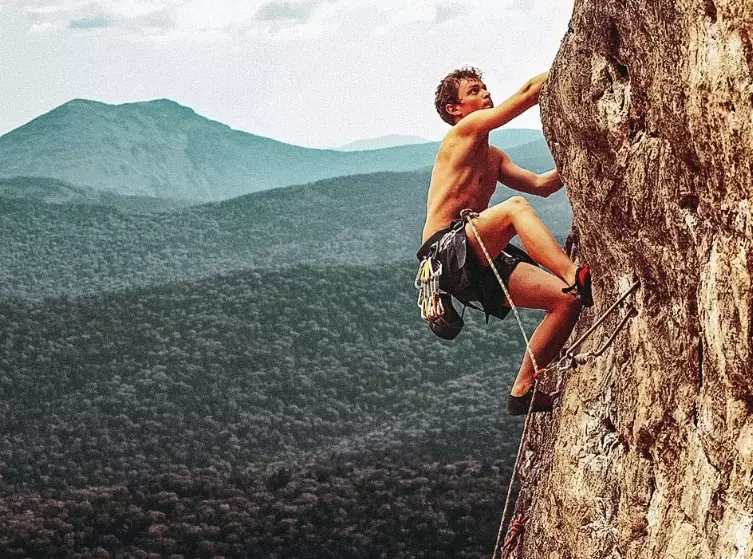
A (Very) Brief Dip into the History
Free climbing as a defined philosophy really took off in the 1970s and 80s. Before that, the goal was just to get to the top by any means necessary—hammering pitons, using etriers (little rope ladders). It was more expedition than athletic pursuit.
Then climbers in places like Yosemite Valley started asking: "What if we could climb this crack using just our hands and feet?" It was a revolution. Visionaries like John Bachar and the Stonemasters pushed the limits, climbing routes that had previously required aid. They trained specifically for it. It shifted climbing from an adventurous craft to a sport with trainable physical techniques. The American Alpine Club's journal archives are full of these debates from the era—it's fascinating to see the purist philosophy take root.
That shift changed everything. It made the climber, not the gear, the center of the story.
The Two Main Arenas: Sport vs. Trad Free Climbing
All free climbing isn't created equal. The biggest fork in the road is between sport climbing and traditional (trad) climbing. Your choice here defines your entire experience, your mindset, and the gear you carry.
Sport Free Climbing: The Gymnast's Playground
In sport climbing, the protection is already permanently bolted into the rock. You clip your rope into these bolts as you go up. The focus is almost entirely on the physical movement—pushing your strength, endurance, and technique on often steep, powerful, or technical sequences. It's like running on a track instead of cross-country. The route is defined, the protection is (usually) reliable, and you can try the same hard move over and over without worrying about gear placement.
I love sport climbing for pure training. You can project a route, work individual moves, and measure progress in a clear way. The mental game is about fear of falling, not fear of your gear failing.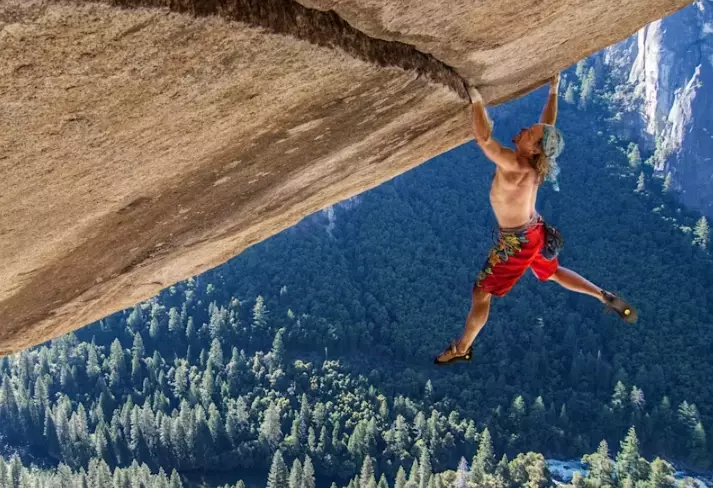
Trad (Traditional) Free Climbing: The Problem-Solver's Craft
Traditional free climbing is the older, more complex sibling. Here, there are no pre-placed bolts (except maybe at belays). As you climb, you must place your own removable protection—camming devices, nuts, hexes—into cracks and features in the rock. Then you clip your rope to that.
This adds a massive mental and technical layer. You're not just climbing; you're reading the rock for gear placements, assessing their quality, managing your rack of gear, and constantly weighing risk. A good trad climber is an engineer, a strategist, and an athlete all at once. The British Mountaineering Council (BMC) has excellent, safety-focused guides on trad gear placement because getting it wrong has consequences.
The feeling of topping out a long, classic trad route, having placed all your own gear, is incomparable. It's a deeper, more self-reliant satisfaction. But it's also slower, requires more knowledge, and frankly, can be more terrifying when you're run out (far above your last piece).
| Aspect | Sport Free Climbing | Trad Free Climbing |
|---|---|---|
| Primary Focus | Physical difficulty & movement | Adventure, route-finding, self-reliance |
| Protection | Pre-placed permanent bolts | Removable gear placed by the climber |
| Gear Cost (Startup) | Lower (harness, shoes, rope, quickdraws) | Much higher (adds full rack of cams/nuts) |
| Mental Challenge | Fear of falling, pump management | Gear placement anxiety, anchor building, commitment |
| Best For | Pushing physical limits, training, consistency | Adventure, multi-pitch routes, mastering craft |
Most climbers dabble in both, but often gravitate towards one. I started on sport routes because it let me learn to move on rock without the overwhelming gear-placement headache. It was the right call.
The Non-Negotiables: Essential Free Climbing Gear
You can't just show up in sneakers. The right gear is what makes free climbing safe(ish) and actually possible. Here's the core kit, whether you're headed to a sport crag or a trad adventure.
- Climbing Shoes: Your most important tool. They're tight, downturned for edging on crystals, and have sticky rubber soles. Forget comfort; they're meant to be an extension of your foot. Try on a dozen pairs.
- Harness: Your link to the rope. Get one that fits well, has gear loops (especially for trad), and is certified. Don't buy a used harness. Ever.
- Climbing Rope: A dynamic rope, usually 60m or 70m long. It's your lifeline. It stretches to absorb the energy of a fall. Dry-treated ropes last longer if you climb in wet areas.
- Helmet: This one is personal, but I'll give my opinion: wear one. Especially outdoors. A single falling rock or an unexpected slam into the wall can change your life. It's not uncool; it's smart.
- Belay Device & Carabiner: For the belayer to control the rope. An assisted-braking device (like a GriGri) is popular for sport climbing for its added safety, but a good old tubular device works too and is essential for trad rappels.
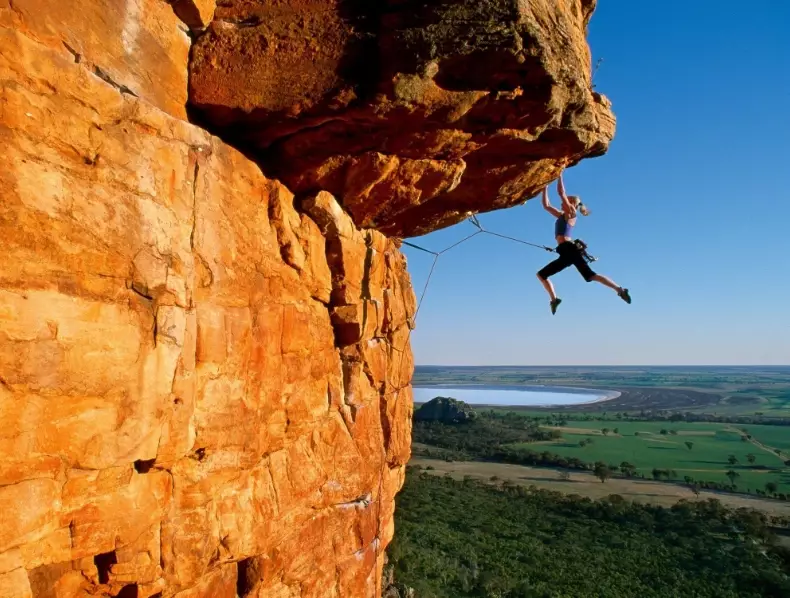
- Chalk & Chalk Bag: Keeps your hands dry for better grip. It's a psychological crutch as much as a physical aid.
For Sport Climbing Add: A set of quickdraws (12-18 is a good start). These are two carabiners connected by a sturdy fabric sling. You clip one end to the bolt, the other to your rope.
For Trad Climbing Add: This is the big investment. A "rack" of camming devices (like Black Diamond Camalots or DMM Dragons) in various sizes, a set of nuts (metal wedges), slings, carabiners galore, and more. Building a trad rack is a slow, expensive process, and you need mentorship to learn how to use it all.
Gear Note: All climbing equipment should be UIAA (International Climbing and Mountaineering Federation) or CE certified. This isn't the place for uncertified, off-brand gear. Your life literally depends on it. The UIAA Safety Standards page explains what those certifications mean.
How Do You Actually Get Better at Free Climbing?
It's not just about getting stronger arms (though that helps). Free climbing is a skill pyramid. Here's what to work on, from the foundation up.
Footwork is King. Beginners use their arms for everything. Experts use their legs. Your legs are stronger. Precise, quiet foot placement is the first and most important skill. Practice "smearing" (using friction on flat rock) and "edging" (using the inside or outside edge of your shoe on a tiny lip). Look at your feet until you don't need to anymore.
Body Positioning & Center of Gravity. Keep your hips close to the wall on steep terrain. Flag a leg out to the side for balance. Twist your hips to reach further. It's a dance. Climbing efficiently is about using skeletal alignment to rest muscles, not brute force.
Handholds & Grip. You'll learn a vocabulary of holds: jugs (big and easy), crimps (tiny edges you pinch with your fingertips), slopers (smooth, rounded bulges), pockets (holes), and pinches. Knowing how to grip each one effectively saves energy. Open-hand grips are often more sustainable than full-crimp grips, which can strain tendons.
Mental Game & Falling. This is huge. Fear of falling locks you up, burns energy, and stops progress. Learning to take practice falls in a safe, controlled environment (over a good bolt, with a trusted belayer) is transformative. You learn that the rope works, your belayer is paying attention, and falling is just part of the process. It's scary until it's not.
Training Off the Wall: Hangboards for finger strength, pull-ups for back and arm strength, and core exercises are all beneficial. But be careful—fingerboard training in particular can lead to tendon injuries if you ramp up too fast. Listen to your body. I've been sidelined by pulley strains from overdoing it, and it's a frustrating setback.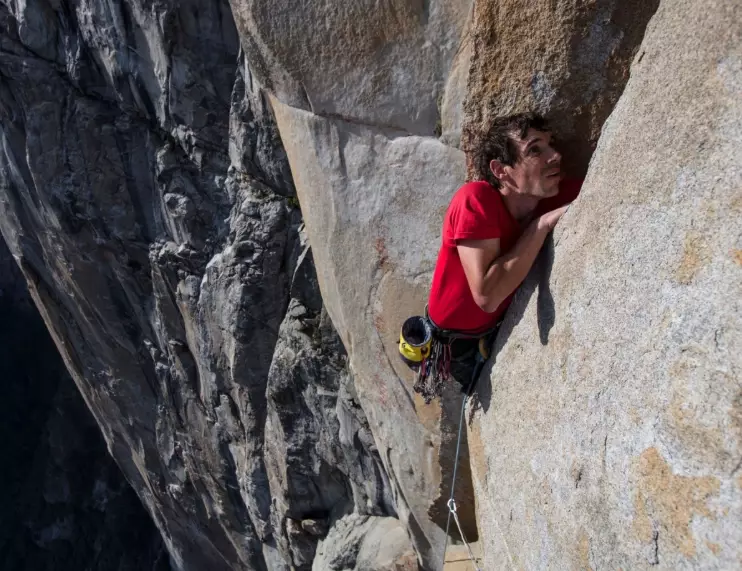
"The best climber is the one having the most fun," as the old saying goes. But let's be real: the most fun is often had by the climber who has put in the time to feel competent and safe.
The Safety Conversation: It's Not an Afterthought
We have to talk about this. Free climbing is a risk sport. Mitigating that risk is your number one responsibility—to yourself and your partner.
Partner Check: Before you leave the ground, every time: "Harness? Buckle? Knot? Belay device?" You and your partner check each other. It's a ritual. It catches mistakes.
Belaying is Sacred. The belayer's job is more important than the climber's. Pay attention. Use the right device correctly. Keep a soft catch (some slack) for sport climbs, a firmer one for trad where a fall might drag gear. Take a course from a certified guide or climbing gym. The American Mountain Guides Association (AMGA) sets the standard for professional instruction.
Gear Inspection: Regularly check your gear for wear. Look for cuts in your rope, worn sheath, carabiners with sharp grooves, helmet cracks. Retire gear that's suspect. It had a good life.
Know Your Environment: Rockfall, weather changes, loose rock, other parties above or below you. Climbing isn't a controlled gym environment. Look up. Communicate.
A safe climber is a climber who gets to climb again next weekend.
Your Path to Getting Started (Without Being an Idiot)
So you're intrigued. Good. Here's the least scary, most effective way to begin your free climbing journey.
- Start Indoors. Find a local climbing gym. Take their introductory belay course. Learn the absolute basics in a padded, controlled setting. This is non-negotiable for learning rope systems and safe belaying.
- Climb, a Lot. Just climb. Top-rope, boulder. Get used to the movement, the height, the feeling. Build a base of fitness and technique. Make friends who climb.
- Find a Mentor or Hire a Guide. This is the single best step for transitioning outdoors. An experienced friend or a certified guide from a service like those listed on the AMGA site can teach you about outdoor etiquette, anchor building, cleaning routes, and reading real rock. It's worth every penny.
- Start Small Outdoors. Your first outdoor free climbing day should be on easy, well-bolted sport routes or top-rope setups. Focus on the experience, not the grade. Soak it in.
- Learn Trad Slowly. If trad calls to you, treat it with respect. Take a course. Practice placing gear at ground level for hours. Follow an experienced leader on easy routes for a long time before you even think about leading yourself.
I remember my first outdoor lead. It was a simple 5.6 crack, and my hands were shaking so badly I could barely slot a nut. My mentor was patient. That foundational patience and caution are what the sport is built on.
Common Questions from New (and Not-So-New) Climbers
Q: How hard do I need to be to start free climbing outdoors?
A: Not hard at all. Most areas have plenty of routes in the 5.4 to 5.7 range that are perfect for beginners. The gym grade V3 hero who can't place gear or handle outdoor exposure will struggle more than a calm, technically sound 5.8 climber who knows the systems. Outdoor climbing is a different beast.
Q: Is free climbing dangerous?
A: Yes, it has inherent dangers. But so does driving a car. The key is risk management through knowledge, good habits, and quality gear. Statistically, with proper practice, it can be safer than many contact sports. The danger is often magnified by poor decision-making, not the act itself.
Q: How do I overcome the fear of falling?
A: Practice, trust, and exposure. Take deliberate, safe practice falls. Start just above a bolt and let go. Then from a bit higher. Build trust in your gear and your belayer. It's a mental muscle you have to train. It never completely goes away, but it becomes manageable.
Q: What's the deal with these YDS grades (5.10, 5.11, etc.)?
A: The Yosemite Decimal System. 5.0-5.7 is beginner. 5.8-5.9 is intermediate. 5.10 is where things get serious and split into a, b, c, d. 5.11 and up is advanced to elite. A 5.10a free climb is a solid milestone for a dedicated recreational climber. Don't get hung up on numbers early on; they mean different things at different crags.
Q: Can I free climb alone?
A: You cannot free climb *on a rope* alone. You need a belayer. You can boulder alone (with pads and spotters), or you can free solo (not recommended). For roped free climbing, a partner is a safety requirement, not a social preference.
The Soul of It: Why Do This Anyway?
After all this talk of gear and grades and danger, why do people become obsessed with free climbing?
It's not just a workout. It's a full-engagement activity. When you're on the rock, trying to solve a sequence, you can't think about your inbox, your bills, or anything else. It's a form of moving meditation. The focus is absolute.
There's the problem-solving joy—figuring out the beta (sequence of moves) for a stubborn section. There's the deep connection to beautiful, wild places you'd never otherwise see. There's the partnership and trust built with your belayer. And there's the raw, personal satisfaction of trying hard, failing, learning, and eventually succeeding on your own terms.
Free climbing teaches patience, humility, respect for natural forces, and self-reliance. It shows you what you're capable of, both mentally and physically. Some days, you feel like a superhero. Other days, the rock hands you a slice of humble pie. You need both.
It's a lifelong conversation with the vertical world. And it all starts with understanding that simple, powerful idea: the gear doesn't climb for you. You do.