You see them at every gym and bouldering crag. Climbers with those fingerless gloves, looking focused and maybe a bit cooler than the rest of us. For years, I dismissed them as a gimmick. Then, a brutal sandstone problem in Utah shredded my palms over a weekend project. Out of desperation, I tried a pair. The change wasn't just about skin protection; it was about a subtle but real shift in how I connected with the rock. This isn't a sales pitch. Fingerless climbing gloves are a niche tool, and they're absolutely wrong for many situations. But when they're right, they can be a game-changer. Let's cut through the marketing and talk about what these gloves actually do, who they're for, and the mistakes almost everyone makes when first using them.
What's Inside This Guide
How Fingerless Gloves Actually Work (It's Not Just Protection)
Most people think the sole purpose is to stop skin tears. That's part of it, but it's the least interesting part. The real magic, and the reason I keep a pair in my pack, lies in two areas: consistent friction and psychology.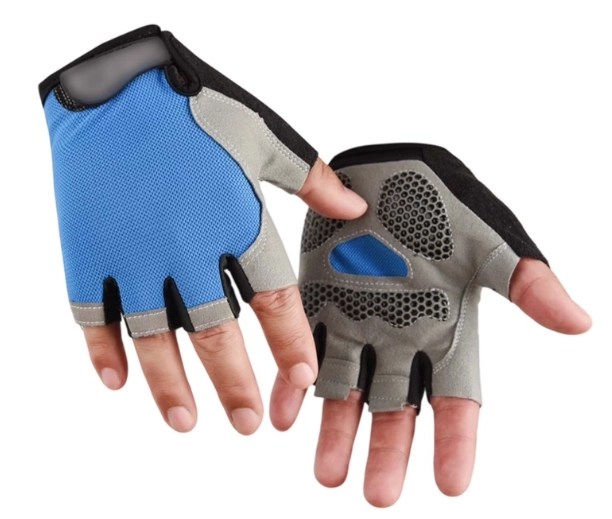
Your bare palm's friction changes. It gets sweaty, dirty, or dried out from chalk. A good glove material provides a predictable, consistent surface. On slopers or wide pinches where you need full-palm contact, that predictability lets you commit harder. You're not wondering if your sweat will cause a slip.
The psychological effect is huge. It sounds silly, but putting them on signals a shift to your brain. It's like a boxer wrapping their hands. It's a ritual that says, "Okay, now we're working." It creates a physical barrier that can make you more willing to throw for a rough, textured hold you might otherwise shy away from.
Right & Wrong: When to Wear Them and When to Avoid Them
This is where most guides get it wrong. They list features without context. Let's talk scenarios.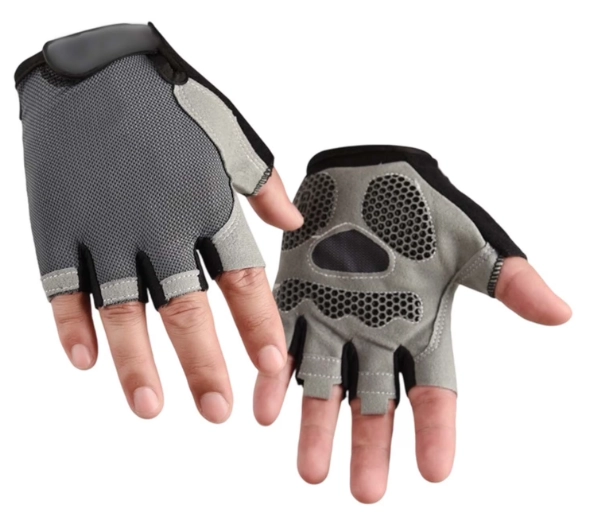
Wear Them Here:
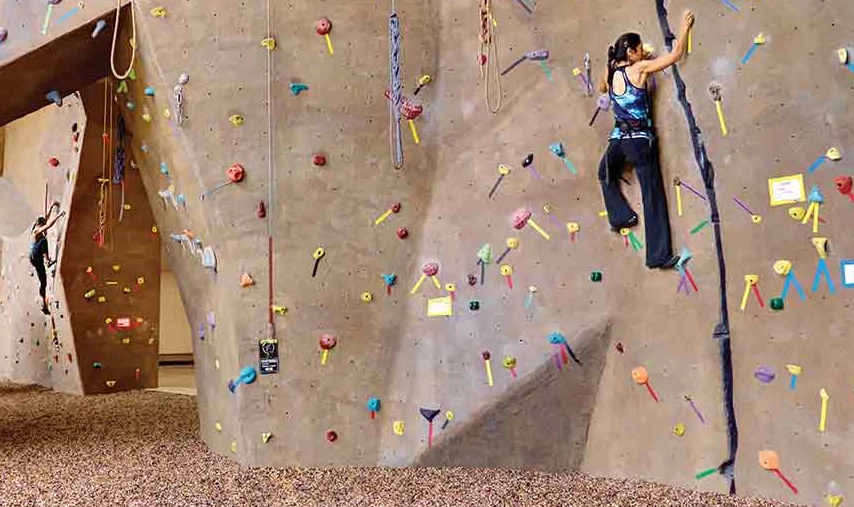
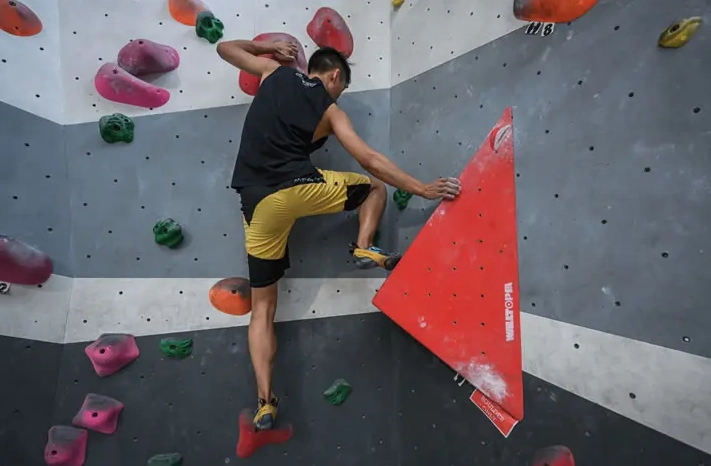
- Gym Bouldering Sessions: Specifically, on volumes, textured plastic slopers, or on problems with lots of rough, repetitive palm drags. The International Federation of Sport Climbing (IFSC) notes the increased use of complex volumes in competition setting, which often demands full-palm contact.
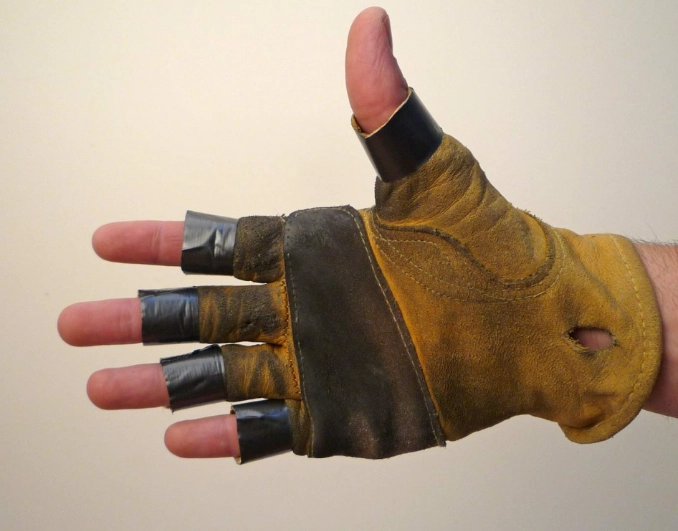
- Gritstone or Sandstone Bouldering: These rock types are famously abrasive. A session on Peak District gritstone without protection can leave your hands feeling like raw hamburger. Gloves let you extend your session.
- Training Camp Days: When you're doing high-volume, repetitive training on specific hold types, they reduce cumulative skin wear, letting you get more reps in.
Avoid Them Completely Here:
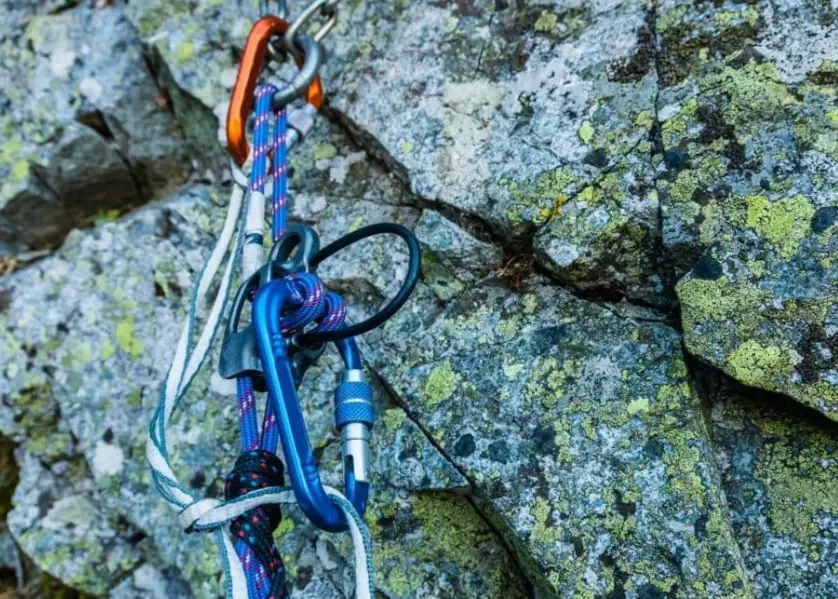
- Any Route Climbing (Sport or Trad): You need unimpeded finger dexterity for gear placement, clipping carabiners, and feeling subtle rock features. A glove is a liability.
- Climbing on Granite or Smooth Limestone: These rocks are less abrasive. The need for palm protection plummets, and the glove just becomes a sweaty barrier.
- Working Micro-Crimps or Precision Edges: If the hold is smaller than your fingertip, you need direct skin-to-rock contact. No glove material can replicate that sensitivity.
My rule of thumb? If the crux of your project involves your fingers, go bare. If it involves savaging your palms, consider the gloves.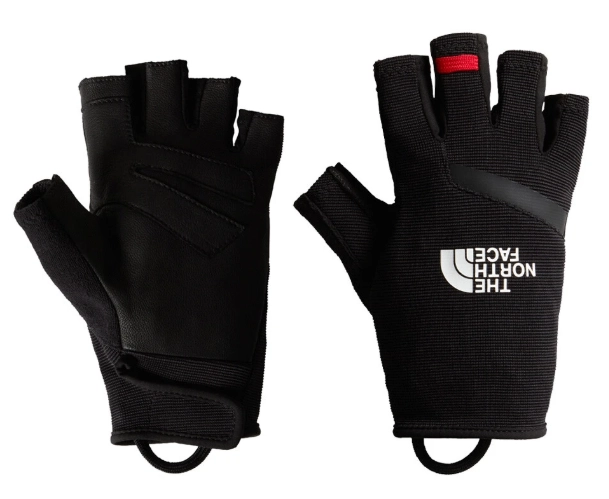
Choosing Your Pair: A Breakdown of Materials and Fit
Not all fingerless gloves are created equal. The material dictates everything: durability, grip, and feel. Here’s a no-nonsense comparison based on tearing through more pairs than I'd like to admit.
| Material | Best For | Durability | Grip Feel | Biggest Drawback |
|---|---|---|---|---|
| Leather (Goatskin/Cabretta) | Outdoor rough rock (sandstone, gritstone), high-friction needs. | Excellent. Forms to your hand over time. | High, predictable friction when broken in. Poor when new or wet. | Long break-in period. Can get slick if your palms sweat heavily. |
| Synthetic (Polyester/Spandex blends) | Gym climbing, sweaty hands, budget-friendly option. | Moderate. Seams and high-wear areas fray faster. | Consistently good in dry conditions. Often have silicone prints for extra grip. | Can feel "plastic-y" and lacks the moldable quality of leather. |
| Hybrid (Leather palm, synthetic back) | The all-rounder. Good balance of durability, breathability, and grip. | Very Good. Leather takes the abuse, synthetic provides stretch. | Solid all-conditions performance. | Often the most expensive option. Can be overkill for pure gym use. |
Fit is non-negotiable. Too loose, and the material bunches, creating dead space and hotspots. Too tight, and you restrict blood flow and movement. You want a second-skin feel across the palm with zero excess material. The wrist closure should be snug but not constricting. A tip: try them on and make a tight fist. You shouldn't feel the seam of the palm material digging into your fingers.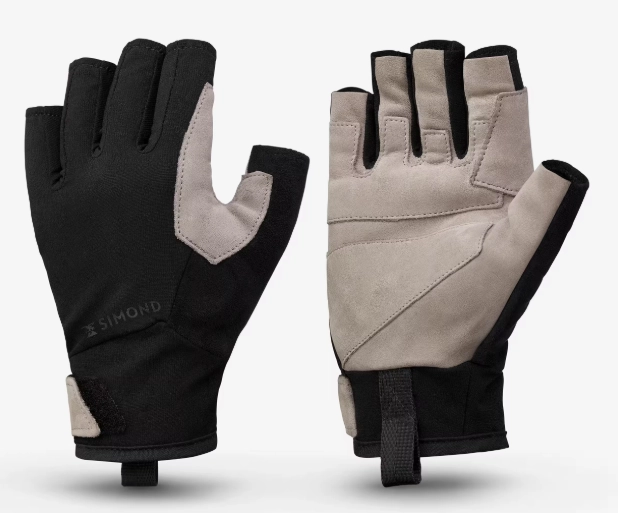
3 Common Mistakes That Ruin the Experience
I've seen these errors stall progress more than the gloves help.
1. Using Them as a Crutch for Weak Skin. This is the big one. Gloves are not a substitute for developing good, tough climbing skin. If your hands are baby-soft, gloves will just delay the inevitable. You still need to build up that natural callous. Use the gloves to extend sessions, not to avoid building tolerance.
2. Ignoring the Break-In Period (for Leather). Stiff, new leather gloves are awful. They're slippery and restrictive. You need to wear them around the house, do some easy traverses, get them sweaty and worked in. Expect 3-5 short sessions before they start to perform.
Your Fingerless Glove Questions, Answered
So, are fingerless climbing gloves essential? No. No piece of gear is. But they are a smart, situational tool. They won't turn a V3 climber into a V6 climber, but they might let that V3 climber project a rough, slopey V4 without flaying their hands open. Think of them as a strategic asset for your skin management and mental game, not a magic bullet for your grip. Try a pair with clear intentions, avoid the common pitfalls, and see if they give you that extra edge on the problems that used to eat your palms for lunch.