Hydropacks seem like the ultimate hydration solution for hikers and bikers, but they come with a bagful of problems that nobody talks about. I've used them for over a decade, and let me tell you, the disadvantages often outweigh the convenience. From moldy tubes to leaky disasters, here's the real scoop on why you might want to think twice before strapping one on.
Quick Navigation: What's Inside
Maintenance and Hygiene Headaches
Keeping a hydropack clean is a chore that most users underestimate. I learned this the hard way on a week-long backpacking trip in the Rockies. After a few days, my water started tasting funky, and I ended up with a stomach bug. Turns out, the bladder had developed mold spots I missed during cleaning.
Cleaning Challenges
The design of most hydropacks makes thorough cleaning nearly impossible. The bladder has narrow openings and crevices where bacteria thrive. Brands like CamelBak and Osprey recommend using specialized cleaning kits, but even then, it's a hassle. You need to disassemble the tube, scrub the interior, and air-dry everything completely—which can take hours. If you're lazy like me, you'll skip steps, and that's when problems start.
Here's a common mistake: people rinse the bladder with water and think it's clean. But residual sugars from sports drinks or saliva create a breeding ground for microbes. The U.S. Centers for Disease Control and Prevention (CDC) guidelines on water safety emphasize proper cleaning of hydration systems to prevent illness, but most users ignore this.
Mold and Bacteria Buildup
Mold isn't just gross; it can cause health issues. In humid climates, hydropacks can develop black mold within days if not dried properly. I've seen friends toss their packs after a season because the smell wouldn't go away. Some manufacturers use antimicrobial materials, but they wear off over time. A study by the Outdoor Industry Association highlights that hygiene is a top complaint among hydration pack users, yet it's rarely addressed in marketing.
Pro tip from a seasoned hiker: Always store your hydropack in the freezer if you can't dry it immediately. It slows bacterial growth, but it's a temporary fix. Honestly, I've switched to bottles for short trips just to avoid this mess.
Performance Limitations in the Field
Hydropacks promise hands-free hydration, but they often fail when you need them most. Imagine being on a steep climb, and your pack starts leaking all over your gear. Happened to me once in the Grand Canyon—my sleeping bag got soaked, and I spent a cold night. Performance issues are more common than you'd think.
Leakage and Durability Issues
Leaks are the Achilles' heel of hydropacks. The bladder seams can weaken over time, especially with rough use. The drinking tube connections are prone to cracking if bent repeatedly. I've had a Platypus bladder burst after a fall, and replacing parts isn't cheap. Even high-end models from REI co-op brands have recall notices for leakage problems.
Durability varies by brand, but no hydropack is indestructible. Punctures from sharp objects in your backpack are a real risk. One buddy of mine packed a multitool carelessly, and it pierced the bladder—water everywhere, and his phone got ruined.
Temperature Control Problems
Hydropacks offer poor insulation. In hot weather, the water heats up quickly, making it unappealing. In cold conditions, the tube can freeze, blocking flow. I've had to blow back into the tube to clear ice chunks during winter hikes, which is unsanitary and annoying. Some packs come with insulated sleeves, but they add bulk and aren't always effective.
Compared to insulated water bottles, hydropacks lag in maintaining temperature. For example, a Hydro Flask bottle keeps water cold for hours, while a hydropack bladder might warm up in 30 minutes under the sun.
User Experience and Comfort Drawbacks
Comfort is subjective, but many users find hydropacks cumbersome. The weight distribution can feel off, and the drinking tube gets in the way. On a long trail run, I constantly adjust the tube because it flaps around or gets tangled.
Weight and Bulk
Hydropacks add significant weight to your load. A full 3-liter bladder weighs about 6.6 pounds (3 kg), plus the pack itself. For ultralight enthusiasts, every ounce counts, and switching to lightweight bottles can save pounds. The bulk of the bladder also reduces space for other gear. In smaller backpacks, it's a tight squeeze, and you might sacrifice essentials.
Here's a quick comparison based on my gear tests:
| Feature | Hydropack (3L bladder) | Water Bottles (3x1L) |
|---|---|---|
| Weight (full) | ~7 lbs | ~6.6 lbs |
| Space Used | Bulky, fixed shape | Flexible, can be packed around |
| Ease of Access | Hands-free but tube issues | Need to stop, but no leaks |
| Cleaning Time | 15-20 minutes | 5 minutes |
Drinking Tube Annoyances
The drinking tube is a love-it-or-hate-it feature. It can pick up dirt if it drags on the ground, and the bite valve often malfunctions—either too stiff or too loose. I've had valves fail mid-hike, leaving me sucking air. Also, the tube length is rarely perfect; too short, and you strain to reach it; too long, and it gets caught on branches.
Some users report the tube affecting balance during dynamic activities like mountain biking. It's a minor point, but over hours, it adds up to frustration.
Cost and Value Considerations
Hydropacks aren't cheap. A decent setup from brands like Gregory or Deuter can cost $100-$200, and that's before accessories. Replacement bladders, tubes, and cleaning kits add up. Over five years, I've spent more on maintaining my hydropack than on a couple of durable water bottles.
Value-wise, if you're a casual hiker, the investment might not pay off. Bottles are cheaper and last longer. For example, a Nalgene bottle costs around $10 and can survive drops and rough handling for years. Hydropacks, with their complex parts, have a shorter lifespan unless babied.
Consider this: many outdoor guides, like those from the American Hiking Society, recommend bottles for beginners due to lower cost and simplicity. Hydropacks are for specific niches like long-distance runners or military use, where hands-free drinking is critical.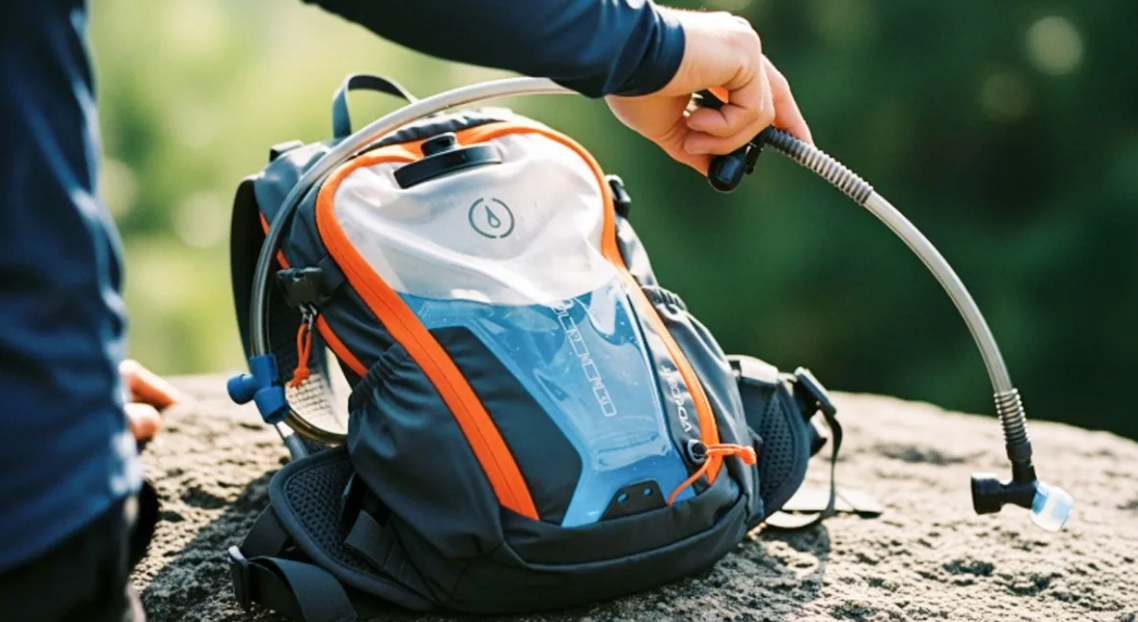
Alternatives to Hydropacks
If hydropacks have so many downsides, what should you use? Here are some options I've tested:
- Insulated Water Bottles: Brands like Yeti or Klean Kanteen offer excellent temperature control and durability. They're easy to clean and don't leak. Perfect for day hikes or car camping.
- Soft Flasks: These are flexible bottles that fit in backpack pockets. They're lighter than hydropack bladders and easier to clean. Popular among trail runners; Salomon makes great ones.
- Hydration Belts: Smaller packs with bottles, ideal for running. They distribute weight better and avoid tube issues.
- Traditional Canteens: Old-school but reliable. Military-style canteens are tough and simple, though heavier.
My go-to now is a combination: a 1-liter insulated bottle for cold water and a soft flask for backup. It eliminates most hydropack headaches.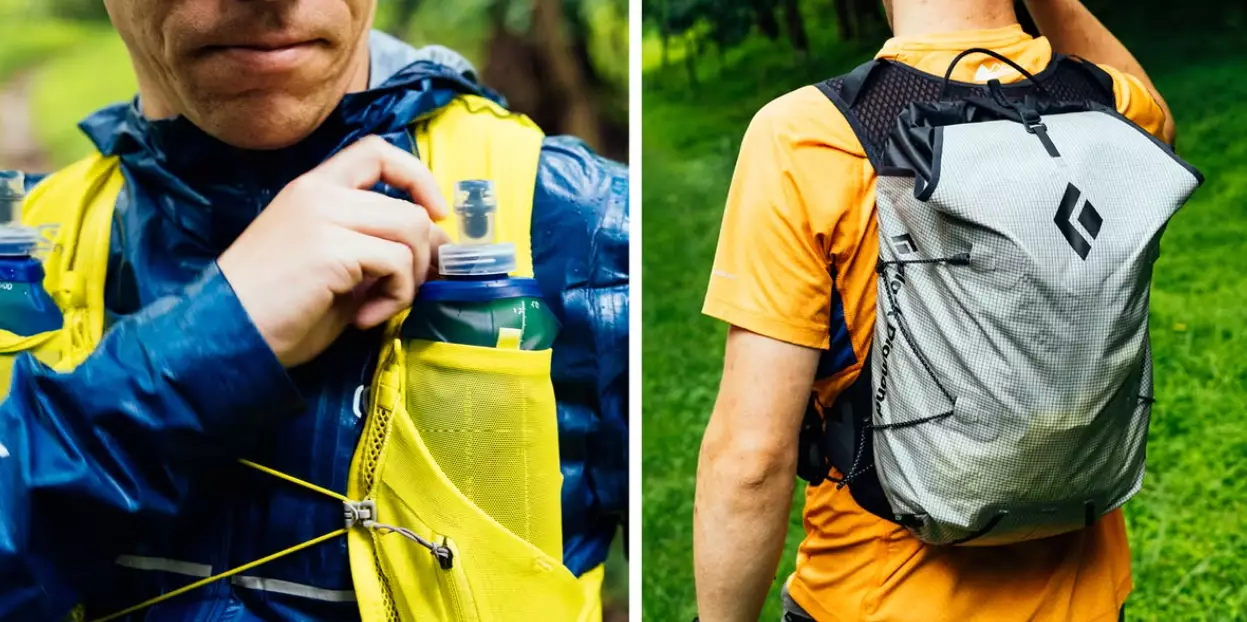
Frequently Asked Questions
 Are there hydropacks that don't leak easily?