Let's cut straight to it. The right climbing equipment isn't just about ticking items off a list. It's the difference between a fun, progressive session and a frustrating, potentially dangerous one. I've seen too many newcomers walk into a gear shop overwhelmed, or worse, buy cheap online kits that fail when it matters. After a decade of climbing everything from indoor gym walls to alpine faces, I've learned that understanding why you need each piece is more important than just knowing its name.
This guide won't just tell you what to buy. It'll explain the role of each item, highlight the subtle mistakes beginners make (like choosing shoes that are painfully tight, thinking it's normal), and give you a realistic budget framework. We'll follow a hypothetical beginner, Alex, as they build their first kit. Ready to move from confused to confident?
Your Quick Gear Guide
The Non-Negotiables: Personal Gear You Wear
This is the stuff that's literally on you every time you climb. It's personal, it needs to fit perfectly, and you shouldn't skimp here.
Climbing Shoes: Your Foundation
Think of these as high-performance tires for your feet. A common myth? They should be excruciatingly tight. Wrong. They should be snug without causing sharp pain. You need your toes flat against the end, not painfully curled, to effectively use small footholds. For a first pair, look for a neutral (flat) profile and moderate stiffness. Brands like La Sportiva (Tarantula) or Scarpa (Origin) make great beginner models. Expect to pay $80-$120. Alex tried on five different pairs before finding one where the heel cup didn't gap—a detail many ignore that causes slipping later.
Harness: Your Connection to Safety
This is your seatbelt. The most critical fit areas are the waist (should be snug above your hips, you shouldn't be able to pull it down) and the leg loops (comfortably tight). For gym climbing, a simple, padded harness works. Look for four gear loops if you plan to move outdoors. Key check: after putting it on, can you easily identify the belay loop? It's the beefy, reinforced loop at the front—the only point you should ever clip a carabiner to for belaying or lowering. A decent starter harness runs $50-$80.
Helmet: The Overlooked Essential
"I'm only climbing indoors." I've said it, you've thought it. But a falling carabiner or a slip onto an uneven wall can cause serious head injury. For outdoor climbing, it's non-negotiable due to rockfall. Modern helmets are light, ventilated, and comfortable. Brands like Petzl (Borea) or Black Diamond (Half Dome) offer great value. This is one item where buying new is crucial—you can't see internal foam damage. Budget $60-$100.
The Safety System: Ropes, Hardware & Protection
This is the gear that manages the forces of a fall. It requires knowledge to use correctly. Don't just buy it; learn how it works.
| Gear Item | Core Function | Price Range (USD) |
|---|---|---|
| Dynamic Climbing Rope (9.8mm-10.2mm, 60m-70m) | Stretches to absorb fall energy; the lifeline. | $180 - $250 |
| Belay Device (Tube-style like ATC, or Assisted-braking like GriGri) | Creates friction to control the rope and catch falls. | $25 - $100 |
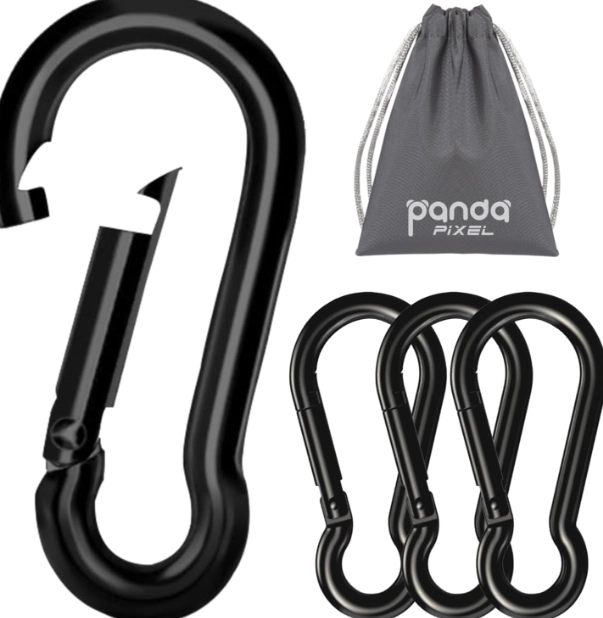
| Locking Carabiners (2-4 units) | Secure, screw-gate links for critical connections (belay, anchors). | $12 - $20 each |
| Chalk & Chalk Bag | Keeps hands dry for better grip; a simple performance booster. | $15 - $30 |
The rope choice intimidates people. For your first, get a single rope around 10mm, 60-70 meters long (check your gym's wall height). "Dry" treatment is worth it if you'll ever climb in damp conditions. The belay device debate is real. An assisted-braking device (like a Petzl GriGri) is safer for beginners as it helps lock the rope during a fall, but you must still learn proper technique. A standard tube device (like a Black Diamond ATC) is cheaper and lighter but offers no assistance.
Alex started with a GriGri. The added margin for error while learning to belay gave them confidence. It's a common-sense investment in your partner's safety.
Beyond the Basics: Specialized Kit for Different Styles
Not all climbing is the same. Here’s where your kit diverges.
Bouldering: It's minimalist. You need shoes, chalk, and a crash pad. The pad is your mobile safety net. Don't go for the smallest, cheapest one. A larger pad (like those from Organic or Metolius) provides better coverage. Often, you'll need multiple pads or friends with pads for highball problems.
Sport Climbing Outdoors: This adds "quickdraws" to your list. These are two carabiners connected by a sturdy fabric sling. You clip the rope into them as you climb. You'll need 10-12 to start. Also, a rope bag to keep your line clean and manageable on the ground is a game-changer for organization.
Trad (Traditional) Climbing: This is the deep end. Instead of pre-placed bolts, you place your own removable protection (nuts, cams) into cracks. This requires significant investment ($1000+), advanced training, and mentorship. It's not a "buy the gear and go" activity. Organizations like the American Mountain Guides Association (AMGA) emphasize the need for formal instruction in these skills.
Gear Cost Reality Check & Building Your Kit
Let's talk numbers transparently. A full beginner setup for indoor/top-rope climbing isn't cheap, but you can build it piece by piece.
Alex's phased approach looked like this:
Phase 1 (Gym Starter): Shoes ($100), Harness ($70), Chalk Bag ($20), Belay Device & Locking Carabiner ($50). Total: ~$240. This gets you on the wall with rented gear for the rest.
Phase 2 (Independence): Helmet ($80), Personal Rope ($200), 2 more Locking Carabiners ($30). Total: ~$310. Now you own your core safety system.
Phase 3 (Outdoor Sport): 12 Quickdraws ($240), Rope Bag ($40), Crash Pad (if bouldering) ($200). Total: ~$480.
You're looking at $550-$1000 to be fully equipped for gym and basic outdoor sport climbing. It stings, but this gear lasts for years with proper care. Buying used is an option for some items (harnesses, helmets if you know the history, metal gear), but never buy a used rope or webbing. Their history of falls and UV exposure is invisible.
Expert Insights: Common Gear Mistakes to Avoid
Here's what I wish someone had told me early on, the stuff that's not in the manual.
Mistake 1: The "Death Loop" Carabiner. People clip multiple carabiners or slings into their harness's belay loop, creating a complex mess. This can cross-load carabiners (making them weak) and is hard to inspect. Keep it simple: one carabiner for belaying, directly on the belay loop.
Mistake 2: Storing a Rope in a Hot Car. UV radiation and extreme heat degrade nylon faster than actual climbing. Store your rope somewhere cool, dark, and dry.
Mistake 3: Ignoring the Manufacturer's Retirement Guidelines. Harnesses and soft gear (slings, runners) have a lifespan, typically around 10 years from manufacture date, regardless of use. The materials degrade. Write the purchase date on them with a marker.
Mistake 4: Chasing Ultra-Light Gear Immediately. Lightweight gear is expensive and often less durable or has smaller margins for error. Build your skills on standard, robust gear first. The weight savings won't matter until you're climbing multi-pitch routes efficiently.