Let's be honest. Finding the right pair of women's climbing pants can feel like its own kind of crux. You want freedom of movement, but not a baggy mess. You need durability, but hate that stiff, cardboard feel. And the fit? Forget it. Most "athletic" pants are designed for a man's silhouette, leaving us with awkward gaps, tight hips, and restricted range just when you need a high step.
I've been there. I've owned pants that ripped on the first off-width attempt, and others that were so tight in the thighs I couldn't lift my leg onto a high foothold. After a decade of climbing and testing gear, I've learned that the right pants aren't just clothing; they're a piece of essential equipment.
Your Quick Guide to This Article
What Makes Women's Climbing Pants Different?
It's not just about slapping a "women's" label on a smaller version of a men's pant. A well-designed climbing pant for women addresses specific anatomical and functional needs.
The Fit Puzzle: Hips, Waist, and Length
This is the biggest hurdle. Men's pants typically have a straight hip-to-waist ratio. Women's bodies have a more pronounced difference between waist and hip measurements. A good women's-specific design uses strategic patterning—like a contoured waistband and a slightly curved rise—to prevent gaping at the back while accommodating fuller hips and thighs. It sounds simple, but so many brands get it wrong, creating a waistband that either digs in or swims on you.
Length is another sneaky one. Inseams matter less than where the pant ends relative to your ankle when you're in a deep squat or high step. Too long, and they bunch up at your climbing shoes, feeling sloppy. Too short, and they ride up, exposing your skin to abrasion. Look for a tapered or articulated ankle that sits cleanly above your shoe.
Fabric & Movement: Stretch is Non-Negotiable
Four-way stretch fabric is the baseline. You need it to stretch laterally for rock-overs and stem moves, and longitudinally for high steps and lunges. But here's a non-consensus point I've learned: more stretch isn't always better. An ultra-stretchy, thin fabric might feel amazing in the store, but it often lacks the abrasion resistance for rough granite or sandstone. It can also become see-through in a deep stretch, which is the last thing you want on the wall. The sweet spot is a robust blend, often 88-92% nylon with 8-12% spandex/elastane, that offers serious stretch without sacrificing durability.
Pro Tip: Do the "deep squat test" in the fitting room. Not just a little bend, but a full, climber's squat. Can you get your hips below your knees without feeling the fabric pull taut across your thighs or rear? Does the waistband stay put? If not, keep looking.
How to Choose the Best Climbing Pants for Women
Think about your climbing. Are you a gym rat, a weekend warrior at the local crag, or planning a multi-pitch alpine adventure? Your answer changes everything.
Key Features to Prioritize
Gusseted Crotch: This is a diamond- or triangle-shaped piece of fabric sewn into the crotch seam. It's absolutely critical. It eliminates the "tight seat" feeling and allows for unrestricted movement during high steps, heel hooks, and wide stems. If a pant doesn't have a gusseted crotch, cross it off your list for technical climbing.
Reinforcement: Where does your body touch the rock? Knees and rear ends take a beating. Look for reinforced panels in these areas, either through double-layering of fabric or a more durable weave. Some pants use Cordura or similar high-denier nylon patches exactly where you need them.
Closure & Pockets: A secure, flat-laying waistband closure (like a zip-fly with a button or a sturdy hook-and-bar) is better than a simple elastic drawstring for all-day wear. For pockets, think security. Zippered hand pockets are essential for keeping your car keys and phone safe. A small, secure thigh pocket is a bonus for a chapstick or nail clipper.
Weight & Breathability: Lightweight, breathable fabric is king for warm-weather cragging or intense gym sessions. For cooler climates or alpine starts, a slightly heavier, brushed interior (like a tech fleece) provides warmth without bulk.
Scenario-Based Selection
Let's get specific. Imagine two common days:
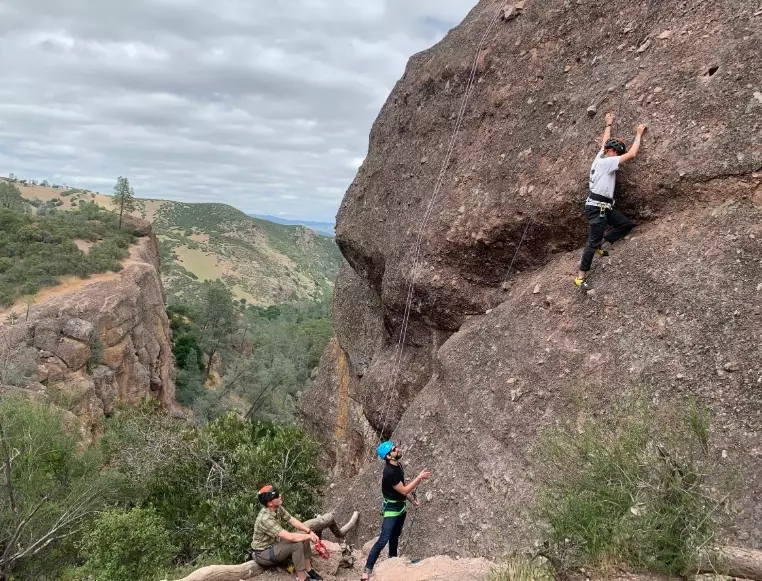
Scenario 1: The All-Day Sport Crag. It's 75°F and sunny. You're projecting a technical face climb with tiny edges and need to feel every nuance. Here, you want a lightweight, highly breathable pant with minimal bulk. A slim, tapered fit prevents flapping fabric from catching on holds. Abrasion resistance is still important for knee bars or accidental scrapes. The Patagonia Caliza or the Black Diamond Notion Pant would be perfect here.
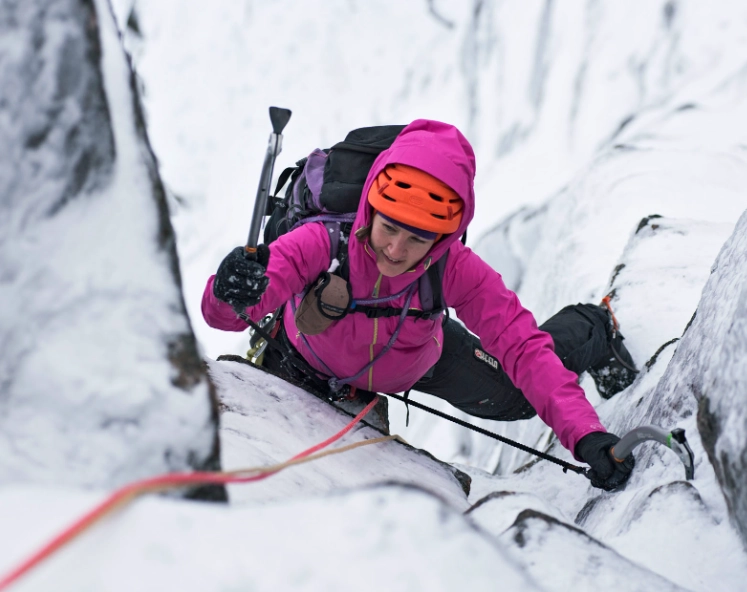
Scenario 2: The Cold, Dirty Off-Width or Crack Climbing Day. You're wrestling with granite. It's chilly, and you'll be jamming your legs into rough rock. Now, maximum durability and a bit more room are key. You might even want a slightly looser fit to accommodate long underwear. Reinforced knees and seat are mandatory. The fabric needs to be tough enough to handle sustained abrasion. Look at the prAna Bridger Jean or the Fjällräven Abisko Midsummer Trousers.
Top Brands & Models: A Detailed Breakdown
Not all brands are created equal. Some have nailed the women's fit, while others are still playing catch-up. Here’s my take on the current landscape.
| Brand & Model | Best For | Key Features | My Honest Take |
|---|---|---|---|
| Patagonia Caliza Pant | Warm weather sport climbing, gym climbing, all-around cragging. | Exceptionally breathable, 4-way stretch, gusseted crotch, recycled nylon. Lightweight and moves with you. | The gold standard for breathability and freedom. The fit is athletic and true-to-size. My only gripe is the light color options show dirt and chalk easily. |
| Black Diamond Notion Pant | Technical face climbing, alpine rock, climbers who hate bulk. | Slim, tapered fit, Schoeller®-style softshell fabric, articulated knees, minimalist design. | If you want to feel connected to the rock, these are it. The fit is fantastic for muscular thighs. They run a bit small, so consider sizing up. |
| prAna Bridger Jean | Crack climbing, off-widths, cooler weather, rough rock. | Durable stretch denim blend, gusseted crotch, reinforced knees, classic 5-pocket jean style. | Surprisingly flexible for denim. They look like normal pants off the rock, which is a plus. The break-in period is real—they start stiff but mold to you. |
| Arc'teryx Gamma Pant | Alpine climbing, multi-pitch adventures, variable weather. | Burly Fortius™ fabric, weather-resistant, excellent mobility, articulated patterning for complex movement. | Incredibly well-built and thought-out. They excel in cold, windy conditions. The price is steep, and the fit is quite trim—not for everyone. |
| La Sportiva Mantra Pant | High-output climbing, gym-to-crag versatility, value-focused. | Affordable, good stretch, simple design, elastic waist with drawstring, zippered pockets. | A solid budget-friendly workhorse. The fabric isn't as premium as others, and the fit is more relaxed (some may call it boxy), but they get the job done without fuss. |
Remember, the best brand is the one whose cut matches your body shape. I have friends who swear by Patagonia's fit, while others find Black Diamond's patterning perfect for them. It's worth trying on a few.
Making Them Last: Care & Maintenance
You've invested in a great pair. Now, don't ruin them in the wash. Technical fabrics are delicate.
Wash Less, Air Out More. Unless they're caked in mud or sweat, often just hanging them in fresh air is enough. When you do wash, use a tech wash detergent like Nikwax Tech Wash or Grangers Performance Wash. Regular detergents coat fibers with residues that kill breathability and water repellency.
Cold water, gentle cycle, always. Never use fabric softener or bleach. Tumble dry on low heat only if necessary—air drying is always gentler and preserves elastic fibers. If your pants have a DWR (durable water repellent) finish that's wearing off, you can revive it with a spray-on treatment after washing.
For small tears or holes, don't wait. A timely patch with Tenacious Tape or a proper sew-on patch from a brand like Nohem can extend the life of your pants for years.
Your Questions, Answered (By a Climber)
The search for the perfect women's climbing pants is personal. It's about how the fabric moves with you, where the seams sit, and that confident feeling when you're eyeing up the next move. Forget the hype and focus on the features that match your body and your climbing. Try them on, do the deep squat, and imagine yourself on your project. When you find the pair that disappears and lets you focus on the climb, you'll know.