Walk into any modern bouldering gym, and you'll see them. A sea of loose, flowing fabric moving up the walls. Baggy climbing pants aren't just a fleeting trend from the 90s making a comeback; they've become a staple for a significant portion of the climbing community. But are they right for you? Having climbed in everything from skin-tight leggings to jeans (a mistake I made only once), I've spent the last decade figuring out where baggy pants excel and where they fall short. This isn't about fashion. It's about how a specific cut of fabric can change your relationship with the wall, the rock, and your own movement.
What's Inside This Guide
Why Baggy Pants Are Dominating the Bouldering Scene
The shift towards baggier fits, particularly in bouldering and gym climbing, isn't random. It's a direct response to how climbing has evolved. Modern bouldering problems are increasingly dynamic. We're seeing more coordination moves, heel hooks from awkward positions, and high steps that demand a massive range of motion.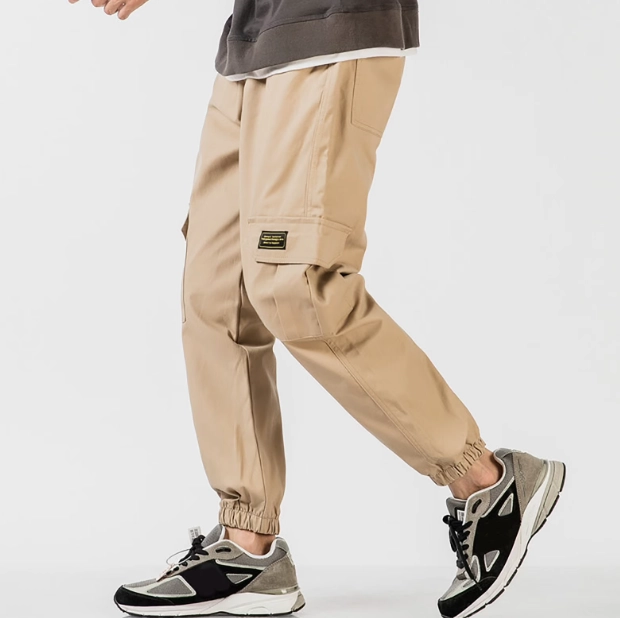
I remember working on a problem that required a deep drop-knee followed by an explosive launch to a sloper. In my old, restrictive pants, I felt the fabric bind across my thigh at the critical moment, throwing off my precision. The next session, I switched to a looser pair. The difference wasn't subtle. The unrestricted movement let my body find the position naturally, without a second thought about my clothing.
Beyond pure mobility, there's a psychological comfort. A looser fit feels less constricting, less like a performance uniform and more like comfortable gear that lets you focus on the puzzle. For many, this translates to a more relaxed, creative mindset on the wall. A report by the Outdoor Industry Association often highlights the importance of perceived comfort in outdoor participation, and this applies directly to climbing apparel.
Skinny vs. Baggy: The Practical Showdown
Let's cut through the opinion. Here’s a breakdown of where each style typically wins and loses, based on my experience and countless conversations with route setters and coaches.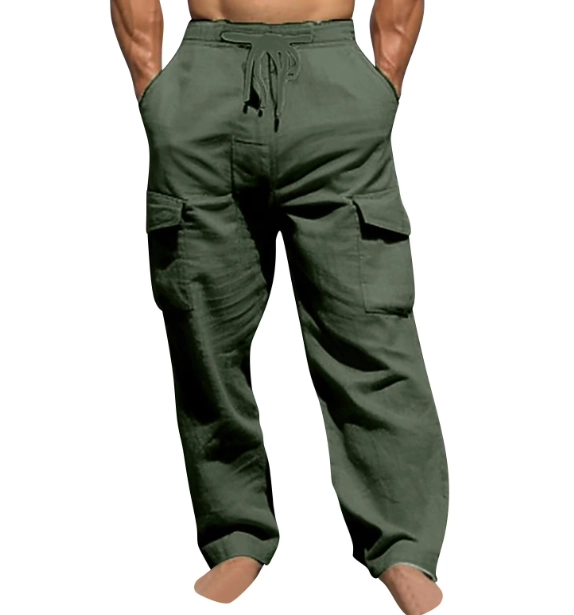
| Feature / Scenario | Skinny / Fitted Pants | Baggy / Loose-Fit Pants | |
|---|---|---|---|
| Range of Motion | Good, but can restrict deep high-steps or wide straddles. | Excellent. Unmatched for dynamic, high-movement climbing. | |
| Durability & Protection | Less material to protect against abrasion. | More material acts as a shield for knees and shins. | |
| Weight & Feel | Lightweight, "second-skin" feel. You feel every hold directly. | Slightly heavier. Can obscure foot placement visually if too long. | |
| Best For | Sport climbing (where precision is key), cold-weather layering, technical face climbing. | Bouldering, gym climbing, volume-heavy problems, hot weather (if breathable). | |
| Biggest Drawback | Can feel restrictive; shows every body contour. | Can snag on holds or gear; may get caught underfoot. |
The "snagging" point for baggy pants is real. I've had a wide leg loop over a crucial undercling during an outdoor climb, forcing a shaky adjustment. The fix? It's not about avoiding baggy pants altogether, but choosing the right cut and length.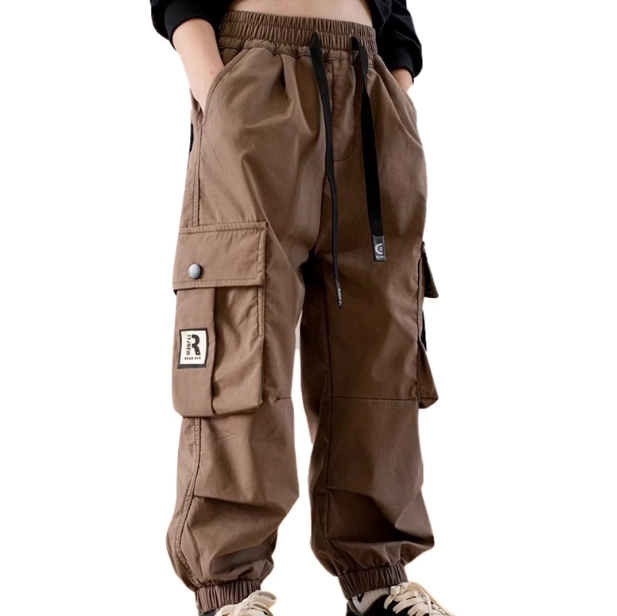
How to Choose the Right Baggy Climbing Pants
Not all baggy pants are created equal. "Baggy" can mean anything from slightly relaxed to full-on skateboarder style. Here’s what to look for, beyond the marketing.
Fabric is Everything
This is the most critical factor. You want a stretch blend, but not just any spandex mix. Look for durable, abrasion-resistant materials like a poly-cotton blend with a touch of elastane. Some brands use proprietary fabrics like Schoeller®-style softshells which offer stretch, weather resistance, and toughness. Avoid 100% cotton—it absorbs sweat, gets heavy, and lacks recovery. A fabric with a mechanical stretch (like a ripstop grid) often feels more durable than one relying solely on elastane threads.
The Cut & Length Sweet Spot
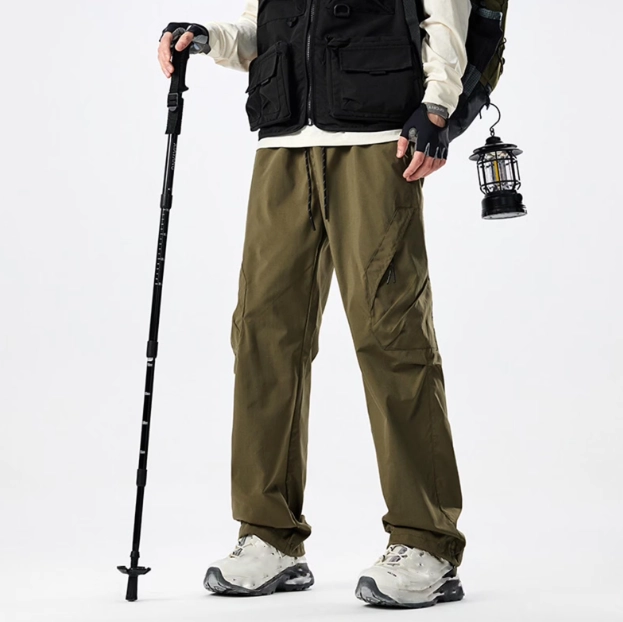
The goal is freedom without interference. A tapered leg that narrows slightly towards the ankle prevents the fabric from flopping over your climbing shoes. A gusseted crotch (a diamond-shaped piece of fabric sewn in) is non-negotiable for deep high steps. As for length, aim for a "no-break" or slight break fit. Puddling fabric around your ankles is a tripping hazard. Many brands now offer shorter "cropped" or "ankle" lengths designed specifically for climbing.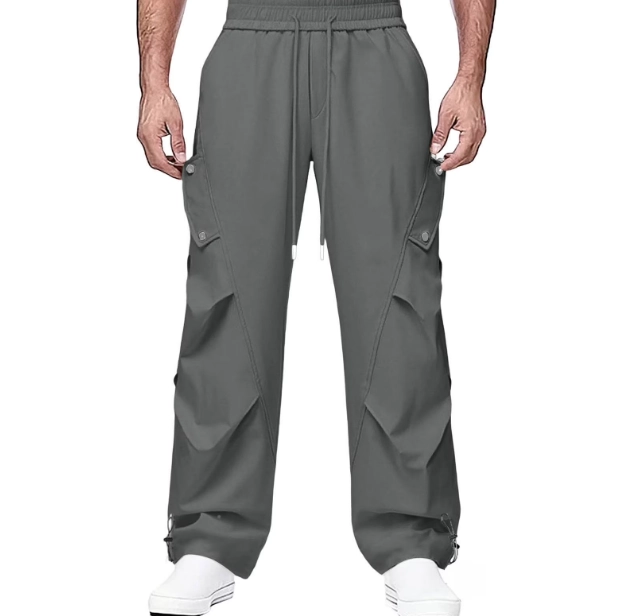
Features That Actually Matter
Pockets are a debate. Zippered pockets are essential outdoors for keeping keys or a phone secure. For gym use, simple welt pockets are fine. Reinforced knees are a huge plus if you knee-scum often. Pay attention to the waistband. A simple elastic drawstring is common, but a hybrid elastic + belt-loop system offers more precise adjustment, especially useful if your weight fluctuates during a long trip.
Top Brands & Models: A Quick Comparison
Here are a few models that consistently get it right, each with a different take on the "baggy" concept. This isn't sponsored—just what I've seen work on the wall and on the rock.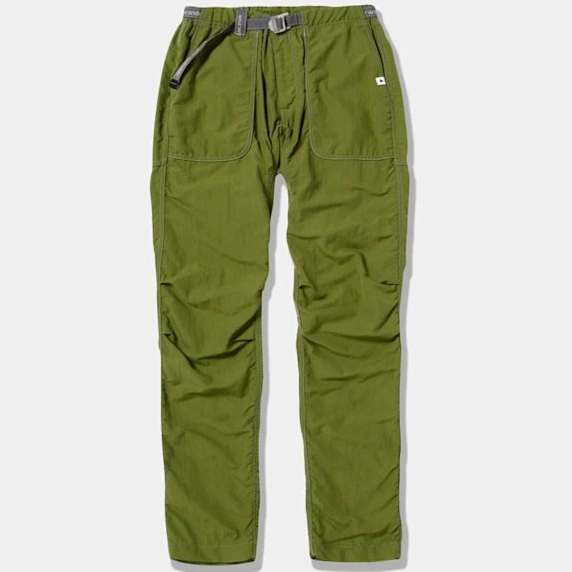
Black Diamond Notion Pants: The "starter" pair for many. They hit a great middle ground—relaxed but not sloppy. The fabric is durable, and the price point is accessible. My first pair lasted three seasons of regular gym use before the inner thigh wore thin.
Patagonia Venga Rock Pants: Leans more into the technical, durable side. Made with a burly yet stretchy canvas, they're fantastic for outdoor bouldering where rock abrasion is a real concern. The cut is straight-leg, offering lots of room. They can feel a bit stiff and warm for a hot gym session, though.
E9 Hylo Pants: Embody the modern, fashion-forward baggy look popularized by top boulderers. Very loose, lightweight, and often made with a super-stretchy, thin fabric. Great for maximum mobility and style, but the thin fabric offers less protection and may be less durable over years of abuse.
La Sportiva Mantra Pants: A more technical, "mountaineering-inspired" loose fit. Often feature water-resistant treatments and more structured fabrics. Ideal for alpine rock or mixed days where you need a pant that can handle more than just climbing. Can be overkill for plastic-pulling.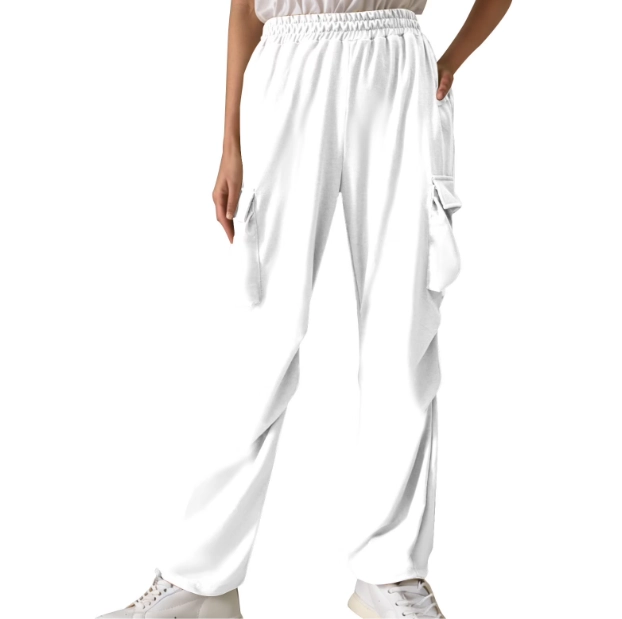
Are Baggy Climbing Pants Right for You?
Let's make it simple. Grab a pair of baggy climbing pants if:
Your primary discipline is bouldering (indoors or out). You prioritize unrestricted movement over ultra-precision. You climb in a way that involves lots of heel hooks, knee drops, and dynamic moves. You value durability and protection for your legs.
Stick with more fitted pants or consider a slim-straight cut if:
You're mostly into sport climbing on ropes, where precise footwork is paramount and snagging is a real concern on quickdraws. You run cold and need a tight base layer. You simply prefer the feel and look of a more tailored fit. There's no rule saying you have to follow the trend.
My personal quiver? I own both. A durable, loose pair for bouldering sessions and rough granite, and a fitted, technical pair for redpoint attempts on sport routes. The right tool for the job.