I still remember my first solo camping trip. I packed what I thought was everything—a fancy tent, a thick sleeping bag, even a portable speaker. But I forgot a water filter. Two days in, I ran out of bottled water and had to risk drinking from a stream. It was a miserable experience that taught me a hard lesson: camping isn't about luxury; it's about survival and comfort through the right gear. After a decade of camping across national parks and backcountry trails, I've narrowed it down to 10 non-negotiable items. Skip one, and you're asking for trouble.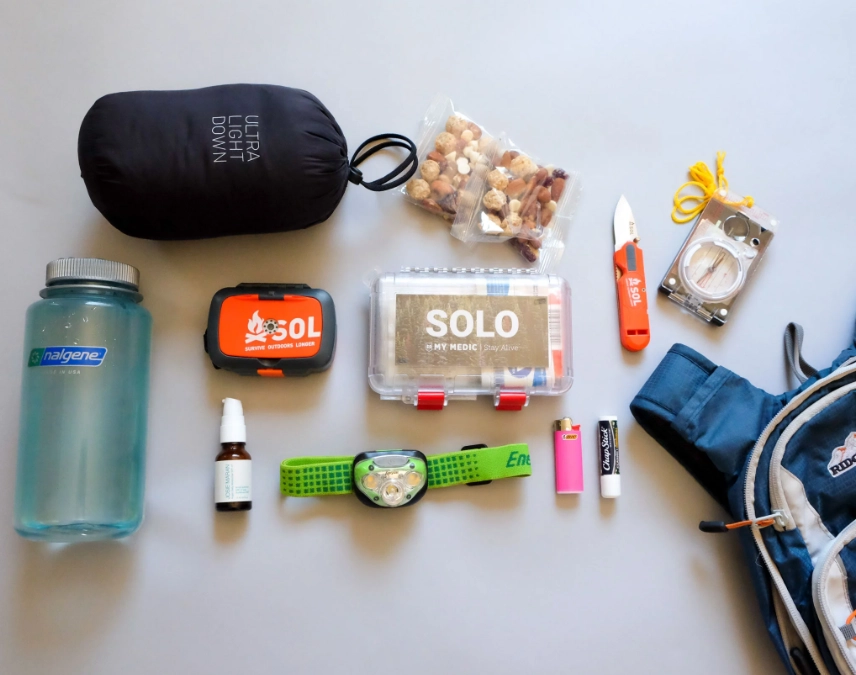
Jump Straight to What You Need
1. Shelter: More Than Just a Tent
Your tent is your home away from home, but most beginners get this wrong. They buy a cheap, bulky tent that leaks or a fancy one that's overkill. I've seen people struggle with setup in the dark because they didn't practice at home.
Tent Selection: Size, Season, and Setup
Go for a tent rated for one more person than your group. If you're solo, a two-person tent gives space for gear. Season ratings matter—a 3-season tent works for most trips. For setup, practice in your backyard. I learned this after fumbling with poles during a rainstorm in Yosemite.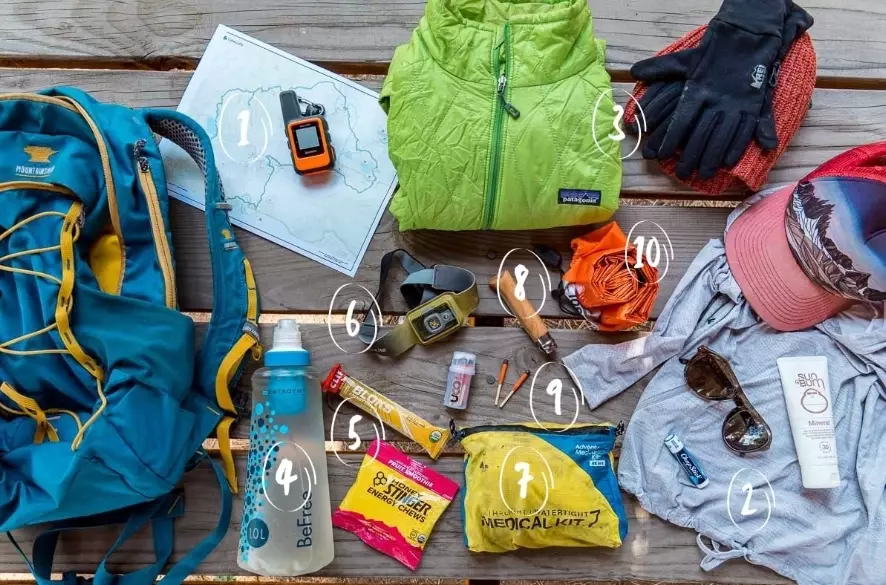
The Rain Fly Mistake
Many campers skip the rain fly on clear nights. Big mistake. Weather changes fast, and condensation can soak your gear. I once woke up in a puddle because I thought the forecast was reliable. Use the fly every time.
2. Sleeping System: Bag and Pad Combo
Sleeping well is crucial, but a bag alone isn't enough. You need insulation from the ground. I've met campers who bring heavy blankets instead of a proper bag—they end up shivering at 40°F.
Sleeping Bag Temperature Ratings Demystified
Look for EN/ISO ratings, not just marketing labels. A 20°F bag means you'll be comfortable at that temperature, not survive it. Down bags are lighter but pricier; synthetic works better in damp conditions. My go-to is a down bag for most trips, but I pack a synthetic liner if rain is expected.
Why a Sleeping Pad is Non-Negotiable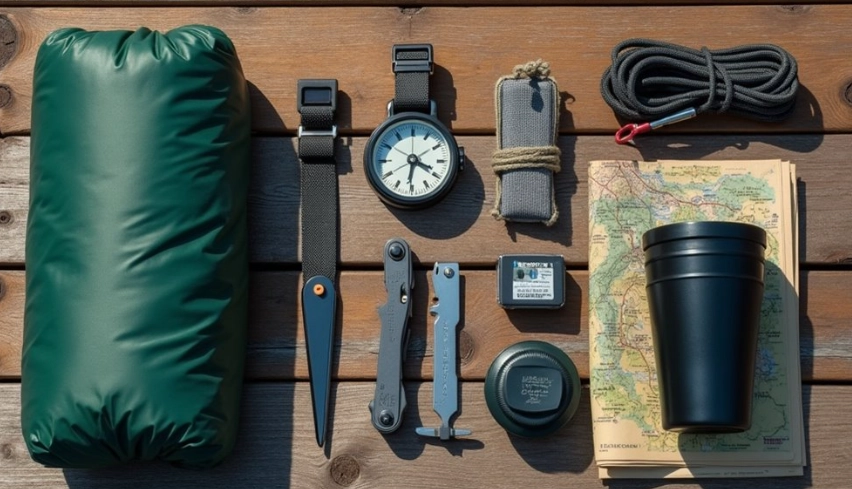
The ground sucks heat. A pad provides cushioning and R-value (insulation). I learned this on a cold night in the Rockies—my bag was rated for 15°F, but without a pad, I felt every chill. Inflatable pads are comfy; foam pads are durable and cheaper.
| Type | Pros | Cons | Best For |
|---|---|---|---|
| Inflatable Pad | High comfort, compact | Can puncture, pricier | Car camping, lightweight trips |
| Foam Pad | Durable, inexpensive | Bulky, less comfort | Backpacking, rough terrain |
| Self-Inflating Pad | Balanced comfort and ease | Heavier, mid-range price | Family camping, moderate use |
3. Cooking Gear: Stove, Fuel, and Utensils
You can't rely on campfires everywhere—many areas ban them due to fire risk. A portable stove is essential. I used to carry a bulky propane stove until I switched to a canister stove. It's lighter and boils water in minutes.
Portable Stove Options
Canister stoves are great for simplicity; liquid fuel stoves work better in cold or high altitude. For fuel, calculate based on trip length. A 8-oz canister lasts about 2 hours of burn time. Don't forget utensils—a spork and a lightweight pot are enough. I've seen people bring full kitchen sets; it's overkill.
4. Water Filtration: Stay Hydrated Safely
Water is life, but natural sources can harbor bacteria like giardia. A filter is cheaper than a hospital visit. My stream-drinking incident taught me that. There are pumps, straws, and gravity filters. I prefer a squeeze filter—it's fast and lightweight.
According to the Centers for Disease Control and Prevention, untreated water can cause serious illnesses, so filtration is a must. Carry at least 2 liters per person daily, and plan your sources.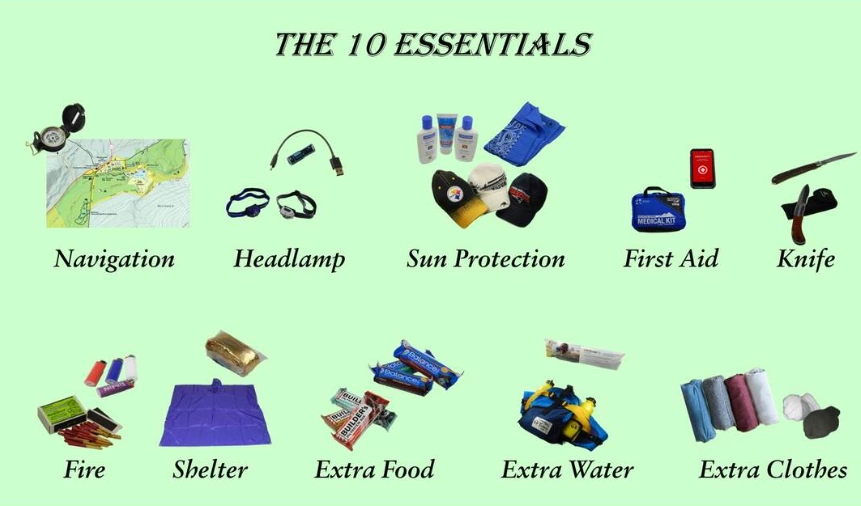
5. Lighting: Headlamps Over Flashlights
Hands-free lighting is a game-changer. Flashlights are clumsy when you're setting up camp or cooking. A headlamp with adjustable brightness and red-light mode preserves night vision. I use one from Petzl that lasts 50 hours on low.
Batteries die, so pack extras. I learned this on a group trip where three headlamps failed. Now, I always check battery life before leaving.
6. First Aid Kit: Hope for the Best, Prepare for the Worst
Scrapes, blisters, and burns happen. A basic kit should include bandages, antiseptic wipes, pain relievers, and blister pads. Customize it—add medications you need. I add tweezers for splinters and a emergency blanket.
Many pre-made kits are skimpy. I build my own, focusing on items I've actually used. For example, mole skin for blisters is more useful than a dozen band-aids.
7. Navigation: Map and Compass Basics
GPS devices fail; phones run out of battery. A paper map and compass are reliable backups. I've gotten turned around in dense forests even with a GPS signal. Learn to read a topo map—it's not hard, and resources like the US Geological Survey offer guides.
Practice before your trip. I spent an afternoon in a local park practicing bearings. It paid off when my phone died on a remote trail.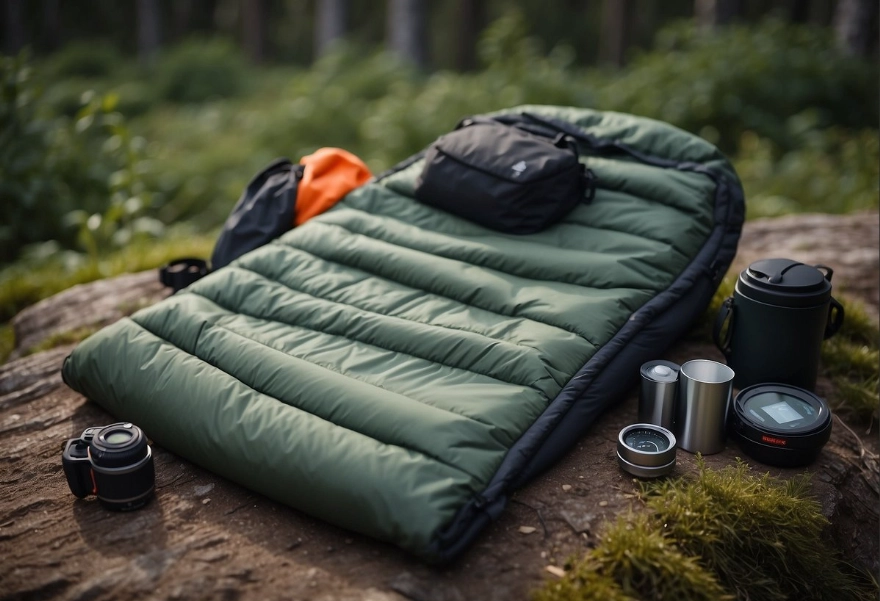
8. Food and Storage: Planning Your Meals
Pack calorie-dense, non-perishable foods. Think oatmeal, nuts, dehydrated meals. Avoid cans—they're heavy. For storage, use bear canisters or hang food in bear country. I saw a raccoon raid a poorly hung bag once; it ruined two days' worth of food.
Plan meals per day. A simple table helps:
- Breakfast: Oatmeal with dried fruit (300 calories)
- Lunch: Tortillas with peanut butter (400 calories)
- Dinner: Dehydrated pasta meal (600 calories)
- Snacks: Trail mix, energy bars (200 calories extra)
9. Clothing: Layer Up for Comfort
Cotton kills—it holds moisture and chills you. Use synthetic or wool layers. A base layer wicks sweat, a mid-layer insulates, and a shell layer protects from wind and rain. I pack extra socks; wet feet lead to blisters.
Common mistake: overpacking. You don't need a new outfit each day. One set for hiking, one for sleeping, and layers to adjust.
10. Multi-Tool and Repair Kit: Fix It on the Go
Gear breaks. A multi-tool with pliers, knife, and screwdriver can fix tent poles, stoves, or gear. Add duct tape—wrap some around a water bottle. I've patched a torn tent with it during a storm.
Most campers forget this until they need it. My repair kit fits in a small bag and has saved multiple trips.
That's the list. It's based on trial and error, not just theory. Each item has a purpose—shelter, sleep, food, water, light, safety, navigation, and repair. Forget one, and you might be okay, but why risk it?
 What's a common mistake with water filters that beginners make?