Your Quick Guide to Belay Devices
Let's cut to the chase. Your belay device isn't just a piece of metal you clip to your harness. It's the single most critical piece of safety gear you own, the thing that turns a potential fall into a controlled stop. Get this choice wrong, or use it poorly, and the consequences are real. I've seen too many climbers, even experienced ones, fumble with their device or pick one that's a poor match for their climbing. This guide is here to fix that.
We're going to move past the basic sales descriptions. I'll explain how these things actually work, break down the real-world pros and cons of each type, and give you my blunt opinion on what's worth your money. I've spent over a decade guiding, teaching, and climbing on everything from desert sandstone to alpine ice, and I've formed some strong preferences you won't find in the manufacturer's manual.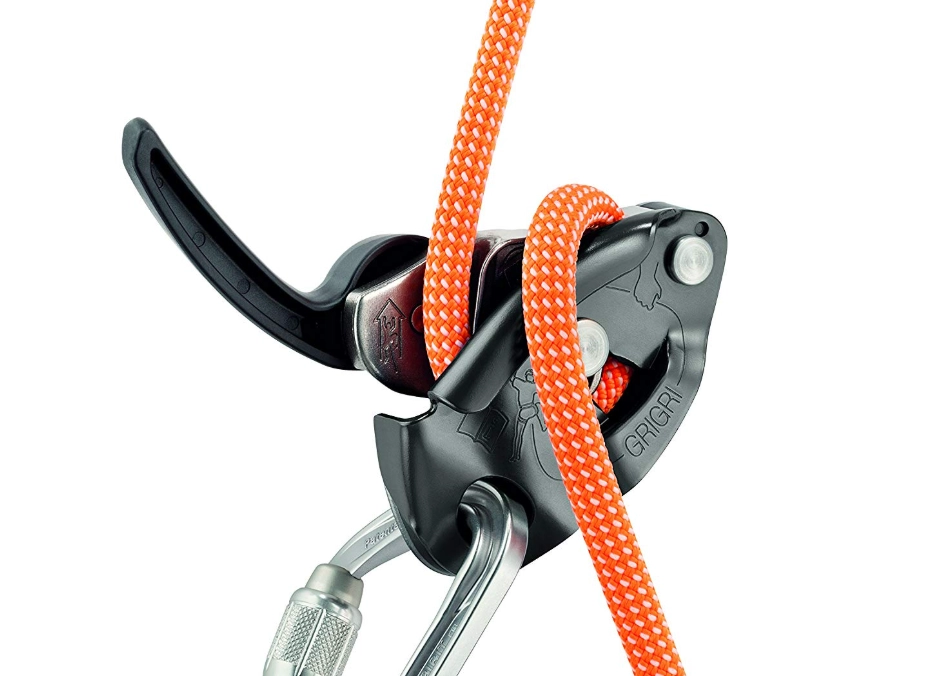
How Does a Belay Device Work?
At its heart, a belay device creates friction on the climbing rope. That's it. When your partner climbs, you feed rope out smoothly with minimal friction. When they fall or need to rest, you pull the rope into a "brake position," which forces it through bends and pinches in the device, creating immense friction that lets you hold the fall.
The physics are simple: more bends in the rope and tighter pinches equal more friction. A tube-style device like a basic ATC creates friction by bending the rope into a tight U-shape and pinching it against itself. An assisted braking device (like a GriGri or Mega Jul) adds a mechanical cam or lever that pinches the rope automatically during a sudden pull.
Think of it like braking on a bike. Your hand on the brake lever is the belayer. The brake caliper is the belay device. Squeeze lightly (lead mode), and the wheel turns with some resistance. Squeeze hard (brake position), and it stops. An assisted braking device is like having anti-lock brakes—it adds an extra mechanism to help you stop more reliably if you panic or aren't perfectly positioned.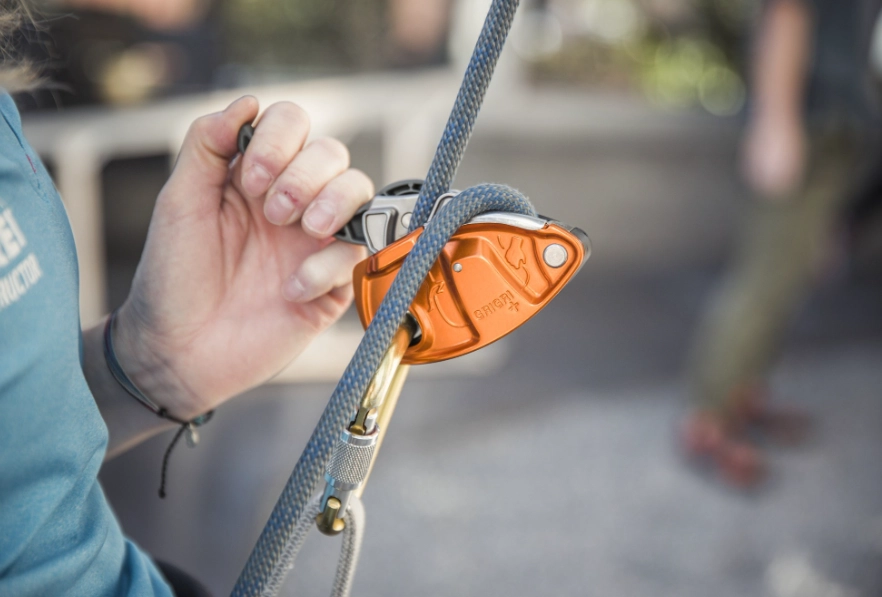
The 4 Main Types of Belay Devices
Here’s where most online guides just list features. Let's talk about what it's actually like to use each one, day in and day out.
| Type | How It Works | Best For | My Honest Take |
|---|---|---|---|
| Tubular / ATC-Style (e.g., Black Diamond ATC, Petzl Verso) | Rope is threaded through two slots, creating a U-bend. Friction is controlled entirely by the belayer's brake hand position. | Beginners learning fundamentals, rappelling, trad climbing where you need to belay two followers. | The workhorse. Cheap, reliable, teaches you proper technique. Feels "slippery" with thin single ropes or heavy leaders. I still carry one on every multi-pitch climb for rappels. |
| Assisted Braking (e.g., Petzl GriGri, Edelrid Mega Jul, Black Diamond ATC Pilot) | Incorporates a cam, lever, or pinching mechanism that engages during a sudden rope pull, helping to stop the fall. | Single-pitch sport climbing, gym climbing, belaying heavier climbers. GriGri is the industry standard. | A game-changer for fatigue and safety margin. Not "auto-locking"—you MUST still keep your brake hand on. The GriGri+ is great but over-engineered for some. The Mega Jul is a fantastic, lighter-weight hybrid. |
| Figure-Eight | Rope is looped through the large "8" shape. Creates massive friction, mainly used for rappelling. | Specialized rappelling (canyoneering, rescue), rarely for belaying modern lead climbs. | It twists the rope like crazy. I never use it for belaying. For rappelling, it's simple but often outclassed by modern tube devices with better rope management. |
| Auto-Locking / "Plate" Devices (e.g., Petzl Reverso, Black Diamond ATC-Guide) | A tubular device with extra holes/slots that allow it to be used in "auto-block" or "guide" mode for belaying a leader from above. | Trad and alpine climbers, anyone who needs to belay a second from the top of a pitch. | An essential tool for multi-pitch climbing. The "guide mode" is brilliant for bringing up a second climber hands-free. It's a tube device first, with a superpower for specific scenarios. |
Notice I didn't rank them. That's because the "best" one depends entirely on what you're doing. Bringing a GriGri on a long, icy alpine ridge is a bad idea. Using a basic ATC to belay a new leader in the gym isn't optimal either.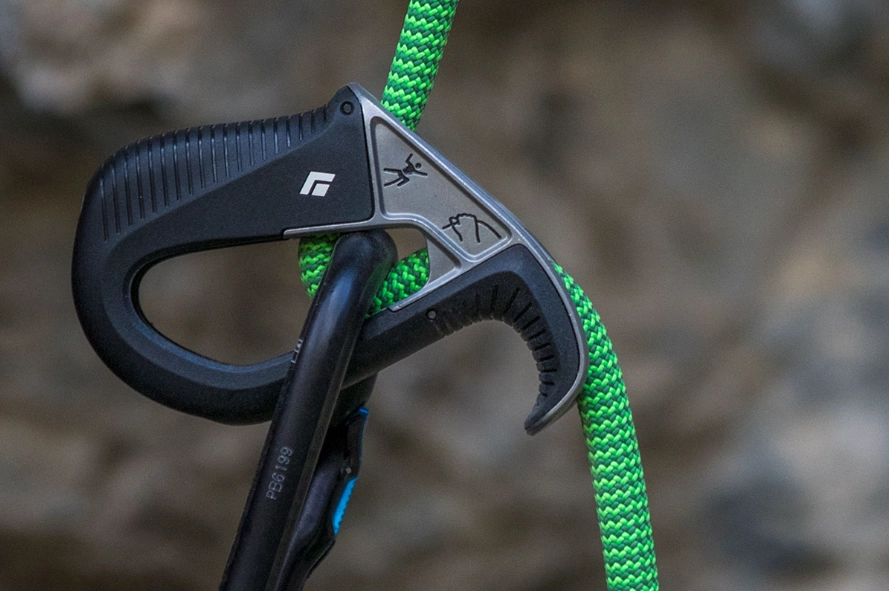
How to Choose the Right Belay Device for You
Forget the flashy ads. Ask yourself these three questions.
What kind of climbing do you do MOST?
This is the deciding factor.
Gym & Single-Pitch Sport Climbing: Get an assisted braking device. The Petzl GriGri is the default for a reason—it's durable, intuitive, and that slight "catch" feeling inspires confidence. The Edelrid Ohm isn't a belay device per se, but it's a genius solution for big weight differences between climber and belayer, a common pain point.
Multi-Pitch Trad & Alpine: You need versatility. Your primary device should be an auto-locking tube device like the Petzl Reverso or Black Diamond ATC-Guide. It belays leaders, belays seconds in guide mode, and rappels. It's your one-piece quiver. I pair mine with a super light tubular device (like a DMM Pivot) as a backup rappel tool.
Top-Roping & Learning: Start with a simple, inexpensive tubular device (Black Diamond ATC XP is good). It forces you to learn perfect hand technique without any mechanical help. This foundation is non-negotiable.
What rope diameter are you using?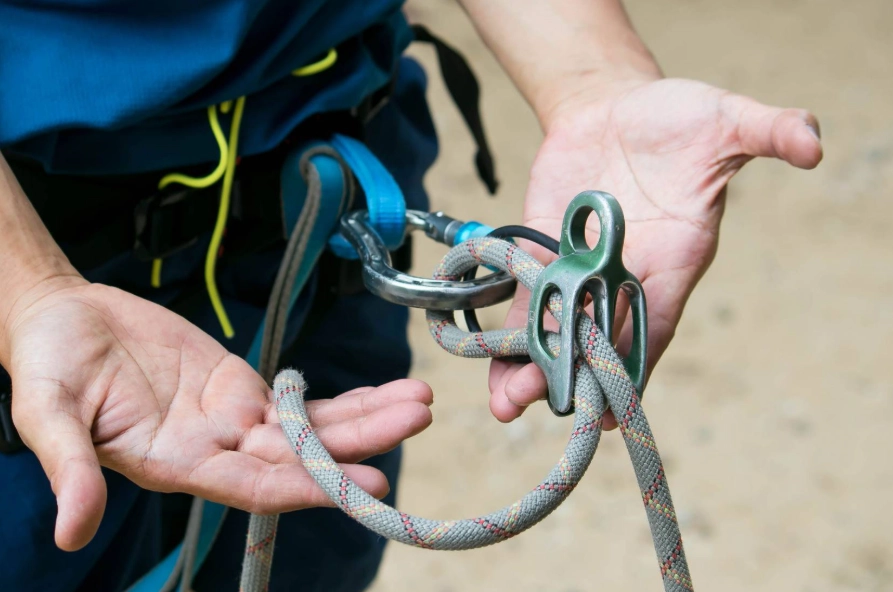
This is the spec everyone glances over. A device rated for 8.5mm - 10mm ropes will feel terrifyingly loose and fast with a skinny 8.0mm rope. Conversely, forcing a fat 10.2mm rope into a device with a tight slot is a struggle. Check the manufacturer's range and aim for the middle. Most single ropes are 9.4mm-9.8mm, which works with almost everything.
What's your budget and desire for simplicity?
A basic ATC costs about $25. A GriGri+ is around $100. Is the assisted braking worth the $75 difference? For your primary safety system, absolutely. But if you climb twice a year, maybe not. I recommend beginners buy a cheap tubular device AND take a class. Then, when you start leading or climbing frequently, invest in an assisted braking device.
My personal rack? For cragging: a GriGri 2 and an ATC-Guide (for rappelling/belaying two seconds). For multi-pitch trad: a Reverso and a DMM Pivot. I've abandoned the figure-eight entirely.
Using Your Belay Device Safely: A Step-by-Step Walkthrough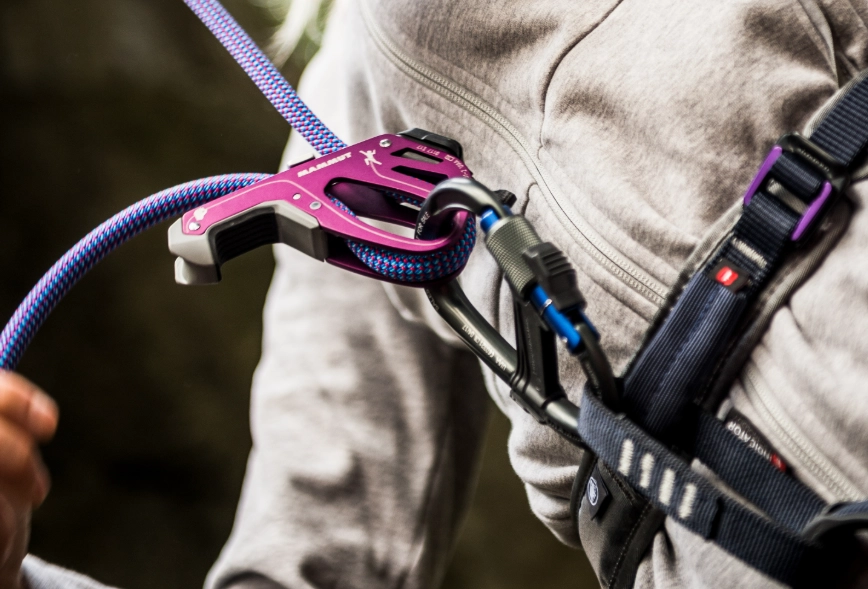
Knowing the parts isn't enough. Let's walk through the actual motions. Assume a right-handed belayer.
Step 1: The Pre-Climb Check. Before you even tie in, do a partner check. Look at each other's harness buckle, tie-in knot, and belay device. Is the device oriented correctly? Is the rope running the right direction? This takes 10 seconds and catches 90% of errors.
Step 2: Loading the Device. For a tube-style device, the rope comes from the climber up through the "climber side" slot, then down to your brake hand. A common mental cue: the rope should make a smooth, uninterrupted path from the climber's tie-in to your brake hand. If it has a kink or crosses over itself in the device, it's wrong.
For a GriGri, make sure the rope gate opens away from the brake hand side. The rope should run across the stamped diagram on the device.
Step 3: The Brake Hand & Position. This is sacred. Your brake hand (the one not feeding rope) NEVER lets go of the rope. In brake position, it's down by your hip, with the rope taut. When paying out rope, it's still on the rope, just slid up. The transition between "paying out" and "brake" should be a short, practiced slide, not a release and grab.
Step 4: Catching a Fall. You feel a shout or a sudden tug. Your immediate, unthinking reaction must be to pull your brake hand down to your hip. This is a muscle memory drill you practice on the ground. Squat slightly to absorb force. A stiff-legged belayer gets yanked into the wall.
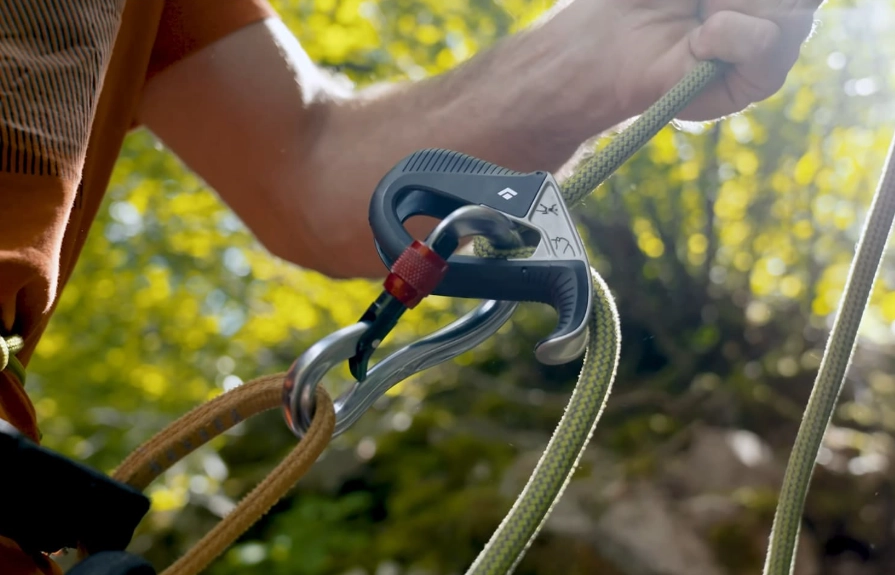
Step 5: Lowering. For a tube device, control the speed by varying the angle of the rope leaving the device. More downward angle = more friction = slower lower. For a GriGri, you MUST hold the cam open with your thumb while controlling speed with your brake hand on the rope. Never just release the lever and let it "auto-descend."
The most under-practiced skill? Dynamic belaying. A hard, static catch can injure a leader. You need to give a slight, controlled "hop" or arm movement to soften the catch, especially on sport climbs with tight bolts. This is an advanced but crucial technique.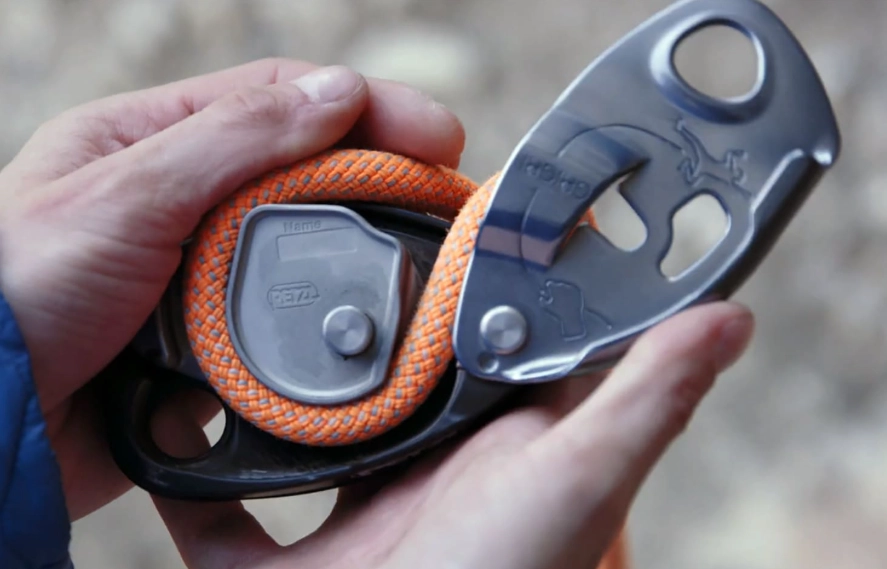
Common Belay Device Mistakes (And How to Fix Them)
I've instructed hundreds of climbers. These are the errors I see constantly.
Mistake 1: Backwards Device. The device is clipped in upside down or reversed. The rope path looks awkward. Fix: Always do the partner check. Know which side of your device is "up."
Mistake 2: "Death Grip" on the Feed Hand. The belayer is so focused on their brake hand they strangle the rope with their guide hand, making it hard for the climber to pull up slack. Fix: Your guide hand should be loose, just guiding the rope. Let it slide.
Mistake 3: Letting the Brake Hand Wander. Hand drifts up towards the device, reducing braking power. Fix: Practice the "slide, don't jump" motion. Keep a mental checkpoint: brake hand at the hip.
Mistake 4: Using the Wrong Mode. Trying to belay a leader directly off the anchor with a GriGri (use a tube in guide mode or a redirect). Using a thin twin rope in a device meant for a single rope. Fix: Read the manual. Know your gear's limits. The UIAA and manufacturer websites have detailed tech specs.
Mistake 5: Not Matching the Rope. That old, thick, fuzzy 10.5mm rope won't work well in a modern device designed for 9.4mm ropes. Fix: Check compatibility. When in doubt, a basic, wide-slot tube device is most forgiving.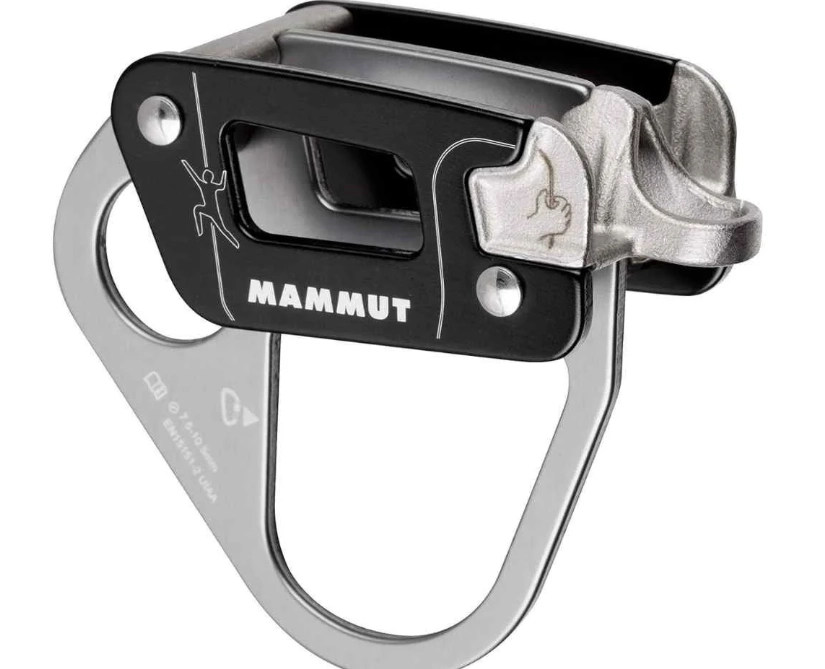
Your Belay Device Questions, Answered
Why does my assisted braking device feel "grabby" or not feed rope smoothly?
Can I use a GriGri to belay a second climber from above?
 How often should I retire my belay device?
Is it okay to use a belay device with both single and double/twin ropes?
What's the one thing I should practice most to be a better belayer?