I learned this the hard way on a 15-mile loop in the Rockies. My boots were broken-in, my pack was light, but my socks were a generic cotton blend I’d grabbed from a drawer. By mile eight, I had a blister the size of a quarter on my heel. Every step was a reminder: the best hiking socks aren't a luxury; they're fundamental safety gear. They're the interface between you and the trail, managing moisture, friction, and temperature. Get this wrong, and even the most expensive boots won't save you.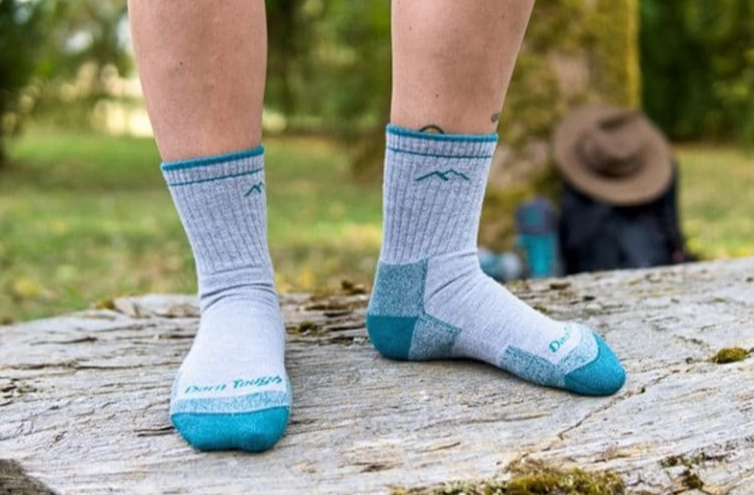
So, let's talk about what actually makes a hiking sock great. It's not about finding the single "best" pair for everyone, but understanding the features that solve real problems on the trail.
Your Quick Trail Map
Why Your Socks Matter More Than You Think
Most people focus on boots. It's a logical first step. But boots provide structure and protection; socks provide the micro-environment. Think of it this way: your feet sweat. A lot. The American Podiatric Medical Association notes that feet have about 250,000 sweat glands. On a hike, they can produce over half a pint of moisture each day.
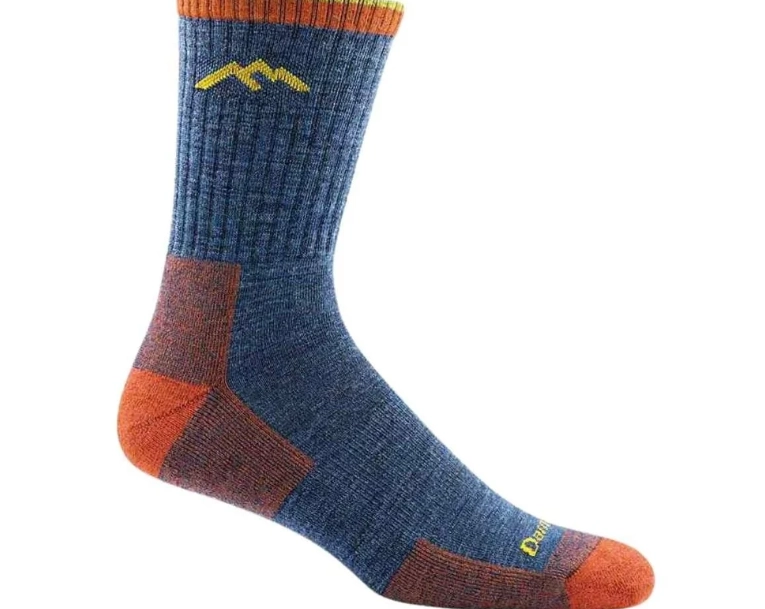
A bad sock acts like a sponge, holding that sweat against your skin. This softens the skin (maceration), dramatically increasing friction. That friction, combined with heat and moisture, is the perfect recipe for blisters. A good sock, however, wicks that moisture away from your skin, through the sock, and into your boot liner where it can evaporate. It also provides strategic cushioning in high-impact areas (heel, ball of foot) and uses seamless construction to eliminate rubbing points.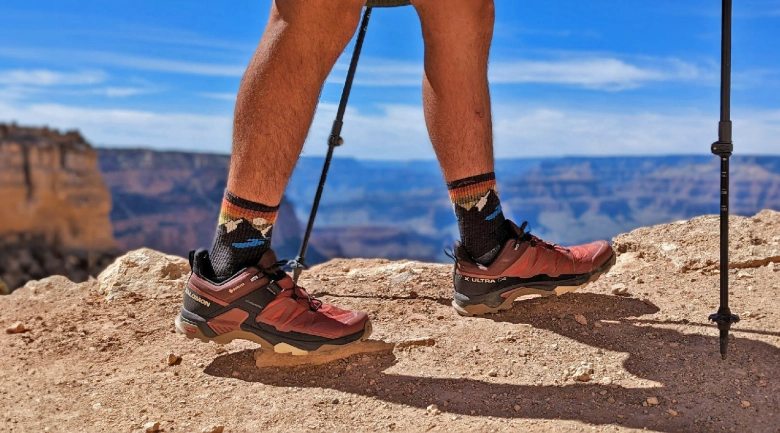
Anatomy of the Best Hiking Socks: 6 Non-Negotiable Features
When you're evaluating a pair, look for these elements. If one is missing, put them back on the shelf.
1. Moisture-Wicking Material
This is the core function. The material must pull sweat off your skin. Natural merino wool and synthetic fibers like polyester and nylon are champions at this. Cotton is the enemy—it absorbs moisture and holds it, becoming heavy, cold, and abrasive.
2. Strategic Cushioning (Not Too Much!)
Cushioning is about targeted protection, not overall bulk. Look for extra padding at the heel, toe, and ball of the foot. Avoid socks that are uniformly thick all over. Too much cushion can make your boots fit too tightly, reduce ground feel, and actually overheat your feet. It's a balancing act.
3. A Snug, Anatomical Fit
The best hiking socks fit like a second skin. They shouldn't sag, wrinkle, or bunch up. Wrinkles create pressure points. Many premium brands now offer left/right foot-specific knitting or an "anatomical" fit that contours to the shape of your foot. This eliminates excess material that can slide and cause friction.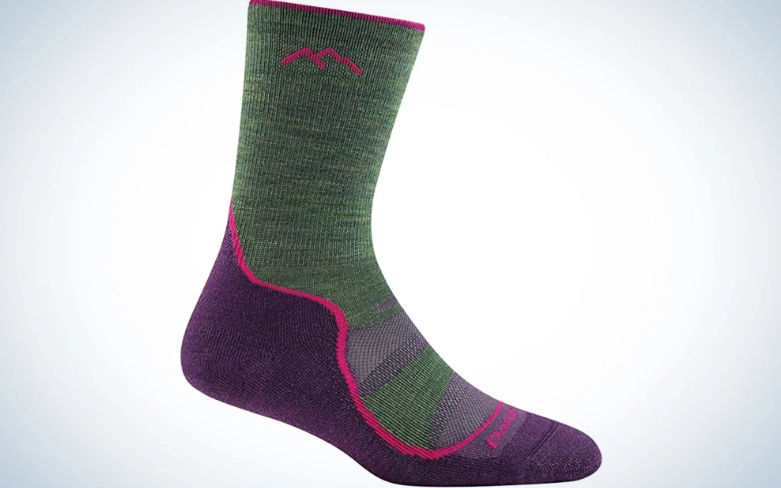
4. Flat, Seamless Toe Closures
This is the detail most beginners miss. A bulky, raised seam across the toes is a blister factory. High-quality socks use a "hand-linked" or flat-knit toe seam that's virtually invisible and smooth to the touch. Run your finger inside the toe box. If you feel a prominent ridge, don't buy them for hiking.
5. Temperature & Odor Regulation
Merino wool is famous for this—it keeps you warm when it's wet and cool when it's hot, and it naturally resists odor-causing bacteria. Synthetic blends achieve similar effects with added treatments. This feature is what lets you wear the same socks for multi-day trips without offending your tent mates.
6. Durability in High-Wear Zones
Check the heel and ball of the foot for reinforced knitting or a blend that includes a tough fiber like nylon. A sock that pills and thins after two hikes isn't a good investment, no matter how comfortable it is initially.
The Material Breakdown: Wool, Synthetics, and Blends
Here’s a straightforward look at what you’re getting with each primary material. Most of the "best" socks use a smart blend to get the benefits of multiple fibers.
| Material | Best For | Pros | Cons | Feel & Care |
|---|---|---|---|---|
| Merino Wool | All-season hiking, multi-day trips, cold/wet conditions, odor sensitivity. | Superior temperature regulation, excellent odor resistance, naturally wicking, warm when wet. | Less durable than synthetics, can be more expensive, takes longer to dry. | Soft, not itchy. Machine wash cool, lay flat to dry. |
| Synthetic (Polyester/Nylon) | Day hikes, fast-paced activities, hot & dry climates, budget-conscious buyers. | Extremely durable, dries very quickly, often more affordable, consistent performance. | Smooth or slightly slick feel. Easy machine wash & dry. | |
| Wool-Synthetic Blend | Nearly every hiker. The sweet spot for performance and durability. | Balances wool's comfort & odor control with synthetic's durability & dry time. Most versatile. | Specific performance depends on the blend ratio (e.g., 70% wool/30% nylon). | Feels like wool but tougher. Easy care. |
The blend is where most of the magic happens. A common and excellent recipe is a merino wool core for comfort and warmth, wrapped in a nylon shell for durability. You get the best of both worlds.
How to Choose Socks for Your Type of Hiking
"Best" is context-dependent. Here’s how to match the sock to the trail.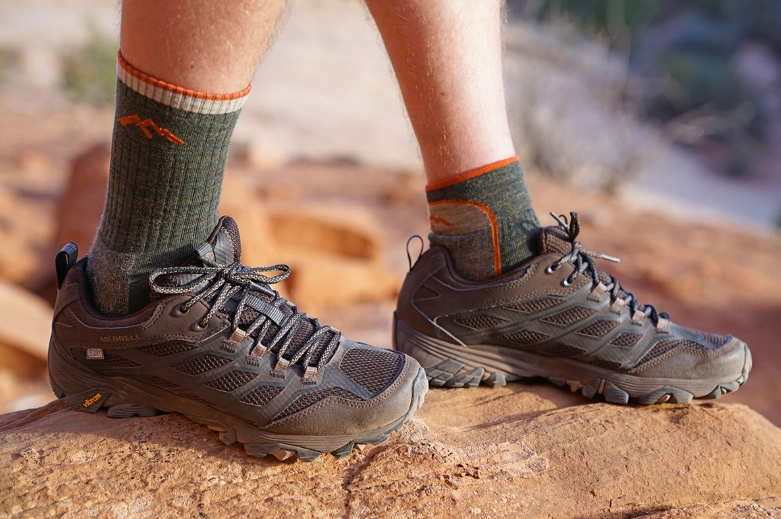
For Summer Day Hikes & Trail Running: Think thin to medium cushion. Look for socks labeled "lightweight" or "performance." A higher synthetic content (or a lightweight wool blend) will dry fastest. Mesh zones for ventilation are a big plus. You want moisture gone before it becomes a problem.
For Multi-Day Backpacking: This is where merino wool or wool-dominant blends shine. You need odor resistance and consistent comfort over days. Opt for medium cushion to protect your feet under a heavier load. Bring at least two pairs to rotate, letting one air out while you wear the other.
For Cold Weather & Winter Hiking: Don't just go thicker. Start with a thin, snug-fitting synthetic liner sock to manage moisture directly against your skin. Then, add a medium or heavy cushion wool blend sock over it. This two-layer system (a version of the military's "liner + cushion" system) is far more effective at preventing blisters in the cold than one bulky sock.
For Dealing with Prone-to-Blister Feet: If you're blister-prone, the fit is your #1 priority. Anatomical or left/right specific socks are worth the investment. Also, look for socks with targeted "friction zones" or panels made of a slicker yarn (like Coolmax) in high-rub areas. Some brands even incorporate light compression for a truly locked-in feel.
Trail-Tested Answers to Your Sock Questions
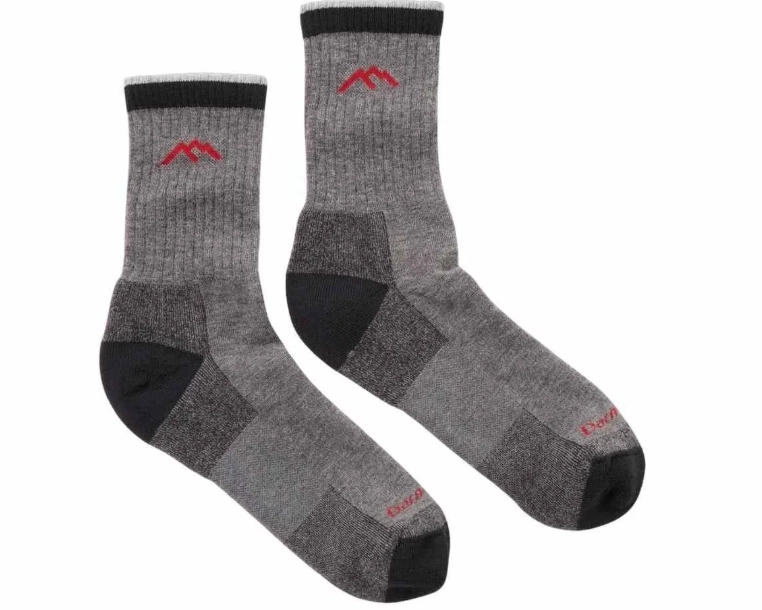 How often should I actually replace my hiking socks?
 Choosing the best hiking socks comes down to understanding the job they need to do. It's not about brand loyalty or the highest price tag. It's about the right material blend, a flawless fit, and construction that addresses the real-world physics of a moving foot in a boot. Invest in a few good pairs, treat them well, and your feet will thank you for miles and miles.
Now, go check the seams on your current socks.