Let's cut to the chase. After a decade of navigating dusty fields and packed crowds from Coachella to Glastonbury, I can tell you the single most important piece of gear isn't your fancy boots or your flower crown. It's a reliable hydration pack. Forget carrying overpriced water bottles that you'll inevitably lose or having to abandon your front-row spot for a 45-minute trek to the water station. A good festival hydration backpack is a game-changer. It keeps you hydrated, hands-free, and lets you focus on the music. This guide isn't just a list of products; it's everything I've learned about staying fueled and comfortable when it matters most.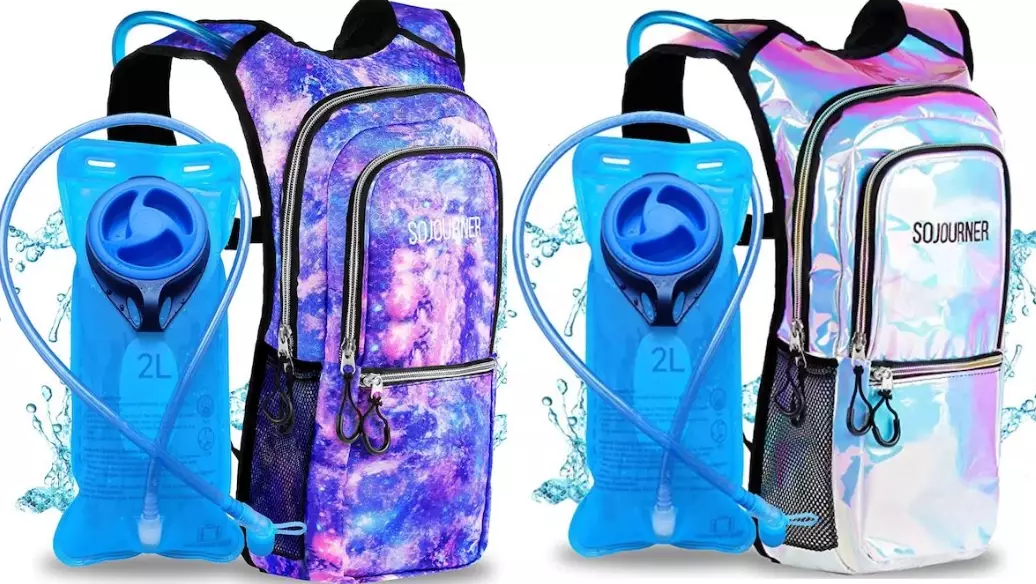
Your Quick Festival Hydration Pack Cheat Sheet
Why You Absolutely Need a Hydration Pack at a Festival
I see it every year. People looking miserable, headachy, and exhausted by 3 PM. They often mistake it for being tired, but it's just dehydration. At a festival, you're walking miles, dancing, and often in direct sun. The CDC notes that dehydration can seriously impair your physical and mental performance. A hydration bladder solves this passively. The tube sits on your shoulder, so you sip constantly without thinking. You drink more, feel better, and last longer.
Beyond water, it's your mobile command center. Your phone, wallet, sunscreen, lip balm, a light jacket for the evening—it all goes in there. Having your essentials secured on your back is infinitely safer than a fanny pack or pockets, which are prime targets for pickpockets in dense crowds.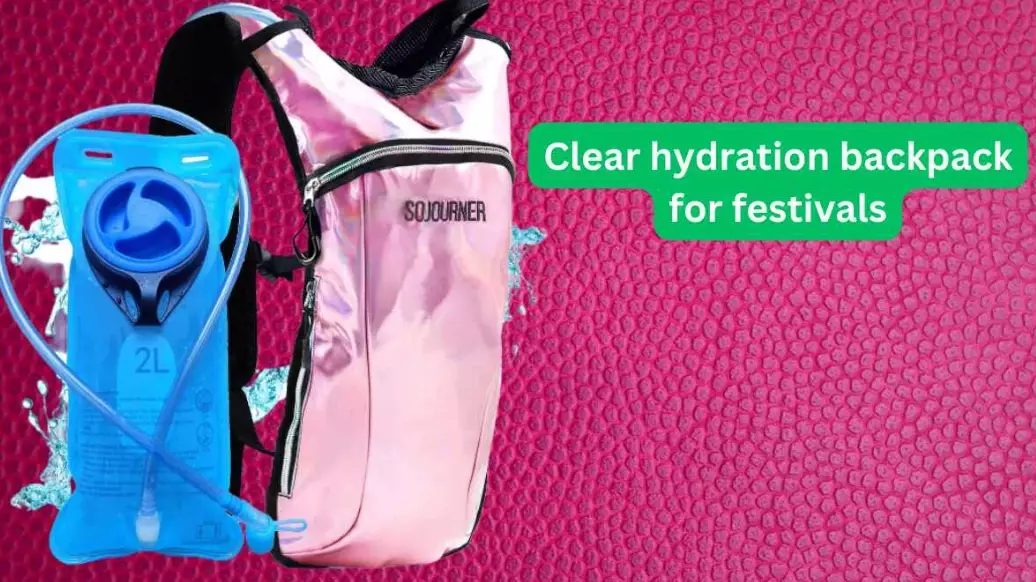
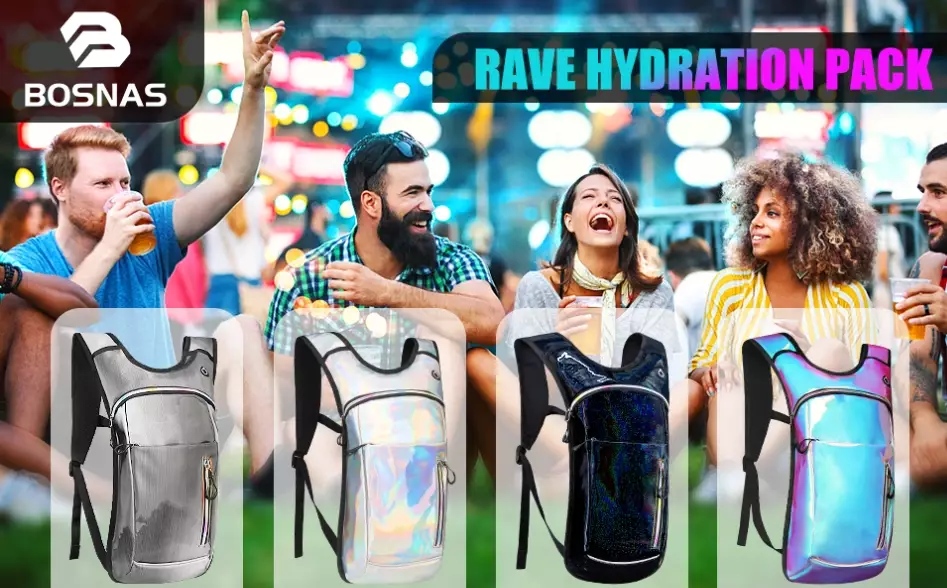
The Unspoken Advantage: Festival security lines move faster for people with clear-back hydration packs. They can see there's no contraband in the main compartment instantly, while they might empty every pocket of a regular backpack. It's a small thing that adds up over a weekend.
How to Choose the Best Festival Hydration Pack
Not all hydration reservoirs are created equal for festival use. A pack designed for mountain biking might have too many straps. One for hiking might be overkill. You need the right balance of capacity, comfort, and festival-specific features.
Capacity: The Goldilocks Zone
This is the most common mistake. People think bigger is always better. A 3-liter (100 oz) reservoir sounds great, but when full, it's over 6.6 pounds of water alone. Add your gear, and you're carrying a significant load all day. For most single-day festivals, a 2-liter (70 oz) bladder is the sweet spot. It's enough for several hours, refillable, and keeps weight manageable. For multi-day camping festivals where water access might be farther, a 2.5-3L reservoir makes sense, but plan to not fill it completely until you need to.
| Reservoir Size | Best For | Potential Drawback |
|---|---|---|
| 1.5 Liters (50 oz) | Short festival days, minimalist packers, or smaller individuals. | Will require more frequent refills. |
| 2 Liters (70 oz) | The ideal choice for most single-day mainstream festivals. | Might be tight for very long, hot days without refills. |
| 3 Liters (100 oz) | Multi-day camping festivals, desert events (Burning Man), or sharing between two people. | Heavy when full. Can make the pack bulky and less comfortable. |
Material and Durability
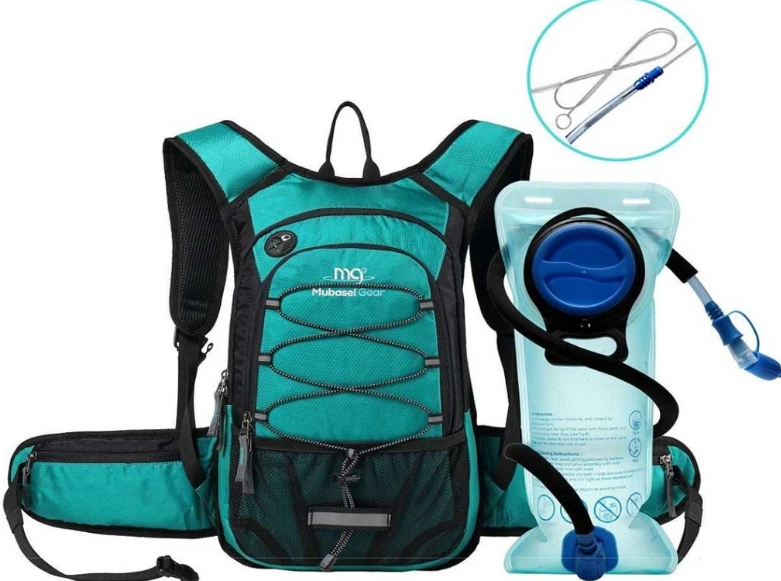
Look for packs made from durable, often polyester, nylon, or TPU-coated materials. The key is that the back panel and straps should have some mesh ventilation. A solid piece of fabric against your back on a hot day is a sweat factory. The hydration bladder itself should be BPA-free and easy to clean. A wide-mouth opening is non-negotiable—it makes cleaning and adding ice cubes a million times easier.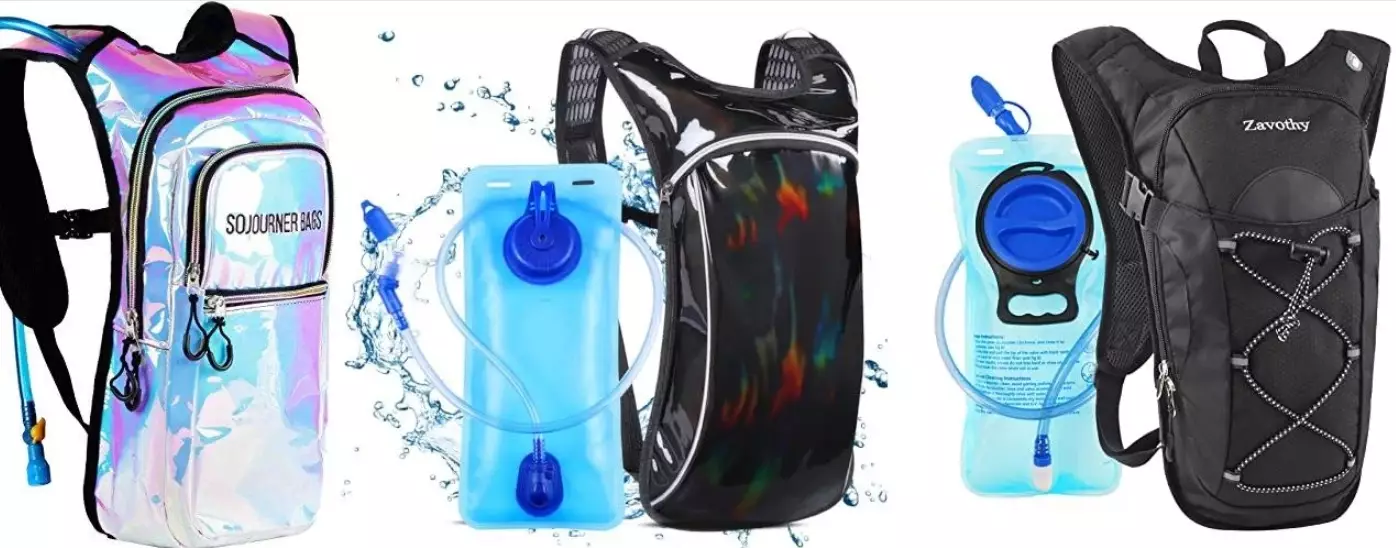
Pocket Configuration and Accessibility
You need quick, secure access without taking the pack off. Here’s my ideal setup:
A large main compartment for the bladder and maybe a jacket.
A separate, padded laptop/tablet sleeve (often used for the bladder) to keep the weight centered.
Front organizer pockets: These are for your phone, festival ticket, credit card, and sunscreen. Zippered is safer than open-top.
Side mesh pockets: Perfect for a reusable water bottle (for electrolytes or a friend) or to stash a hat quickly.
A common flaw in cheaper packs is having all pockets on the front, making the pack bulge out and feel unbalanced. The weight should be close to your back.
Top Hydration Pack Features for Festival-Goers
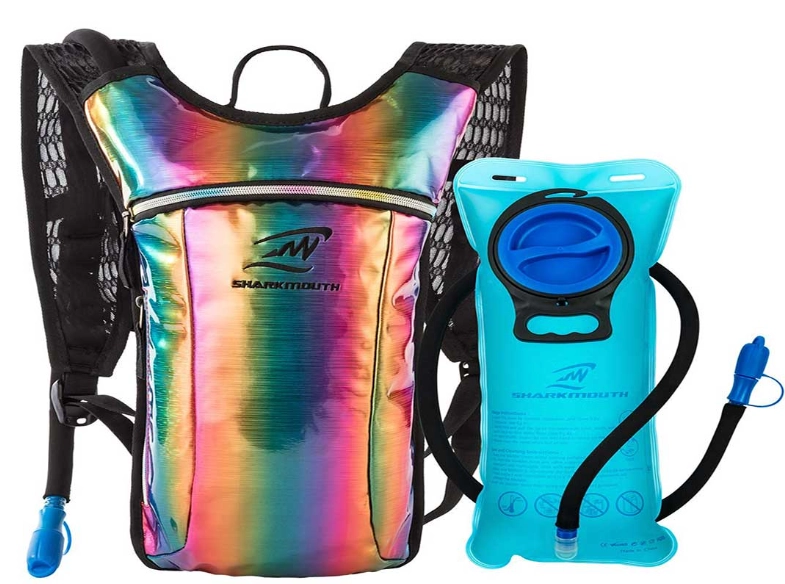 Beyond basics, these details separate the good from the great.
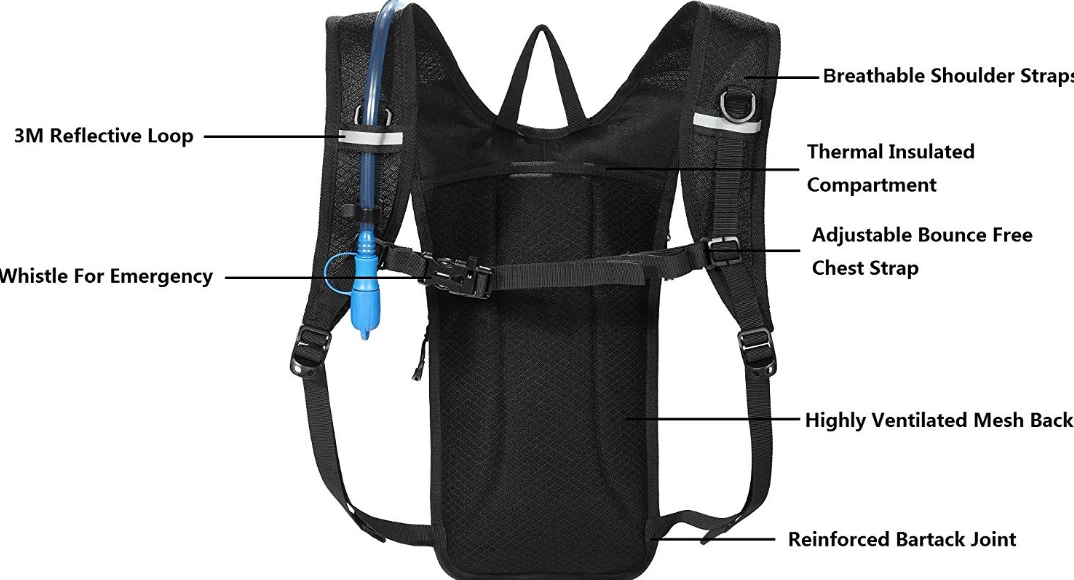
Magnetic Bite Valve Clip: This is a pro tip. Brands like CamelBak have a magnet on the bite valve that clips to your sternum strap. It keeps the valve from swinging around and getting dirty. It seems minor until you’ve tasted dust and sunscreen on your valve.
Insulated Drink Tube: Some packs have a tube sleeve that helps keep your water cooler for longer. In direct sun, the water in the tube can get warm fast. This helps a bit.
Security Pocket: A hidden zippered pocket against your back, perfect for your ID and cash. Out of sight, out of mind for thieves.
Full-Access Zippers: Can you fully open the main compartment like a suitcase? This makes packing, cleaning, and finding stuff at the bottom of your bag dramatically easier.
Compression Straps: These straps on the sides help slim down the pack when it's not full, preventing it from bouncing around when you're dancing.
My personal non-negotiable? A loop for attaching a carabiner. I always clip my festival cup to it. Never lose your cup again.
Packing and Using Your Hydration Pack Like a Pro
 How you pack is as important as what you pack. Here’s my festival-day routine.
Prep the Night Before: Clean and fill your bladder ¾ with water. Freeze it flat. Top it off with fresh water in the morning. This gives you ice-cold water for hours without making the pack a solid, uncomfortable block. Add an electrolyte tablet or powder to the water. You're losing salts through sweat; plain water isn't always enough. I prefer unflavored or lightly flavored electrolytes to avoid a sugary residue that's harder to clean.
Packing Order Matters: Put the bladder in its sleeve first. Then pack items you won't need until later (jacket, merch) at the bottom. Items you need frequently (phone, sunscreen) go in the front organizer. Keep your phone in a ziplock bag or a dedicated waterproof pouch. A sudden downpour or an accidental spill from a neighbor can ruin your weekend.
At the Festival: When refilling at water stations, do not let the valve touch the spigot. Hold it away. Those spigots are germ hubs. Blow air back into the tube to clear residual water from the valve before drinking—it prevents that first warm sip.
One trick I learned the hard way: If your pack has a lot of straps, tuck the loose ends into the compression straps or use a rubber band. Loose straps get caught on things and are annoying.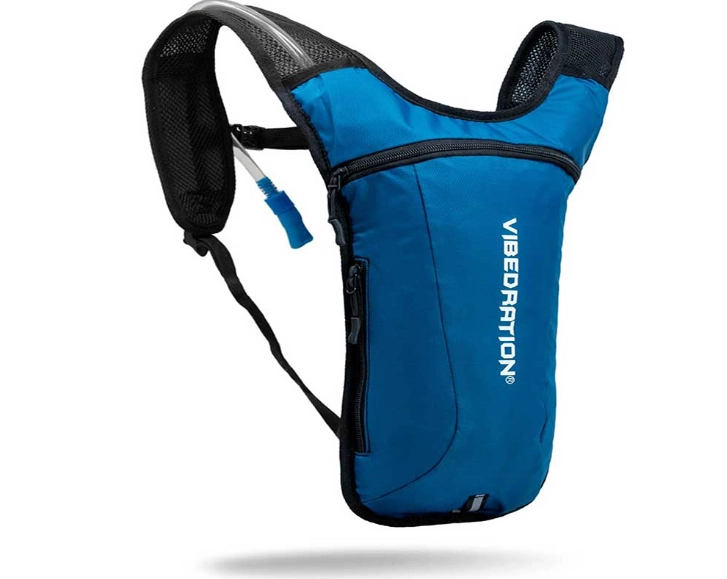
The Cleaning Commandment: The moment you get home, empty your bladder completely. Rinse it with warm water. Fill it 1/3 with water and a few drops of mild soap or a dedicated cleaning tab (like CamelBak's Cleaning Tabs). Shake, scrub with a cleaning brush, rinse thoroughly, and hang it upside down with the cap off to dry. A funky, moldy bladder is unusable and a health risk. This one step will double the life of your pack.
Festival Hydration Pack FAQs
Can I bring a hydration pack into any festival?
Almost all major festivals explicitly allow them, but you must check the specific festival's bag policy on their official website. The universal rule: the pack must be empty of liquid upon entry, and the bladder reservoir must be clear, empty, and often separate from the pack for security inspection. Some festivals restrict pack size (e.g., no larger than 12" x 12" x 6") or require packs to be completely clear. Never assume; always verify.
How do I keep my hydration pack water cold all day?
The freeze-then-top-off method is the best. Start with a partially frozen bladder. Use an insulated tube sleeve if your pack has one. Keep the pack in the shade when you're sitting down—don't just throw it on the sun-baked ground. Adding plenty of ice at refill stations helps, but remember, ice melts and increases the water volume, so don't overfill.
 What's the biggest mistake people make with festival hydration packs?
Besides not cleaning them, it's choosing capacity over comfort. A massive, overstuffed pack will ruin your posture and your day. People also forget to test the pack's fit before the festival. Adjust all the straps—sternum and waist if it has them—to distribute weight evenly. A pack bouncing on your lower back is a recipe for chafing and back pain.
Are expensive brands like CamelBak or Osprey worth it over generic Amazon packs?
For one or two festivals a year, a generic pack might suffice. But if you're a regular festival-goer, the investment pays off. The quality of the bladder's taste-free material, the durability of the zippers and seams, and the thoughtful design of the pocket layouts are markedly better. A cheap pack's bladder might taste like plastic forever, or a zipper might fail mid-festival. I've seen both happen.
What do I do if my hydration bladder starts leaking?
First, don't panic. Most leaks come from the valve connection or the bite valve itself. Ensure the valve is screwed on tightly (but don't over-tighten and crack it). Check the bite valve for cracks. Many packs come with a spare bite valve. If the leak is from the bladder seam or body, it's often a fatal flaw. This is why having a small roll of duct tape or a gear repair tape in your kit can be a temporary, festival-saving fix.
 Your festival hydration pack is more than a water carrier; it's your key to endurance, comfort, and enjoyment. Choosing the right one and using it smartly means you spend less time worrying about survival and more time immersed in the music and the moment. Now go fill that bladder, pack your essentials, and have an amazing, hydrated time out there.