Let's talk about getting a safe drink of water. It sounds simple, but the moment you step away from a trusted municipal supply or face a crisis, that simplicity vanishes. You're suddenly confronted with a dizzying array of gadgets, straws, pumps, and bottles, all promising to make water safe. The core of every one of these devices is its water purification model—the specific method or combination of methods it uses to remove or neutralize contaminants. Understanding these models isn't just tech trivia; it's the difference between confidently hydrating and playing a dangerous guessing game with your health.
I've spent over a decade testing gear in the backcountry and advising on emergency preparedness. The biggest mistake I see? People buy a filter because it's popular or cheap, without knowing what it actually protects them from. A backpacking filter might do nothing against a virus in a developing country, and a chemical tablet won't remove the mud from a murky pond. Your choice needs to match the threat.
What You'll Learn In This Guide
How Does a Water Purification Model Work?
At its heart, a water purification model is a battle plan against contaminants. These foes come in three main sizes: pathogens (bacteria, protozoa, viruses), particulates (dirt, rust, microplastics), and chemicals (pesticides, heavy metals, chlorine). No single model is perfect against all three, which is why the best systems often combine two or more methods. Think of it like home security: a lock (filtration) keeps out casual intruders (dirt, some bacteria), an alarm (chemical treatment) deters others, and a reinforced door (UV light) stops the most determined threats (viruses). The model defines which lines of defense are in place.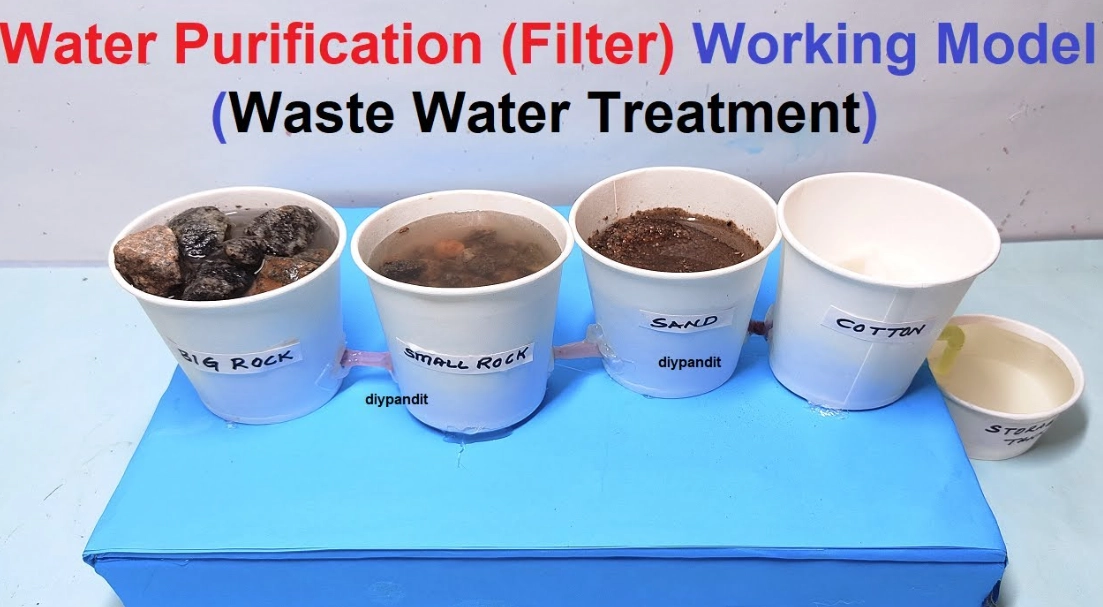
The Three Main Types of Purification Technology
Let's break down the core strategies. Most devices you'll encounter use one or a hybrid of these.
1. Mechanical Filtration: The Physical Barrier
This is the simplest model to understand. Water is forced through a physical barrier with tiny pores. Anything bigger than the pore size gets stuck. The effectiveness is all about the pore size, measured in microns.
- Microfiltration (0.1-1 micron): Catches protozoa (like Giardia, Cryptosporidium) and most bacteria. This is the standard for many backpacking pumps and straw filters.
- Ultrafiltration (0.01-0.1 micron): Goes further, catching all bacteria and some larger viruses. Common in higher-end portable units and some under-sink systems.
- Reverse Osmosis (0.0001 micron): The gold standard for removing almost everything—viruses, bacteria, and most dissolved chemicals like salts and heavy metals. The downside? It's slow, requires significant water pressure (often via an electric pump), and wastes a lot of water in the process. It's a mainstay for home and marine use, less so for the trail.
My take: A good mechanical filter is your best friend for clear, cold mountain streams. But if the water is visibly dirty, it will clog the pores incredibly fast. Always pre-filter murky water through a bandana or let sediment settle.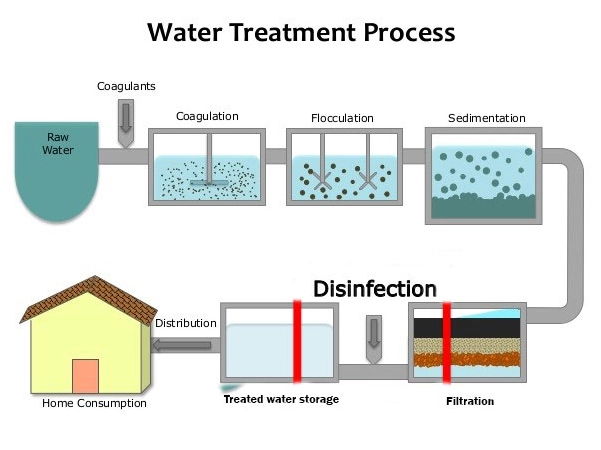
2. Chemical Purification: The Molecular Assassin
Instead of removing contaminants, this model uses reactive agents to destroy or incapacitate them, primarily targeting microorganisms.
- Chlorine Dioxide: My personal go-to for chemical treatment. It's effective against viruses, bacteria, and protozoa (including tough Crypto), doesn't leave a strong taste if used correctly, and comes in lightweight tablets or drops. It needs contact time (usually 30 minutes to 4 hours) to work.
- Iodine: Older technology. It works against many pathogens but not Cryptosporidium. It leaves a distinct taste and isn't recommended for long-term use or for pregnant women.
- Chlorine (Bleach): The emergency standby. The U.S. EPA and CDC have guidelines for using household bleach. It's cheap and accessible but imprecise and leaves a taste.
The dirty little secret of chemical models? They do nothing for particulates or chemical runoff. Your water will still look dirty and might still contain pesticides. They also perform poorly in very cold or turbid water.
3. Physical Disinfection: The Energy Blast
This model uses energy, rather than a chemical or filter, to break down pathogens.
- Ultraviolet (UV) Light: Devices like the SteriPEN blast water with UV-C radiation, scrambling the DNA of bacteria, viruses, and protozoa so they can't reproduce. It's fast (90 seconds), effective, and leaves no taste. The critical flaws? The water must be clear for the light to penetrate, and it requires batteries or charging. It's a fantastic primary method for clear alpine lakes but useless in a silty river.
- Boiling: The oldest and most reliable model. A rolling boil for 1 minute (3 minutes at high altitude) kills all pathogens. It requires fuel, time, and doesn't improve taste or remove chemicals.
| Purification Model | What It Removes/Kills | Best For | Key Limitations |
|---|---|---|---|
| Mechanical Filter (0.2 micron) | Protozoa, Bacteria, Sediment | Backpacking, hiking, cloudy water sources | Does NOT remove viruses or chemicals. Clogs easily. |
| Chemical (Chlorine Dioxide) | Viruses, Bacteria, Protozoa | Travel, ultralight backpacking, emergency kits | Does NOT remove sediment/chemicals. Requires wait time. |
| UV Light Purifier | Viruses, Bacteria, Protozoa | Clear water sources, fast treatment, no taste | Useless in murky water. Needs power/batteries. |
| Activated Carbon Filter | Chemicals, Bad Tastes/Odors, Some Heavy Metals | Improving taste of tap/treated water, filtering chemicals | Does NOT remove pathogens. Can harbor bacteria if wet. |
How to Choose the Right Model for Your Needs
Stop looking for the "best" water purifier. Start looking for the right tool for the job. Here’s how to match the model to your scenario.
Scenario 1: The Weekend Hiker & Backpacker
You're hitting established trails in North America or Europe. The primary risks are Giardia and bacteria from animal contamination.
Top Choice: A mechanical filter with a ~0.2 micron pore size. A squeeze filter (like a Sawyer Squeeze or Katadyn BeFree) is lightweight, field-maintainable, and lets you drink directly from the source or fill a bladder. Pair it with a pre-filter sediment bag for murky sources.
My Kit: I use a Katadyn BeFree 1.0L for most trips. Its flow rate is fantastic when new, but it does slow down. I always carry a backup set of chlorine dioxide tablets in case the filter freezes (which can crack the internal fibers) or gets irreversibly clogged.
Scenario 2: International Travel or Viral Risk Areas
You're heading somewhere with poor sanitation where viruses (hepatitis, norovirus) are a concern. This includes many parts of Asia, Africa, and Central/South America.
Top Choice: A dual-model approach. You must address viruses. Either:
1. A mechanical filter certified for "virus removal" (look for NSF P231 or EPA Guide Standard) which uses ultrafiltration.
2. A standard mechanical filter plus chemical treatment (chlorine dioxide).
3. A UV purifier for clear water only.
I lean toward option 2. It's more versatile. Filter the water first to remove dirt and protozoa, then drop in a chlorine dioxide tablet to nuke the viruses. It's bulletproof.
Scenario 3: Emergency Preparedness at Home
The goal is to process large quantities of potentially contaminated water from uncertain sources (rivers, lakes, rainwater) after a disaster.
Top Choice: A multi-stage system. Think in steps:
Step 1: Coarse Pre-filtration. Use cloth or a dedicated sediment filter to remove debris.
Step 2: Pathogen Removal. Use a high-capacity ceramic or gravity filter (like a Berkey for home, a Platypus GravityWorks for groups) or chemical treatment for large batches.
Step 3: Taste Improvement. Run the water through an activated carbon filter to remove chemical tastes from treatment or source contamination.
Storing a combination of a gravity filter system and a large bottle of chlorine dioxide drops covers nearly all bases.
Common Mistakes and Expert Tips
Here’s where that decade of experience comes in. These are the subtle errors that don't make the instruction manual.
Mistake 1: Ignoring Flow Rate Until It's a Trickle. Manufacturers advertise the flow rate for a brand-new filter. Ask yourself: what will it be after filtering 50 liters of questionable pond water? Hollow fiber filters can be backflushed, but ceramic filters need scrubbing. Factor in maintenance time on a long trip.
Mistake 2: Letting Your Filter Freeze. Water inside the filter cartridge expands when it freezes, creating micro-cracks that let pathogens through. If you're camping in freezing temps, sleep with your filter in your sleeping bag. It's a weird bedfellow, but a safe one.
Mistake 3: Misunderstanding "Virus-Level" Protection. Many filters say they remove "all bacteria and protozoa." People assume that means viruses too. It doesn't. Virus removal is a separate, more stringent standard. Always check the fine print for the specific pathogen claims.
Mistake 4: Using Carbon Filters Alone for Survival. Activated carbon is brilliant for absorbing chemicals and improving taste. But it does not purify. A Brita pitcher makes tap water taste better; it does not make creek water safe. Never use a carbon-only filter on biologically unsafe water.
Your Water Purification Questions Answered
The right water purification model is the one you understand and have with you when you need it. It's not the most expensive or feature-packed gadget; it's the tool that matches the specific contaminants in your water source. By understanding the core principles of mechanical, chemical, and physical disinfection, you can move past marketing hype and assemble a hydration strategy that's genuinely safe, whether you're at a remote campsite, a foreign hotel, or weathering a storm at home. Start by identifying your worst-case water scenario, then build your model from there.