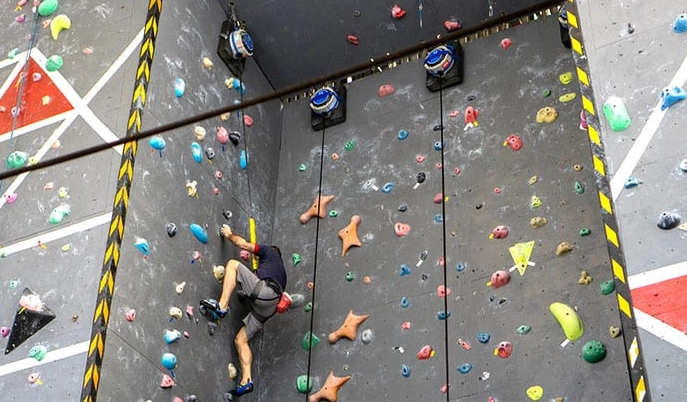
You walk into the climbing gym, psyched to train, but your regular partner bailed. The bouldering area is packed. For years, that meant your session was over before it started. Not anymore. Over in the corner, you see a climber moving smoothly up a tall route, completely alone. No partner belaying them from below. They reach the top, let go, and float down gently. That's the magic of an auto belay. It's not just a convenience gadget; it's a tool that's fundamentally changed how we train, practice, and even overcome fears in climbing. But if you've never used one, the idea of trusting a machine with your safety can feel strange. Let's break down exactly what it is, how to use it safely, and how it can make you a better climber.
What You'll Find in This Guide
How Does an Auto Belay Actually Work?
Forget the complex diagrams. At its heart, an auto belay does two jobs: it pays out rope as you climb up, and it controls your descent when you let go or fall. The most common type in gyms uses a retractable cable or webbing housed in a unit mounted at the top of the wall.
Inside that box, a spool feeds out the line as you climb, with a spring keeping tension so the line isn't slack. The real engineering is in the descent mechanism. When weight is applied (that's you letting go), a centrifugal clutch and a magnetic or hydraulic braking system engage to create a controlled, consistent resistance. This isn't a freefall; it's a smooth, predictable lowering. Major brands like Trublue and Perfect Descent have refined this to feel remarkably smooth.
Key Takeaway: The device is always "on." It's actively managing the rope tension from the moment you clip in until you touch down. You don't need to activate it; gravity and the device's mechanics do all the work.
Here’s a quick look at the two main systems you'll encounter:
| System Type | How It Works | What It Feels Like | Common Brand Example |
|---|---|---|---|
| Magnetic Eddy Current Brake | Uses magnets passing by a conductor to create resistance. No physical contact means less wear. | Extremely smooth, almost silent descent. The speed feels very consistent. | Trublue |
| Centrifugal/Hydraulic Brake | Uses weighted arms that fly outward to engage brakes, often combined with hydraulic fluid for control. | Reliable, with a slight mechanical sound. Descent speed is very steady. | Perfect Descent |
How to Use an Auto Belay Safely: A Step-by-Step Protocol
Safety with an auto belay is 99% about your habits. The device is incredibly reliable when maintained (gyms do this religiously), but human error is the real risk. I've seen experienced climbers make simple, scary mistakes. Follow this checklist every single time.
The Pre-Climb Ritual (Non-Negotiable)
First, look up. Is the carabiner or quickdraw at the top of the route? If it's dangling halfway down, the route isn't ready. Tell a staff member.
Now, the hands-on check:
- Gear Check: Run the cable through your fingers from the wall anchor down to the carabiner. Feel for any obvious fraying, cuts, or kinks. Look at the carabiner gate—it should snap shut crisply.
- The Double Clip: Clip the carabiner to your harness's tie-in loop. Not a gear loop. The tie-in loop. Now, look at the gate again. Is it fully closed? Now, lock it if it's a locking carabiner. For non-locking ones, some gyms use a specific orientation rule (e.g., gate facing away from the wall). Know your gym's rule.
- The Tug Test: Before you even put a foot on the wall, lean back into your harness and let the device take your weight. Feel the catch. Do this a couple of feet off the ground. This tests the system and tells your brain, "This thing works."
The most common error I see? People clipping the auto belay carabiner into a harness gear loop instead of the tie-in loop. A gear loop can snap under a fall force. It's not designed for that. Always, always clip to the central, reinforced tie-in loop.
During the Climb and Descent
Climb as you normally would. The device will take up slack. If you fall, it will catch you just like a top rope. When you're ready to come down, here's the critical part: let go and push away from the wall slightly.
Do not try to downclimb while the device is lowering you. Your feet will get tangled, and you'll spin. Just let go, enjoy the ride, and prepare to land with bent knees. As you near the ground, you can guide yourself with a hand on the wall.
Once down, immediately unclip. Don't wander off with it still attached.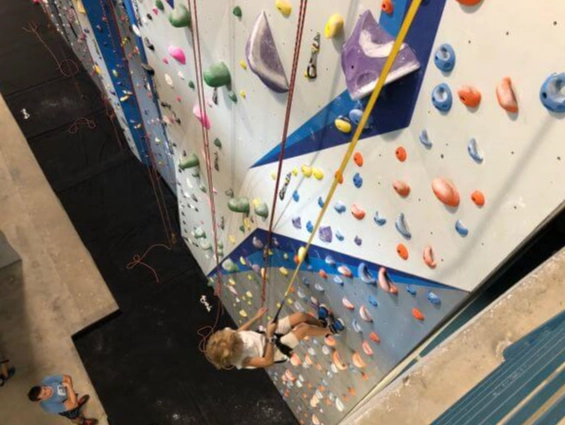
Beyond Convenience: Training Benefits You Can't Get With a Partner
Sure, climbing alone is the obvious perk. But as a training tool, auto belays are underrated. They offer a consistency and focus that even the best human belayer can't match.
Perfect for Endurance Intervals: Want to do 4x4s (climbing four routes back-to-back)? On an auto belay, you can. The descent is fast and consistent. You can precisely time your rest intervals. You can lap the same route ten times to drill the moves without asking a partner to belay you on the same boring climb.
Mental Training & Fear Management: This is the big one. Fear of falling holds back many climbers. On an auto belay, you have complete control. You can practice letting go from progressively higher points. You learn what a proper, controlled catch feels like without worrying about your partner's belay skills. It builds trust in the safety system, which translates directly to confidence on ropes with a partner.
Technique Drills: Try silent feet drills, hover hands, or perfect repeat practice. The ability to instantly reset and try a sequence again is a game-changer for skill acquisition.
What to Look for in a Gym's Auto Belay Setup
Not all auto belay installations are equal. When choosing a gym or evaluating your current one, here are specific points to check:
- Wall Clearance: Is there a clear "landing zone" free of benches, other climbers, or protruding walls? A good gym will have this area marked.
- Maintenance Logs: Reputable gyms often have a public log showing the last inspection date for each device. Don't be shy to ask about their inspection schedule. The UIAA and manufacturers provide guidelines that serious gyms follow.
- Staff Training: Do staff actively monitor the area and correct unsafe behavior (like improper clipping)? This shows a culture of safety.
- Route Variety: Are the auto belays only on easy, vertical walls, or do they service overhanging terrain too? Overhangs are where you really feel the smoothness (or jerkiness) of a device.
My local gym has six auto belays. Two are on a 50-degree overhang, which is fantastic for power endurance training. The variety makes a huge difference in my training week.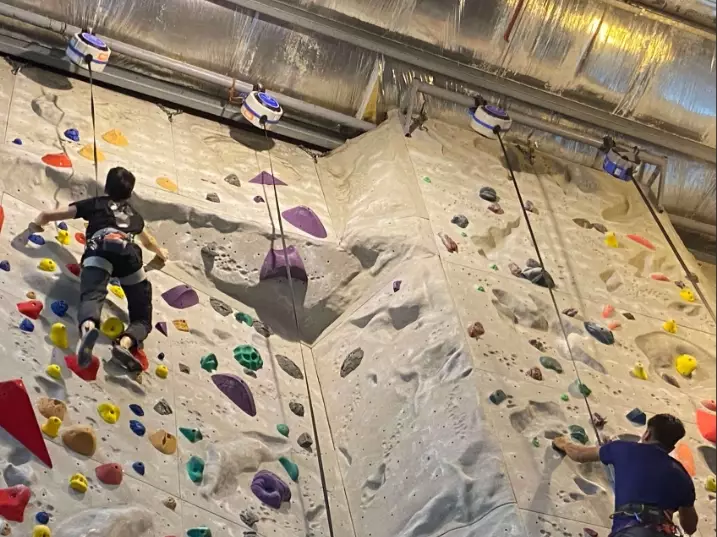
Your Auto Belay Questions, Answered
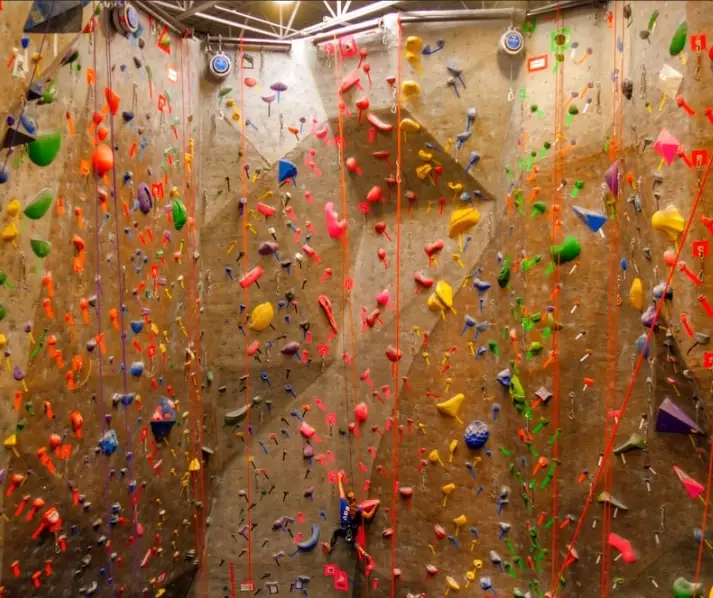 The descent feels faster than my partner lowering me. Is that normal?
 Auto belays have moved from a niche novelty to a core part of the modern climbing gym. They solve the partner problem, yes, but their real value is in the quality of solo training they enable and the unique way they build confidence. Next time you're at the gym, give one a try. Do the checks, trust the process, and you might just find your most productive training sessions happen when you're up there alone.