Let's cut to the chase. You're here because you want a straight answer on the safest way to make your tap, well, or rainwater safe to drink. Maybe there's a boil-water advisory, you're prepping for an emergency, or you just don't trust what's coming out of the faucet. The internet is full of opinions, but safety isn't about opinion—it's about what reliably destroys pathogens and removes harmful chemicals. After years of testing methods in both controlled settings and real-world scenarios (like during extended power outages), I've found that the answer isn't a single magic bullet. The safest home water purification method is a multi-barrier approach, typically combining mechanical filtration with a final disinfection step. But to understand why, we need to break down what "safe" really means and pit the main contenders against each other.
What You'll Find in This Guide
What Does "Safe" Drinking Water Actually Mean?
Most people think safe water just means no germs. That's only half the story. True safety addresses two broad categories of contaminants:
Biological Contaminants: Bacteria (E. coli, Salmonella), viruses (Norovirus, Hepatitis A), and protozoa (Giardia, Cryptosporidium). These cause immediate illness.
Chemical/Physical Contaminants: Heavy metals (lead, arsenic), pesticides, pharmaceuticals, nitrates, and sediment. These pose long-term health risks.
The gold standard for safety, like the U.S. Environmental Protection Agency (EPA) sets, requires removing or inactivating 99.9999% of bacteria, 99.99% of viruses, and 99.9% of protozoa, while also reducing chemical contaminants to below maximum allowable levels. A method that only kills bacteria but leaves lead behind is not fully safe. This two-pronged threat is why a single method often falls short.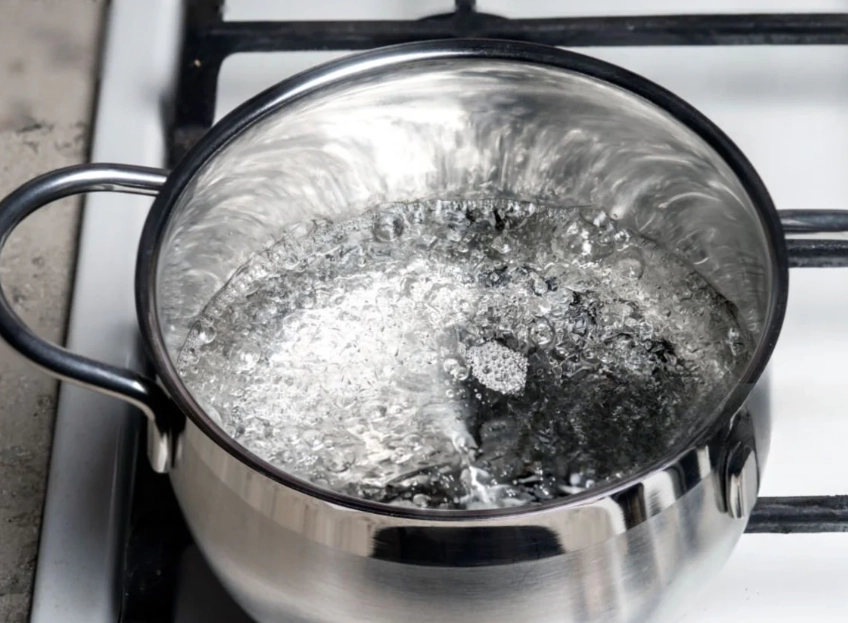
Top Contenders for the Safest Home Purification
Let's evaluate the most common methods through the lens of comprehensive safety. I'm not just listing features; I'm telling you where each one can silently fail.
1. Boiling: The Classic, But With a Critical Gap
Bringing water to a rolling boil for 1 minute (3 minutes at high altitudes) is phenomenal at killing pathogens. It's virtually 100% effective against bacteria, viruses, and protozoa. I've relied on it during camping trips and outages. But here's the massive caveat everyone forgets: Boiling does nothing for chemical contaminants. In fact, it can concentrate them by evaporating the water away. If your water has lead, pesticides, or nitrates, boiling gives you a false sense of security. It's a top-tier disinfectant but a zero-tier chemical purifier.
Where It Excels
- Unbeatable for biological safety when done correctly.
- Requires no special equipment, just heat.
- Universally understood and recommended by health agencies.
Where It Falls Short
- Zero removal of chemicals, heavy metals, or toxins.
- Impractical for large volumes daily.
- Alters water taste (flat), requires cooling time.
2. Filtration (Pitcher, Faucet, Under-Sink, & Reverse Osmosis)
This is where most people live. Not all filters are equal. Their safety depends entirely on the pore size and technology.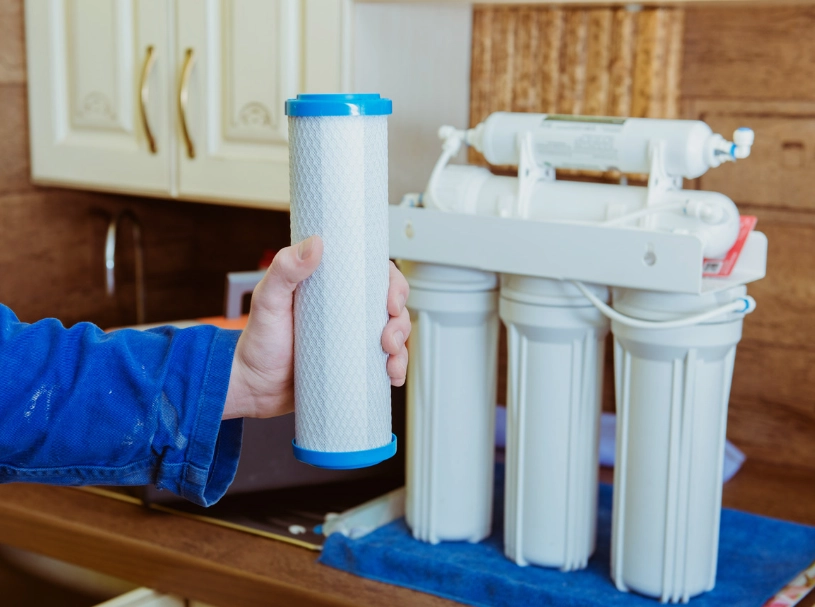
- Activated Carbon Filters (Brita-style pitchers): Great for improving taste and smell, reducing chlorine, and catching some chemicals. Most do NOT remove bacteria or viruses. They are not a safety net for biological threats unless specifically certified for it.
- Ceramic & Microfiltration Filters (e.g., Berkey, some gravity systems): With pores around 0.2-1.0 microns, they physically block bacteria and protozoa. Good for camping. Many, however, do not remove viruses, which are smaller. You must check the specific model's claims.
- Reverse Osmosis (RO): The heavy hitter. RO forces water through a semi-permeable membrane, removing a vast array of contaminants—bacteria, viruses, protozoa, heavy metals (lead, arsenic), nitrates, fluoride. It's one of the most comprehensive methods. The downside? It wastes water, requires installation, and removes beneficial minerals, which some argue is a drawback (though you get minerals from food).
3. Distillation
Distillation boils water, captures the steam, and condenses it back into liquid, leaving nearly all contaminants behind. It's highly effective against both biological and chemical threats, similar to RO. In my own tests with a countertop distiller, it produced remarkably pure water. The process is slow (takes hours for a gallon), uses significant electricity, and, like RO, produces demineralized water. For guaranteed purity against a wide spectrum of unknowns, it's hard to beat, but it's not convenient for whole-house use.
4. Ultraviolet (UV) Light Purifiers
UV systems expose water to germicidal UV-C light, scrambling the DNA of bacteria, viruses, and protozoa, rendering them harmless. It's a brilliant, chemical-free disinfectant. But—and this is a huge but—UV light does not filter out anything. If your water is cloudy or has particles, shadows can protect microbes. It doesn't remove chemicals or heavy metals. UV is an excellent final disinfectant after the water has been pre-filtered to be clear. Using it alone on questionable water is a risk.
5. Chemical Treatment (Chlorine, Iodine, Chlorine Dioxide)
Drops or tablets are staples in emergency kits. They're lightweight and effective against most pathogens when used as directed. Chlorine dioxide is generally better than iodine or plain chlorine (tastes better, more effective against Crypto). However, they require correct dosing and contact time (often 30+ minutes). They do little to nothing for chemical contaminants and can leave an unpleasant taste. Safety here is dependent on user precision.
Head-to-Head Safety & Effectiveness Comparison
Let's put this in a table to see how they stack up across key safety metrics. This isn't about good/bad, but about matching the method to the threat.
| Method | Bacteria/Viruses/Protozoa | Chemicals/Heavy Metals | Best Use Case & Safety Note |
|---|---|---|---|
| Boiling | Excellent (when boiled 1+ min) | Poor (No removal) | Emergency biological disinfection. Unsafe if chemical contamination is suspected. |
| Activated Carbon Filter | Poor (unless certified) | Good (for specific chemicals/taste) | Improving taste of municipally treated water. Not for biologically unsafe water. |
| Ceramic/Microfiltration | Good (Bacteria/Protozoa). Variable for viruses. | Fair to Poor | Camping, remote areas with clear water. Check certification for virus claims. |
| Reverse Osmosis (RO) | Excellent | Excellent | Safest all-around for unknown or broad contamination. Addresses both biological and chemical threats. |
| Distillation | Excellent | Excellent | Maximum purity guarantee. Excellent for small volumes when absolute safety is the only priority. |
| UV Light Purifier | Excellent (on CLEAR water) | Poor (No removal) | Final disinfection step in a multi-barrier system. Risky as a standalone method. |
| Chemical Drops/Tablets | Good (with correct use) | Poor (No removal) | Lightweight emergency/disaster kit use. Requires strict adherence to instructions. |
The Pattern You Can't Ignore: Methods strong against germs (Boiling, UV, Chemicals) are weak against chemicals. Methods strong against chemicals (RO, Distillation, some filters) may have gaps or require pre-filtration for optimal biological safety. This is the core argument for a layered approach.
The Verdict: Building Your Safest System
So, what is the single safest method? If I had to pick one for overall, set-it-and-forget-it safety against the widest range of threats, I'd lean towards a properly maintained Reverse Osmosis system with a post-filter. It systematically addresses both major contaminant categories.
But the truly safest strategy is a multi-barrier system. This mimics how municipal water plants work. For example:
- Scenario A (Comprehensive Home): Sediment Pre-filter → Activated Carbon Filter → Reverse Osmosis Membrane → UV Light Disinfection. This tackles particles, chemicals, then microbes, with a final UV zap for anything that might slip through.
- Scenario B (Emergency/Portable): Cloth or Ceramic Pre-filter (to remove sediment) → Chemical Dioxide Tablets or Boiling. The pre-filtration ensures the chemical or heat can work effectively.
This layered approach provides redundancy. If one barrier has a slight weakness, the next one catches it.
Common Mistakes That Compromise Safety
I've seen people do everything "right" but still get it wrong. Here are subtle errors:
Filter Neglect: Using a filter cartridge 6 months past its change date. It becomes a bacterial breeding ground, making your water worse. Follow manufacturer schedules rigidly.
UV on Murky Water: Plopping a UV wand into a cloudy pond. The particles shield microbes. Always pre-filter to clarity.
Under-Boiling: Seeing bubbles and turning off the heat. You need a vigorous, rolling boil for a full minute.
Assuming All Filters Are Equal: Buying a cheap pitcher filter and thinking it makes creek water safe. Look for independent certifications from NSF International for the specific contaminants you're worried about (e.g., NSF 53 for health effects, NSF 58 for RO).
Your Water Safety Questions, Answered
From a microbial standpoint, yes, if boiled correctly. From a comprehensive safety standpoint, no. Boiling does not remove chemical pollutants like lead, pesticides, or nitrates. If your water source has chemical contamination, boiling alone is insufficient and potentially dangerous as it can increase chemical concentration.
The safest low-cost method for large volumes is a two-step process. First, let sediment settle and pre-filter through a clean cloth, coffee filter, or commercial sediment filter. Then, disinfect using boiling (most reliable) or chlorine dioxide tablets (following package directions exactly). This combination addresses particles and pathogens effectively. Storing a bottle of unscented household bleach (for emergency disinfection following EPA guidelines) is also a wise, inexpensive prep.
A properly functioning RO membrane should remove bacteria and viruses. The vulnerability point is the storage tank. Stagnant water in a tank can allow bacterial re-growth. Many RO systems include a post-carbon filter, but adding an in-line UV sterilizer after the tank is the gold standard to ensure the water coming out of your faucet is microbiologically sterile. It's the final safety net.
They can improve the clarity and taste of water and remove some larger pathogens and chemicals, but I would never classify a homemade filter as "safe" for drinking without a final, rigorous disinfection step (boiling, chemical). Their performance is inconsistent and unverifiable. In a true survival situation, they are better than nothing for pre-filtration, but you must follow it with a trusted disinfection method. Relying on them alone is a significant health risk.
Start with your water provider's Annual Consumer Confidence Report (CCR). It lists detected contaminants. For well water or specific concerns, use a certified laboratory. Don't rely solely on cheap home test strips; they are often inaccurate. Test for coliform bacteria, nitrates, pH, and lead as a baseline. The EPA's Safe Drinking Water Hotline and website can help you find state-certified labs. Knowing your enemy (the specific contaminants) is the first step in choosing the right, safest purification method.