So you're searching for the best method to purify water. I get it. You've got a camping trip coming up, or maybe you're worried about tap water safety, or perhaps you're just being smart and preparing for an emergency. The problem is, most articles give you a generic list and call it a day. They don't tell you the messy truth: there is no single "best" method. The winner depends entirely on your situation—where you are, what's in your water, and what you need the water for. After a decade of testing gear in the backcountry and dealing with questionable water sources from mountain streams to hotel taps in developing countries, I've learned that the real answer is about matching the tool to the threat. Let's cut through the noise.
What's Inside This Guide
How to Define "Best" for Water Purification
Before we compare techniques, we need to agree on the scorecard. When I say "best," I'm weighing a few critical factors that most beginners overlook.
Effectiveness Against Pathogens: This is non-negotiable. The method must reliably remove or kill the big three: bacteria (like E. coli), viruses (like norovirus, hepatitis A), and protozoa (like Giardia, Cryptosporidium). A method that only handles one or two is a gamble.
Speed and Convenience: Are you purifying a liter for a quick drink on the trail, or 20 gallons for your family at home? Boiling a cup is fast; boiling a bathtub is not. Time and effort matter.
Cost and Accessibility: Can you do it with items already in your kitchen, or do you need a $300 gadget? In a true emergency, your options shrink fast.
Impact on Water Taste: This seems minor until you've tried to drink iodine-treated water for a week. Some methods leave a chemical aftertaste or make water taste flat.
Removal of Chemicals and Heavy Metals: Most basic methods don't touch pesticides, industrial chemicals, or lead. If your concern is a contaminated city supply or agricultural runoff, you need a specific tool for that job.
With that framework, let's look at the contenders.
The Five Core Water Purification Methods Explained
1. Boiling: The Gold Standard (With a Caveat)
Bringing water to a rolling boil is the method recommended by the CDC when it's possible. It kills all pathogens—bacteria, viruses, protozoa. It's simple, requires no special equipment, and is highly reliable.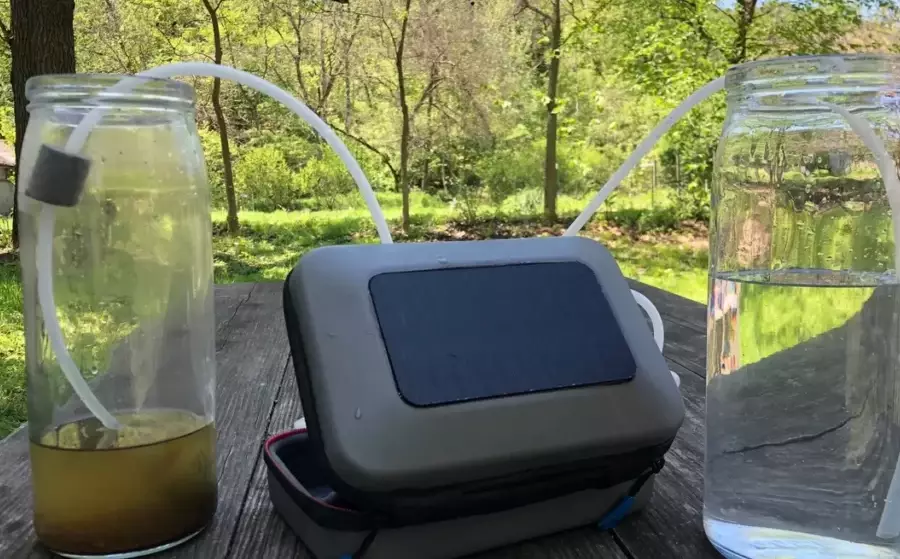
But here's the catch everyone misses: It's not just "bring to a boil." The official guidance is a rolling boil for 1 minute. At altitudes above 6,500 feet (2,000 meters), you need to boil for 3 minutes because water boils at a lower temperature. I've seen people turn off the heat as soon as bubbles appear, which isn't enough.
Major downsides? It uses fuel or energy, it doesn't remove dirt or chemicals, it requires a heat source and a pot, and you have to wait for it to cool. For treating large quantities, it's impractical.
2. Filtration: The Workhorse for Particulates
Water filters work by physically blocking contaminants. They're fantastic for cloudy water full of sediment, dirt, and protozoan cysts like Giardia. A good backpacking filter with a 0.2 or 0.3 micron absolute pore size will catch almost all bacteria and protozoa.
The critical limitation? Most standard filters do NOT remove viruses, which are much smaller. For virus removal, you need a filter certified to an "absolute" pore size of 0.01 microns or one that incorporates a chemical treatment stage. Look for certifications like NSF Protocol P231 or EPA Guide Standard for viruses.
Filters also clog, can freeze and break (if they have a hollow fiber membrane), and require maintenance. But for fast, great-tasting water from a clear mountain stream, they're my go-to.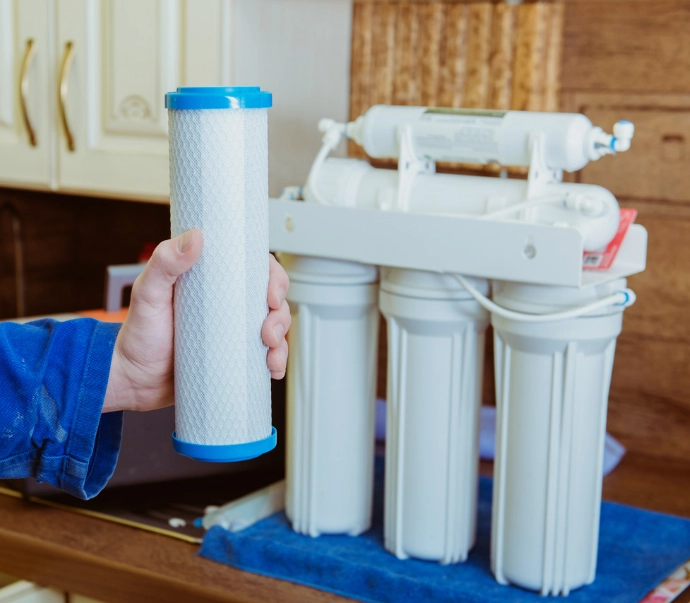
3. Chemical Treatment (Chlorine Dioxide & Iodine): Lightweight but Slow
Drops or tablets are the ultimate in portability and weight savings. They're my backup on every trip. Chlorine dioxide (like Aquamira or Potable Aqua) is generally superior to iodine—it's better against Cryptosporidium, and it tastes less bad.
Pro Tip: The biggest mistake with chemical treatment is not waiting long enough. The "contact time" listed on the bottle (often 30 minutes) is for clear, warm water. If the water is cold or dirty, you need to double or even quadruple that time. In icy alpine water, I let it sit for 4 hours if using tablets.
Chemicals are slow, they leave a taste, and they do nothing for sediment or chemical pollutants. But for an emergency kit or an ultralight backpacking trip where weight is everything, they're invaluable.
4. Ultraviolet (UV) Light: High-Tech and Fast
Devices like the SteriPEN zap microorganisms with UV-C light, damaging their DNA so they can't reproduce. It's incredibly fast—90 seconds for a liter—and leaves no taste.
The drawbacks are significant. The water must be clear. If it's cloudy, the UV rays can't penetrate. It requires batteries or a power source. The lamp bulb is fragile. And, crucially, it provides zero residual protection. Once you treat it, if the water gets re-contaminated, you're out of luck. It's a great tool for a solo traveler with access to clear water and rechargeable batteries.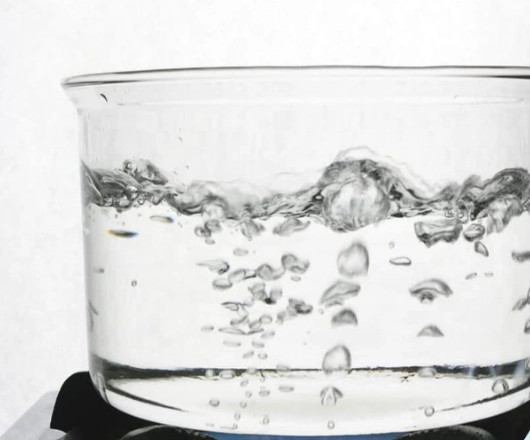
5. Distillation: The Heavy Lifter for Everything
Distillation involves boiling water and collecting the condensed steam. It removes pathogens, heavy metals, salts (making it the only reliable way to purify seawater), and most chemicals. It's the most comprehensive method.
It's also the most cumbersome. It's energy-intensive, very slow, and produces relatively small amounts of water. You'll find distillation in survival guides and for specific industrial or medical uses, but it's not a practical everyday or backpacking solution for most people.
The Scenario Showdown: Which Method Wins Where?
This is where the rubber meets the road. Let's match the method to the real-world need.
| Your Situation | Primary Threat | Top Method Choice | Why It's Best Here |
|---|---|---|---|
| Backpacking in North American mountains | Giardia, bacteria from animal waste | Water Filter (0.2 micron) | Fast, good-tasting water. Viruses are rarely the main concern in remote wilderness. Removes sediment. |
| International travel to areas with poor sanitation | Viruses (hepatitis, rotavirus), bacteria | Boiling OR Chlorine Dioxide | You need virus protection. Boiling is surefire if you have a kitchen. Chlorine dioxide tablets are portable for hotels/restaurants. |
| Emergency preparedness at home | Uncertainty, system failure | Combination: Filter + Chemical | A filter handles sediment and protozoa from a murky source. A chemical backup (bleach or tablets) ensures virus kill and has a long shelf life. |
| Everyday improvement of municipal tap water | Taste, chlorine, potential lead/chemicals | Activated Carbon Filter (pitcher or faucet) | Specifically designed to improve taste and reduce certain chemicals. Not for biological threats (tap water is already disinfected). |
| Ultralight hiking or as a backup | All pathogens, weight is critical | Chemical Tablets (Chlorine Dioxide) | Weighs almost nothing. Perfect as a secondary system if your filter fails. |
See? The "best" shifts. For my typical three-day Sierra Nevada hike, I pack a Sawyer Squeeze filter. For a trek in Nepal, I'd add chlorine dioxide tablets. For my home emergency kit, I have both a Big Berkey gravity filter (with optional virus-filtering candles) and a bottle of plain, unscented household bleach.
The Devil in the Details: A Deep Dive on Chemical Treatment
Since chemical treatment is so common yet so misunderstood, let's get granular. Using household bleach is a classic emergency technique from FEMA and the Red Cross. But the instructions online are often wrong.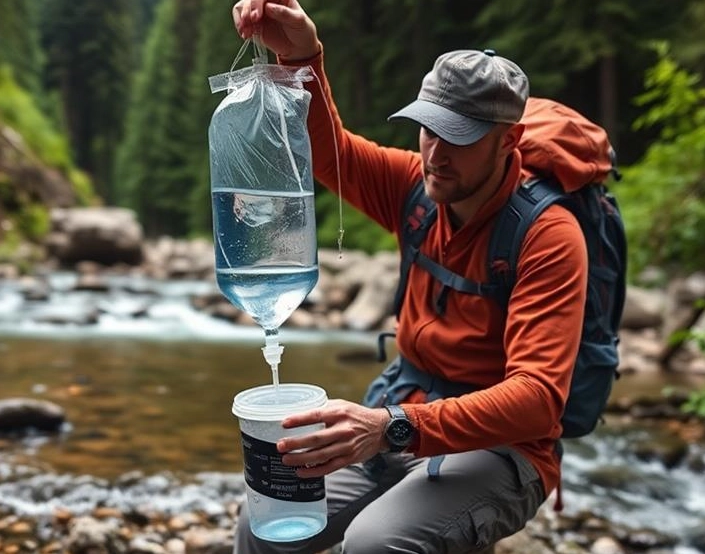
The Correct Bleach Method: Use only plain, unscented liquid household chlorine bleach. The concentration is usually 5-6% sodium hypochlorite. If it's older than 6 months, its strength may be reduced.
- For clear water: Add 8 drops (about 1/8 teaspoon) of bleach per gallon of water.
- For cloudy water: Double it to 16 drops per gallon.
- Stir well and wait 30 minutes. You should smell a slight chlorine odor. If not, repeat the dose and wait another 15 minutes.
The subtle error? People use scented bleach, splash bleach, or bleach with additives. These can add toxic chemicals to your water. They also often use too little, especially for cold water. In winter conditions, that 30-minute wait should be more like an hour.
Your Water Purification Questions, Answered
Is boiled water 100% safe to drink?
From a biological standpoint, if boiled correctly (rolling boil for 1+ minute), yes, it kills all dangerous microbes. However, boiling concentrates any non-volatile chemicals, heavy metals, or salts that were in the water. If your source is contaminated with lead or pesticides, boiling makes that problem slightly worse, not better.
What's the fastest method to purify water in a survival situation?
If you have a fire and a container, boiling is the fastest way to get a small amount of biologically safe water. The actual boiling time is short, but building a fire and waiting for it to cool adds time. A UV pen is faster if you have clear water and charged batteries. For immediate needs with unknown safety, the risk of dehydration often outweighs the low risk from clear, fast-moving wilderness water—but that's a calculated risk I've taken, not medical advice.
Do water filters remove viruses?
Most common backpacking filters (Sawyer, Katadyn BeFree, pump filters) do not remove viruses due to their pore size. To remove viruses with a filter, you need a specific model. Some, like the MSR Guardian or Survivor Filter Pro, are built to EPA virus-removal standards. Others use a combination of filter and built-in chemical matrix. Always check the manufacturer's specs for "virus removal" claims and look for independent certifications.
How long does purified water stay safe?
This depends on the method and storage. Boiled or disinfected water stored in a clean, sealed container in a cool, dark place can be safe for months. The bigger risk is re-contamination from dirty hands, the container lid, or airborne germs. Filtered water has no residual protection, so it can be re-contaminated immediately. For long-term storage, treated water should be rotated every 6-12 months. I date my emergency water jugs with a marker.
Can I just use a life straw or similar straw filter?
LifeStraw-type personal filters are great for drinking directly from a source. They protect you in the moment. The huge limitation is you can't use them to purify water for cooking, filling a bottle, or for someone else. They are a personal, on-demand solution, not a group or camp water purification system. I carry one as an absolute last-resort backup, not as my primary plan.
The quest for the single best water purification method is a red herring. The real skill is building a layered approach. For my main outdoor adventures, I rely on a quality filter. In my travel bag, I have chlorine dioxide tablets. In my home, I have a countertop filter for taste and a plan for boiling or bleach if the grid goes down. Understand what each method does and doesn't do, match it to your specific threat, and you'll always have a safe drink. That's the true best practice.