I remember my first time at a climbing gym. I saw people clinging to tiny plastic holds, muscles rippling, and I thought, "My arms will never do that." I jumped on the wall anyway, pumped out my forearms in three minutes, and came down frustrated. Sound familiar? The truth is, rock climbing is a full-body puzzle that demands specific strength most of us don't develop in daily life. But here's the good news: you don't need to be a superhero to start. You just need the right preparation. This guide isn't about turning you into an Olympian overnight. It's about giving you a set of practical, safe rock climbing exercises for beginners that build the foundational strength, technique, and confidence to walk into a gym or onto a crag and actually enjoy it.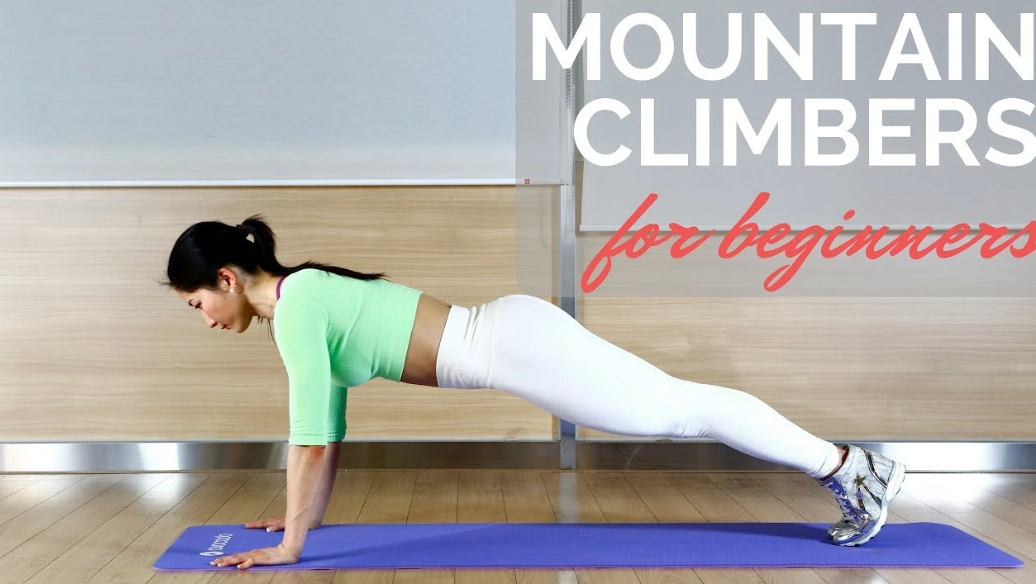
Your Quick Climbing Prep Guide
How to Structure Your First Climbing Workout
Let's be honest, just doing random pull-ups won't cut it. Climbing uses a unique chain of muscles. A smart beginner climbing workout balances four things: warming up the right joints, building climbing-specific strength, practicing movement, and cooling down to prevent injury. Aim for 2-3 non-consecutive days per week.
Here’s a sample 45-minute session you can do at home or in a regular gym:
| Phase | Focus | Example Exercises | Duration/Reps |
|---|---|---|---|
| Warm-Up & Mobility | Increase blood flow, lubricate joints (shoulders, wrists, hips). | Arm circles, wrist rolls, cat-cow stretches, leg swings. | 5-7 minutes |
| Strength & Conditioning | Build foundational climbing muscles. | Dead hangs, scapular pull-ups, planks, bodyweight squats. | 20-25 minutes |
| Technique & Skill | Practice movement patterns off the wall. | Silent foot placements, hip twisting drills (flagging). | 10 minutes |
| Cool Down & Prehab | Prevent overuse injuries, aid recovery. | Forearm stretches, finger extensor work, shoulder stretches. | 5 minutes |
The most neglected part? The cool down. Your fingers and forearms take a beating. Spending five minutes stretching them and doing opposing muscle work (like opening your hand against a rubber band) is crucial for long-term health.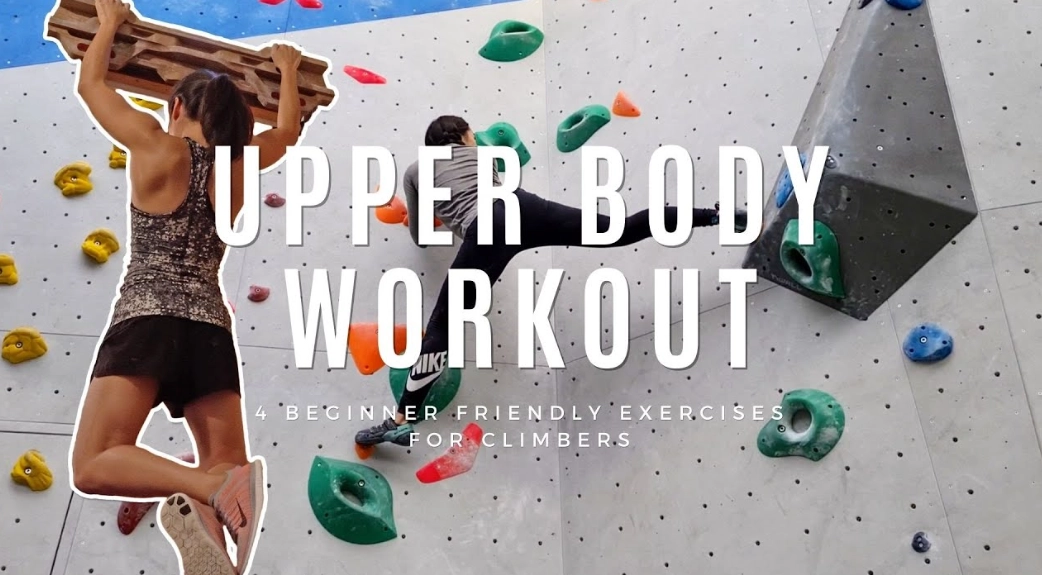
Essential Finger and Grip Strength Exercises
Your fingers are your primary connection to the wall. But beginner finger training isn't about crushing tiny edges. It's about building tendon resilience and learning to use different grip types.
Finger and Forearm Prehab (Do This First)
Before you even hang, do this daily: Rice Bucket Digs. Fill a bucket with uncooked rice. Dig your hands in, open and close your fists, make circles. It builds supportive forearm muscles and warms up the tendons. It's boring, but it works.
Three Safe Beginner Grip Exercises
1. The Dead Hang (Open Hand Grip): Find a sturdy pull-up bar or the juggiest hold at the gym. Use an open-hand grip (fingers more straight than curled). Hang with arms straight, shoulders engaged down your back. Goal: 3 sets of 20-30 seconds. This builds basic endurance.
2. Towel Pull-Ups (Pinch & Crush Grip): Drape a towel over the bar. Grab each end and try a pull-up or just a dead hang. This mimics the varied friction of rock and builds pinch/crush strength.
3. Door Frame Pulls (Sloper Simulation): Stand in a doorway, place the palms of your hands high on the frame. Lean back and try to pull yourself upright using friction. This teaches you to engage your core and use body tension, similar to holding a sloper (a round, featureless hold).
Core and Full-Body Power for Beginners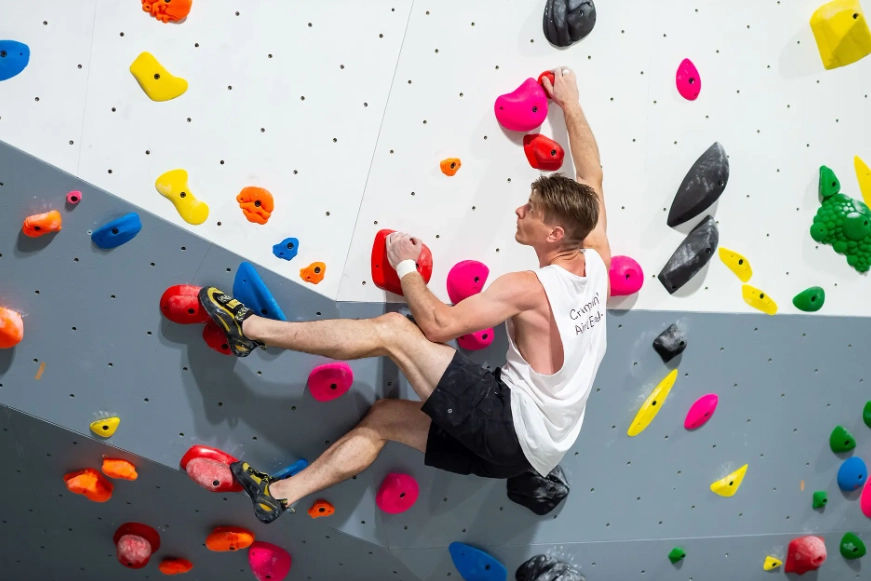
Climbing is more legs and core than you think. A strong core keeps you close to the wall, letting your legs do the work. A weak core makes you barn-door off every move.
The Beginner's Core Trio:
- Hollow Body Hold: Lie on your back, press your lower back into the floor, lift shoulders and legs off the ground. Hold. This is the fundamental climbing body position. Start with 3 sets of 15 seconds.
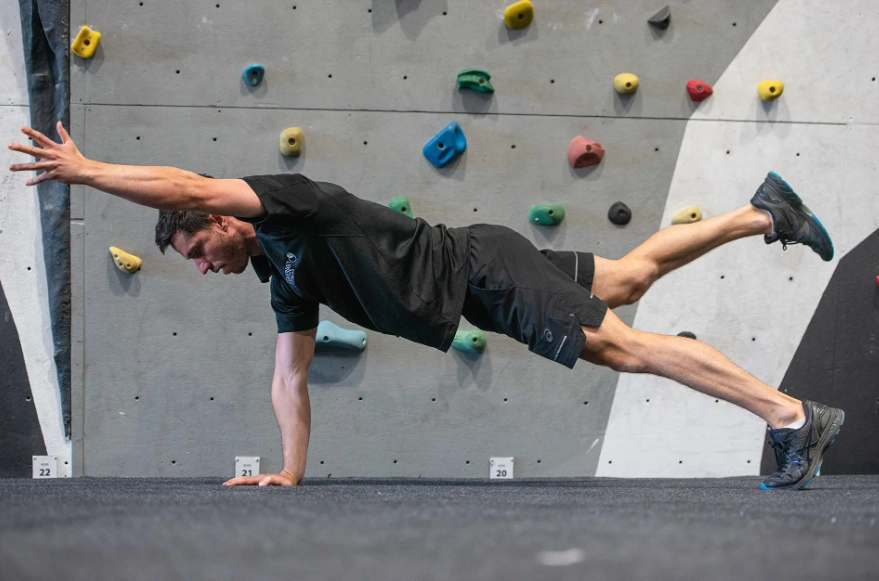
- Plank with Leg Lift: In a forearm plank, slowly lift one leg a few inches. Hold for 5 seconds, switch. This mimics the instability of reaching for a foothold.
- Bodyweight Squats on Toes: Do a squat, but stay on the balls of your feet the whole time. This builds the calf and ankle stability needed for standing on small footholds.
For pulling power, forget maxing out pull-ups. Focus on scapular pull-ups. Hang from a bar, and without bending your elbows, pull your shoulder blades down and together. This engages the crucial back muscles that initiate every pull in climbing. Do 3 sets of 10-15 reps.
The Secret Sauce: Technique and Mindset Drills
Strength gets you on the wall, but technique lets you stay there. You can practice this without a wall.
The Silent Foot Drill: Find a line on the floor or a low bench. Practice placing your foot precisely on it, making zero sound. Imagine a tiny hold. This builds foot awareness—the #1 skill separating beginners from intermediates.
Hip Mobility and Flagging: Stand next to a wall. Reach your right hand up high, then swing your left leg out behind you to the right, like a kickstand. Feel your hips twist. This "flagging" move counterbalances your weight and is a fundamental climbing move. Practice both sides.
Mindset is physical too. Practice box breathing (4 sec inhale, 4 sec hold, 4 sec exhale, 4 sec hold) when you feel pumped. It conserves energy and calms the fear response.
What Are the Most Common Beginner Mistakes in Climbing Training?
After coaching newcomers for years, I see the same patterns.
Mistake 1: Over-gripping. You crush every hold like you're trying to kill it. It burns your forearms fast. The fix: Consciously relax your grip between moves. Trust your feet.
Mistake 2: Ignoring footwork. You stare at your hands and let your feet slap around. The wall is climbed with the eyes first, then the feet, then the hands. Look at the next foothold before you move.
Mistake 3: Training like a bodybuilder. Isolating biceps and chest with heavy weights does little for climbing. Focus on compound, body-tension exercises like those listed above.
Mistake 4: Skipping rest. Climbing is hard on connective tissue. Take at least one full rest day between intense training or climbing sessions. More is not better at the start.
Your Climbing Training Questions, Answered
 I'm scared of falling. Are there any exercises that can help before I even get on a rope?