You've dialed in your footwork, built finger strength, and perfected your beta. But if you're ignoring what you put in your body, you're leaving sends on the table. Climbing nutrition isn't about restrictive diets or magic supplements; it's the practical science of fueling intermittent bursts of power, sustaining endurance on long routes, and recovering so you can do it all again tomorrow. Let's cut through the noise and talk about what actually works.
Your Quick Route to Better Climbing Fuel
Macronutrients for Climbers: The Building Blocks
Think of your body as a high-performance vehicle. You wouldn't put low-grade fuel in a race car. For climbers, the three macronutrients—carbs, protein, and fat—play distinct, non-negotiable roles.
Carbohydrates: Your Immediate Energy Source
This is your go-to fuel for the wall. During intense climbing, your body primarily burns glycogen, which comes from carbs. A common mistake is under-eating carbs because you're not running marathons. But a hard bouldering session or a pumpy sport route is glycolytic—it burns through sugar stores fast.
Focus on complex carbs for sustained energy: oats, sweet potatoes, quinoa, brown rice, and whole-grain bread. Save simple carbs (fruit, honey, sports drinks) for immediately before, during, or after climbing for a quick energy spike and rapid replenishment.
Pro Tip: Don't fear fruit. A banana 30 minutes before climbing isn't just an old wives' tale. It provides easily digestible potassium (helps prevent cramps) and fructose for quick energy without weighing you down.
Protein: The Repair Crew
Climbing is a destructive activity on a micro-scale. You create tiny tears in your muscles. Protein provides the amino acids to repair and strengthen those fibers. Sufficient protein is critical for recovery and preventing injury. Aim for a source with every meal, especially post-climb.
Good sources: chicken, fish, eggs, Greek yogurt, lentils, tofu, and protein powders (whey or plant-based). The timing matters less than your total daily intake, but getting 20-30 grams within an hour or two after climbing can kickstart recovery.
Fats: The Long-Burn Furnace
Fats are for sustained energy, hormone production, and absorbing vitamins. They're crucial for multi-pitch climbers or anyone on a long day at the crag. The key is choosing the right types.
Prioritize unsaturated fats: avocados, nuts, seeds, olive oil, and fatty fish like salmon. Limit saturated and trans fats (fried foods, processed snacks). A handful of almonds is a far better crag snack than a bag of chips.
| Macronutrient | Primary Role for Climbers | Best Timing | Go-To Food Examples |
|---|---|---|---|
| Carbohydrates | Immediate & sustained energy for muscle glycogen | Before & during climbing; post-climb for replenishment | Oats, bananas, sweet potato, whole-grain bread, dried fruit |
| Protein | Muscle repair, recovery, and strength building | Consistently throughout day, emphasis post-climb | Chicken, Greek yogurt, eggs, lentils, protein powder |
| Fats | Sustained energy, hormone function, joint health | In meals away from immediate climbing sessions | Avocado, nuts, seeds, olive oil, fatty fish |
The Climbing Nutrition Timeline: What to Eat and When
Nutrition isn't static. What you eat the day before matters as much as the bar you choke down mid-route.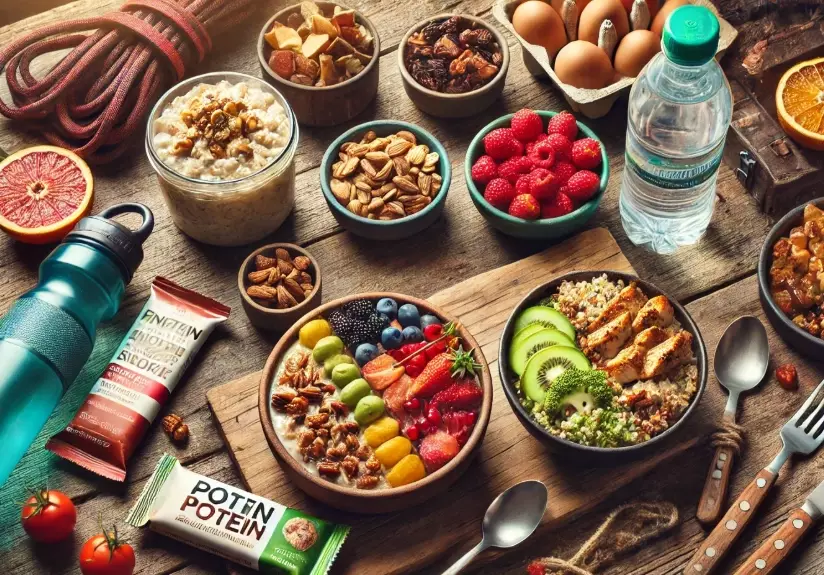
1-2 Days Before a Big Climb/Road Trip: This is "carb-loading" time, but intelligently. Increase your proportion of complex carbs at meals. Have that extra serving of rice or pasta. The goal is to top off glycogen stores in your muscles and liver. Don't just eat a huge meal the night before—it can lead to sluggishness.
2-3 Hours Before Climbing: This is your main fueling meal. Aim for a balance of complex carbs and some protein, but keep fats lower as they digest slower. A classic example: oatmeal with berries and a scoop of protein powder, or a turkey sandwich on whole grain.
30-60 Minutes Before: A small, easily digestible carb-centric snack. A banana, an applesauce pouch, a few dates, or a rice cake with jam. This gives your blood sugar a little bump right as you start.
During Climbing: For sessions under 90 minutes, water is usually enough. For longer days, sport climbing sessions, or multi-pitches, you need to refuel on the go. The goal is simple sugars that are easy to eat and digest. Think energy gels, chews, dried fruit, or honey stinger waffles. I personally find gels too sickly sweet and prefer real food like medjool dates or a homemade rice ball.
Immediately After (The 30-60 minute "Golden Window"): This is critical. Your muscles are screaming for glycogen and amino acids. Combine fast-acting carbs with protein. A chocolate milk is a near-perfect, cheap recovery drink. A protein shake with a banana works great. Or a yogurt with fruit.
Evening Meal After Climbing: Don't neglect this. This meal continues the repair work. A balanced plate with a good protein source, complex carbs (to replenish stores for tomorrow), and veggies for micronutrients. Think grilled salmon, quinoa, and roasted broccoli.
Hydration: The Forgotten Performance Factor
Dehydration is a silent performance killer. It leads to premature fatigue, decreased grip strength, and impaired cognitive function (your beta-reading goes out the window). You can't just chug water at the crag and expect to catch up.
Start hydrating the day before. Drink water consistently throughout your climbing day. A good rule of thumb: your urine should be light straw-colored. If it's dark yellow, you're behind.
For sweaty, hot days, consider an electrolyte mix in your water. You're losing sodium and potassium through sweat, and plain water sometimes isn't enough to replenish it. This is where many climbers fail—they drink plenty but still get cramps because they've flushed their electrolytes.
Watch Out: Chugging a liter of water right before you climb can lead to sloshing, discomfort, and frequent bathroom breaks. Sip consistently instead.
Common Climbing Nutrition Mistakes (And How to Fix Them)
- Mistake 1: Climbing on Empty. You skip breakfast to get an early start. Result? You flame out after an hour. Fix: Always eat something, even if it's small. A piece of toast with peanut butter is better than nothing.
- Mistake 2: The "Crag Junk Food" Diet. Gas station snacks, candy bars, and chips. They cause energy spikes and crashes. Fix: Plan and pack your snacks. It's cheaper and far more effective.
- Mistake 3: Neglecting Post-Climb Recovery. You drive home hungry, eat a huge, greasy meal hours later. Your recovery is delayed. Fix: Pack a recovery snack in your car. Eat it before you even leave the parking lot.
- Mistake 4: Overcomplicating It. Getting lost in macro ratios and expensive supplements before mastering the basics. Fix: Focus on whole foods, consistent hydration, and proper timing first. That's 90% of the battle.
Practical Meal & Snack Ideas for Climbers
Let's get specific. Here's what this actually looks like in your fridge and lunchbox.
Pre-Climb Meals (2-3 hours before): Oatmeal with protein powder and blueberries. Scrambled eggs with spinach on whole-wheat toast. A turkey and hummus wrap with veggies.
Crag Snacks (During climbing): Homemade trail mix (nuts, seeds, dried fruit, a few dark chocolate chips). Rice cakes with almond butter and honey. Apple slices with individual peanut butter packets. Energy balls (oats, dates, nut butter, cocoa powder).
Post-Climb Recovery (Within 60 minutes): Chocolate milk. Greek yogurt with granola and berries. A protein shake blended with a banana and handful of spinach. A tuna packet with whole-grain crackers.
Evening Recovery Meal: Sheet-pan chicken with sweet potatoes and bell peppers. Lentil soup with a whole-grain roll. Stir-fried tofu or shrimp with brown rice and mixed vegetables.
Your Climbing Nutrition Questions Answered
Climbing nutrition doesn't have to be a complex puzzle. It's about understanding the basic fuel requirements of your sport and applying them with simple, real food. Start by fixing one thing: maybe it's always packing a post-climb snack, or swapping your crag chips for trail mix. Small, consistent changes in how you fuel will lead to tangible gains in your endurance, power, and recovery on the rock. Now go eat something good, and send that project.