You train for years. You save up for gear. You finally stand at the base of your dream route. But the biggest threat isn't the sheer wall above you. It's often something invisible, silent, and brutally fast. Ask any seasoned guide what keeps them up at night, and they won't just say "the fall." They'll describe a specific, terrifying sequence of events that leads to the majority of climbing fatalities. Let's cut through the general stats. The biggest cause of death to mountain climbers isn't one single thing; it's a chain of bad decisions meeting a specific, lethal hazard. But if you force a number one, data from sources like the American Alpine Club's annual accident reports and the Himalayan Database point overwhelmingly in one direction.
What You'll Learn in This Guide
The Undisputed #1 Cause: Avalanches
It's not even close. Across all mountaineering and alpine climbing, avalanches are the leading cause of death. This isn't speculation. The Colorado Avalanche Information Center (CAIC), which tracks incidents in a major US climbing hub, consistently shows slides as the top killer. In the Himalayas, while falls get attention on Everest, avalanches claim more lives across the entire range, often in shocking, multi-victim events.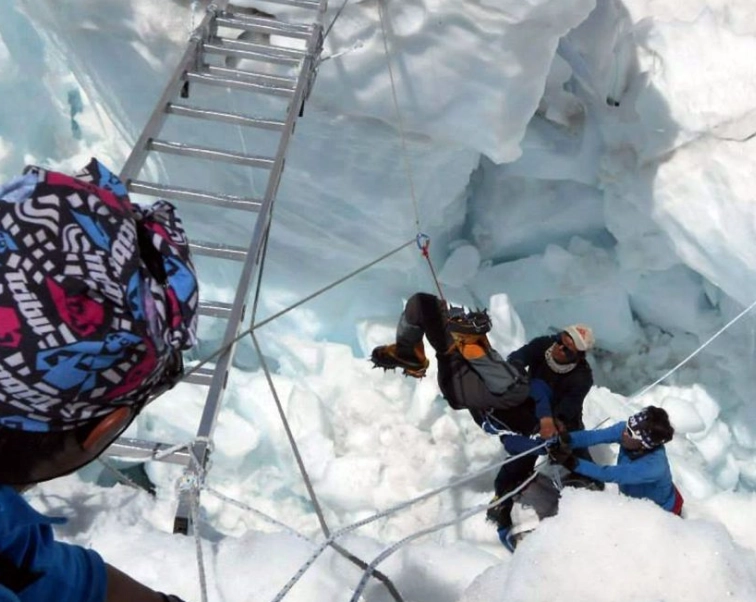
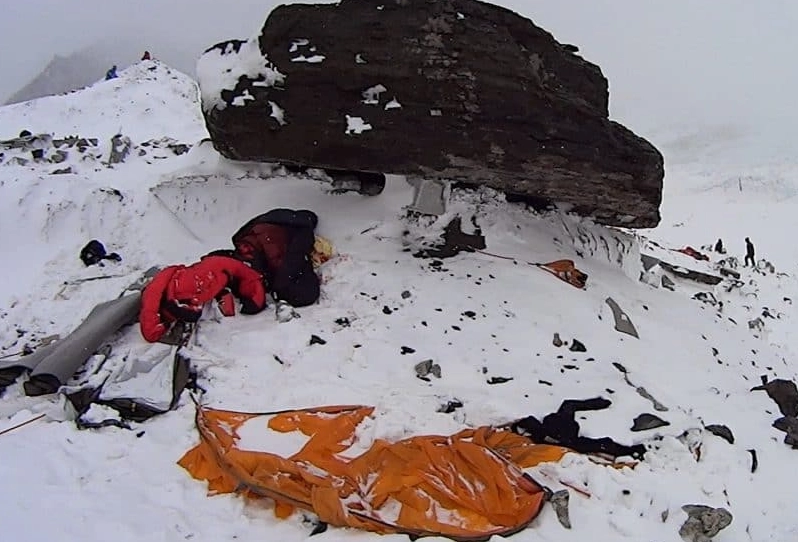
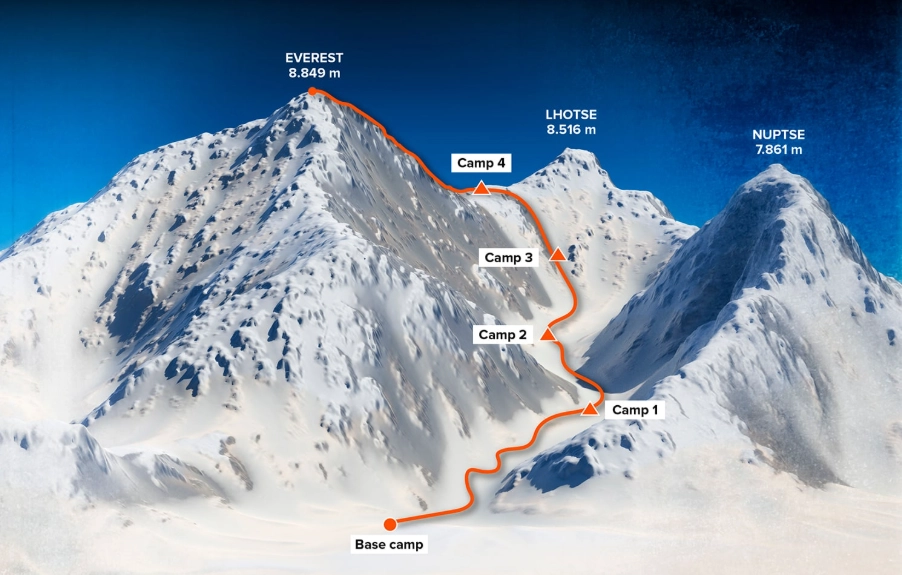
Think about the 2014 Everest avalanche on the Khumbu Icefall that killed 16 Sherpas. Or the 2015 avalanche triggered by the Nepal earthquake. These are large-scale tragedies, but the more common story is subtler. A party of two or three climbers on a seemingly stable slope in the Rockies or the Alps. They're moving fast, trying to beat the weather. They might have even checked the regional avalanche forecast, which said "Moderate."
Here's the expert nuance most miss: "Moderate" doesn't mean "safe." It means human-triggered avalanches are possible. On a "Considerable" day, they are probable. Most recreational climbers die on days with "Considerable" danger. They misinterpret the forecast as a green light if it's not "High" or "Extreme." That's a fatal error.
The Other Major Killers: A Breakdown
While avalanches lead, other hazards form a deadly portfolio. The order shifts depending on the discipline—rock climbing vs. high-altitude mountaineering—but these are the usual suspects.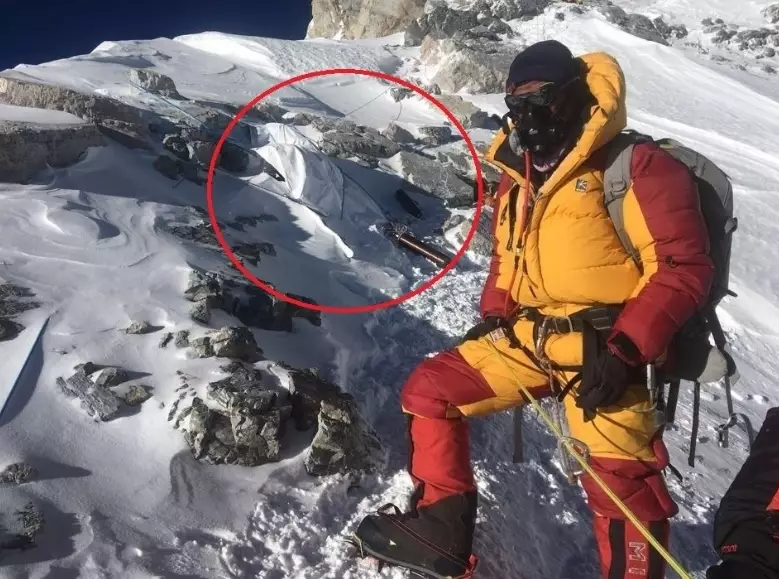
| Cause of Death | Typical Scenario | Most Relevant To | Key Prevention Focus |
|---|---|---|---|
| Falls (Technical) | Leader fall with inadequate protection; anchor failure on multi-pitch; rappel error. | Rock & Ice Climbers | Gear placement mastery, redundancy, double-checking systems. |
| Falls (Unroped) | Slip on easy but exposed terrain (e.g., a summit ridge); scrambling without realizing the commitment. | Mountaineers, Hikers | Recognizing "no-fall zones," using a rope for simple terrain, mental focus when tired. |
| High-Altitude Illness (HAPE/HACE) | Rapid ascent without acclimatization; ignoring symptoms to summit; descent too late. | High-Altitude Climbers | Gradual ascent profile, drug prophylaxis (like Diamox), willingness to descend. |
| Hypothermia & Exhaustion | Caught in unexpected storm; underestimated route time; inadequate clothing/fuel. | All Climbers | Conservative timing, carrying emergency bivy gear, constant weather reassessment. |
| Ice & Serac Fall | Collapse of ice cliffs or séracs on glacier routes; climbing under unstable ice formations. | Glacier Travelers, Alpinists | Speed through danger zones, timing travel for cold hours, identifying safe lines. |
Notice something? Except for a random serac collapse, almost all of these are mitigable. They involve a human decision: to climb that slope, to skip that piece of gear, to push higher with a headache.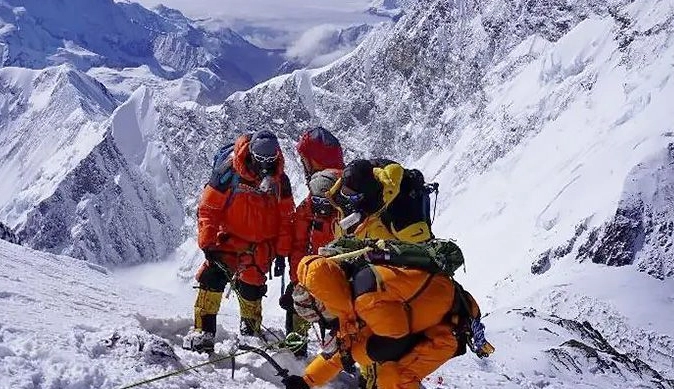
Why Avalanches Dominate the Statistics
Understanding why slides are so deadly is key to avoiding them.
They're Unforgiving
A fall on rock might be survivable with good gear. A long sliding fall on snow might result in injury. A full-depth slab avalanche? It's like being put through a concrete mixer filled with boulders. Trauma is severe. Then it buries you. The clock starts ticking, and you have minutes if you're lucky.
They Target Groups
Climbers often travel together on snow slopes. One trigger can catch an entire team. A single falling climber might only risk themselves; a collapsing slab risks everyone on it.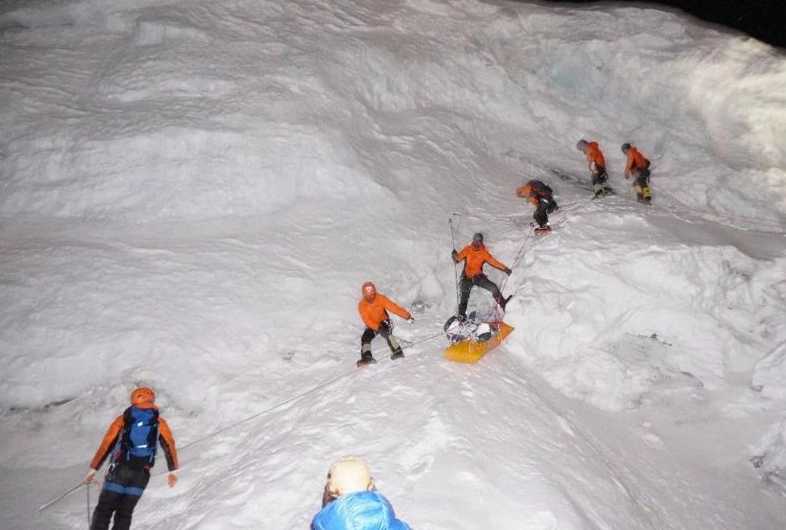
The Knowledge Gap is Huge
Many climbers are expert rock technicians but novices in snow science. They know how to place a cam but not how to identify a wind slab or perform a proper compression test. This skills disconnect is lethal.
A Practical Avalanche Defense Strategy: More Than a Beacon
Carrying a beacon, shovel, and probe is just the start. It's your last line of defense. Your first lines are decisions.
1. Forecast + Observation = Reality. Don't just read the regional forecast. Look at the actual mountain. Is wind loading snow on the lee side of the ridge you want to climb? (That's where slabs form.) Are there recent avalanche debris piles at the bottom of similar slopes? (That's a giant "NO" sign from the mountain.)
2. Terrain, Terrain, Terrain. This is the most powerful tool. Avoid avalanche terrain altogether. What does that mean?
- Stick to slopes less than 30 degrees if there's any doubt.
- Travel on ridges, not in gullies (which are natural avalanche chutes).
- Identify and avoid "terrain traps"—places where even a small slide will bury you deeply (like a creek bed or a depression at the base of a slope).
3. One at a Time. If you must cross a suspect slope, expose only one person at a time. The others watch from safe islands. It feels slow. It is slow. It also means only one person gets caught if it goes wrong.
4. Take a Course. This isn't a blog post skill. A 3-day AIARE 1 course from a provider like the American Institute for Avalanche Research and Education is the single best investment a climber who touches snow can make.
Moving Beyond the Slide: Mitigating All Risks
While we focus on the #1 killer, the mindset that avoids avalanches avoids other disasters too. It's a mindset of deliberate risk management.
For Falls: The gospel of redundancy. Two anchors, not one. A backup knot on the rappel rope. A quick-draw on the first bolt even if you can clip from a stance. It's the boring, systematic checks that save lives.
For Altitude: Your summit day plan must include a definitive, pre-agreed "turn-around time," no matter how close you are. More climbers die after 2 PM on big mountains than before it. Exhaustion, weather, and decision-fatigue set in. The mountain will be there next year.
The Common Thread: In almost every accident report, you see a phrase like "pressed on despite deteriorating conditions" or "opted not to place protection to save time." The root cause is rarely a lack of strength or skill. It's a lapse in judgment, often fueled by summit fever, schedules, or group dynamics.
So, what is the biggest cause of death to mountain climbers? Statistically, it's avalanches. Philosophically, it's the failure to match ambition with a deep, humble respect for the mountain's specific, ever-changing hazards. The rock doesn't care about your summit photo. The snowpack doesn't know about your vacation timeline. Your survival depends on understanding that, and acting accordingly.