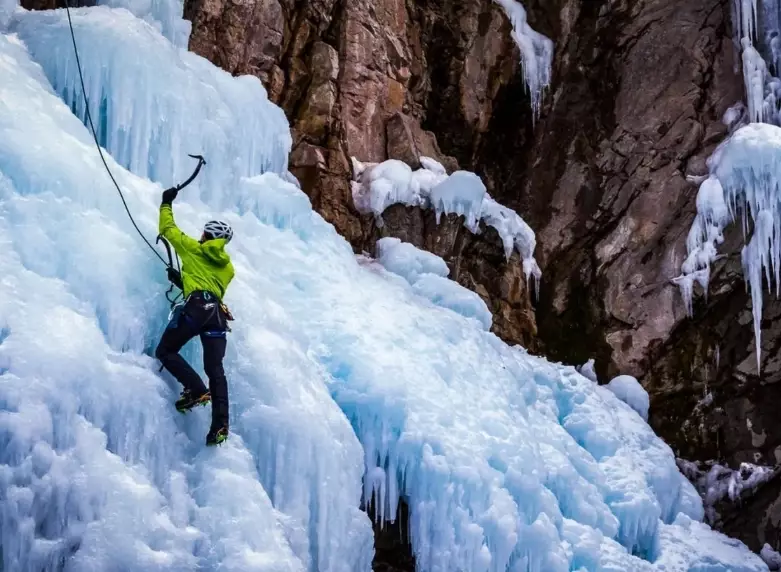
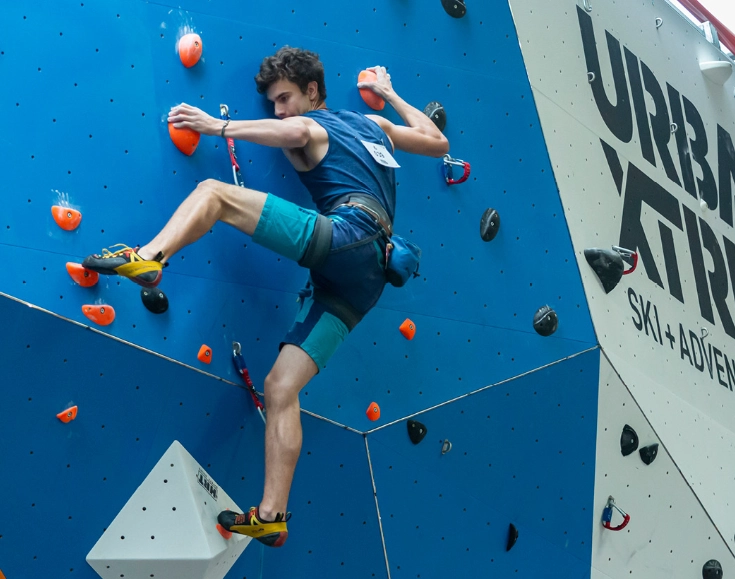
You've dialed in your footwork, built your finger strength, and perfected your beta. But halfway up the route, your arms turn to jelly and your focus scatters. Sound familiar? For years, I blamed my technique or my training. It wasn't until I started treating food as crucial gear that my climbing changed. The right rock climbing nutrition isn't just about feeling okay—it's the difference between hanging on and sending your project. Let's talk about how to eat like a climber.
Your Quick Nutrition Beta
What to Eat Before You Climb: Timing is Everything
Think of your pre-climb meal as loading coal into a steam engine. You need clean, slow-burning fuel. The biggest mistake? Eating a huge meal right before you tie in. That blood is supposed to go to your muscles, not your gut.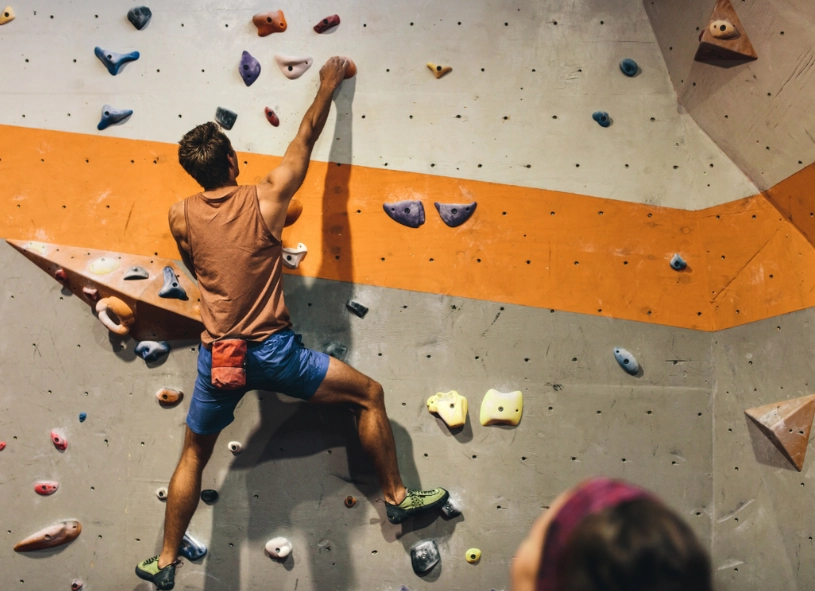
Aim to eat your main meal 2 to 3 hours before climbing. This gives your body time to digest. Focus on complex carbohydrates for sustained energy, a moderate amount of protein for muscle readiness, and keep fats low—they digest slowly.
Solid Pre-Climb Meal Ideas
Oatmeal with banana and a scoop of almond butter. A turkey and avocado sandwich on whole-grain bread. A bowl of rice, grilled chicken, and steamed veggies. These are classics for a reason—they work.
The 60-Minute Top-Up
If you're climbing soon and haven't eaten, go for something small and easily digestible. A banana, a rice cake with a thin spread of honey, or a small smoothie. The goal is to top off your glycogen, not fill your stomach.
I used to grab a protein bar. Bad move. Many are loaded with fiber and fat, perfect for sitting at a desk, terrible for hanging on a wall. Now I keep it simple.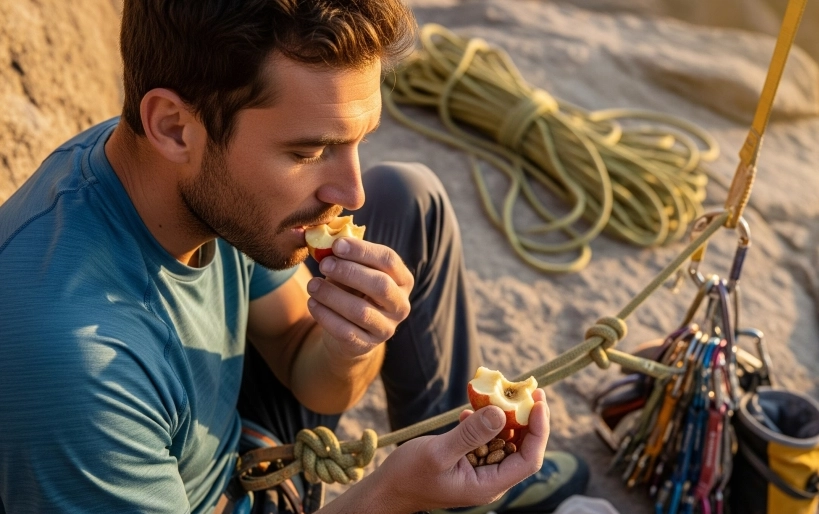
On-the-Wall Snacks That Actually Work
Bouldering sessions or multi-pitch days demand different fueling. For a 2-3 hour bouldering session, you might get by with just water. But for sport climbing or all-day trad, you need a steady drip of energy.
Your snack needs to be three things: quick to eat, easy to digest, and not messy. Chalk and sticky fingers are a given.
| Snack Type | Good Examples | Why It Works for Climbing |
|---|---|---|
| Fast Carbs | Dates, dried mango, applesauce pouches, honey stinger gels. | Provides immediate glucose for quick energy bursts between burns. Minimal digestion needed. |
| Sustaining Mix | Homemade trail mix (more raisins than nuts), fig bars, cereal bars. | Offers a blend of fast and slower carbs for longer sessions. Portable and non-perishable. |
| Liquid Fuel | Electrolyte mix in your water (like Skratch Labs or LMNT), smoothies in a thermos. | Hydrates and fuels simultaneously. Easy to sip while belaying or on a ledge. |
Avoid heavy nuts, whole-fat yogurt, or big chunks of cheese mid-session. They sit in your stomach. I learned this after a particularly miserable day eating peanut butter sandwiches at the belay ledge. The pump came faster, and I felt sluggish.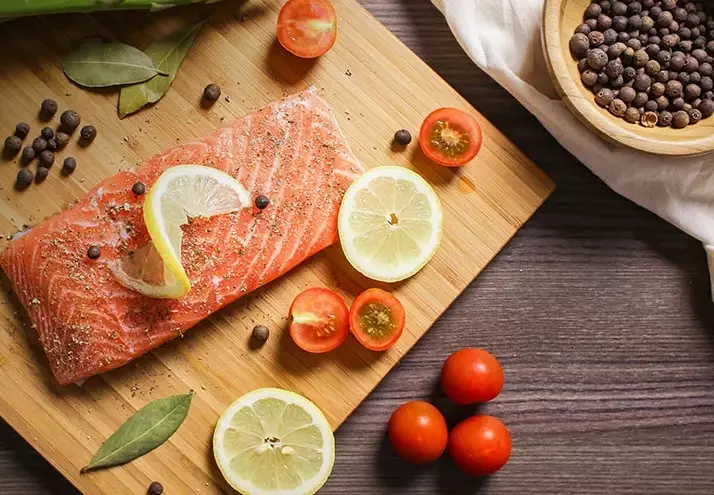
The Non-Negotiable Recovery Window
This is where gains are made or lost. Climbing damages your muscles (micro-tears). Recovery nutrition is how you repair them stronger. The 30-60 minutes after you finish climbing is a golden window. Your muscles are like sponges, eager for nutrients.
You need two things: protein to rebuild and carbs to replenish glycogen stores. A ratio of about 3:1 or 4:1 (carbs to protein) is a good target.
Don't overcomplicate it. A chocolate milk is a near-perfect recovery drink. Greek yogurt with berries and honey. A protein shake with a banana blended in. Even a turkey sandwich. The key is to get it in you soon after you de-chalk for the last time.
Waiting until you drive home, shower, and cook dinner means you miss the window. You'll wake up sorer, and your next session will suffer. I pack a recovery shake in my car. It's the first thing I consume after packing up.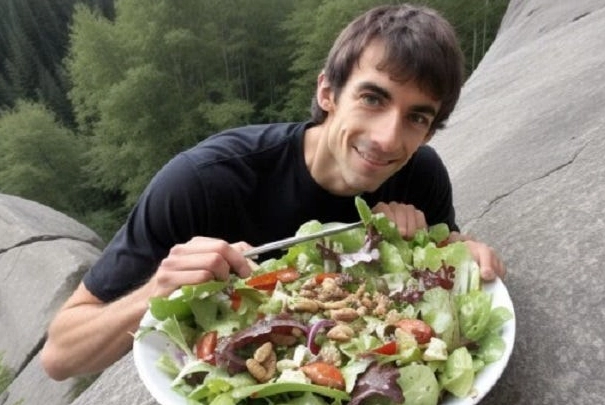
3 Climbing Diet Mistakes You're Probably Making
After a decade of climbing and coaching, I see the same patterns.
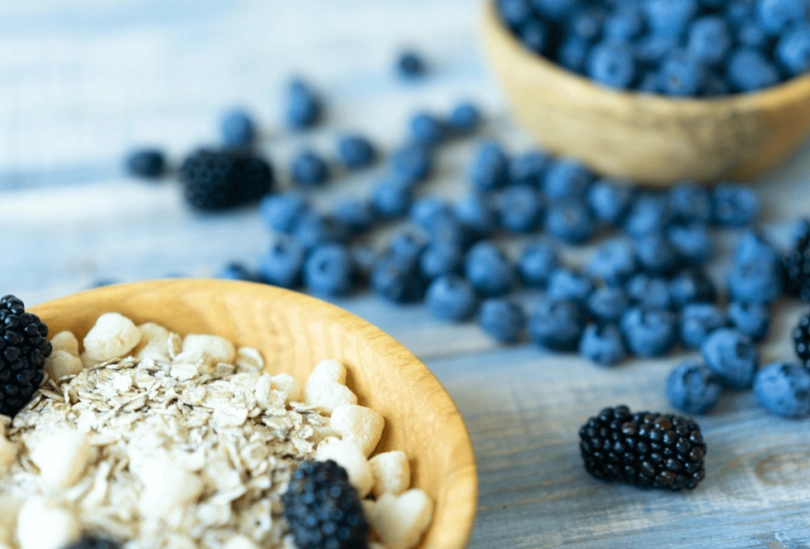
1. The "Healthy" Breakfast Sabotage. A giant bowl of high-fiber cereal with nuts and seeds right before you leave for the crag. Sounds healthy, right? For climbing, it's a gut bomb. All that fiber takes hours to digest, pulling blood and energy to your stomach. Opt for lower-fiber carbs before climbing (white rice, oatmeal, sourdough) and save the high-fiber feast for dinner.
2. Underfueling During Long Days. You're so focused on climbing you forget to eat. Then you hit a wall—energy gone, mood foul, performance plummets. Set a timer on your phone to eat a small snack every 60-90 minutes, even if you're not hungry. Hunger is a late signal.
3. Neglecting Electrolytes. Sweating isn't just water loss. You're losing sodium, potassium, and magnesium—minerals crucial for nerve function and muscle contraction. Drinking plain water all day can dilute what's left, leading to cramps and fatigue. Add an electrolyte mix to one of your water bottles, especially on hot days. It's a game-changer for preventing that deep, systemic fatigue.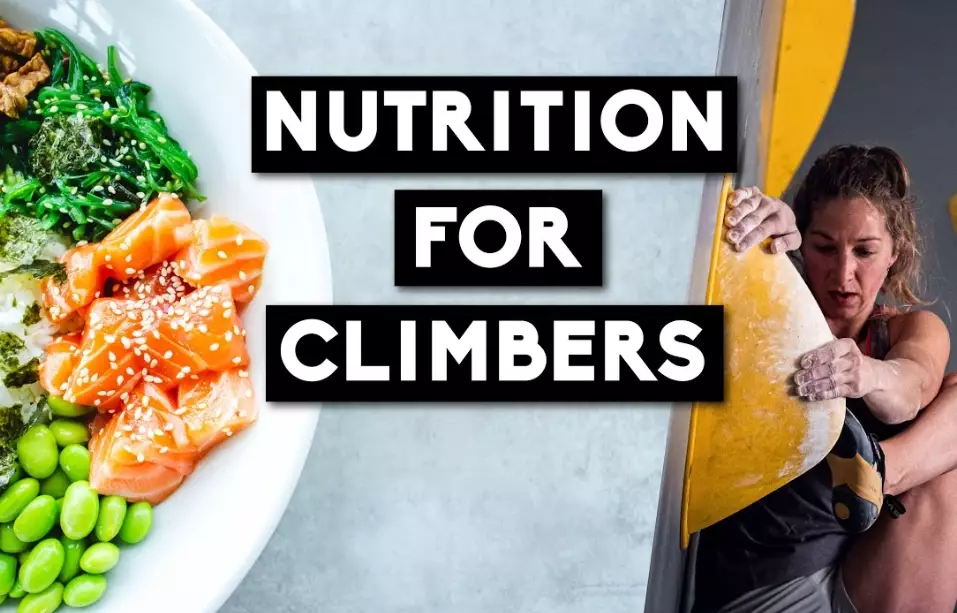
A Real Climber's Full-Day Meal Plan
Let's make this concrete. Here’s what a solid day of eating looks like for a Saturday sport climbing trip, aiming for a 10 a.m. start at the crag.
7:00 AM (3 hours before): Breakfast. A substantial but digestible meal. Three scrambled eggs with a big serving of white rice and some spinach. A glass of water. Coffee if that's your thing.
9:30 AM (30 min before): Top-up. A banana or an applesauce pouch on the drive.
At the Crag (every 60-90 min): Snack rotation. A few dates after the first warm-up. A fig bar while belaying your partner. An electrolyte drink in your second water bottle.
1:00 PM (mid-day refuel): Lunch break. Don't gorge. A hummus and veggie wrap, or a peanut butter & jelly on white bread (easy carbs!). Keep it light.
3:30 PM (post-session): Immediate recovery. A pre-made shake with protein powder, a banana, and a handful of oats. Chug it at the car.
7:00 PM (dinner): Full recovery feast. Now's the time for fiber, healthy fats, and a larger protein serving. A big salad with grilled salmon, sweet potato, avocado, and lots of veggies. This repairs muscles and tops off nutrients for the next day.
This plan provides steady energy, avoids crashes, and optimizes recovery. It's not about being perfect, but being strategic.