You've dialed in your footwork, your finger strength is coming along, and you're putting in the hours at the gym. But you still feel sluggish on the wall, your pump comes on too fast, and recovery takes forever. Sound familiar? I've been there. For years, I treated climbing nutrition as an afterthought—grabbing a banana on the way to the crag, demolishing a burrito afterward, and wondering why my progress plateaued. The truth most climbers miss is that what you eat isn't just about general health; it's the literal fuel for your specific, intermittent, high-intensity efforts. This guide cuts through the noise to show you how to eat for climbing performance.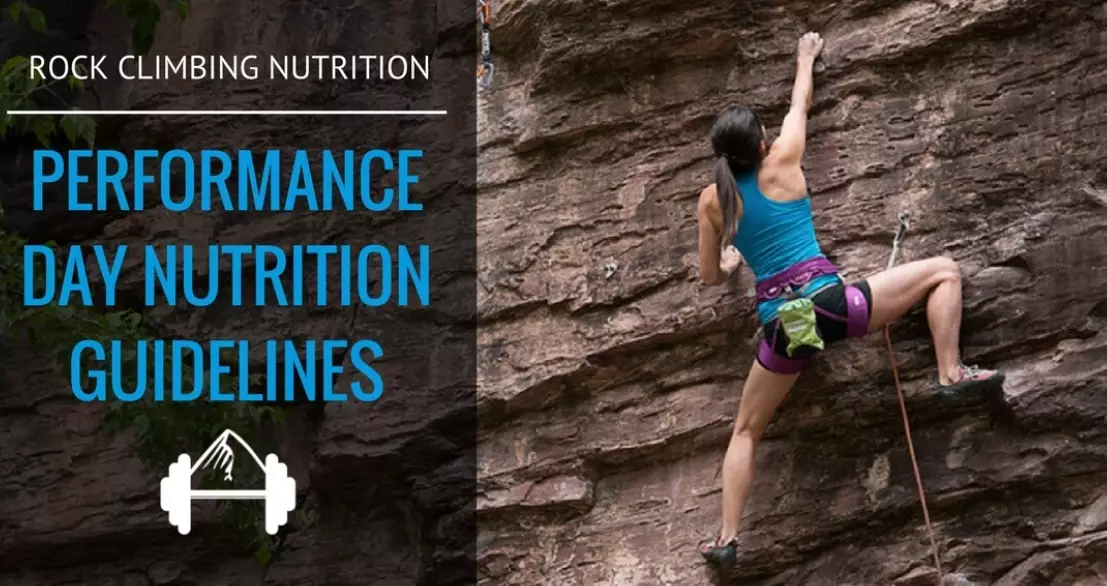
What's Inside?
Macros for Climbers: It's Not Just Protein
Let's get specific. Climbing isn't marathon running or pure bodybuilding. It's a weird mix of power, endurance, and technique. Your macronutrient needs reflect that.
Carbohydrates are your primary performance fuel. This is the biggest shift for many. You need carbs to replenish glycogen stores in your muscles, which you deplete rapidly during a hard bouldering session or long route. Low-carb diets are a fast track to early fatigue. Think of carbs as your on-wall energy currency.
Protein is for repair and adaptation. It's crucial, but the obsession often overshadows everything else. You need enough to repair the micro-tears in your muscles from intense pulling and to help them grow stronger. But more isn't always better past a certain point.
Fats are for the long haul and health. They support hormone function (including testosterone, important for strength), joint health, and help you feel satiated. Don't fear them.
Here’s a practical starting point for daily macronutrient distribution for an actively training climber, based on guidelines from organizations like the International Society of Sports Nutrition (ISSN):
| Macronutrient | Role in Climbing | Target Range (of total calories) | Best Food Sources for Climbers |
|---|---|---|---|
| Carbohydrates | Primary fuel for high-intensity moves, replenishes muscle glycogen. | 45-55% | Oats, sweet potatoes, brown rice, quinoa, fruits (bananas, berries), whole-grain bread. |
| Protein | Repairs muscle tissue, supports strength adaptation. | 25-30% | Chicken, fish (salmon, tuna), eggs, Greek yogurt, lentils, tofu, protein powder. |
| Fats | Long-term energy, hormone regulation, joint health. | 20-30% | Avocado, nuts (almonds, walnuts), seeds (chia, flax), olive oil, fatty fish. |
This isn't a rigid formula. On a heavy training day with 2 hours of limit bouldering, skew higher on carbs. On a rest day, you might need slightly less. The key is listening to your energy levels.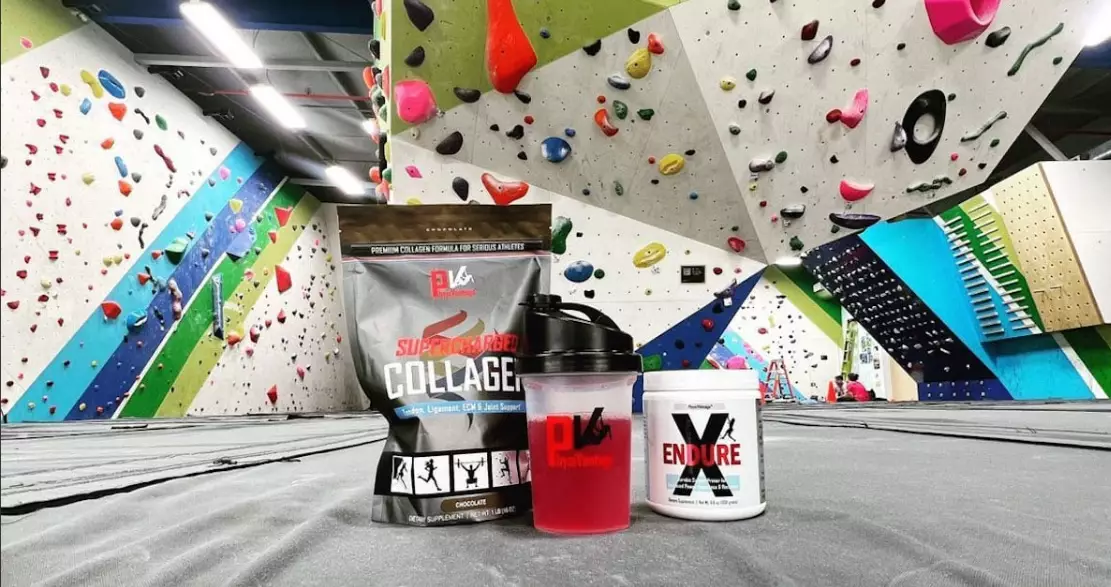
How to Eat for Climbing Performance (Before, During, After)
Timing matters almost as much as what you eat. Let's break it down by phase.
The Pre-Climbing Meal (2-3 Hours Before)
This meal should be carb-centric with moderate protein and low fat/fiber to ensure easy digestion. Fat and fiber slow digestion, which can leave you feeling heavy.
Fueling During Your Session
For sessions under 90 minutes, water is usually enough. For longer days at the crag or intense 2+ hour gym sessions, you need intra-workout fuel to keep blood sugar stable and delay the pump. This is a game-changer most climbers ignore.
Simple carbohydrates are your friend here. They digest quickly. I pack dates, homemade energy balls (oats, honey, peanut butter), or even a sports drink if it's a mega-day. Eating a small date or two between burns can make a noticeable difference in your third hour of climbing.
The Critical Recovery Window (Within 45 Minutes After)
This is non-negotiable. Your muscles are primed to soak up nutrients to start repair and replenish glycogen. A combo of carbs and protein is ideal.
A protein shake with a banana is the classic for a reason—it's fast and effective. If you can eat a real meal within an hour, even better. Think a chicken and rice bowl, or salmon with sweet potato. The research on PubMed consistently shows this accelerates recovery and reduces muscle soreness.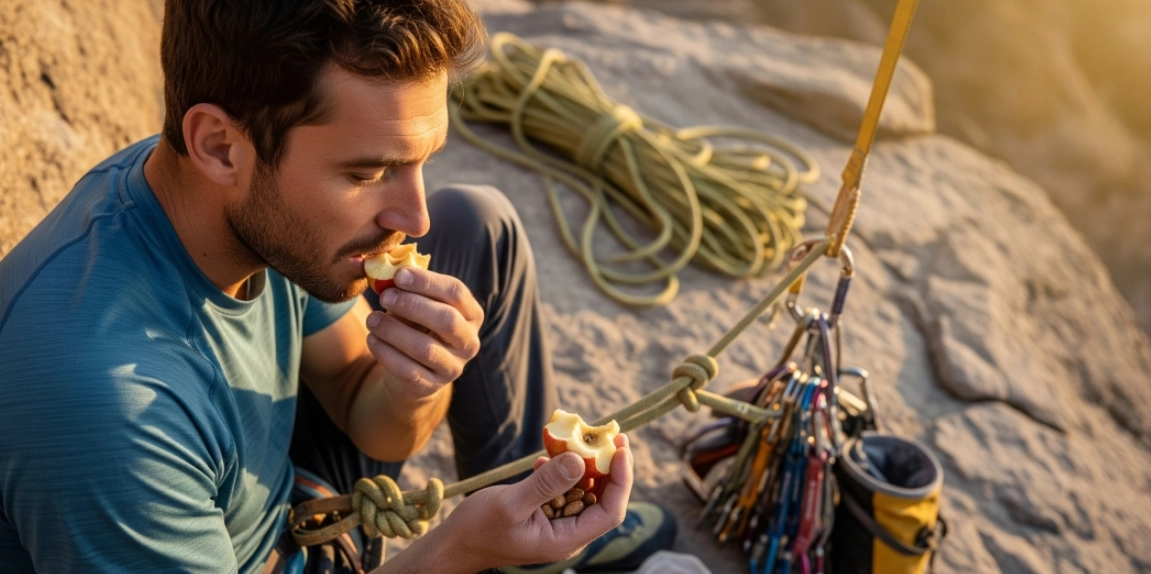
3 Common Climbing Nutrition Mistakes You're Probably Making
Here's where that "10-year experience" perspective comes in. I've made these, seen countless others make them.
Mistake 1: Underfueling before climbing. Showing up fasted or just having a coffee might feel "light," but you're starting with a half-empty tank. Your top-end power and endurance will suffer. You wouldn't start a road trip on an empty gas tank.
Mistake 2: Treating recovery like a cheat meal. Yes, you need calories post-climb. But smashing a greasy burger and fries floods your system with hard-to-digest fats, slowing the delivery of the protein and carbs your muscles actually crave. Save the feast for later; prioritize recovery first.
Mistake 3: Ignoring micronutrients. Obsessing over macros while eating processed foods leaves you deficient in vitamins and minerals crucial for energy production, nerve function, and bone health. Magnesium (for muscle function), iron (for oxygen transport), and Vitamin D (for bone strength) are especially key for climbers. Eat your colorful vegetables and consider a quality multivitamin.
What Are the Best Supplements for Climbers?
Supplements fill gaps; they don't replace a bad diet. Start with food first. If your diet is dialed, these can offer an edge.
Creatine Monohydrate: The most researched supplement in sports science. It helps regenerate ATP, your body's immediate energy currency. For climbers, this translates to possibly one more powerful move on a boulder problem or slightly faster recovery between hard attempts. Dose: 5g daily. It's not just for bodybuilders.
Protein Powder: A convenience tool, not a magic potion. It's hard to eat enough whole-food protein around training sometimes. A whey or plant-based shake post-climb is a simple solution.
Caffeine: A proven performance enhancer. It can increase alertness, reduce perceived effort, and even improve finger contractility. Take it 30-60 minutes before climbing. But beware: tolerance builds, and it can disrupt sleep if taken too late.
Omega-3s (Fish Oil): For reducing systemic inflammation from training and supporting joint health. Our modern diets are often too high in inflammatory omega-6s. This helps balance that.
Everything else—BCAAs, fancy pre-workouts, fat burners—is usually a waste of money for most climbers. Spend it on better food instead.
Your Climbing Nutrition Questions Answered
 What should I eat on a multi-day climbing trip?
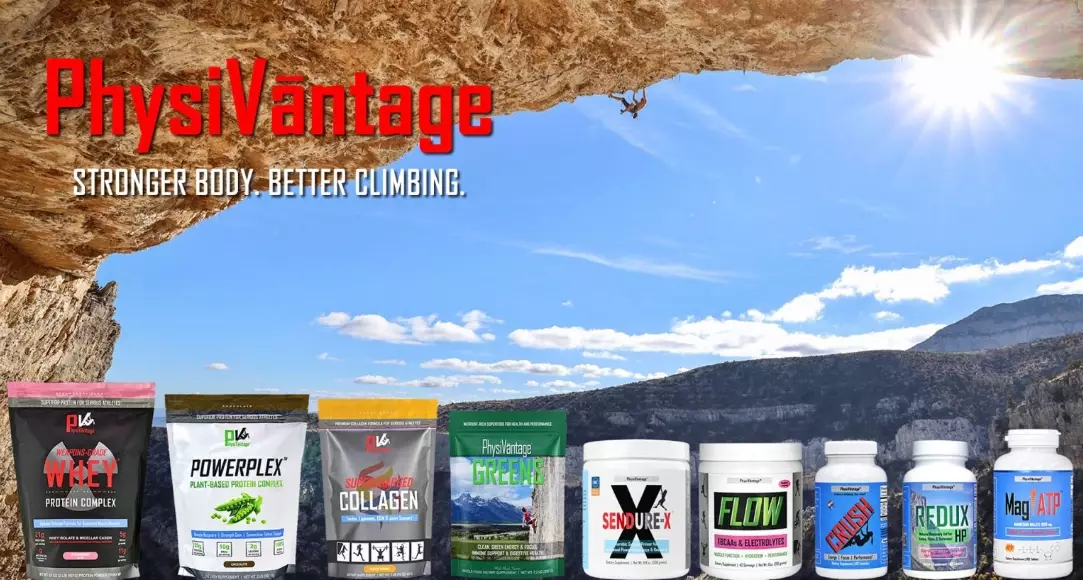 Climbing nutrition isn't about restrictive diets or perfection. It's about strategic fueling. Think of your body as your most important piece of climbing gear. You wouldn't climb in shoes that are falling apart. Don't ask your body to perform on poor fuel. Start with one change—maybe nailing your post-climb meal or adding a pre-climb snack. The gains you'll feel on the wall will be more real than any new training fad.