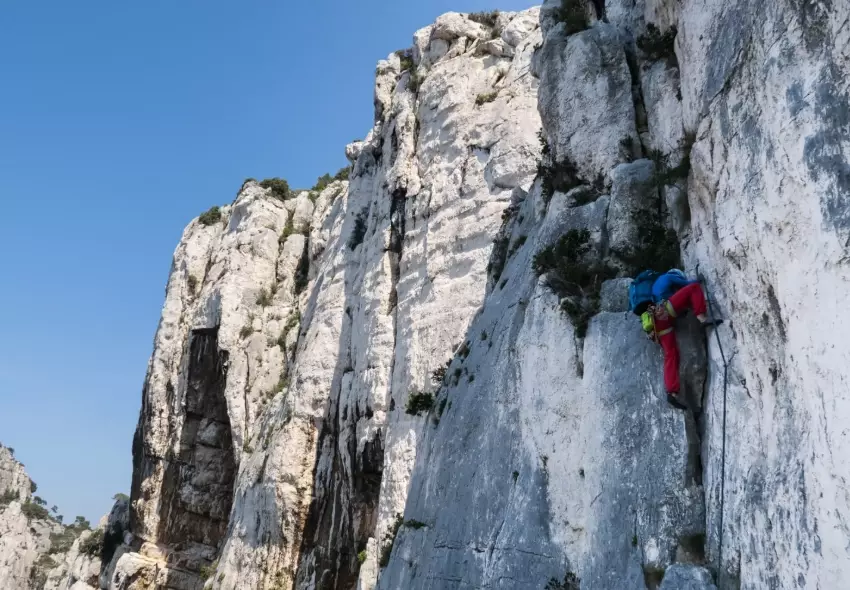
Imagine this. You're not just pulling on plastic at the gym. Your hands are on real limestone, warmed by the Thai sun, with the Andaman Sea stretching out below. Or you're breathing thin air in the French Alps, a glacier shimmering in the distance. This is the pull of international climbing destinations. It's not just about harder grades; it's about weaving adventure, culture, and vertical landscapes into a single trip. But between the dream and the send lies a maze of logistics, choices, and potential headaches that can turn an epic trip into an expensive lesson.
I've planned and messed up enough trips to Patagonia, Kalymnos, and Squamish to know the difference. The key isn't just picking a famous spot from a magazine. It's matching the rock, the season, and the logistics to what you actually want from your precious vacation time.
Your Climbing Journey Starts Here
How to Choose Your International Climbing Destination
Forget just googling "best places to climb." That list is endless. You need a filter. Start by asking yourself two brutally honest questions.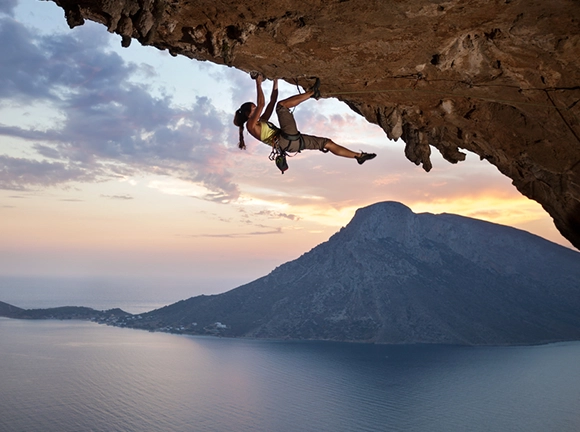
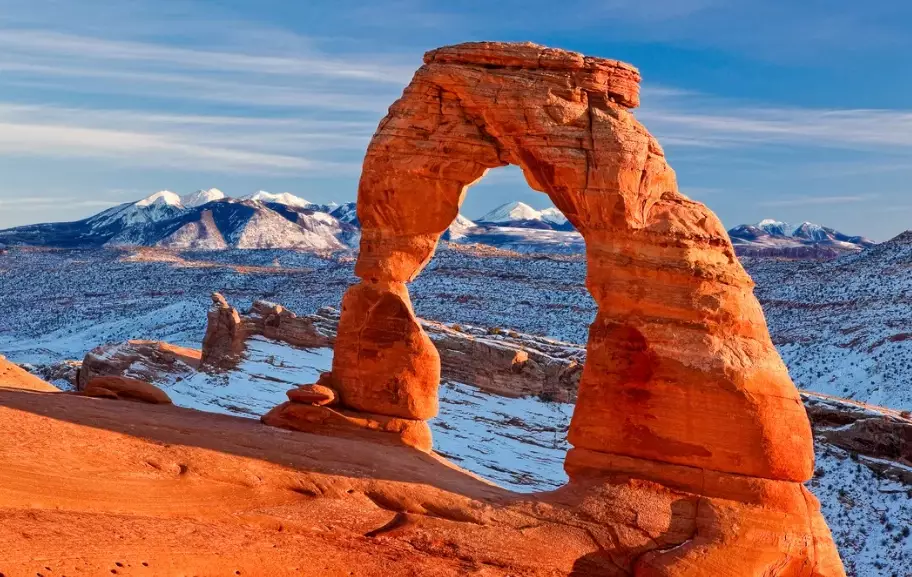
What's your primary goal? Is it to redpoint your hardest sport project ever? To do a classic multi-pitch adventure with a view? Or maybe it's just to climb a lot of fun, moderate routes in a stunning new place? A trip focused on sending your project at Oliana in Spain demands a different mindset and preparation than a road trip through Utah's Indian Creek.
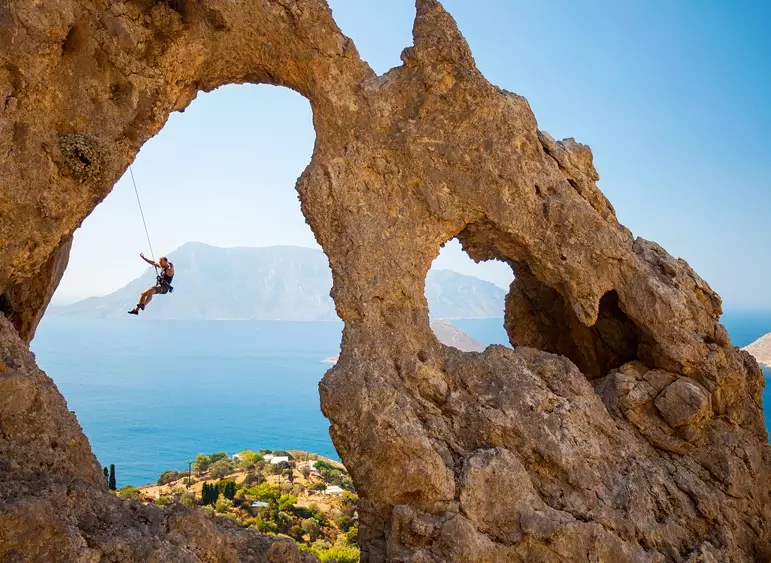
What's your comfort zone with adventure? Are you looking for established crags with guidebooks, easy access, and nearby cafes? Or are you willing to hike for hours, deal with basic amenities, and figure things out as you go? The spectrum runs from somewhere like Kalymnos, Greece—where you can get a frappé at the crag—to remote big wall objectives in Greenland.
Then, layer in the practical constraints:
- Season: This is the biggest dictator. Climbing in Thailand's Railay Beach is miserable in the rainy season (May-Oct). The Dolomites are a summer alpine venue. Research the ideal climbing window, not just the tourist season.
- Budget: Flights, gear shipping, and daily costs vary wildly. Eastern Europe (like Slovenia's Mišja Peč) can be surprisingly affordable, while Norway is not.
- Travel Style: Solo, with a partner, or with a non-climbing partner/family? This affects destination choice massively.
Three World-Class Climbing Destinations Broken Down
Let's get specific. Here are three iconic international climbing destinations, stripped of the hype and laid out with the details you need to decide.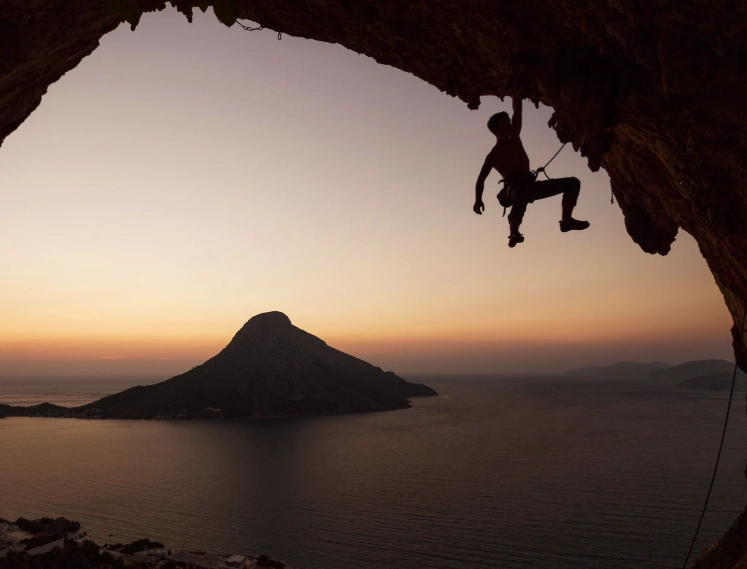
| Destination | Location & Best Season | Rock Type & Style | Ideal For | Key Highlight | The Unique Challenge |
|---|---|---|---|---|---|
| Railay & Tonsai, Thailand | Krabi Province, Thailand. Best: Nov - Mar (Dry season). Avoid: Monsoon (May-Oct). | Limestone. Steep sport climbing, deep water soloing (DWS). | Sport climbers of all levels, DWS beginners to experts, beach lovers. | Climbing straight from the beach. The iconic "Thaiwand" wall. Vibrant, traveler-focused scene. | Heat and humidity. Polished holds on super-classic routes. Can feel crowded. |
| Kalymnos, Greece | Greek Island in the Aegean Sea. Best: Spring (Apr-Jun) & Autumn (Sep-Oct). Summer is hot. | Limestone. Every angle imaginable, but famous for tufa-pulling and steep pockets. | Sport climbers who love technical, varied routes. Families (great swimming). | Incredible route density and quality. Stunning seaside settings. Fantastic Greek food. | Route grading can feel stiff. Some crags are very steep. Limited trad/multi-pitch. |
| Chamonix, France | French Alps. Best: Summer (Jun-Sep) for alpine. Rock climbing lower down extends the season. | Granite. Alpine rock, multi-pitch trad & sport, high mountain objectives. | Adventure seekers, trad climbers, alpinists. Strong intermediate+. | The birthplace of alpinism. Lift-accessed high mountain routes. Cosmopolitan town. | Weather is king and can be brutal. Objective hazards (rockfall, seracs). Requires mountain skills. |
I spent a month in Kalymnos and made the classic rookie error: I only trained endurance. The island's steep, powerful tufa climbing destroyed my arms. I had to spend the first week just adapting, wishing I'd done more campus board sessions. Conversely, in Chamonix, I underestimated how quickly weather moves in the mountains. A planned two-day route turned into a soggy, epic retreat because I trusted a "mostly sunny" forecast too literally. The mountain doesn't care about the forecast.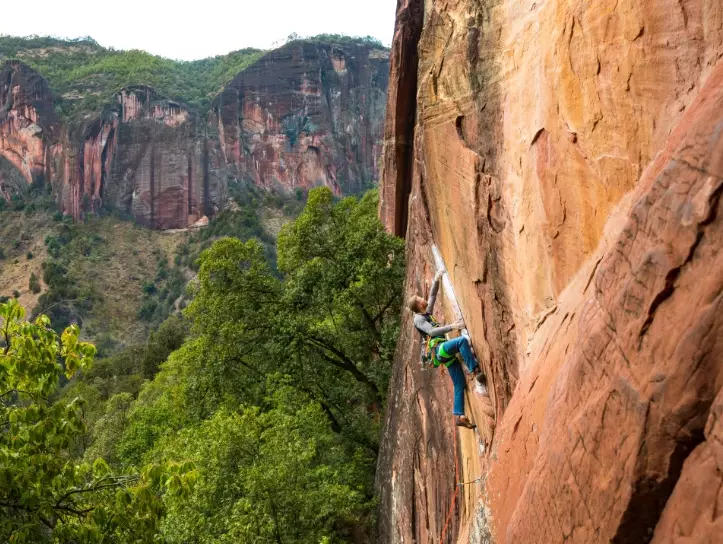
A note on "undiscovered" gems: Places like Rodellar, Spain (steep, pocketed limestone) or Meteora, Greece (historical monasteries, technical sandstone) are phenomenal but offer fewer amenities. They reward self-sufficiency. Research if there's potable water at the crag or if you need to bring all your supplies for the day.
How to Plan Your First International Climbing Trip
Once you've picked your spot, the real work begins. This is where trips succeed or fail.
Step 1: The Paperwork & Health
Check visa requirements immediately. Some countries offer visas on arrival (like Thailand for many passports), others require advance application. Ensure your passport has at least 6 months validity beyond your return date. Visit a travel clinic. Tell them exactly where you're going and that you'll be climbing (i.e., potentially remote, with cuts and scrapes). Tetanus, Hepatitis A, and travel-specific advice are crucial.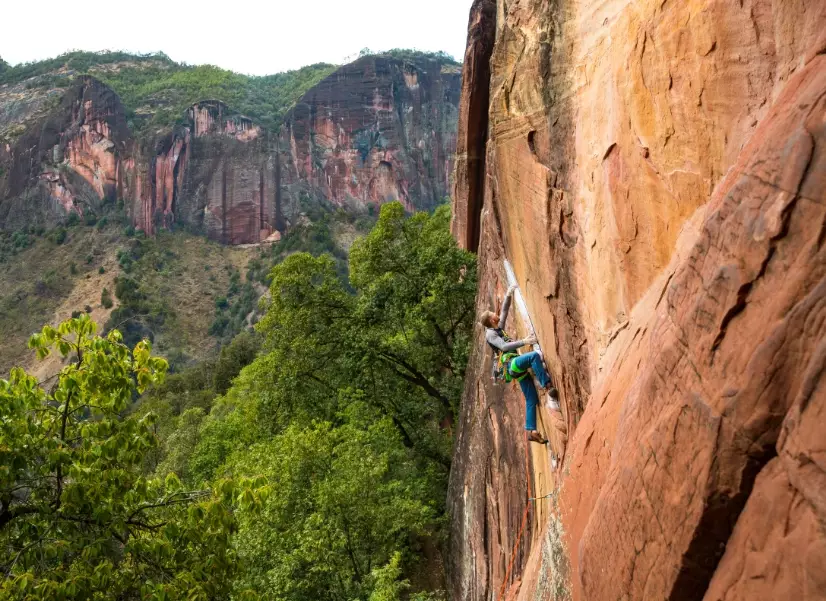
Step 2: The Gear Conundrum
To check or to carry-on? For a sport climbing trip, I often try to fit my harness, shoes, chalk bag, belay device, and quickdraws in a carry-on backpack. Rope and helmet go in checked luggage. Use a duffel bag for checked gear, not a hard-case unless necessary—it's lighter. Always put a copy of your passport and itinerary inside your checked climbing bag. If it gets lost, airline staff can identify it.
For a remote trip, consider shipping a box of gear ahead via a service like Send My Bag to your accommodation. It can be cheaper and less stressful than airline excess baggage fees.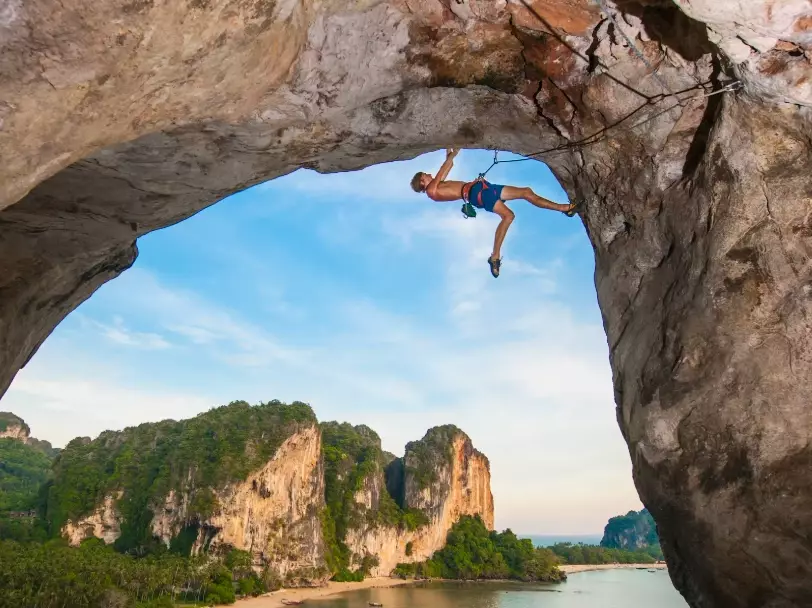
Step 3: Insurance - Don't Skimp
Standard travel insurance often excludes "hazardous activities" like rock climbing. You need specialist adventure travel insurance. Companies like World Nomads or BMC (British Mountaineering Council) offer policies that cover climbing. Ensure it includes high-altitude coverage if needed, and critically, medical evacuation. A helicopter rescue in the Alps or Thailand costs tens of thousands.
Step 4: Logistics on the Ground
Book your first few nights' accommodation in advance, especially if arriving late. For the rest, balance planning with flexibility. Renting a car is often the best way to access crags. An international driving permit (IDP) is cheap and required in many countries. Research guidebook availability—can you buy it there, or should you order it online first? The International Federation of Sport Climbing (IFSC) and UIAA (International Climbing and Mountaineering Federation) websites often have regional links for local ethics and access.
Consider hiring a local guide for a day or two, even if you're experienced. They'll show you the best sectors for your ability, the safe approaches, and often share invaluable local beta.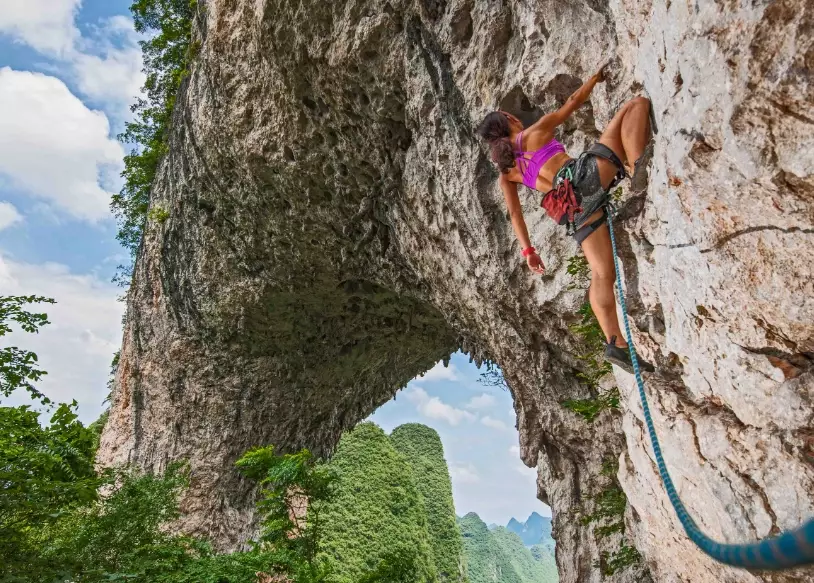
Avoid These Common International Trip Mistakes
Here's the stuff you won't find in a glossy brochure.
- Overestimating your fitness and underestimating the rock: Jet lag, new food, and different movement styles will sap your strength. Plan an easy first day or two to adjust.
- Ignoring local ethics and access issues: Bolting ethics vary massively. In some European areas, only certified local bolters can add hardware. Always use established anchors and trails. Check for seasonal closures (e.g., nesting birds).
- Packing your entire rack "just in case": Research the specific protection needed. You don't need a full set of cams for a sport climbing trip to Greece.
- Not learning basic local phrases: "Hello," "thank you," "help," and "beer" go a long way. It shows respect.
- Forgetting about rest days: Schedule them. Use them to explore, eat, and let your skin and muscles recover. It makes the climbing days better.
Your International Climbing Questions Answered
How do I pack my climbing gear for a multi-destination trip with both sport and alpine climbing?
This is a packing nightmare. Use a modular system. Pack your core personal gear (shoes, harness, helmet) in your carry-on. For checked luggage, use one duffel for soft alpine gear (layers, shell, gloves) and another for "hard" technical gear. Separate your sport draws from your trad rack with different colored stuff sacks. Put a laminated inventory list in each bag. For the alpine section, you can often rent bulky items like ice axes or mountaineering boots locally, which saves weight and hassle on the sport climbing leg.
Is it safe to go on a solo climbing trip to an international destination?
It can be, with hyper-vigilant planning. Choose destinations with a strong climbing community and hostels (like Siurana in Spain or Hampi in India) where finding partners is easier. Use mountain project forums or local Facebook groups to connect with partners before you go. Always leave a detailed itinerary with someone back home and check in regularly. Consider starting with a guided day to meet people and learn the area. The risk isn't just climbing alone; it's the potential for minor injuries or illness in a place where you have no support network.
What's the biggest cultural difference in climbing etiquette I might encounter?
Queueing. In many popular European crags, there's a formal queue for classic routes. You put your pack or rope at the base and wait your turn. Just barging in and tying in is considered incredibly rude. Also, chalk use. Some areas in Japan, for instance, have restrictions or prefer colored chalk that blends with the rock. Always observe what locals are doing for ten minutes before jumping on a route.
How can I make my international climbing trip more sustainable?
Beyond the basics (pack out trash, stay on trails), think about your economic impact. Stay in locally-owned guesthouses, not international chains. Eat at local restaurants. Hire local guides. Support the local bolt fund—many crags have donation boxes to maintain anchors and trails. Choose a destination that isn't already suffering from overtourism if possible. And consider offsetting your flight's carbon emissions, though the best carbon reduction is to stay longer and climb more.
The world's rock faces are waiting. They offer more than just climbs; they offer perspective, challenge, and stories that last a lifetime. By choosing thoughtfully, planning meticulously, and respecting the places and people you visit, you transform a climbing trip into a genuine adventure. Now go find your project.