Europe isn't just a continent with old buildings and good food. For climbers, it's a sprawling, sun-drenched, limestone-packed playground. From the overhanging tufas of Greece to the technical slabs of the Dolomites, the variety is insane. But with so many options, planning a trip can feel overwhelming. You end up scrolling through endless Instagram pics, wondering if you should chase perfect rock or perfect weather. This guide cuts through the noise. I've spent over a decade hopping between European crags, making the good calls and the expensive mistakes so you don't have to. Let's get straight to the rock.
Your Quick Route to the Crags
Kalymnos, Greece: The Tufa Paradise
If sport climbing had a capital, Kalymnos would be a strong contender. This Aegean island transformed from a sponge-diving community to a global climbing Mecca in the late 90s. The rock? A golden, pocketed limestone that forms wild tufa streaks and stalactites. The vibe? Pure, unadulterated climbing holiday.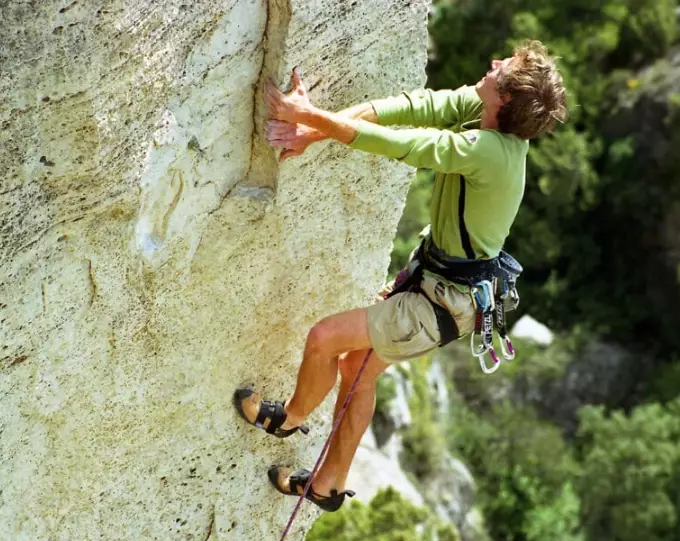
Location & Access: Fly into Kos (KGS) or Kalymnos itself (JKL). From Kos, a 40-minute ferry gets you to Pothia, Kalymnos' main port. Most climbers stay in Masouri or Myrties, where you can literally walk from your studio to the crag.
The Climbing: The grades are stiff but the style is pure joy. Expect steep, physical climbing on positive holds. Grande Grotta is the iconic overhanging arena. Afternoon and Poets sectors offer brilliant mid-grade climbing with insane sea views. The island is meticulously developed, with thousands of routes from 4a to 9a. The Kalymnos Climbing Guidebook by Aris Theodoropoulos is the bible.
Best Season: Spring (April-May) and Autumn (September-October). Summer is fiercely hot. Winter can be windy and cool, but climbable.
Beta Tip Everyone Misses: Everyone rents scooters, but the roads are no joke. The switchbacks up to sectors like Odyssey are steep and the local driving style is... assertive. Consider a small car or quad bike if you're not a confident rider. Also, the Sikati Cave is incredible, but gets crowded. Go on a weekday morning.
Siurana, Spain: Limestone Perfection
Nestled in the Priorat wine region of Catalonia, Siurana is a pilgrimage site. The village is a postcard, perched on a cliff overlooking a reservoir. The climbing is technical, balletic, and on some of the most impeccable grey limestone you'll ever touch.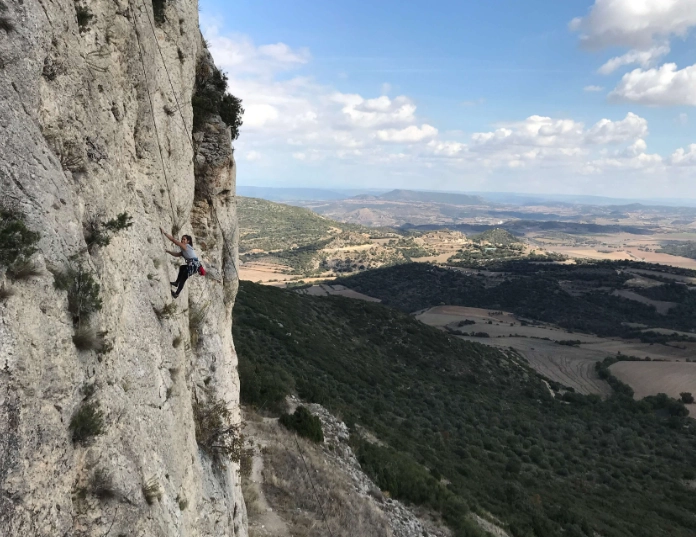
Location & Access: The nearest major airport is Reus (REU) or Barcelona (BCN). You'll need a car. Base yourself in Cornudella de Montsant, Siurana village (limited options), or even the nearby sport climbing hub of Margalef (30 mins drive).
The Climbing: Don't come here expecting jug hauls. Siurana is about tiny edges, precise footwork, and vertical or slightly overhanging walls. It's a humbling and rewarding style. Classic sectors include El Pati for easier classics, Can Marges for mid-range testpieces, and the iconic El Dents de l'Infant wall. The adjacent Montsant area offers more overhanging terrain. The Lleida Climbs guidebook covers it all.
Best Season: Late autumn through to early spring (October to April). It's a winter sun destination. Summers are brutally hot.
Beta Tip Everyone Misses: The grades here are notoriously sandbagged, especially if you're used to French or German grading. Add a full grade to your usual onsight level for a reality check. Also, the walk-downs from sectors like Can Marges are steep and slippery. Proper approach shoes are not a luxury; they're a necessity.
Arco, Italy: The Alpine All-Rounder
Arco is where alpine ambiance meets Mediterranean lifestyle. Situated at the northern tip of Lake Garda, it offers an absurd density of routes within minutes of the town center. One day you're on a sunny sport cliff, the next you're on a multi-pitch adventure with lake views.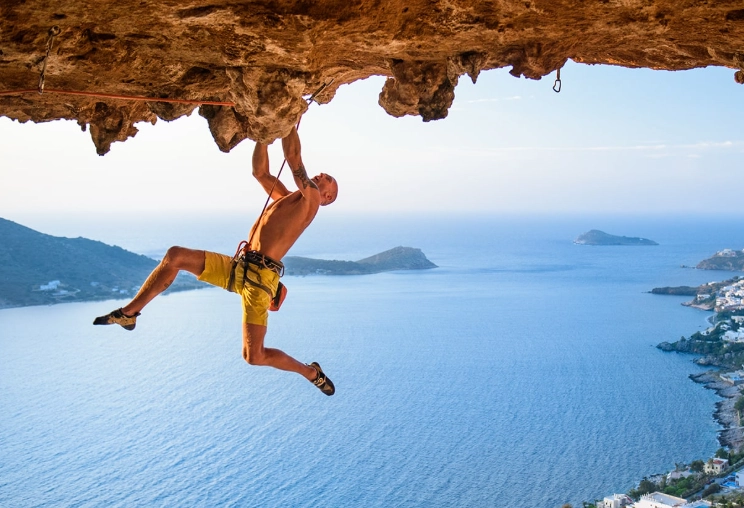
Location & Access: Verona (VRN) or Bergamo (BGY) airports. Arco is easily reached by car or bus. The town is walkable, and many crags have a 5-15 minute approach.
The Climbing: Variety is the key. Single-pitch sport crags like Massone (over 300 routes) cater to all levels. For adventure, the Bain de Dones multi-pitch routes on the lake shore are unforgettable. There's also plenty of bouldering and via ferrata. The rock is generally good limestone, though some south-facing crags can be polished.
Best Season: Spring and Autumn are ideal. Summer can be hot at the lower crags, but you can climb higher in the surrounding mountains. Winter is often too cold for the main sectors.
Beta Tip Everyone Misses: The polish on popular 6a's at Massone is real. Don't judge the area by those routes. Venture to sectors like Nago or Placca di Nago for cleaner rock and more interesting lines. Also, the afternoon "Ora del Garda" wind can be strong, making some sectors unpleasant. Climb in the morning on exposed walls.
Rodellar, Spain: Steep & Deep
If your idea of fun is hanging on stalactites in a massive canyon, welcome to Rodellar. This tiny hamlet in the Spanish Pyrenees is home to the Mascún Canyon, a geological wonderland of caves, tufa columns, and wildly overhanging walls.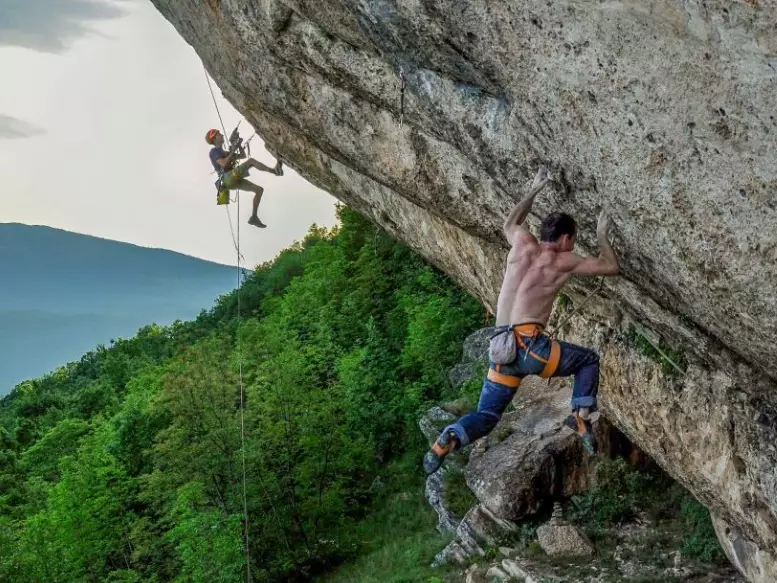
Location & Access: Fly to Zaragoza (ZAZ) or Barcelona. A car is essential for the winding mountain roads. Accommodation is in Rodellar itself (basic, climber-focused) or in nearby Alquézar (more touristy).
The Climbing: This is endurance territory. The classic style is long, sustained, and steep (often 30+ degrees overhanging). The rock is bullet-hard conglomerate and limestone. Iconic caves include El Ventanón and Cueva de Chaves. There are moderate routes, but Rodellar truly shines for climbers operating in the 7a (5.11d) and above range. The Rodellar & Alquézar guidebook by David Llamas is excellent.
Best Season: Summer. Seriously. The canyon is high enough (around 1000m) that while the rest of Spain bakes, Rodellar offers perfect, cool, shady climbing. Spring and autumn can be good but riskier for rain. Winter is cold and many sectors are in the shade.
Beta Tip Everyone Misses: The walk-in. It's a steep, 20-30 minute hike down (and back up!) a rocky trail to the canyon floor. Pack light, bring plenty of water, and don't plan on popping back to the car for lunch. Your legs will get as much of a workout as your arms.
Chamonix, France: The Alpine Mix
Chamonix is synonymous with alpinism, but its sport climbing is a well-kept secret for those who know. It's not a single crag; it's a valley full of them, with the backdrop of the Mont Blanc massif making every belay a photo op.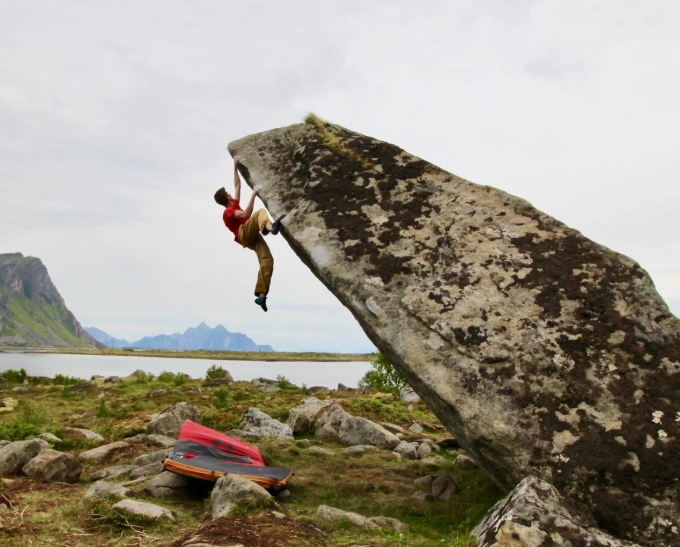
Location & Access: Geneva (GVA) airport is about an hour away. A car is useful, but the local train and bus network serves many crags. Stay in Chamonix town, Les Praz, or Argentière.
The Climbing: Expect a mix of granite and limestone. The quality is high, but the style is often more technical and slabby than the southern European power-fests. Les Gaillands is the classic town crag for quick hits. Les Cheserys offers long, bolted multi-pitch on impeccable slabs. Cogne in nearby Italy (90 mins drive) is a must-do day trip for endless single-pitch slabs and corners. The Escalades en Vallée de Chamonix guidebook is comprehensive.
Best Season: Summer (June to September). The high-altitude crags come into condition, and the weather is most stable. Early autumn can also be magical. Outside this window, many sectors are under snow or wet.
Beta Tip Everyone Misses: The weather is fickle. A "bad weather" day in Chamonix doesn't mean you can't climb. It often means the south-facing crags across the tunnel in Italy (like Cogne or the Aosta Valley) are sunny and dry. Always have a Plan B across the border.
How to Choose Your European Climbing Destination
Picking a spot isn't just about the hardest route. It's about matching the place to your goals, fitness, and trip style. Ask yourself:
- Is this a pure climbing trip or a mix with culture/food?
- Do I want to onsight 6b's or project 8a's?
- Am I comfortable with long, steep hikes or do I need walk-in crags?
- What's my budget? (Eastern Europe offers incredible value, like Paklenica in Croatia or the Carpathians).
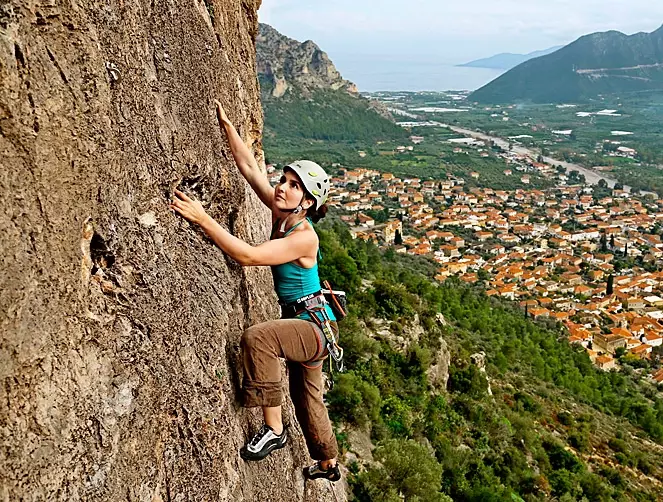
Here’s a quick comparison to help you decide:
| Destination | Best For | Ideal Season | Style & Rock |
|---|---|---|---|
| Kalymnos | Tufa climbing, holiday vibe, mid to high grades | Spring, Autumn | Steep limestone, tufas, pockets |
| Siurana | Technical mastery, stunning scenery, focused climbing | Winter | Vertical/slabby limestone, edges |
| Arco | Variety, multi-pitch, family/non-climber friendly | Spring, Autumn | Mixed limestone, some polish |
| Rodellar | Steep endurance, cave climbing, hard projects | Summer | Overhanging conglomerate/limestone |
| Chamonix | Alpine setting, granite slabs, adventure mix | Summer | Granite & limestone, technical |