Let's cut to the chase: Mount Everest isn't in just one country. It straddles the border between Nepal and China (specifically the Tibet Autonomous Region). If you're planning a trip or just curious, that's the basic answer, but the details matter more than you think. I've spent over a decade guiding expeditions and researching Himalayan geography, and I've seen too many people get tripped up by oversimplifications.
What You'll Learn in This Guide
The Geographic Truth: Where Mount Everest Stands
Mount Everest's summit lies exactly on the international border. From the south, you approach from Nepal; from the north, it's China. The coordinates are roughly 27°59′17″N latitude and 86°55′31″E longitude. But here's where it gets interesting: the border isn't a straight line—it follows the watershed of the Himalayas, as defined by historical treaties.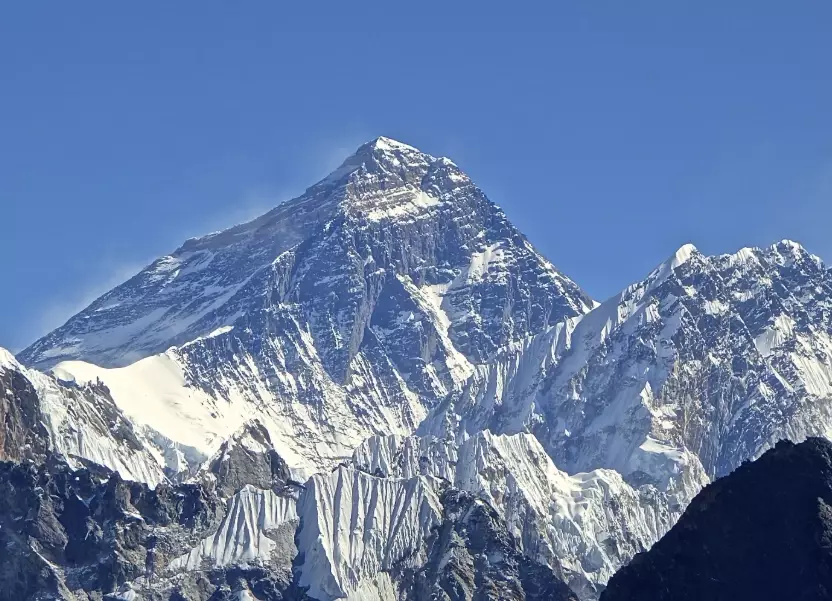
The Nepal Side: South Col and Base Camp
On the Nepalese side, the mountain is part of the Sagarmatha National Park, a UNESCO World Heritage Site. The classic South Col route starts at Lukla airport (a thrilling landing I've done dozens of times) and winds through Namche Bazaar to Everest Base Camp at about 5,364 meters. Permits are handled by the Nepal Tourism Board, and costs can add up quickly. For example, a climbing permit alone runs around $11,000 per person for foreigners in the spring season.
Most trekkers only go to base camp, but climbers push on through the Khumbu Icefall—a dangerous, shifting glacier that claims lives almost every year. The Nepal side is more popular because it's logistically easier, with tea houses and support services. But don't underestimate the altitude; acclimatization is non-negotiable.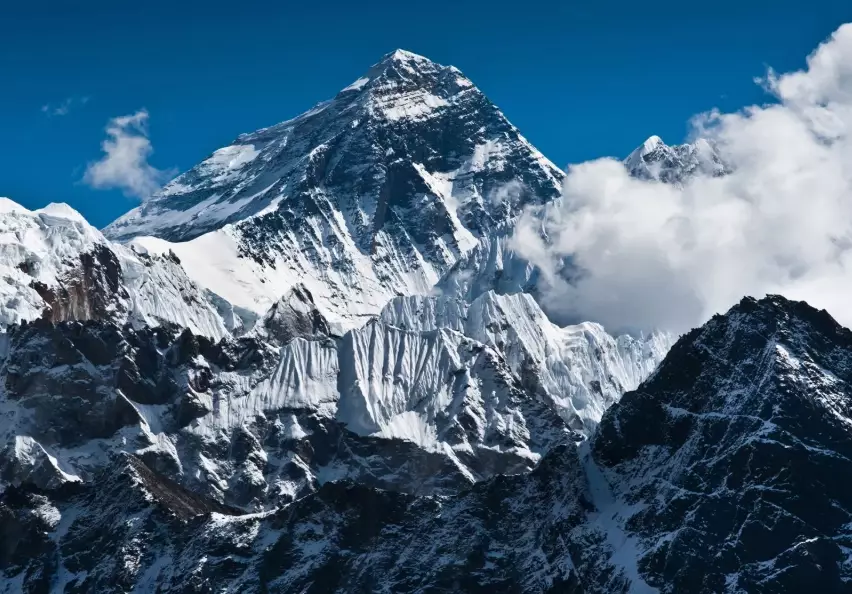
The China (Tibet) Side: North Ridge and Rongbuk Glacier
From China, Everest is accessed via Tibet. The North Ridge route begins with a drive from Lhasa to the Rongbuk Glacier, where base camp sits at 5,150 meters. The Chinese side is drier and windier, with fewer crowds. Permits are stricter due to political sensitivities; you need approval from the China Tibet Mountaineering Association, and costs are similar to Nepal, but with added bureaucracy.
I've guided groups from both sides, and the Tibet route feels more remote. The views are starkly beautiful, but the lack of infrastructure means you carry everything. One climber I knew skipped proper oxygen planning here and suffered severe altitude sickness—a rookie error that's more common than you'd think.
Quick Fact: The summit itself is a tiny point, about the size of a dining table, where you can literally stand with one foot in Nepal and one in China. But during climbs, weather often obscures the border, leading to confusion.
How the Border Was Drawn: A Brief History
The Nepal-China border around Everest was formalized in the 1960s through agreements like the Sino-Nepalese Treaty of 1960. Before that, it was loosely defined by traditional grazing lands. According to historical records from the Royal Geographical Society, early surveys in the 1850s by British India placed Everest entirely within Nepal, but later refinements adjusted the line.
Today, both countries jointly manage the mountain for climbing seasons. There's occasional tension—like in 2020 when China restricted access citing environmental concerns, while Nepal kept routes open. For climbers, this means checking current regulations from sources like the Nepal Ministry of Tourism or Chinese authorities.
Some maps still show discrepancies, especially online. I always recommend cross-referencing with official government sites to avoid pitfalls.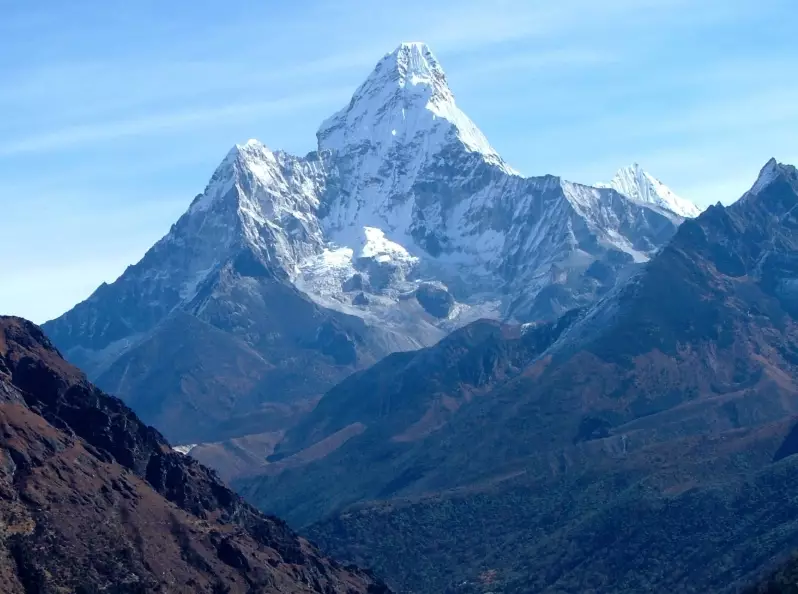
Climbing Everest: Nepal vs. China – Which Side to Choose?
Choosing a side isn't just about geography; it's about your goals, budget, and experience. Let's break it down.
Permits, Costs, and Logistics
Here's a comparison based on my 2023 expedition notes:
| Aspect | Nepal Side | China (Tibet) Side |
|---|---|---|
| Climbing Permit Cost | $11,000 (spring) | $9,800 + visa fees |
| Best Time to Climb | April-May | April-May, but shorter window |
| Base Camp Amenities | Tea houses, medical tents | Basic tents, limited services |
| Route Difficulty | Khumbu Icefall hazards | Higher winds, colder temps |
Logistics vary wildly. From Nepal, you fly into Kathmandu, then to Lukla—a flight that's often delayed by weather. From China, you need a Tibet travel permit, which can take weeks. I've seen climbers book last-minute trips only to get stuck in Lhasa.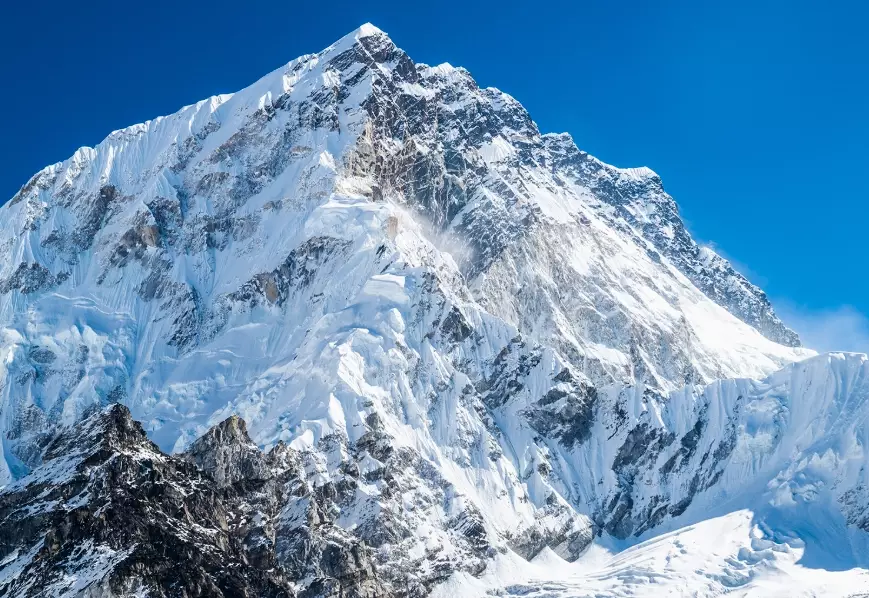
Route Difficulty and Safety
The South Col route (Nepal) has more objective dangers like icefalls, but better rescue options. The North Ridge (China) is technically simpler but exposes you to extreme cold and wind. Statistics from the Himalayan Database show slightly higher success rates from Nepal in recent years, but that's skewed by more attempts.
Safety tip: Many guides focus on physical training but neglect mental prep for border crossings. On the China side, political checks can add stress. One client of mine panicked when officials questioned his gear, thinking it was a security issue—it was just routine.
A Common Mistake Even Experienced Climbers Make
Here's a non-consensus point: most climbers assume the border is clearly marked or that permits from one country cover both sides. Wrong. The border is invisible on the mountain, and each country enforces its own rules strictly. I've met teams who tried to descend via the opposite side without permission, leading to fines or bans.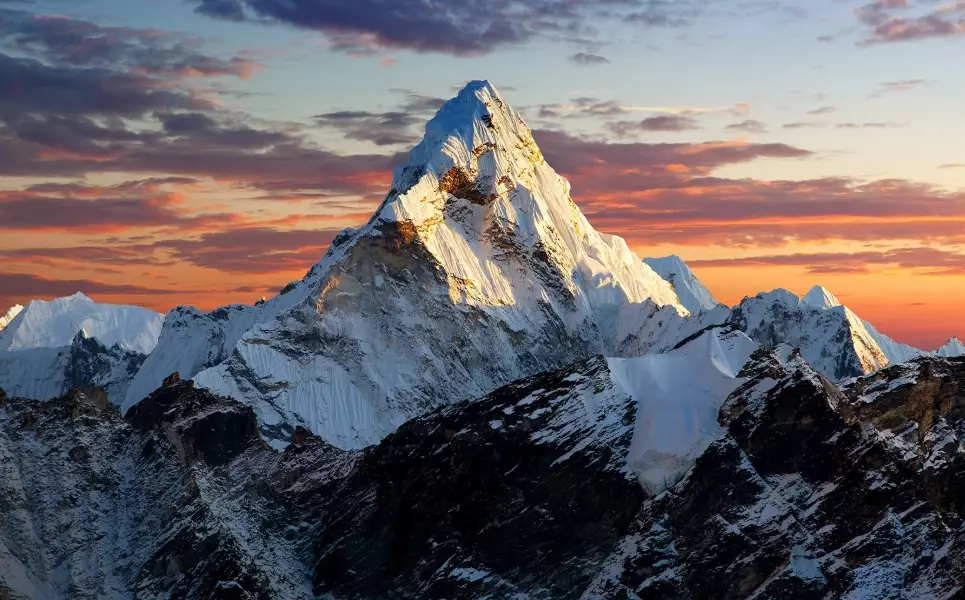
Another subtle error: relying on outdated cost estimates. With inflation and environmental fees, prices jump annually. For 2024, Nepal added a new waste deposit of $4,000, refundable only if you bring back your trash. Few blogs mention this, but it's a game-changer for budget planning.
Also, many think altitude sickness is less severe on the Tibet side because base camp is lower. Actually, the faster ascent from Lhasa (3,650 meters) to base camp increases risk. I always advise a longer acclimatization schedule there, something most commercial expeditions skip to save time.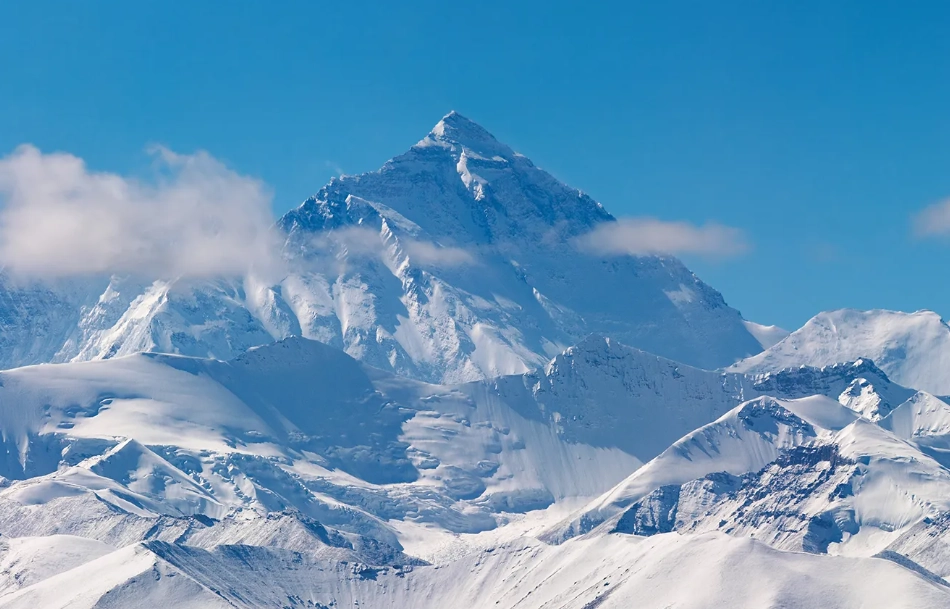
Your Questions Answered: Everest Country FAQs
Wrapping up, knowing which country Mount Everest is in is just the start. The real value lies in understanding how this border shapes your adventure. Whether you're dreaming of the summit or a base camp selfie, plan with both sides in mind. And remember, the mountain doesn't care about borders—it demands humility from everyone.