Let's cut to the chase. Ice climbing gear looks intimidating. A rack of shiny, sharp tools, spiky crampons, and a pile of technical clothing can make the sport seem inaccessible and wildly expensive. It doesn't have to be. After a decade of guiding and climbing frozen waterfalls from Colorado to the Canadian Rockies, I've seen the same gear mistakes cost people money, comfort, and even safety. This guide strips away the marketing fluff. We're talking about the absolute essentials, the smart buys, and the stuff you can safely ignore as a beginner. Your goal isn't to look like a pro on day one. It's to be safe, efficient, and have enough fun that you want to go again.
Quick Navigation: What's in This Guide
The Three Core Systems You Can't Climb Without
Think of your setup in three layers: the tools in your hands and on your feet, the system that keeps you off the ground, and the clothing that keeps you in the game.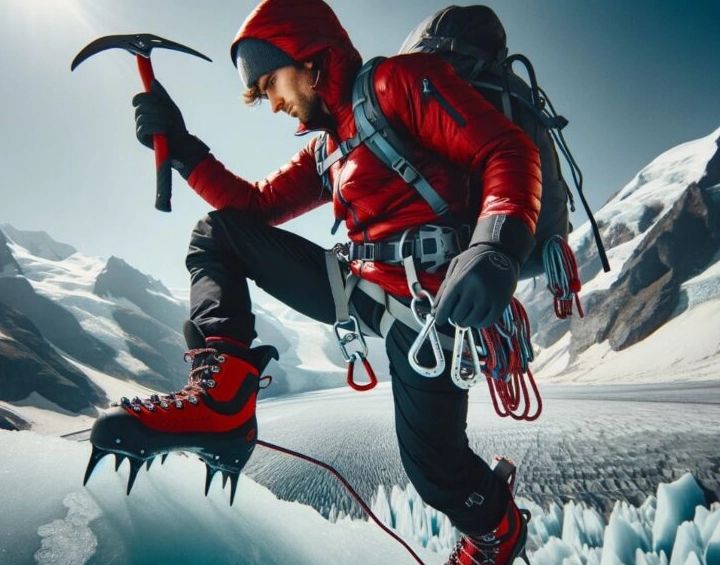
1. The Technical Tools: Ice Axes & Crampons
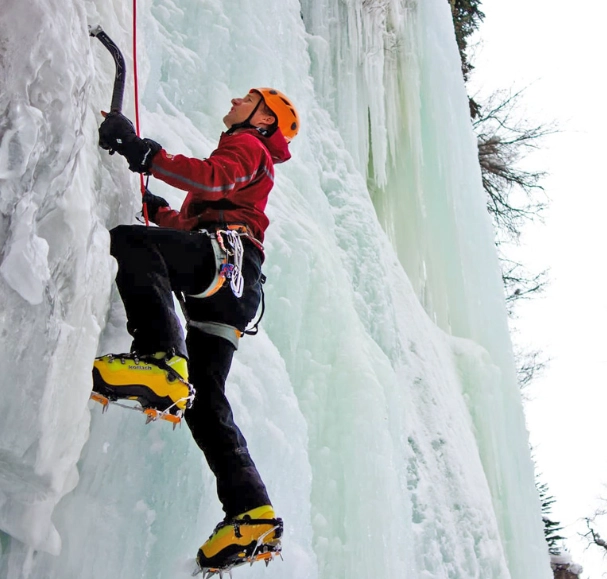
This is your direct connection to the ice. Modern ice tools (we don't really call them axes anymore) are curved for efficient swing and clearance. For beginners, a moderate curve is perfect. Brands like Petzl (Nomic, Quark) and Black Diamond (Viper, Reactor) dominate for good reason—they're reliable. But here's the nuance everyone misses: the grip. A tool that's too large for your hand is exhausting. You want a secure, not straining, grip. I personally favor a slightly curved shaft for less wrist strain on vertical ice.
Crampons are next. The big debate: mono-point vs. dual-point. Mono-points (one front spike) offer insane precision on hard ice. Dual-points are more stable, especially on mixed terrain or if your footwork is still developing. For a true beginner on guided climbs, a good dual-point crampon (like the Petzl Sarken or Black Diamond Sabretooth) is a versatile and forgiving choice. The real secret? They must be rigid and match the sole of your boot. A flexible crampon on a rigid boot is a disaster waiting to happen.
2. The Safety System: Ropes, Protection, and Hardware
This is non-negotiable and where you don't skimp. You need a dry-treated rope. Ice is wet. A soaked rope is heavy, freezes, and loses dynamic properties. A 60m, 9.2mm-9.8mm dry rope is the sweet spot. Your harness needs robust gear loops—ice screws are bulky. A standard rock harness often has loops that are too small.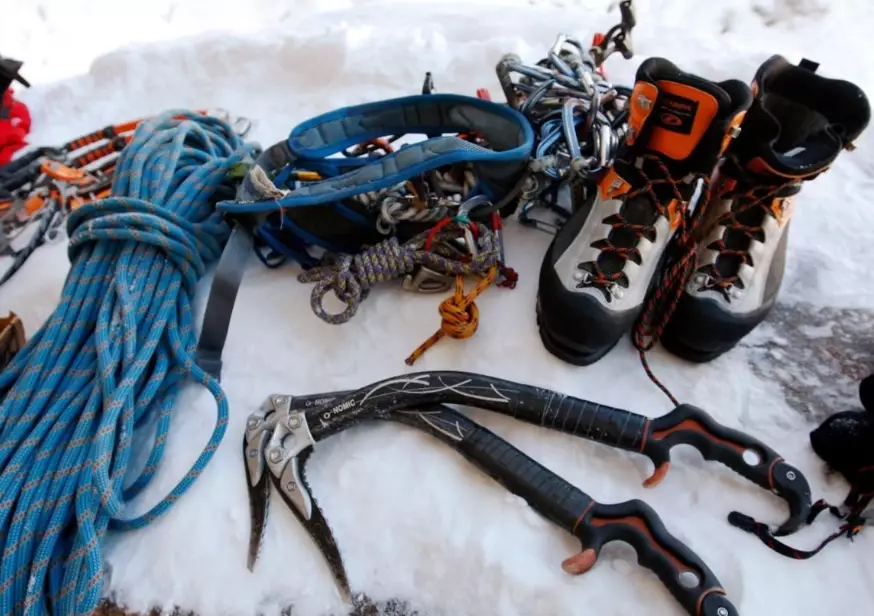
Ice screws are your protection. Aluminum is standard. Lengths from 13cm to 22cm cover most situations. The innovation is in the teeth and hanger design for faster placement. Practice screwing them in on the ground before you're hanging on one. A dull screw is a nightmare to place. Which brings me to a critical point: you need a cordelette and locking carabiners for building anchors. This is a skill for your course or mentor to teach, but the gear is essential.
3. The Survival Layer: Clothing and Footwear
Cotton kills. It's a cliché because it's true. You need a moisture-wicking base layer (merino wool or synthetic), an insulating mid-layer (fleece or synthetic puffy), and a waterproof, breathable, and durable shell. Your shell pants and jacket will take a beating from ice chips and abrasion. Don't use your ultralight rain jacket.
Footwear is the most critical piece of clothing. A stiff, insulated mountaineering boot (B2 or B3 rating) is mandatory. Your hiking boots won't work. The boot must not flex when you kick into the ice. Brands like La Sportiva, Scarpa, and Mammut make proven models. Cold feet ruin a day faster than anything.
How to Choose Your First Kit (Without Going Broke)
You don't need to buy everything at once. This table breaks down the priority, from "must-have now" to "can wait."
| Priority | Equipment Category | Specific Items & Key Considerations | Budget-Friendly Strategy |
|---|---|---|---|
| P1: Rent First | Technical Tools & Footwear | Ice Tools, Crampons, Mountaineering Boots. Fit and feel are everything here. | Rent from a reputable guiding service or shop for your first 2-3 outings. This is a try-before-you-buy essential. |
| P2: First Personal Buys | Clothing & Safety Basics | Base/Mid Layers, Shell Pants/Jacket, Climbing Harness, Helmet, Belay Device. These are personal and versatile. | Look for prior-season models, sales from sites like Backcountry or REI, or quality used gear (except helmet). |
| P3: Build Your Rack | Rope & Protection | Dry-Treated Rope, Ice Screws (4-6 to start), Personal Anchor, Locking Carabiners. | Buy new for ropes and screws (safety-critical). Consider a rope bag a necessary accessory. |
| P4: Refine & Specialize | Advanced/Specific Gear | Technical Shells, Multiple Tool Pairs, Specific Crampons for mixed/dry-tooling, Avalanche Gear (if needed). | Invest once you know your preferred style of climbing and local conditions. |
The biggest financial mistake is buying the "pro" model of everything before your first climb. You won't know what you like. Rent the hard goods, buy the personal soft goods, and invest in protection as you progress.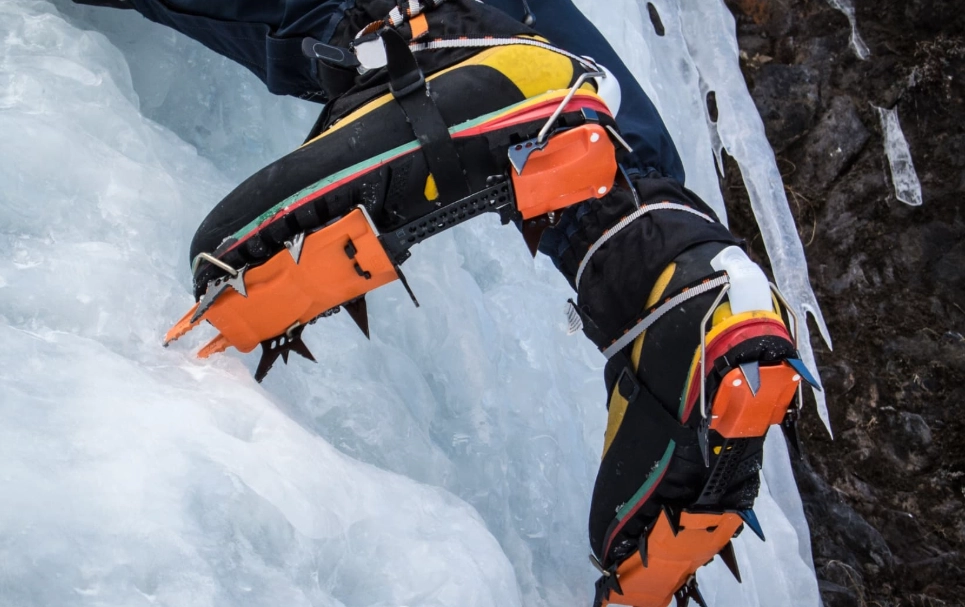
5 Common Gear Mistakes I See Every Season
These aren't in the glossy brochures.
1. Ignoring the Boot-Crampon Interface. This is the foundation. Your crampon must be compatible with your boot's welt (B2 vs B3). An improper fit leads to constant popping off, which is terrifying mid-climb. Test the combination on carpet at the shop.
2. Choosing Tools That Are Too Aggressive. Super curved "banana" tools are for overhanging ice and experts. They're harder to place accurately for a beginner. A tool with a moderate curve and a comfortable grip will serve you far better.
3. Skimping on the Mid-Layer. People pack a huge puffy jacket but forget a versatile mid-layer like a grid fleece. When you're moving, you'll be in your base and mid-layer. Your shell and puffy are for belays and emergencies. A good mid-layer regulates temperature actively.
4. Not Practicing Screw Placements. Buying a rack of screws is pointless if you can't place them quickly and securely. On top-rope, ask your guide or partner if you can practice placing and removing screws. The feel of good ice vs. hollow ice is learned, not innate.
5. Neglecting Glove Systems. One pair of gloves isn't enough. You need a thin, dexterous pair for intricate work (tying knots, adjusting screws), a waterproof insulated pair for climbing, and a massive belay parka with pockets to warm your hands. Wet, cold hands are a primary reason for bailing.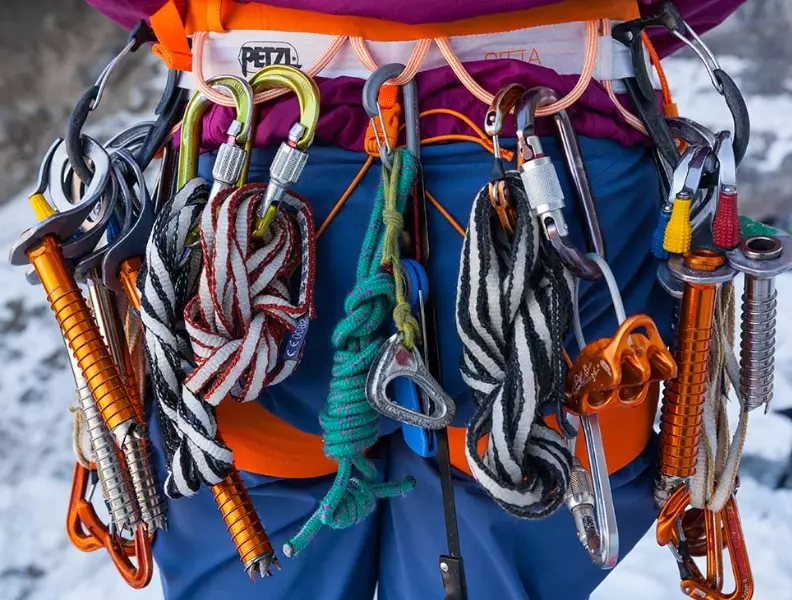
Gear Care That Actually Matters
Ice gear takes abuse, but neglect shortens its life dramatically.
- Dry Everything, Always. After each trip, spread your gear out in a dry, room-temperature space. Never store a wet rope or damp clothing. It will mildew and degrade the fibers.
- Sharpen Sparingly. Don't go at your crampon points or screw teeth with a grinder. Use a fine file and follow the original angle. Over-sharpening creates a weak, brittle edge that dulls faster.
- Inspect for Stress. Look for hairline cracks in tool shafts, especially near the head. Check rope sheath for cuts. Examine harness webbing for abrasion. This takes 10 minutes and is the best safety habit you can develop.
- Lubricate with Dry Lube. On crampon adjustment rails and screw threads, a silicone-based dry lube prevents freezing and seizing. Never use WD-40 as a lubricant—it attracts gunk.
Where to Go From Here: Dry-Tooling & Mixed Climbing
Once you're hooked on ice, you'll hear about dry-tooling (using ice tools on rock or wooden structures) and mixed climbing (ice and rock). The gear evolves slightly.
Dry-tooling often uses more aggressive, often lighter tools with replaceable picks specifically designed for rock edges. Crampons may have sharper, more vertical secondary points for standing on tiny rock features. The clothing system is similar, but you trade some waterproofing for breathability since you're not getting sprayed by water.
This is the natural progression. It keeps you training when the ice isn't in. But remember, the core systems—safety, layering, fit—remain the same. Master the waterfall ice fundamentals first.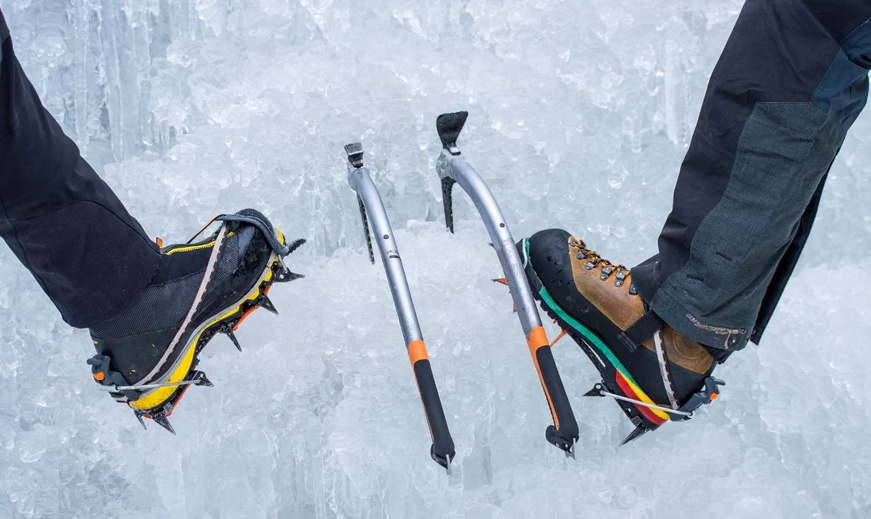
Your Ice Climbing Gear Questions, Answered
The world of ice climbing equipment is deep, but starting doesn't have to be complicated. Focus on the core systems, rent before you buy the expensive hardware, and prioritize fit and function over flashy features. Good gear won't make you a great climber, but the right gear will keep you safe, comfortable, and coming back for more. Now get out there and find some ice.