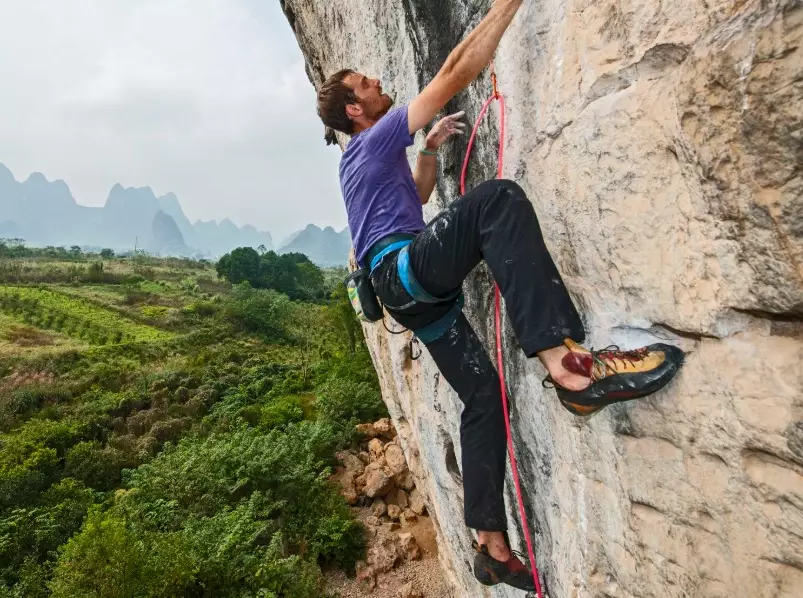
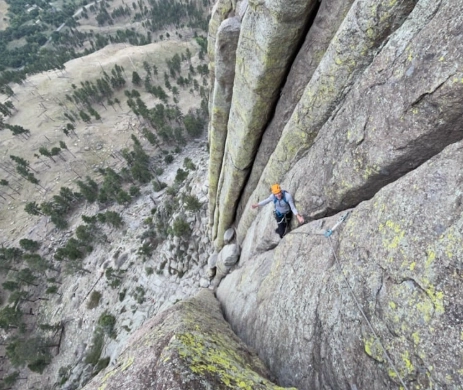
I took my first real lead fall on a gritty sandstone route in Utah. My foot popped, I gasped, and for a terrifying split second, I clawed at the air. I hit the end of the rope with a jolt, swung like a pendulum, and slammed my hip into the wall. The bruise lasted a month. The lesson lasted a lifetime: knowing how to climb is only half the game; knowing how to fall is the other half. It's the skill nobody wants to practice but everyone needs. It's what separates nervous beginners from confident leaders. And contrary to popular belief, it's not about being brave—it's about being smart and trained.
What You’ll Learn in This Guide
The Mental Shift: Why Fear Makes You Fall Poorly
Your body's default setting in a fall is panic. It screams: GRAB SOMETHING! STIFFEN UP! This is the worst thing you can do. A rigid arm can snap. A frantic grab can dislocate a finger. The goal of safe falling isn't to avoid impact—it's to manage energy.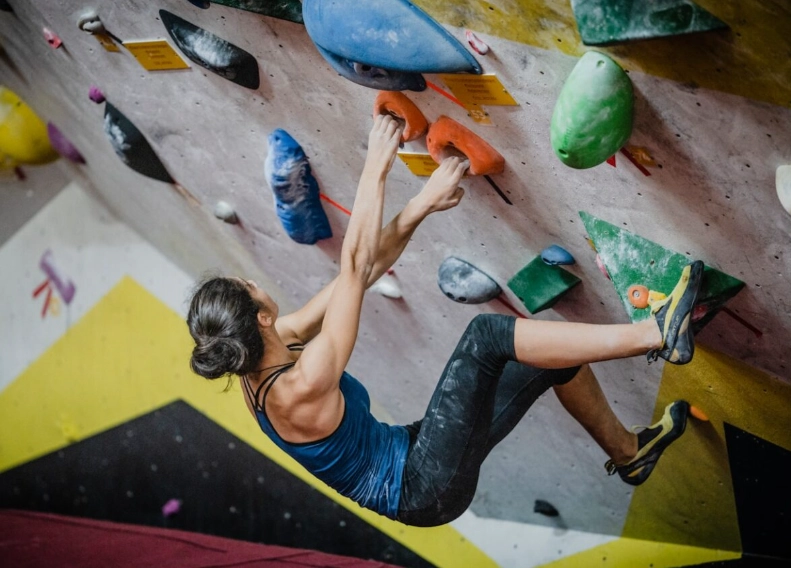
Think of a car crash. A crumple zone saves lives by extending the time of the impact. Your body needs to be its own crumple zone. A relaxed, rolling landing spreads the force over a longer period and a larger surface area. A stiff, braced landing concentrates all that energy into one joint or bone. The difference is a walk-away versus a trip to the ER.
The PDCA Sequence: Your Step-by-Step Fall Protocol
When you feel yourself coming off, follow this PDCA loop. It works for both lead falls and bouldering spills.
P: Prepare (The Split-Second Before)
Shout "FALLING!" loud and clear. This does two things: it alerts your belayer to brace, and it triggers your own brain to execute the plan. It's the starter's pistol for your safety routine.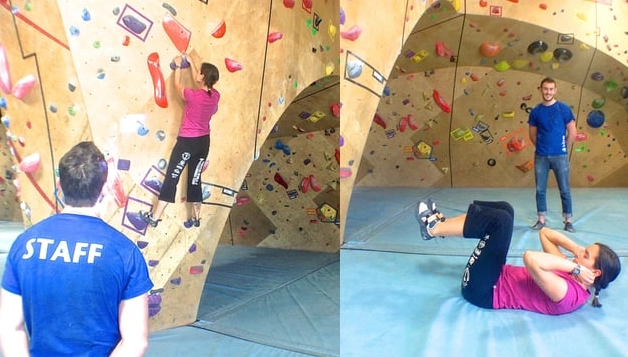
D: Detach (Push Away)
This is critical. If you're on a vertical or overhanging wall, actively push yourself away from it with your feet. You want space. Hitting the wall on the way down, especially with a twisting motion, is a prime cause of ankle and knee injuries. On slab, you might not have this option, so focus on the next steps.
C: Cushion (The Landing Position)
Get into the "ready" position mid-air. Keep your feet below you, knees slightly bent. Bring your arms up in a protective "boxer's guard" near your face—elbows in, hands loosely closed. Do not reach down to catch yourself. Your spine should be in a neutral, slightly rounded position, not arched back.
A: Absorb and Roll (The Energy Dispersion)
This is the magic. Aim to land on the balls of your feet first. Then, let the impact travel sequentially through your body: ankles flex, knees bend, hips engage, and then you roll. The roll should be diagonal across your back—from one butt cheek to the opposite shoulder. This keeps your spine off the ground and turns a vertical smash into a horizontal glide.
The Anatomy of a Safe Impact: From Feet to Roll
Let's break down the roll, because most climbers get it wrong. They try to roll straight over their shoulder, which is awkward and can jam your neck.
| Body Part | Correct Action | Why It Works |
|---|---|---|
| Feet & Ankles | Land on the forefoot, toes pointing slightly outward. | Allows the ankle to act as a natural shock absorber. Prevents heel-strike jolts to the spine. |
| Knees & Legs | Keep them "soft" and bent. Don't lock. | Bent legs are springs. Straight legs are pillars that transmit force to the hips. |
| Hips & Buttocks | Initiate the roll by driving one hip back and down. | Your hip and buttock are padded; they can take the initial contact to begin the rolling momentum. |
| Back & Shoulders | Roll diagonally across the back, not over the spine or directly on a shoulder. | Distributes force across the large muscles of the back (latissimus dorsi). Protects spine and shoulder joints. |
| Arms & Head | Keep arms tucked in a guard. Tuck your chin to your chest. | Prevents you from sticking an arm out to break the fall (hello, broken wrist). Protects your head. |
Ground Drill to Feel the Roll:
Kneel on a soft surface. Tuck your chin, round your back, and fall gently to one side, letting yourself roll onto your back. Feel the smooth, diagonal path. Do this ten times on each side. It should feel fluid, not jarring. This is the core movement you're trying to replicate from height.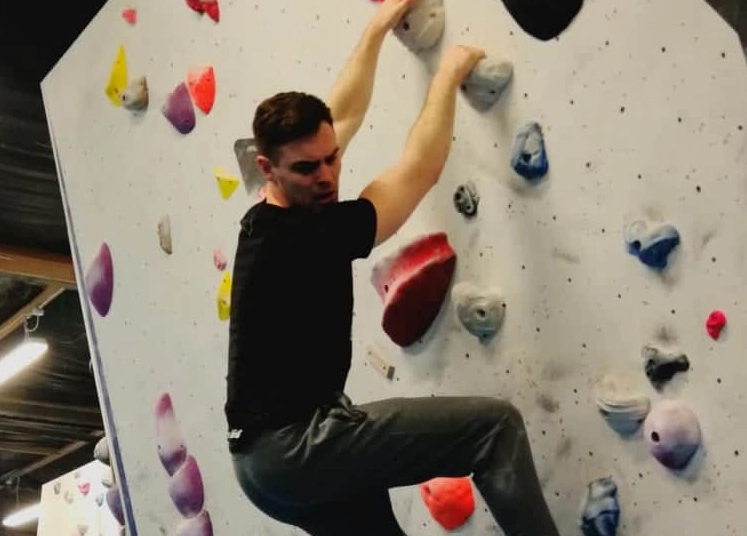
Your Practice Progression: From Gym Floor to Real Rock
You wouldn't try a backflip off the high dive first. Practice falling in stages.
- Stage 1: Ground School. Master the roll from kneeling, then standing, on a gym mat. No climbing involved.
- Stage 2: Low-Ball Bouldering. On a steep overhang with a thick mat, climb one move up and let go. Focus on the push-away and landing position. Height is irrelevant here; technique is everything.
- Stage 3: Controlled Lead Falls. With a trusted, attentive belayer, take practice falls on a slightly overhanging sport route. Start from just above the bolt, then gradually from higher up. The goal is to feel the rope catch and practice your mid-air posture. This is non-negotiable for lead climbers. Resources like the safety guides from Petzl emphasize this kind of progressive training.
- Stage 4: Scenario Training. Practice falling when your feet are above you, or when you're clipping. These "awkward" positions are where most panic happens.

What Happens to Your Gear After a Fall?
A big fall is a major event for your equipment too. Here’s a quick post-fall checklist most people ignore:
- Rope: Feel the length that held the fall for any flat, hard, or overly fuzzy sections. A single fall rarely kills a rope, but it starts the process. Look for core damage.
- Harness: Check the tie-in points, belay loop, and any buckles for abrasion or unusual stiffness. UV damage weakens nylon over time, and a fall can stress aged material.
- Carabiners & Quickdraws: Inspect the gates for smooth operation. Look for any sharp nicks or grooves from striking the rock.
- Soft Goods (Slings/Cord): These can suffer invisible internal damage from a shock load. If you took a huge, factor-2 style fall onto a piece of gear, consider retiring the sling involved.
Gear is replaceable. You are not.
The 5 Most Common (and Dangerous) Falling Errors
Falling safely isn't about eliminating risk. Climbing is inherently risky. It's about stacking the odds overwhelmingly in your favor through technique, practice, and the right mindset. When you stop fearing the fall, you start climbing with freedom. You try harder moves. You push your limits. That's when the real progress happens. So get on an overhang, take a deep breath, and let go. Your future self, walking away without a scratch, will thank you.